- 0
- 961 words
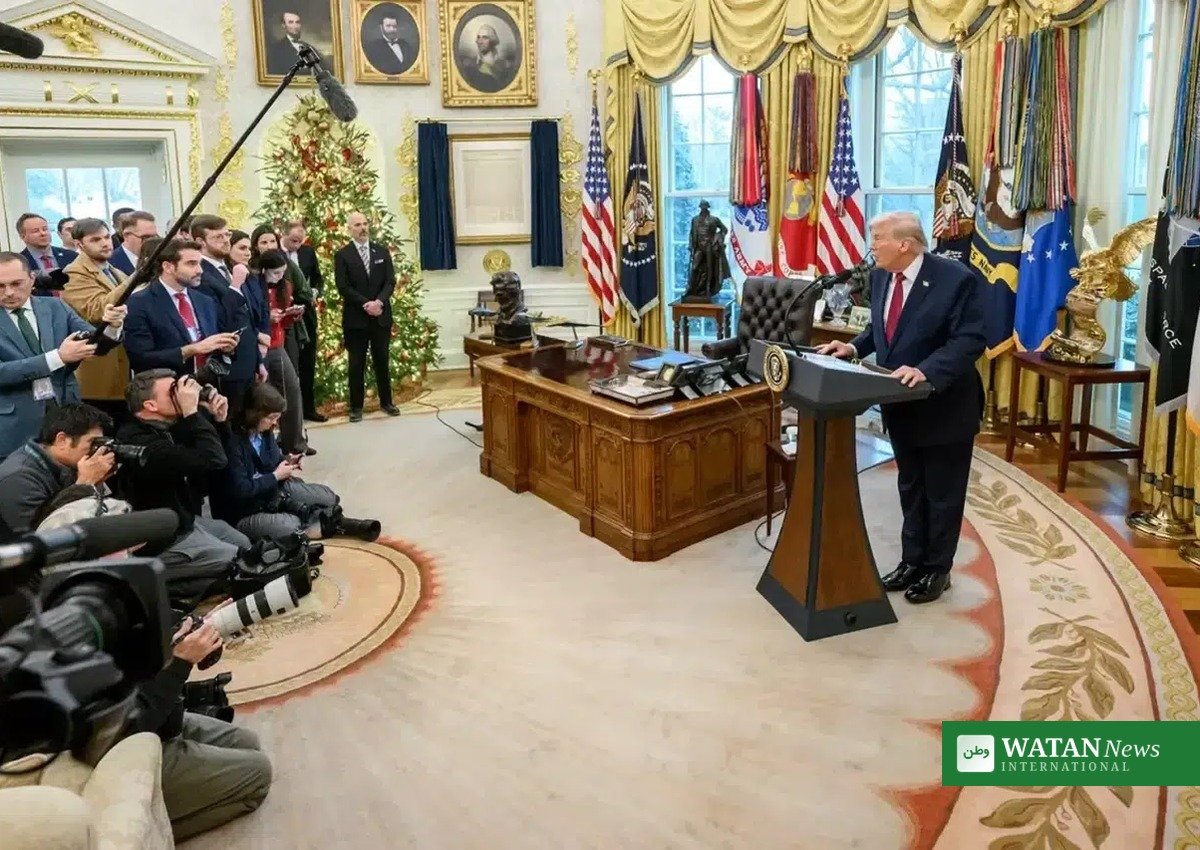
U.S. President Donald Trump said Wednesday that Washington faces a stark choice in its war with Iran — “blow them up or make a deal” — warning that the seven-month conflict “is going to end very soon, one way or the other.” The remarks, made during an Oval Office press briefing, came as Iranian officials confirmed Tehran had received Washington’s formal response to its latest proposal to end the war.
FAKTA
- Who: U.S. President Donald Trump, speaking to reporters in the Oval Office on Wednesday, October 1.
- Quote: “We have to make that decision: We blow them up or make a deal.” Asked how he could negotiate with Iranian leaders, he answered: “Maybe you blow them up.”
- Warning: “The time is coming. It’s going to end very soon, one way or the other.”
- Diplomacy: Iran confirmed it received Washington’s formal response to its latest proposal; Foreign Minister Abbas Araghchi briefed President Masoud Pezeshkian and the cabinet. Qatar and Pakistan are mediating. The response’s contents are undisclosed.
- Context: The U.S.–Iran war began February 28; a fragile ceasefire collapsed, and the Strait of Hormuz remains the central flashpoint.
“Maybe you blow them up”
Trump made the remarks while answering reporters’ questions in the Oval Office. Asked how he could reach an agreement with Iranian leaders, the president replied: “Maybe you blow them up.” He added that the United States must now decide between military escalation and diplomacy, saying: “We have to make that decision: We blow them up or make a deal.”
Trump later highlighted the exchange himself in a post on Truth Social, underscoring that the White House wants the threat — and the opening for a deal — to be heard in Tehran.
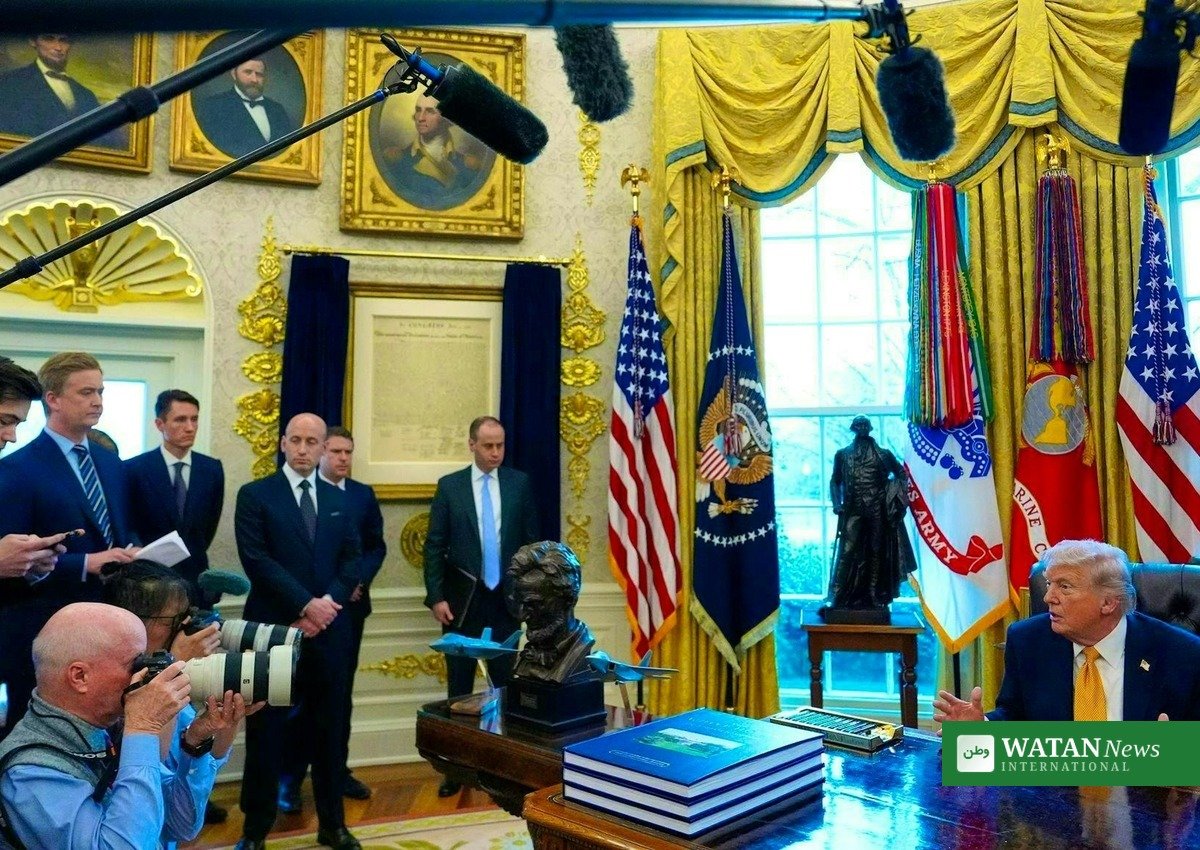
Donald Trump in the Oval Office, where he told reporters on Wednesday that the U.S. faces a choice: “We blow them up or make a deal.” (File photo)
Tehran weighs Washington’s formal reply
The ultimatum landed at a delicate moment in the diplomatic exchanges between the two sides. Iranian officials said Wednesday that Tehran had received an official U.S. response to its latest proposal for ending the conflict. Foreign Minister Abbas Araghchi briefed President Masoud Pezeshkian and the cabinet on Washington’s response after returning from New York, where diplomatic contacts took place around the United Nations General Assembly.
Neither side has publicly disclosed the contents of the U.S. response. Iran’s latest initiative had offered a seven-day framework involving a ceasefire and steps toward reopening the Strait of Hormuz to commercial shipping. Tehran linked those measures to conditions including an end to the U.S. naval blockade of Iranian ports, sanctions relief on oil sales, the release of frozen Iranian assets and eased restrictions on the country’s trade.
Why the Trump Iran blow up deal ultimatum matters now
Trump had publicly rejected the Iranian proposal over the weekend, saying Iran was seeking a deal because it was “losing so badly” — yet diplomatic contacts continued through intermediaries. On Monday, Secretary of State Marco Rubio demanded that the Iranian delegation to the U.N. General Assembly leave the United States after negotiations stalled, a move Tehran disputed. The president’s Wednesday remarks compress weeks of mixed signals into a binary choice, with the clock ticking toward the November midterm elections.
The administration has tied its military and economic pressure to a single central objective: preventing Iran from obtaining a nuclear weapon. Washington has also announced fresh sanctions targeting individuals and entities accused of helping Iran procure weapons and components.
Seven months of war
The conflict began on February 28, when the United States and Israel launched attacks on Iran. A temporary ceasefire was reached in April after Pakistan helped mediate talks, but fighting resumed and has continued without a broader agreement. The Strait of Hormuz — the waterway carrying roughly a fifth of the world’s oil — has become the war’s economic front line: this week alone, three oil tankers were struck by unknown projectiles while transiting the strait, according to shipping intelligence reported by Reuters.
What happens next
All eyes are now on Tehran’s reply to Washington’s formal response — and on whether Trump’s “very soon” means a deal or a new wave of strikes. Qatar and Pakistan continue mediation efforts, while U.S. officials say both military action and diplomacy remain on the table. Follow our Middle East coverage for developing updates.
FAQ
What exactly did Trump say about Iran?
In the Oval Office on Wednesday, Trump said: “We have to make that decision: We blow them up or make a deal.” Asked how he could negotiate with Iranian leaders, he replied: “Maybe you blow them up.” He added: “The time is coming. It’s going to end very soon, one way or the other.”
Has Iran responded to the U.S. position?
Iranian officials confirmed Wednesday that Tehran received Washington’s formal response to its latest proposal. Foreign Minister Abbas Araghchi briefed President Masoud Pezeshkian and the cabinet. The contents have not been disclosed.
What did Iran’s proposal offer?
A seven-day framework: a ceasefire and steps to reopen the Strait of Hormuz to commercial shipping, in exchange for an end to the U.S. naval blockade, sanctions relief on oil sales, the release of frozen Iranian assets and eased trade restrictions. Trump publicly rejected it over the weekend.
How long has the U.S.–Iran war lasted?
Seven months. It began on February 28 with U.S. and Israeli attacks on Iran; a temporary April ceasefire collapsed and fighting has continued since.
Are fresh U.S. strikes imminent?
Trump has kept both options open, declining to rule out renewed military action while saying a deal remains possible. U.S. officials say the administration is approaching a decision point.
Author

usman2344913@gmail.com
Related Posts
Three Oil Tankers Struck by Unknown Projectiles in Strait of Hormuz
- 0
- 908 words
Three Liberian-flagged oil tankers were struck by unknown projectiles while transiting the Strait of Hormuz on Tuesday, shipping intelligence says, in a...
Read out all
Radio Pakistan Multan concludes broadcasting training program
- 0
- 834 words
Radio Pakistan Multan has concluded a two-day broadcasting workshop for young comperes, radio jockeys, newsreaders and interns — part of a nationwide...
Read out all
Brazil AG: Trump funding meddling ‘cannot be tolerated
- 0
- 1,170 word
Brazil’s Attorney General Jorge Messias has condemned alleged Trump administration plans to direct funding toward a campaign against Brazil’s supreme court, declaring...
Read out all
Denmark Opens New Certified-Employer Work Permit Route for Foreign Workers From January 2027
- 0
- 956 words
Denmark's new certified-employer work permit scheme, adopted by Parliament on 3 September 2026, lets SIRI-certified companies hire foreign workers from 16 designated...
Read out all
LVMH Opens 65 Workshops in 11 Countries for Journées Particulières 2026
- 0
- 1,030 word
LVMH opens 65 workshops, cellars and ateliers in 11 countries for the sixth Journées Particulières, 16–18 October 2026. Free tours include Louis...
Read out all
Radisson Blu Scandinavia Becomes Verified Net Zero Hotel as Radisson Adds Four Nordic Properties
- 0
- 1,115 word
Radisson Hotel Group has added four Nordic hotels — including Copenhagen's Radisson Blu Scandinavia — to its Verified Net Zero portfolio, bringing...
Read out all