- 0
- 1,036 word
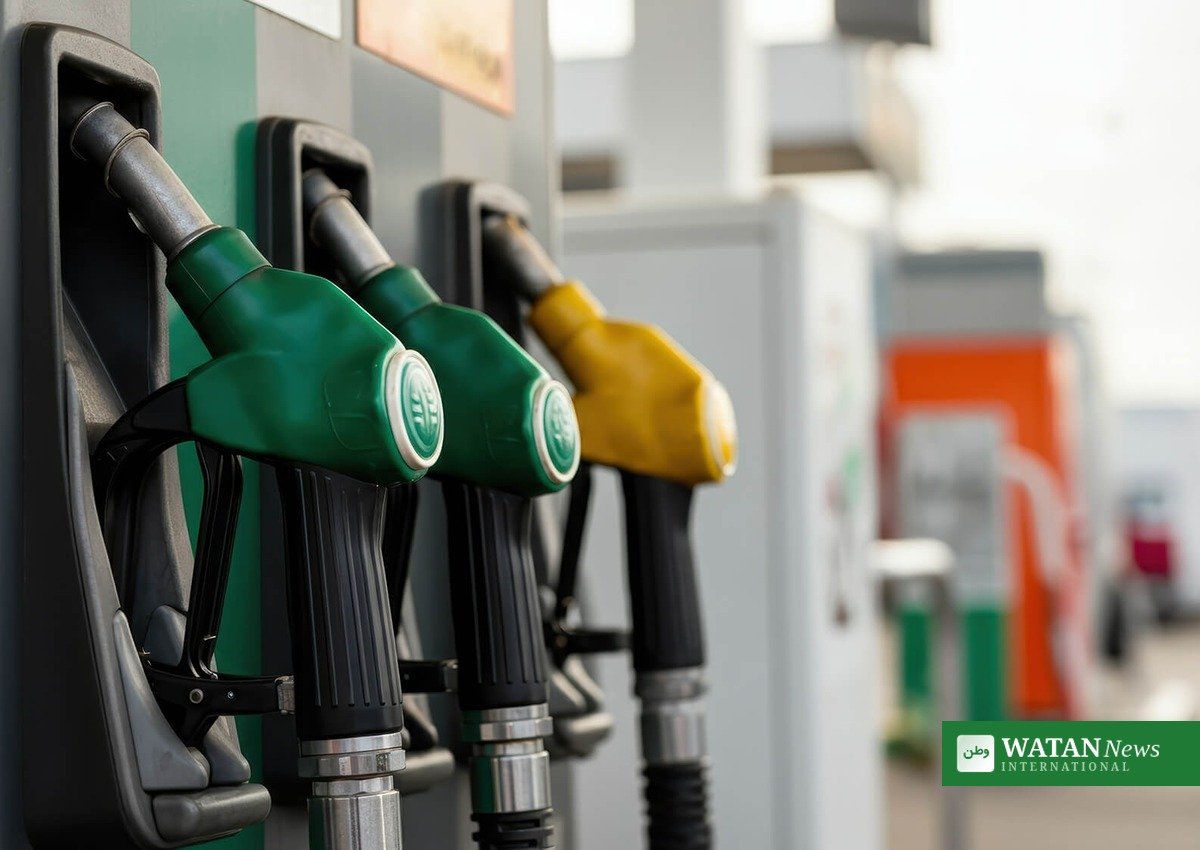
The Trump administration has told Germany and France to draw down their emergency diesel inventories to help ease surging global fuel prices — or face a potential US ban on diesel exports, according to three people close to the discussions quoted by Reuters. The warning marks a sharp escalation of US pressure on Europe as President Donald Trump weighs a diesel export ban to bring fuel prices down at home ahead of November’s midterm elections.
FAKTA
- What: The US has warned France and Germany to release emergency diesel stocks — or face a potential US diesel export ban.
- The demand: The EU has been asked to release 120 million barrels of diesel over the next six months, according to a source in a European capital.
- Why: Diesel averaged $6.39 a gallon in the US on Thursday, up from $3.71 a year earlier, according to AAA.
- Who is frustrated: US officials believe France and Germany have not fully followed through on earlier commitments to release emergency oil and petroleum stocks.
- Sources: Reuters (three people close to the discussions), statements from President Trump and Energy Secretary Chris Wright.
US ultimatum over diesel reserves
According to Reuters, which first reported the exclusive on October 1, the Trump administration has told Berlin and Paris to tap their emergency diesel reserves to help create a buffer against the supply squeeze hitting the industrial fuel. “It is in Europe’s best interest to work with the United States as we pursue multiple pathways to boost the supply of refined products and lower costs for consumers,” one of the sources, a US official, told the news agency.
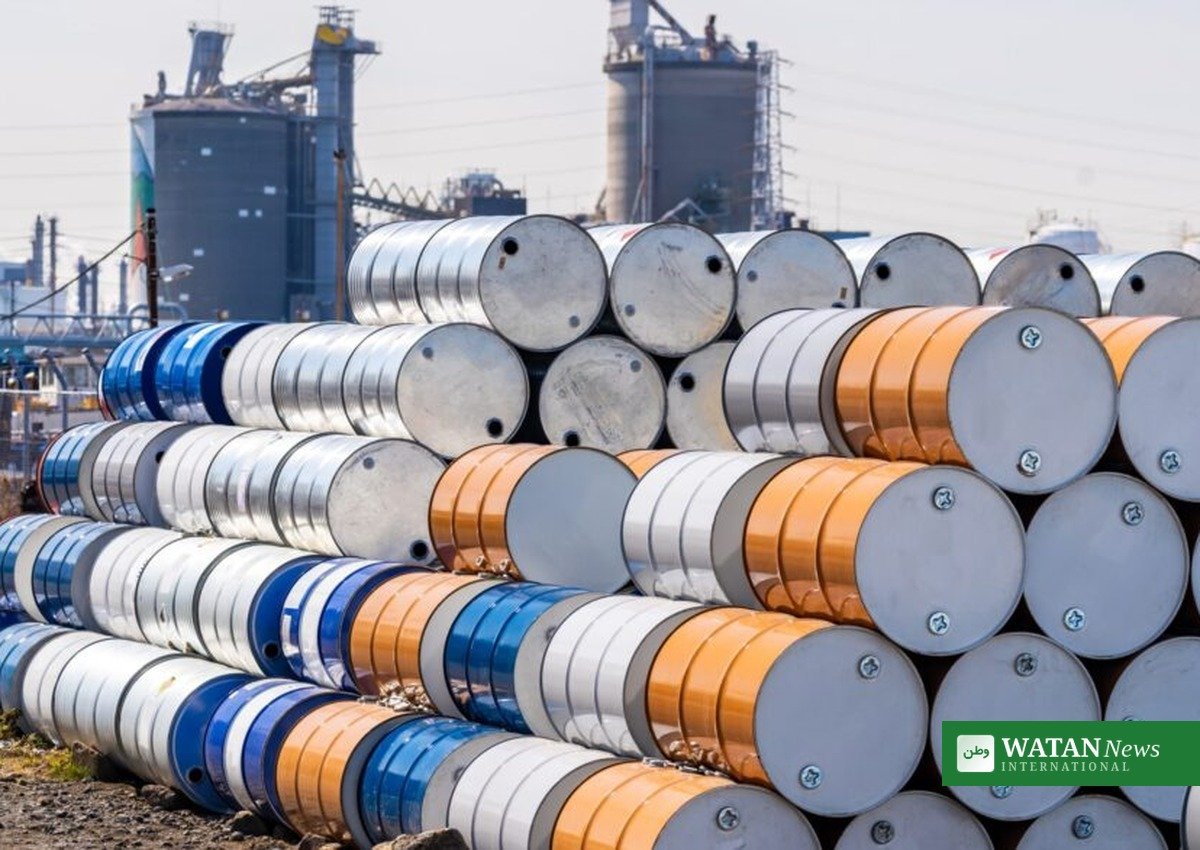
The second source, based in a European capital, said Washington had asked the EU to release 120 million barrels of diesel over the next six months — equivalent to about 660,000 barrels a day of additional supply. Germany and France together hold about 35 percent of the bloc’s emergency reserves of diesel and similar fuels, Reuters reported, citing Eurostat data from May 2025. The volume the US requested would equal more than 40 percent of what all EU member states keep in reserve.
Trump discusses export ban “every day”
Speaking in the Oval Office on Wednesday, President Trump said he holds discussions “every day” about a potential diesel export ban, blaming Russia’s war in Ukraine for fueling the supply squeeze. He warned that an export ban would “have a negative impact on gasoline” prices but could lower diesel costs. Russia recently extended an export ban on the industrial fuel.
US Energy Secretary Chris Wright told reporters on Wednesday that the administration expected announcements soon from Europe about new diesel supplies. “We’ve lost some diesel exports from the Middle East, although we’re restoring those, and we’ve lost diesel exports from China,” he said.
Europe scrambles to respond
European officials are racing to coordinate. An EU official told Reuters that the European Commission, Germany, France, Italy, Ireland and Britain held a call on Thursday to discuss the possible need to release diesel stocks.
Germany’s economy ministry did not immediately respond to a request for comment, while France’s energy ministry declined to comment. An official at the Elysee Palace said French President Emmanuel Macron and Trump had not discussed the issue when they met on the sidelines of the UN General Assembly in New York last week.
Oil markets already on edge
The pressure on Europe comes as global fuel markets tighten. Brent crude rose to $102.60 a barrel on Friday after China halted fuel exports, Reuters reported — Beijing started a weeklong holiday on Thursday without giving major refiners a green light to export to regions other than Hong Kong and Macau in October.
Adding to the strain, the Wall Street Journal reported that the US is sending a third aircraft carrier and up to 10,000 more troops to the Middle East as Trump weighs resuming strikes on Iran after the midterm elections. “Now I have to make a decision. They’ll either sign a very fair deal, or they won’t exist any longer,” Trump told reporters at the White House. For broader context on the global energy and geopolitical picture, see our world news section.
Industry warns against an export ban
The idea of a diesel export ban has drawn pushback from the oil industry. The American Petroleum Institute, which represents the oil and natural gas industry, wrote in a September 28 post on X that restricting exports “could disrupt refinery operations” and reduce fuel production.
Analysts warn the refined products crisis is unlikely to be resolved quickly as the Northern Hemisphere winter approaches. Read the full Reuters exclusive on the US warning to France and Germany here.
Conclusion
With diesel prices at $6.39 a gallon in the US — nearly double a year ago — the Trump administration is leaning harder than ever on Europe to open its emergency reserves. Whether France and Germany comply before the midterm elections could decide whether the threatened export ban ever becomes real — and how high winter fuel prices climb.
FAQ
What is Trump threatening to do?
The Trump administration has warned Germany and France that it could ban US diesel exports if they do not release emergency diesel stocks to ease global fuel prices.
How much diesel does the US want Europe to release?
The US has asked the EU to release 120 million barrels of diesel over the next six months — about 660,000 barrels a day, or more than 40 percent of the bloc’s emergency reserves.
Why are diesel prices so high?
Trump has blamed Russia’s war in Ukraine, while Energy Secretary Chris Wright pointed to lost diesel exports from the Middle East and China. Russia recently extended its own export ban on diesel.
How has Europe reacted?
The European Commission, Germany, France, Italy, Ireland and Britain held a call on Thursday to discuss possibly releasing diesel stocks. Germany and France have not yet commented publicly.
What would an export ban mean for consumers?
Trump acknowledged it would “have a negative impact on gasoline” prices while potentially lowering diesel costs; the industry warns it could disrupt refinery operations and reduce fuel production.
Author

usman2344913@gmail.com
Related Posts
Trump Rules Out Nuclear Strike on Iran, Warns of New Strikes on Pickaxe Mountain
- 0
- 694 words
Washington, D.C. — President Donald Trump has ruled out using nuclear weapons against Iran in the ongoing war, but warned that the...
Read out all
Cyprus Israel Lobby Row: Pro-Israel Parliamentary Group Sparks Political Dispute
- 0
- 480 words
NICOSIA — A Cyprus Israel lobby row has erupted on the divided Mediterranean island after six lawmakers launched a new parliamentary chapter...
Read out all
Brewers Sweep Dodgers to Reach World Series for First Time Since 1982
- 0
- 580 words
The Milwaukee Brewers are going to the World Series for the first time in 44 years. Down 4-0 in the early innings...
Read out all
Lukashenko Says Trump Should Not Dictate Ukraine’s Future
- 0
- 497 words
Belarusian President Alexander Lukashenko said on Friday that US President Donald Trump should not dictate Ukraine’s political future, declaring that only the...
Read out all
Russian Drone Strikes Kill Three Across Ukraine, Cut Power to 370,000
- 0
- 419 words
Russian drone strikes across Ukraine killed at least three people and knocked out electricity to around 370,000 residents in the northwestern Volyn...
Read out all
Israeli Settlers Torch Olive Trees, Injure Photojournalist in West Bank Harvest Attack
- 0
- 484 words
Dozens of Israeli settlers attacked Palestinian olive harvesters in Abu Falah, West Bank, torching olive trees and injuring two people, including a...
Read out all