- 0
- 995 words
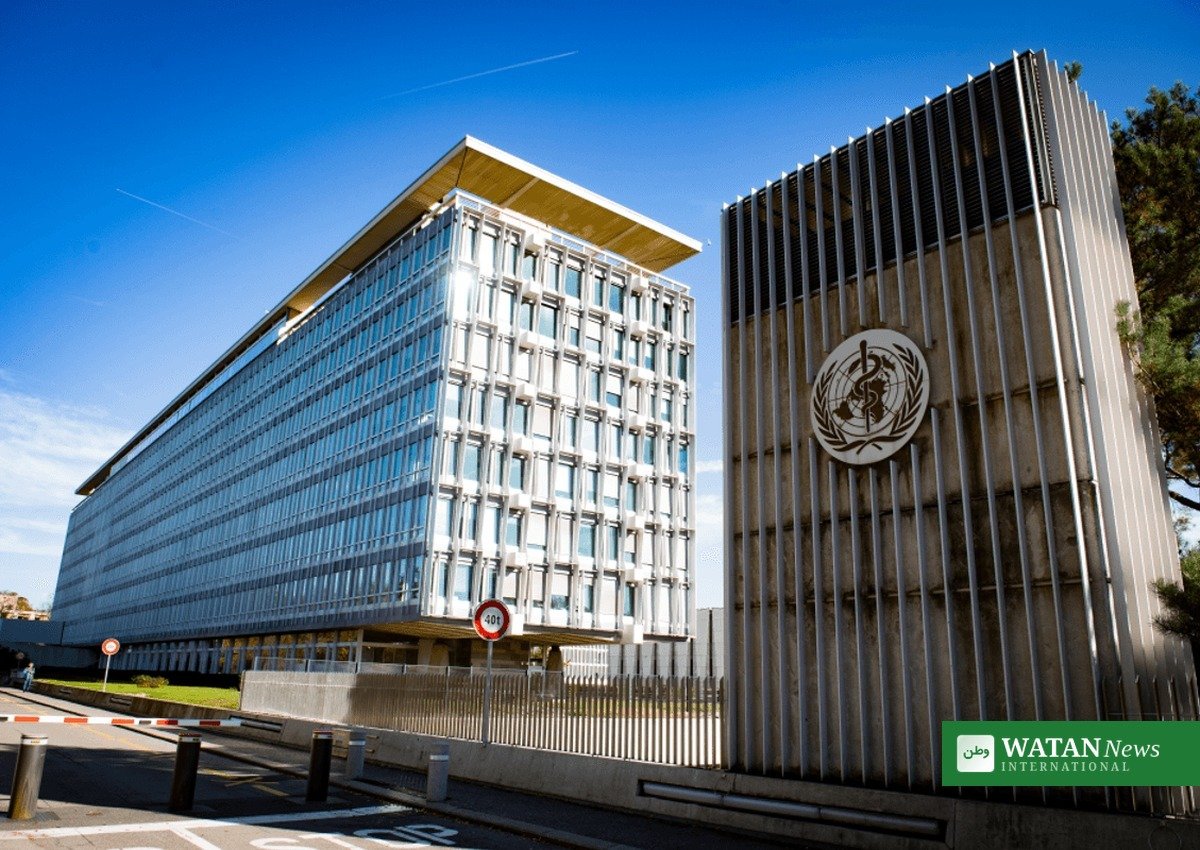
GENEVA – Global life expectancy has nearly recovered to its pre-pandemic level, but the world’s health burden is shifting decisively towards chronic disease: noncommunicable diseases (NCDs) accounted for 74 per cent of all deaths worldwide in 2023, up from 58 per cent in 2000, the World Health Organization (WHO) said on 2 October.
WHO’s latest Global Health Estimates, released on Friday, track how health has changed across countries and regions between 2000 and 2023 — covering life expectancy, causes of death and the overall burden of disease. The data show a world living longer again after the COVID-19 disruption, but with a growing share of those years affected by conditions such as heart disease, stroke, diabetes, dementia, mental health conditions and drug use disorders.
Global life expectancy reached 73.3 years in 2023, close to the 73.4 years recorded in 2019 before the pandemic. The coronavirus crisis had plunged the figure to 71.5 years in 2021. Notably, COVID-19 has dropped out of the top ten causes of death for the first time since 2020.
FAKTA
The WHO Global Health Estimates cover the years 2000–2023 and measure life expectancy, causes of death and disability-adjusted life years (DALYs) — years of healthy life lost to illness or premature death. Key takeaways:
| Indicator | Earlier value | 2023 value |
|---|---|---|
| Global life expectancy | 73.4 years (2019) | 73.3 years |
| Healthy life expectancy | 63.2 years (2019) | 62.8 years |
| NCD share of global deaths | 58% (2000) | 74% |
| COVID-19 among top 10 causes of death | Yes (2020–2022) | No |
| Communicable diseases < half of deaths in low-income countries | Never before | First time in 2023 |
Living longer — but not all gains have returned
While total life expectancy has bounced back, the so-called healthy life expectancy — the years lived in good health — is recovering more slowly. It stood at 62.8 years in 2023, still 0.4 years below the 2019 level.
“Living longer is one of the great achievements of public health,” said Dr Alain Labrique, Director of WHO’s Department of Data, Digital Health, Analytics and AI. “The next challenge is to ensure that those additional years are lived in good health, while health systems are equipped to respond to the changing needs of populations.”
The data also underline deep data gaps: of an estimated 61 million deaths worldwide in 2023, only about one third were reported with cause-of-death information, and only about one fifth had meaningful International Classification of Diseases (ICD) coded data, according to WHO’s related World Health Statistics 2026 reporting.
Heart disease, stroke and respiratory illness dominate
Of the 61 million deaths worldwide in 2023, the ten leading causes accounted for approximately 33 million — 54 per cent of the total. Eight of the ten were noncommunicable diseases.
Ischaemic heart disease continued to be the world’s leading cause of death, responsible for around 16 per cent of all global fatalities. It claimed an estimated 9.5 million lives in 2023 — an increase of roughly 3 million deaths compared with 2000 — and caused some 210 million disability-adjusted life years, measured in years of healthy life lost.
Stroke ranked second, causing an estimated 6.8 million deaths, or about 11 per cent of the global total. Chronic obstructive pulmonary disease (COPD) stood third, accounting for approximately 3.6 million deaths, equivalent to around 6 per cent of fatalities worldwide. Lower respiratory infections ranked fourth and remained the deadliest communicable disease globally in 2023, claiming approximately 2.7 million lives — with numbers returning close to pre-pandemic levels.

The shift is now visible at every income level
WHO stresses that the predominance of NCDs is increasingly evident regardless of countries’ income levels. In 2023, for the first time, communicable diseases represented less than half of all deaths in low-income countries — a milestone in the global epidemiological transition.
Dementia and mental health: the rising burden
The estimates also flag sharply rising burdens beyond cardiovascular disease. Dementia deaths have tripled, while anxiety- and depression-related health loss has risen sharply since the COVID-19 pandemic, according to WHO. Between 2000 and 2023, the WHO Americas region recorded the largest increases in risk of mortality and healthy life loss, while the Western Pacific saw substantial declines.
Ageing societies face a financing and care gap
The changing burden of disease coincides with a rapidly ageing global population. A mid-term progress report on the UN Decade of Healthy Ageing (2021–2030), prepared by WHO and transmitted to the 81st UN General Assembly, notes the number of people aged 60 and above exceeded one billion in 2020 and is projected to reach 2.1 billion by 2050 — with the fastest growth in low- and middle-income countries.
The report cautions that longer life does not automatically mean healthier life: the gap between life expectancy and healthy life expectancy at age 60 widened between 2000 and 2023, and older people bore a disproportionate share of pandemic mortality, accounting for an estimated 71 per cent of excess deaths between 2020 and 2023.

Conclusion: longer lives need healthier systems
The WHO estimates describe a world that has largely recovered the life expectancy lost to the pandemic — but where the years gained are increasingly shaped by chronic disease, mental-health conditions and uneven access to quality care. The agency’s message to policymakers is that health systems must now adapt to this new reality: preventing and managing NCDs, closing the gap between living longer and living well, and fixing the data gaps that still hide how people die in much of the world. For more health and wellness coverage, visit Watan News International.
Frequently asked questions
What are the WHO Global Health Estimates?
They are WHO’s comprehensive assessment of mortality, causes of death and disease burden across countries and regions — in this release covering the years 2000 to 2023 — based on modelled estimates where direct data are incomplete.
What is the world’s leading cause of death?
Ischaemic heart disease remains the leading cause, responsible for an estimated 9.5 million deaths in 2023 — about 16 per cent of all global fatalities — followed by stroke (6.8 million) and COPD (3.6 million).
Has life expectancy recovered from COVID-19?
Global life expectancy reached 73.3 years in 2023, close to the 73.4 years of 2019, after falling to 71.5 in 2021. Healthy life expectancy (62.8 years) is still 0.4 years below its 2019 level.
Author

usman2344913@gmail.com
Related Posts

Netflix Releases ‘Schumacher ’94 — The Birth of a Legend’ With Rare Corinna Schumacher Interview
- 0
- 803 words
Netflix releases 'Schumacher '94 — The Birth of a Legend' on October 2, 2026 — a 105-minute documentary on Michael Schumacher's dramatic...
Read out all
Global Air Passenger Demand Slips 0.8% in August as Middle East Downturn Bites: IATA
- 0
- 840 words
IATA reports global air passenger demand fell 0.8% in August 2026 as Middle East carriers' demand dropped 14.6%; excluding the region, demand...
Read out all
Gender Equality 171 Years Away as Institutions Are Stripped of Power, UN Warns
- 0
- 1,013 word
UN Women's Gender Snapshot 2026 finds gender equality is 171 years away at current rates, with one in three equality institutions stripped...
Read out all
Gold, debuts and a possible farewell: Paris Fashion Week’s Spring-Summer 2027 highlights
- 0
- 929 words
Paris Fashion Week's Spring-Summer 2027 edition is in full swing: Jonathan Anderson's walnut-themed Dior show at the Tuileries, a gilded Saint Laurent...
Read out all
Saturday Evening Post to end print after 205 years as magazine industry reshapes
- 0
- 747 words
The Saturday Evening Post will publish its final print issue in January 2027 after 205 years, going digital-only amid rising costs and...
Read out all
Global food prices hit nearly four-year high in September, UN food agency says
- 0
- 807 words
Global food prices climbed to their highest level in nearly four years in September, the UN Food and Agriculture Organization said on...
Read out all