- 0
- 1,264 word
Cornell University President Michael Kotlikoff has pledged greater transparency and a thorough independent review of how the university handled an alleged 2024 gang rape at the Chi Phi fraternity house, as national outrage grows over the Cornell fraternity rape case. The announcement follows Governor Kathy Hochul’s decision to remove Tompkins County prosecutors from the case and appoint Attorney General Letitia James as special prosecutor, after troubling new details emerged about the original investigation.
FAKTA
- What: A student, identified in court papers as Jane Doe, alleges she was drugged and sexually assaulted by multiple members of Cornell’s Chi Phi fraternity in October 2024. She filed a civil lawsuit on September 16, 2026, naming the university and seven former students.
- University response: President Michael Kotlikoff called the allegations “deeply disturbing.” Cornell says its Title IX process led to two expulsions and two suspensions, that one accused student graduated before sanctions could be imposed, and that two were found not responsible. The Chi Phi chapter is barred from campus.
- State intervention: Governor Kathy Hochul appointed Attorney General Letitia James as special prosecutor on October 2, 2026, saying she had lost faith in Tompkins County District Attorney Matthew Van Houten, whose office closed the case without interviewing the accuser.
- Legal flashpoint: New York’s “voluntary intoxication loophole” makes it hard to prosecute sexual assaults when victims were voluntarily intoxicated. Hochul is pushing lawmakers to change the law.
- Status: James’s office says it is running an active criminal investigation that could lead to grand-jury charges. The civil lawsuit is pending, and attorneys for some of the accused men dispute the allegations.
University’s Response to Allegations
Kotlikoff described the episode as “deeply disturbing” and the university’s most difficult week in recent history in a video message to the campus, saying his heart ached for the victim and that the case raises serious questions about sexual assault, dehumanization, and campus party culture. He pledged support for an independent review of Cornell’s response, and the university has agreed to hire outside counsel for the inquiry, with details from the Board of Trustees expected next week.
Cornell has said it supports Hochul’s decision to transfer the criminal case to the Attorney General’s Office. The university has also faced mounting pressure over the role of fraternities and sororities in campus life, and Kotlikoff has called for a critical examination of their place at Cornell.
Hochul Removes Local Prosecutor, Names Special Prosecutor
At a news conference on Friday, October 2, Hochul said the woman had been “failed” by the people and institutions obligated to protect her, including campus police and the county prosecutor. “In what world does the district attorney not even interview her, or anyone else involved, or even request the full transcript?” she asked. By executive order, she appointed James to take over the criminal investigation, declaring the case would not be “swept under the rug.”
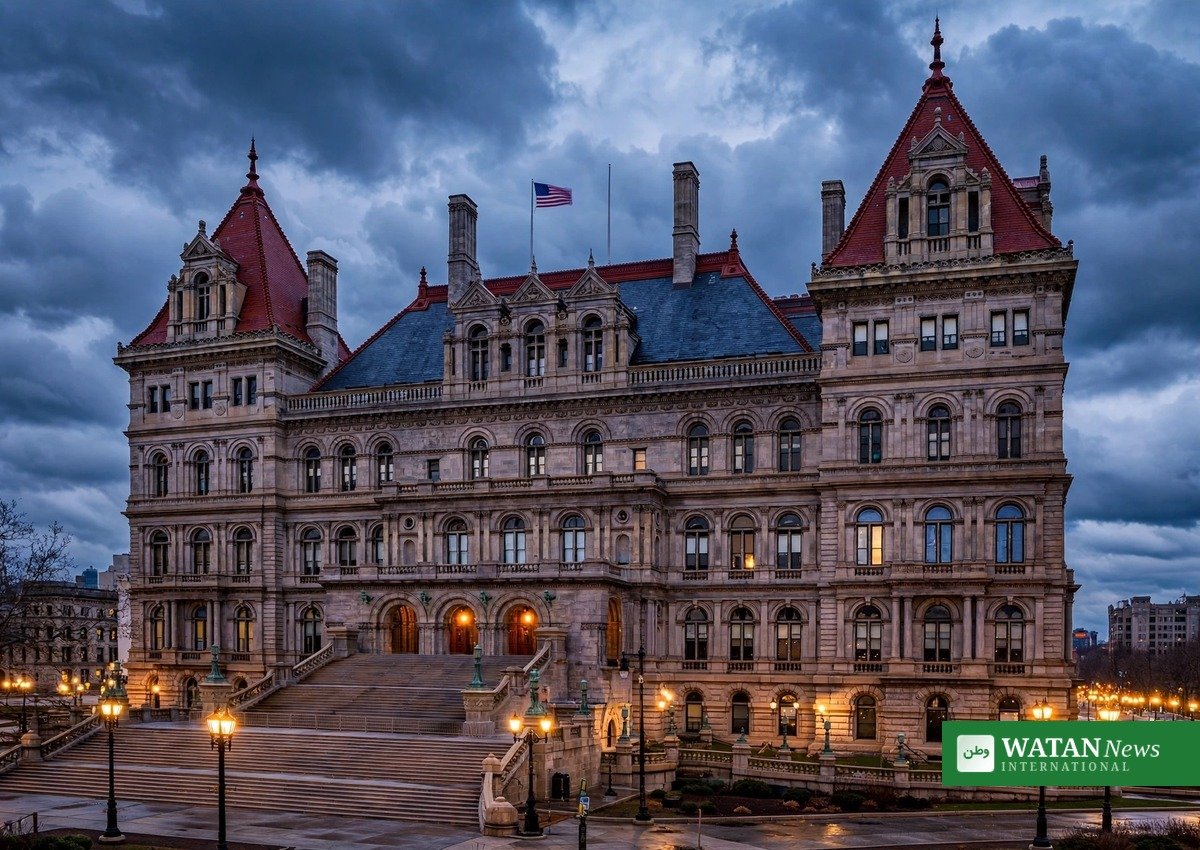
James confirmed her office is running an active criminal investigation that will gather evidence, interview witnesses, and could lead to grand-jury presentations and prosecutions if the facts support charges. She said the review would be comprehensive and would not be rushed. The move came a day after Cornell agreed to the outside review, and after Van Houten — who had reopened his own inquiry on September 28 — said he would cooperate with the state probe.
What the New Records Show
The intervention followed the release of new information that raised questions about what Cornell police and prosecutors had actually reviewed. The accuser told campus investigators she was “100 percent” confident she had been raped — a detail prosecutors say did not appear in the account they received in 2024. Van Houten has acknowledged his office received only a six-page summary from Cornell police and relied on the campus investigation rather than conducting an independent inquiry.

Van Houten has defended his earlier decision, saying the woman’s November 2024 sworn statement did not allege she had been drugged against her will or gang raped. Her attorney disputes that account and has criticized the district attorney’s handling of the case. Van Houten also acknowledged his office never received the complete interview transcript or a screenshot from a “Chi Phi Actives” group chat that appears in the civil complaint. Attorneys for some of the accused men have disputed the allegations; lawyers for two have publicly denied their clients participated in any sexual assault.
New York’s Intoxication Law Under Scrutiny
The case has reignited debate over New York’s “voluntary intoxication loophole,” under which a person who voluntarily consumed alcohol or drugs is generally treated as legally capable of consenting to sex — making rape charges far harder to bring when the victim was intoxicated by choice. Advocates say the rule disproportionately blocks victims’ path to justice.
Hochul has said she will urge lawmakers to eliminate the distinction so that voluntary intoxication does not bar prosecution when a person is too impaired to consent, calling the case a “gap in state law.”
Campus Reaction
The Cornell community has reacted with anger and division. Student assembly hearings have drawn speakers demanding accountability, including some who called for Kotlikoff’s resignation, while the case has split opinion on the role of fraternities in campus life. Kotlikoff has called for a critical examination of Greek life’s place at Cornell.
What Comes Next
The Board of Trustees is expected to release details of the independent review in the coming week, while James’s investigation proceeds without a public timetable. Readers can follow continuing coverage in our World news section. This story is also published in Watan News’ main edition.
Conclusion
The Cornell fraternity rape case has become a test of how universities, campus police, and prosecutors handle sexual assault allegations — and of the laws that govern them. With the state’s top prosecutor now in charge, an independent review of Cornell’s response underway, and pressure building to rewrite New York’s intoxication rules, the coming weeks could reshape accountability far beyond Ithaca.
Frequently Asked Questions
What is the Cornell fraternity rape case about?
A student identified as Jane Doe alleges she was drugged and sexually assaulted by multiple members of Cornell’s Chi Phi fraternity in October 2024. She filed a civil lawsuit in September 2026 against the university and seven former students. No criminal charges have been filed.
Who is leading the criminal investigation now?
New York Attorney General Letitia James, appointed as special prosecutor by Governor Kathy Hochul on October 2, 2026, after the governor said she had lost confidence in Tompkins County District Attorney Matthew Van Houten.
What is the “voluntary intoxication loophole”?
A feature of New York law under which a person who voluntarily consumed alcohol or drugs is generally treated as legally capable of consenting to sex, which makes rape prosecutions difficult when the victim was intoxicated by choice. Hochul wants lawmakers to change it.
How has Cornell responded?
President Michael Kotlikoff called the allegations “deeply disturbing,” pledged transparency, and agreed to an independent review by outside counsel. The university says two accused students were expelled, two suspended, one graduated before sanctions, and two were found not responsible. The Chi Phi chapter is barred from campus.
Have the accused men responded?
Attorneys for some of the accused men have disputed the allegations, and lawyers for two have publicly denied their clients participated in any sexual assault.
Author

usmanjaved13132@gmail.com
Related Posts

Former Bachelor star Sam Wood charged with domestic violence
- 0
- 603 words
Former Bachelor star Sam Wood has been charged with domestic violence offences — assault occasioning bodily harm and strangulation — after police...
Read out all
From Bin to Atmosphere: Why Zero Waste Is a Climate Strategy
- 0
- 976 words
Plastic waste is on course to almost triple by 2060 while only 9% is recycled, and wasted food generates 8–10% of global...
Read out all
COP31 in Antalya: Finance, Fossil-Fuel Roadmap and Belém Action Mechanism Take Shape on Negotiation Agenda
- 0
- 734 words
With just over a month to go before COP31 opens in Antalya, Türkiye, the contours of the negotiation agenda are coming into...
Read out all
Flávio Bolsonaro Stuns Lula in Brazil Election First Round, Oct 25 Runoff Set
- 0
- 923 words
Brazil’s presidential election has delivered a shock: right-wing Senator Flávio Bolsonaro, the 45-year-old son of imprisoned former president Jair Bolsonaro and an...
Read out allOne Nation to establish headquarters in multimillion-dollar Brisbane office bought by Gina Rinehart
- 0
- 841 words
One Nation will establish its national headquarters in a multimillion-dollar Brisbane office building recently purchased by mining magnate Gina Rinehart’s property investment...
Read out all
Man shot dead after crashing car and allegedly pointing gun at NSW police
- 0
- 722 words
A man believed to be 45 was shot dead by NSW police after a car crash north of Yass, allegedly pointing a...
Read out all