- 0
- 1,235 word
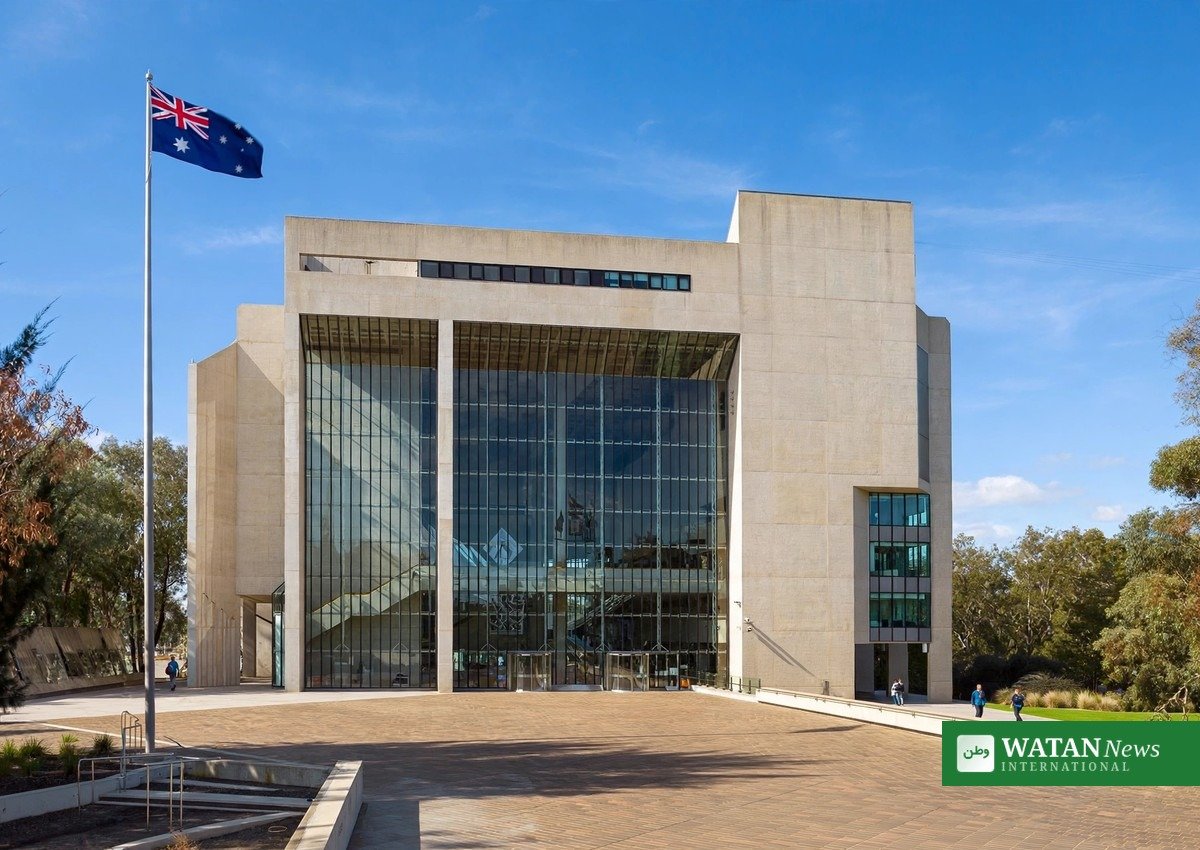
Australia’s High Court has dismissed an appeal by MACH Energy, confirming that the approval for the Mount Pleasant coal mine expansion stays invalid. The 3-2 split ruling, handed down on Wednesday, is the nation’s first climate change case to reach the country’s highest court — and it opens the door for environmental lawyers to challenge other fossil fuel approvals on the same legal ground.
The court held that the NSW Independent Planning Commission had failed in a mandatory legal duty: it never properly considered the scope 3 emissions released when the mine’s exported coal is burned overseas. That failure, the majority found, made the 2022 approval of the expansion unlawful.
Key facts
- The ruling: On Wednesday 7 October 2026, Australia’s High Court dismissed MACH Energy’s appeal in a 3-2 split decision. The NSW Court of Appeal’s 2025 finding — that the Mount Pleasant coal mine expansion approval was unlawful — stands.
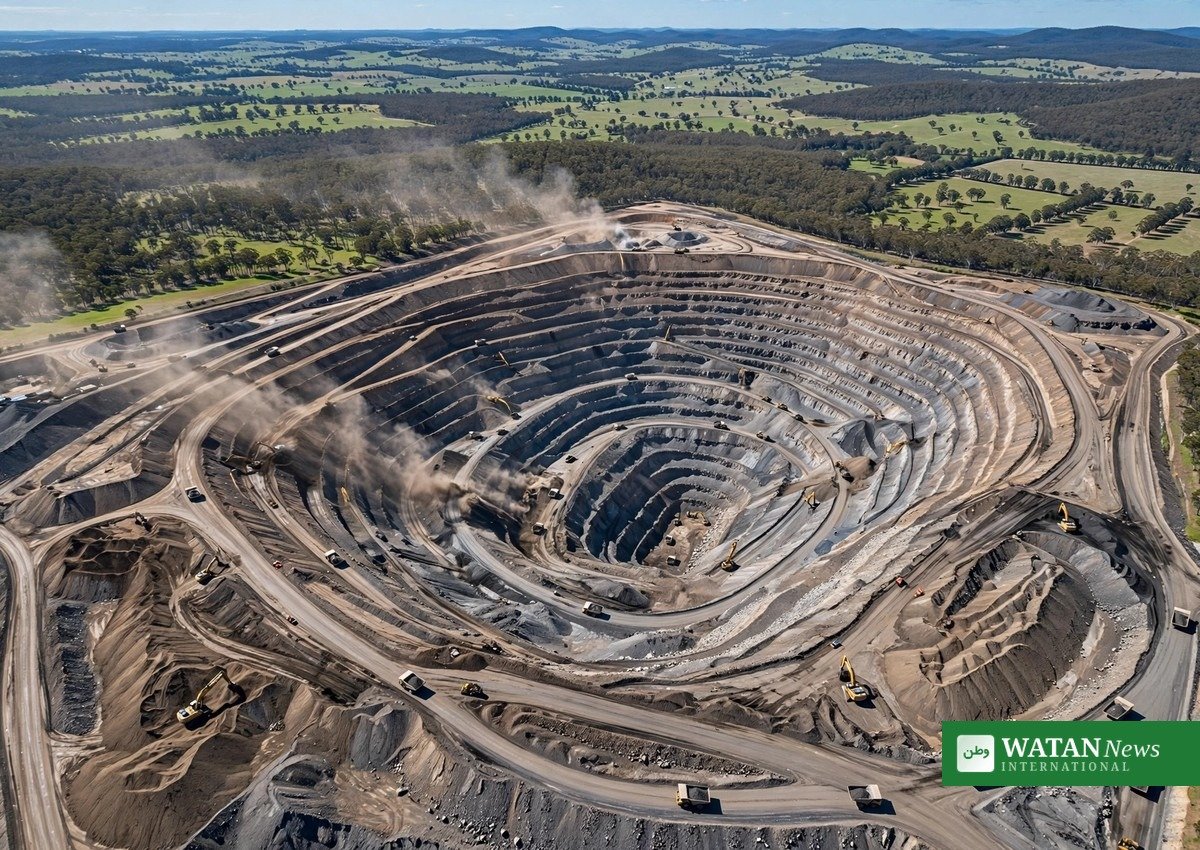
- The project: A 22-year extension of the open-cut Mount Pleasant mine near Muswellbrook in the NSW Hunter Valley, seeking to nearly double yearly output to 21 million tonnes and run to 2048. The mine employs about 500 full-time equivalent workers.
- The legal flaw: The NSW Independent Planning Commission failed to consider conditions to minimise scope 3 emissions — the greenhouse gases released when exported coal is burned abroad — as NSW planning law requires.
- Who fought it: The Denman Aberdeen Muswellbrook Scone Healthy Environment Group (DAMS HEG), led by Wendy Wales and Tony Lonergan and represented by environmental law firm Johnson Legal — four years across three court levels.
- What next: The proposal returns to the NSW Land and Environment Court. As a stop-gap, NSW has allowed the mine to keep operating until 2032 with slightly increased production.
Why the Mount Pleasant coal mine approval failed
In its summary, the court said that “by majority, the High Court held the (planning) commission had failed to consider imposing conditions to minimise to the greatest extent practicable all greenhouse gas emissions, specifically ‘scope three’ emissions as required (by law).” In other words, planners cannot wave through a project while ignoring the climate damage caused when its coal is burned overseas.
In his reasons, Justice James Edelman cited expert Professor Penny Sackett’s estimate that the project, if it went ahead, would rank among the 650 largest greenhouse gas-emitting projects in the world. The court suggested that valid approvals might involve conditions such as refining coal before export, selling only to Paris Agreement signatories, or requiring expected scope 3 emissions to be offset.
A four-year fight by Hunter Valley residents
The case was brought by DAMS HEG, a grassroots community group from the Upper Hunter Valley. President Wendy Wales, a retired science teacher who lives on a farm adjacent to the mine, and her partner Tony Lonergan launched the first challenge after the state planning commission approved the expansion in 2022. They lost at the NSW Land and Environment Court, then won unanimously at the NSW Court of Appeal in July 2025 — before MACH Energy took the fight to the High Court.
Reacting to the final judgment, Wales said: “We have experienced the change from a country town with a mine over the hill, to a town that is now encircled by mines. Especially when the temperature rises, that town bears that burden straight up.” Elaine Johnson of Johnson Legal, who represented the group, said the decision “will be studied around the world.”
Lawyers see a legal template to halt other coal approvals
The ruling is binding on the NSW planning system and is expected to serve as a template in other states and in future climate litigation across Australia. Reporting on the judgment notes that it directly affects 17 coal proposals currently in the NSW planning pipeline — among them Glencore’s Hunter Valley Operations extension, the state’s largest-ever coal proposal, whose assessment also omitted scope 3 emissions.
NSW Greens MP Sue Higginson, a former public interest environmental lawyer, has long argued that exported emissions cannot be excluded from planning decisions — after the 2025 Court of Appeal ruling she called it “a significant legal breakthrough” and said “the status quo of setting emissions reduction targets domestically and then exporting the climate crisis is now broken.” With Wednesday’s judgment, environmental lawyers have a High Court precedent they can cite when urging courts to block approvals that ignore downstream emissions.
Industry backlash and government reaction
The mining industry reacted with alarm. Minerals Council chief executive Tania Constable said “mines may have to work out how to reduce emissions from their export customers, or Scope 3 emissions,” and warned that investors in Australia’s resources sector would carefully review the judgment’s ramifications for other projects. A MACH Energy spokesman said the mine’s workers had lived with fear and uncertainty for too long.
Federal Environment Minister Murray Watt described the outcome as a “novel decision” that does not automatically affect federal environmental approvals, noting it concerned a NSW government decision under NSW legislation. The federal opposition called on state and federal governments to intervene so trading partners remain certain Australia will stay a top coal exporter. NSW Natural Resources Minister Courtney Houssos sought to calm the sector, saying: “It does not mean the expansion cannot be reconsidered or that coal mine extensions cannot be approved.”
Conclusion
The High Court’s decision on the Mount Pleasant coal mine is a watershed in Australian climate litigation: for the first time, the country’s highest court has ruled that planning authorities must account for the climate consequences of coal burned overseas. Read more on Watan News’ climate coverage.
Whether the ruling becomes a pipeline of courtroom defeats for fossil fuel projects now depends on how aggressively environmental lawyers deploy it — and on whether governments rewrite planning laws before the courts do it for them. The full story is also available at watannews.dk.
Frequently Asked Questions
What did the High Court decide?
In a 3-2 split ruling on 7 October 2026, the High Court dismissed MACH Energy’s appeal, confirming that the NSW planning commission’s 2022 approval of the Mount Pleasant coal mine expansion was unlawful because it failed to consider scope 3 emissions.
What are scope 3 emissions?
Scope 3 emissions are indirect greenhouse gas emissions from activities outside a project’s direct control — here, the gases released when the mine’s exported coal is burned by customers overseas. They make up the vast bulk of a coal export project’s climate impact.
Who brought the legal challenge?
The Denman Aberdeen Muswellbrook Scone Healthy Environment Group (DAMS HEG), a Hunter Valley community organisation led by Wendy Wales and Tony Lonergan and represented by environmental law firm Johnson Legal. The case ran for more than four years through three levels of court.
What happens to the Mount Pleasant expansion now?
The 22-year expansion proposal returns to the NSW Land and Environment Court, which will decide whether the matter must go back to the Independent Planning Commission for a fresh, lawful assessment. In the meantime, NSW has allowed the mine to operate until 2032 with slightly increased production.
How will the ruling affect other coal projects in Australia?
The judgment sets a binding precedent in the NSW planning system and directly affects 17 coal proposals in the state’s pipeline. Environmental lawyers say the reasoning can be used to challenge other fossil fuel approvals that ignore downstream emissions, including Glencore’s Hunter Valley Operations extension.
Author

usmanjaved13132@gmail.com
Related Posts

‘Medicare for All’ Message Resonates With Voters Facing High Medical Bills
- 0
- 831 words
A record 66% of Americans favor Medicare for All in KFF’s September 2026 poll — the highest since polling began in 2016...
Read out all
عالمی پائیداری سفیر پروگرام کا اختتام: تونس فورم میں 2026 کے سفیر فارغ التحصیل ہوں گے
عالمی پائیداری فورم 2026 تیونس میں اختتام پذیر ہو رہا ہے، جہاں سفیر فارغ التحصیل ہوں گے۔ پروفیسر اُجول انو چودھری اور...
Read out all
Global Sustainability Ambassadors to Graduate at Tunis Forum as 2026 Programme Concludes
- 0
- 496 words
The Global Sustainability Forum 2026 concludes in Tunis with ambassadors graduating, led by Prof Ujjwal Anu Chowdhury and the Global Goals Connections...
Read out all
Worldwide Fruit kåret til Climate Champion of the Year ved FPC Fresh Awards 2026
- 0
- 727 words
Worldwide Fruit er kåret til Climate Champion of the Year ved FPC Fresh Awards 2026 i London for sin Model Farm-tilgang til...
Read out all
ورلڈ وائیڈ فروٹ کو ایف پی سی فریش ایوارڈز 2026 میں کلائمیٹ چیمپئن آف دی ایئر کا اعزاز
ورلڈ وائیڈ فروٹ کو لندن میں ایف پی سی فریش ایوارڈز 2026 میں کلائمیٹ چیمپئن آف دی ایئر کا اعزاز ملا، جو...
Read out all
Worldwide Fruit Named Climate Champion of the Year at 2026 FPC Fresh Awards
- 0
- 708 words
Worldwide Fruit has been named Climate Champion of the Year at the 2026 FPC Fresh Awards in London for its Model Farm...
Read out all