- 0
- 655 words
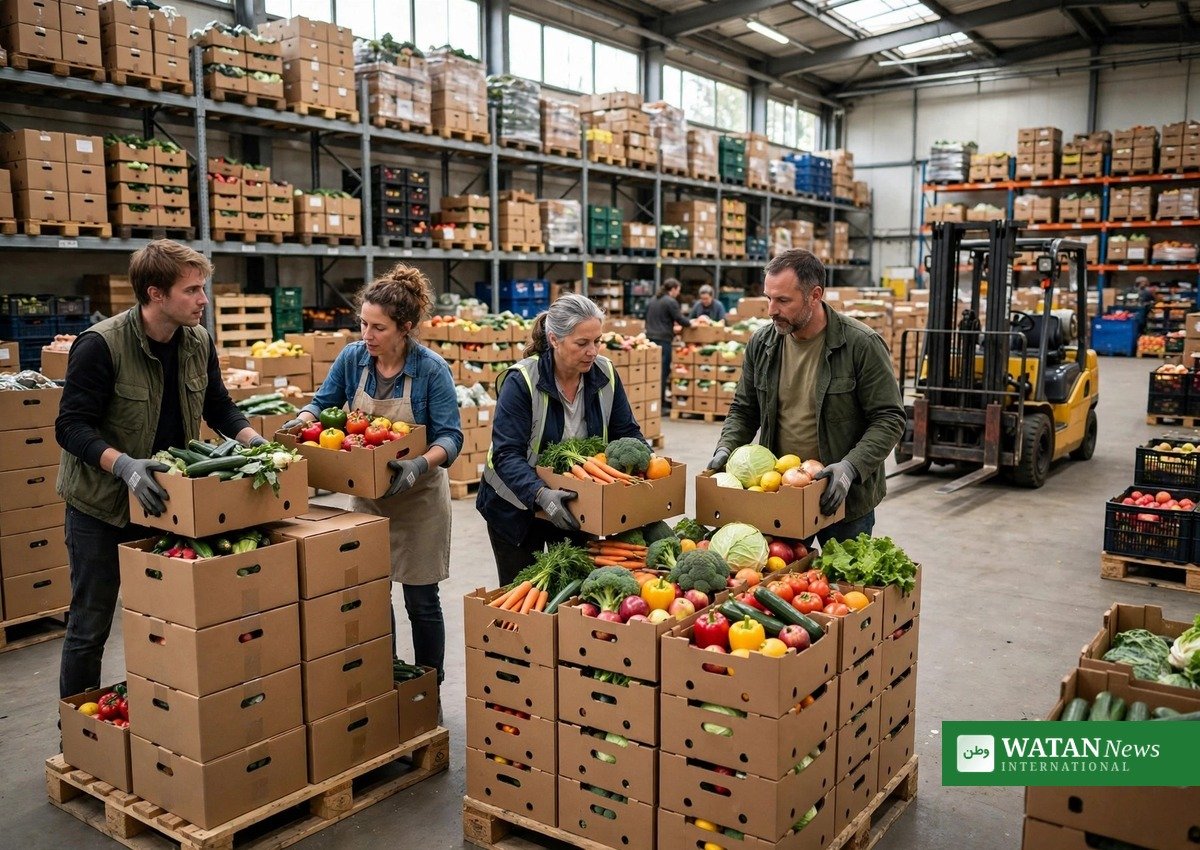
WASHINGTON — Verra, the organisation behind the Verified Carbon Standard (VCS) programme, announced on 6 October 2026 that it has approved the first carbon credits under its methodology for reducing food loss and waste. The credits were generated by the Brightly – Reducing Food Loss and Waste project in the United States, which has avoided about 720,000 tonnes of carbon dioxide emissions by rescuing surplus food and getting it to people before it reaches landfills.
What the first issuance covers
The issuance totals 721,649 Verified Carbon Units, according to carbon-market reporting on the announcement — each unit corresponding to roughly one tonne of avoided emissions. According to the project announcement, 3.1 billion pounds of qualifying food rescue — counted after historical baselines and project-related emissions were subtracted — generated the credits. The methodology, VM0046 Methodology for Reducing Food Loss and Waste, v1.0, sets out how to measure the greenhouse gas emissions avoided when food that would otherwise be lost or wasted is kept in the human food system.
The project, listed as Verra Project 4711, was developed by the Boston-based food waste and climate solutions company Brightly. It works with 29 independent food rescue organisations across the United States, including Feeding America. According to Verra, the participating organisations rescued 15.3 billion pounds of surplus food between March 2020 and December 2023. SCS Global Services served as the independent validation and verification body for the project.
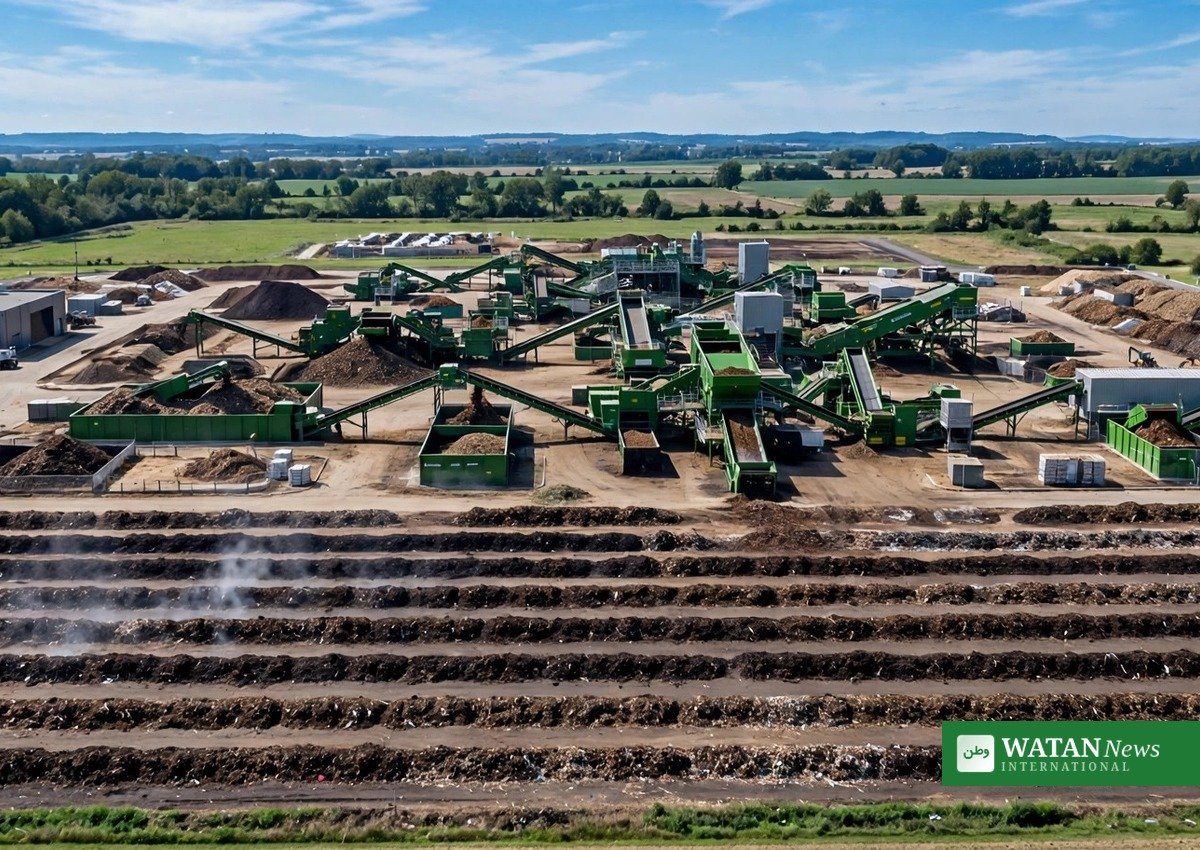
Composting keeps organic waste out of landfills, where it would release methane. VM0046 measures the emissions avoided when rescued food stays in the human food system.
Why rescued food counts as climate action
Food loss and waste is responsible for an estimated 8–10% of global greenhouse gas emissions, according to the project announcement — much of it methane released when food rots in landfills. Preventing that waste therefore cuts emissions at the source while also feeding people.
“Food waste is one of the most overlooked sources of methane, and preventing it is one of the most solvable issues,” Verra CEO Mandy Rambharos said, adding that the first issuance proves keeping food out of landfills can be measured with integrity and that carbon markets can move finance to the organisations doing the work.
New funding for food banks
Brightly says most of the net proceeds from the sale of the credits will go back to the participating food banks and food rescue organisations, creating what the company describes as a loop in which climate finance funds even more food rescue.
“This issuance transforms the extraordinary work of our food rescue partners into verified climate impact and a new source of funding to help them do even more,” said Andy Levitt, founder and CEO of Brightly.
What it means for carbon markets
According to carbon-market reporting, the issuance opens a new credit category built on avoided methane emissions — and shows that a distributed, nonprofit-run activity such as food rescue can be aggregated, verified and issued at scale.
Carbon credits remain debated: researchers have found that some projects delivered less climate benefit than promised. Under the VM0046 pathway, however, the project required independent validation by SCS Global Services followed by Verra’s own review and approval before any units were issued.
More coverage of climate action is available in Watan News’ climate section.
FAKTA: Key facts
- Approver: Verra — first credits under the Verified Carbon Standard food loss and waste methodology (VM0046, v1.0); announced 6 October 2026
- Project: Brightly – Reducing Food Loss and Waste (Verra Project 4711), United States; developed by Boston-based Brightly
- Issuance: 721,649 Verified Carbon Units; about 720,000 tonnes of CO2 emissions avoided
- Qualifying rescue: 3.1 billion pounds of food rescue counted toward the issuance after historical baselines and project emissions
- Scale: 29 independent food rescue organisations, including Feeding America; 15.3 billion pounds of surplus food rescued between March 2020 and December 2023
- Verification: independently validated and verified by SCS Global Services before Verra’s review and approval
- Context: food loss and waste is estimated to cause 8–10% of global greenhouse gas emissions
- Proceeds: most net proceeds from credit sales go back to the participating food banks and rescue organisations
Author

usman2344913@gmail.com
Related Posts

Girl Urges World Leaders to Act on Climate Change Threat to Her Country
- 0
- 1,031 word
Thirteen-year-old Melelusi Sokotia stood before world leaders in Funafuti, Tuvalu, with a simple plea: act on climate change so her generation can...
Read out all
2026 ڈافنی کاروانا گالیزیا صحافتی انعام: دس تحقیقات شارٹ لسٹ، ماحولیاتی رپورٹنگ بھی شامل
یورپی پارلیمنٹ نے 2026 کے ڈافنی کاروانا گالیزیا صحافتی انعام کے لیے دس تحقیقات شارٹ لسٹ کر لی ہیں، جن میں ڈیٹا...
Read out all
Ten investigations shortlisted for 2026 Daphne Caruana Galizia Journalism Prize
- 0
- 643 words
The European Parliament has shortlisted ten investigations — including probes into data centres' environmental toll and green investment funds — for the...
Read out all
ICT Police Arrest Two ‘Sheru Gang’ Members, Recover Six Stolen Motorcycles
- 0
- 509 words
Islamabad Capital Territory Police have arrested two alleged members of the 'Sheru Gang' and recovered six stolen motorcycles worth millions of rupees....
Read out all
Canada støtter 162 energieffektive boligprojekter med 66,3 mio. dollar
- 0
- 462 words
Den canadiske regering investerer 66,3 mio. dollar i at gøre boliger grønnere, billigere at drive og mere behagelige — og støtter 162...
Read out all
کینیڈا کا 162 توانائی بچانے والے گھروں کے منصوبوں کے لیے 66.3 ملین ڈالر کا اعلان
- 0
- 1 word
کینیڈا کی حکومت گھروں کو ماحول دوست، کم خرچ اور آرام دہ بنانے کے لیے 66.3 ملین ڈالر لگا رہی ہے —...
Read out all