- 0
- 593 words
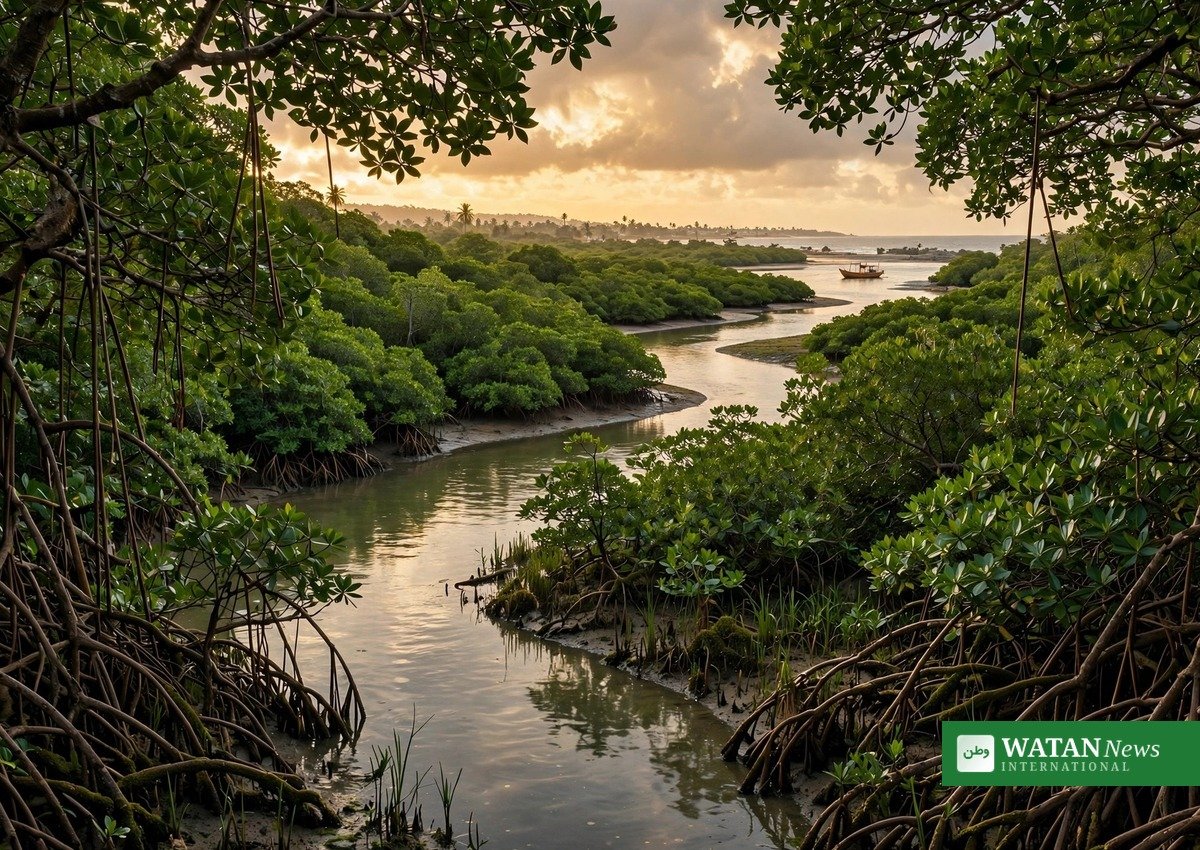
The Embassy of Ireland has committed €1.5 million to a three-year project that will rehabilitate 50 hectares of degraded mangrove forests and restore 20 hectares of coastal coconut plantations in Liberia’s south-eastern counties of Sinoe and Maryland — a move officials say will shield coastal communities from erosion and rising seas while improving thousands of livelihoods.
The initiative, titled “Restoring Coastal Resilience: Community-led Mangrove Conservation and Sustainable Livelihoods in South-East Liberia,” was officially launched on Wednesday, 30 September 2026, at Sinkor Palace in Congo Town, Monrovia.
It will be implemented by the Society for the Conservation of Nature of Liberia (SCNL) with technical support from the Royal Society for the Protection of Birds (RSPB), and will run from September 2026 through August 2029. Around 3,500 people are expected to benefit directly, according to SCNL Landscape Manager James P. Mulbah.
What the mangrove restoration project will do
At the heart of the programme is the rehabilitation of 50 hectares of mangrove forests — widely regarded as nature’s first line of defence against coastal erosion and storm surges — alongside 20 hectares of coastal coconut plantations across targeted communities.
Mangrove ecosystems also serve as critical breeding grounds for fish and other marine life, making them essential to both biodiversity and local food security.
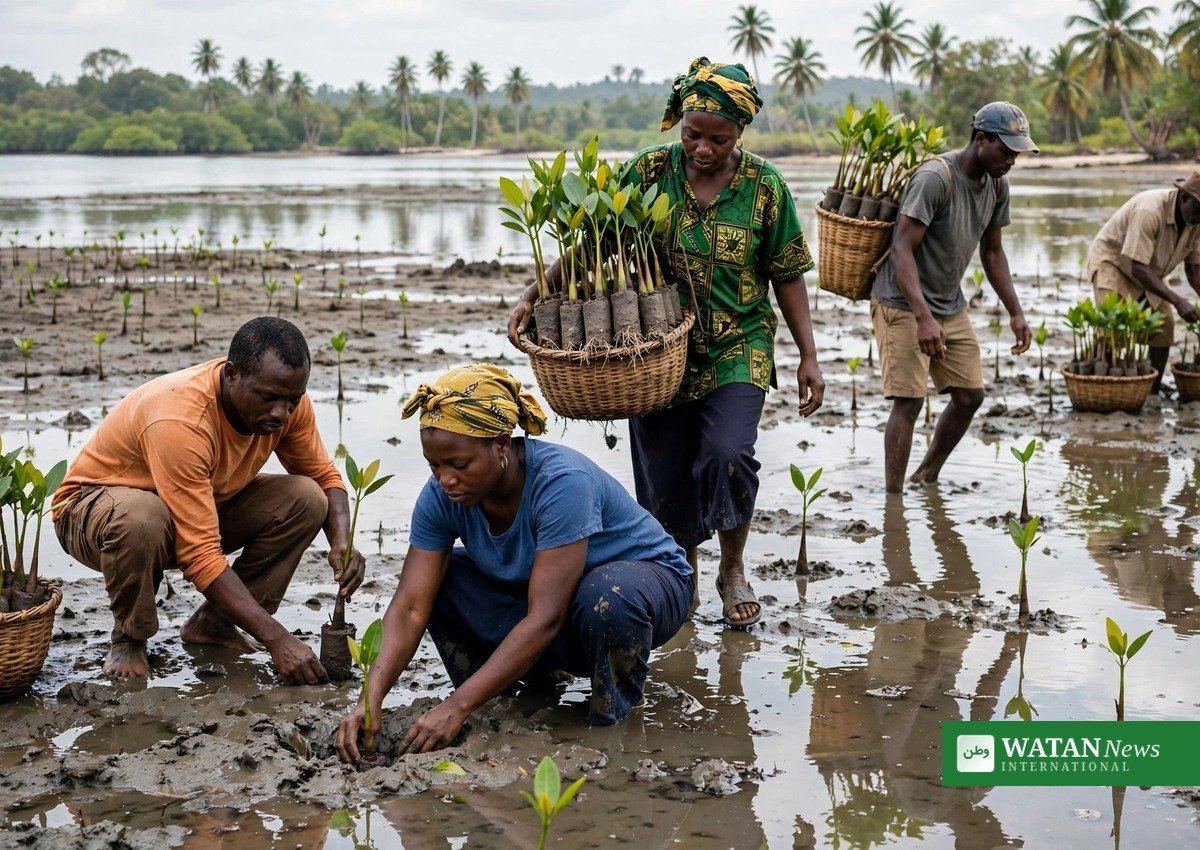
The new effort builds directly on that earlier pilot. Speaking at the launch, Ireland’s ambassador to Liberia noted that a previous SCNL pilot in Sinoe County had successfully established more than 20,000 mangrove seedlings in community nurseries — proof, he said, that local institutions can deliver lasting results when they are trusted and funded.
A strong emphasis has been placed on inclusion, with women expected to occupy at least 40 per cent of project participation and leadership roles.
Mangrove restoration that feeds livelihoods, not just coastlines
Beyond restoring ecosystems, the project is designed to strengthen household incomes and reduce pressure on natural resources. Fisherfolk in participating communities will receive approved fishing nets, boat engines and energy-efficient fish-drying facilities aimed at more sustainable fishing practices and higher earnings.
Women will benefit through strengthened Village Savings and Loan Associations (VSLAs) and additional livelihood support programmes, while nature clubs in ten schools will aim to build environmental awareness and conservation leadership among the next generation.
The ambassador said the initiative aligns with both Liberia’s national development priorities and the Embassy of Ireland’s 2024–2028 strategy for Liberia, adding that the environmental data generated could support the country’s emerging carbon market. “By investing in people, we protect coastlines,” he said.
At the launch event, the Wild Chimpanzee Foundation’s country director called for greater public recognition of conservation’s contribution to national development, noting that conservation groups play a growing role in protecting biodiversity, supporting rural livelihoods and helping communities adapt to climate change.
FAKTA: Ireland’s €1.5M Liberia mangrove project
- Funding: €1.5 million from the Embassy of Ireland
- Restoration targets: 50 hectares of mangrove forests and 20 hectares of coastal coconut plantations
- Duration: September 2026 to August 2029
- Location: Sinoe and Maryland counties, south-east Liberia
- Implementing partner: Society for the Conservation of Nature of Liberia (SCNL), with technical support from the RSPB
- Direct beneficiaries: around 3,500 people, with women in at least 40 per cent of participation and leadership roles
For the coastal residents of Sinoe and Maryland counties, the initiative offers a pathway toward stronger livelihoods, healthier ecosystems and greater resilience in the face of mounting climate threats. Read more of Watan News International’s reporting in our climate section.
Author

usman2344913@gmail.com
Related Posts
Bukarest er vært for femte Climate Change Summit den 14. oktober
- 0
- 521 words
Den femte Climate Change Summit åbner den 14. oktober 2026 i Bukarests parlamentspalads og samler mere end 1.000 eksperter, erhvervsledere, internationale institutioner...
Read out all
بخارسٹ میں پانچویں کلائمیٹ چینج سمٹ: 14 اکتوبر کو ایک ہزار سے زائد شرکاء کی آمد متوقع
بخارسٹ کے محل پارلیمنٹ میں 14 اکتوبر 2026 کو پانچویں کلائمیٹ چینج سمٹ کا آغاز ہو رہا ہے، جہاں وسطی اور مشرقی...
Read out all
Bucharest Hosts Fifth Climate Change Summit at the Palace of Parliament on October 14
- 0
- 522 words
The fifth Climate Change Summit opens at Bucharest’s Palace of Parliament on 14 October 2026, bringing together more than 1,000 experts, business...
Read out allSouth Korea Threatens Legal Action Over Fuel Shipments to Russia
- 0
- 790 words
South Korea has announced it will pursue legal action if investigations confirm that fuel shipments from its ports to Russia have violated...
Read out all
EU åbner tilmelding til klimadagen for uddannelse 2026 om generationsretfærdighed
- 0
- 597 words
EU har åbnet tilmeldingen til Education for Climate Day 2026 den 22. oktober: generationsretfærdighed og klimauddannelse i centrum.
Read out all
موسمیاتی تعلیم کا یورپی دن: 22 اکتوبر کے پروگرام کی رجسٹریشن شروع، نسل در نسل انصاف موضوع
یورپی یونین کے موسمیاتی تعلیم کے اتحادیے نے 22 اکتوبر 2026 کے پروگرام کی رجسٹریشن شروع کر دی — اس سال کا...
Read out all