- 0
- 1,018 word
VALLETTA — The World Travel and Tourism Council’s 26th Global Summit opened in Valletta, Malta, on Wednesday, bringing together more than 1,000 delegates — including over 200 chief executives and 60 government officials — for three days of talks on the future of global travel, with sustainable growth firmly on the agenda.
The summit, held at the Mediterranean Conference Centre in the Maltese capital, runs from 7 to 9 October and is widely described as the industry’s most important annual gathering. WTTC Chairman Manfredi Lefebvre called it the “Davos of tourism”, with the flagship event moving to a different host country each year.
FAKTA
- What: The 26th WTTC Global Summit, 7–9 October 2026, Valletta, Malta
- Who: More than 1,000 delegates, 200+ travel and tourism chief executives, 60 government officials, 100+ speakers
- Theme: Innovation, resilience, sustainability and long-term growth
- Europe forecast: Travel and tourism to grow 3.1% in 2026, outpacing the wider economy
- Malta: Tourism forecast to contribute $4.9 billion in 2026; sector growth of 16.8% in 2025 was the highest in Europe
The summit at a glance
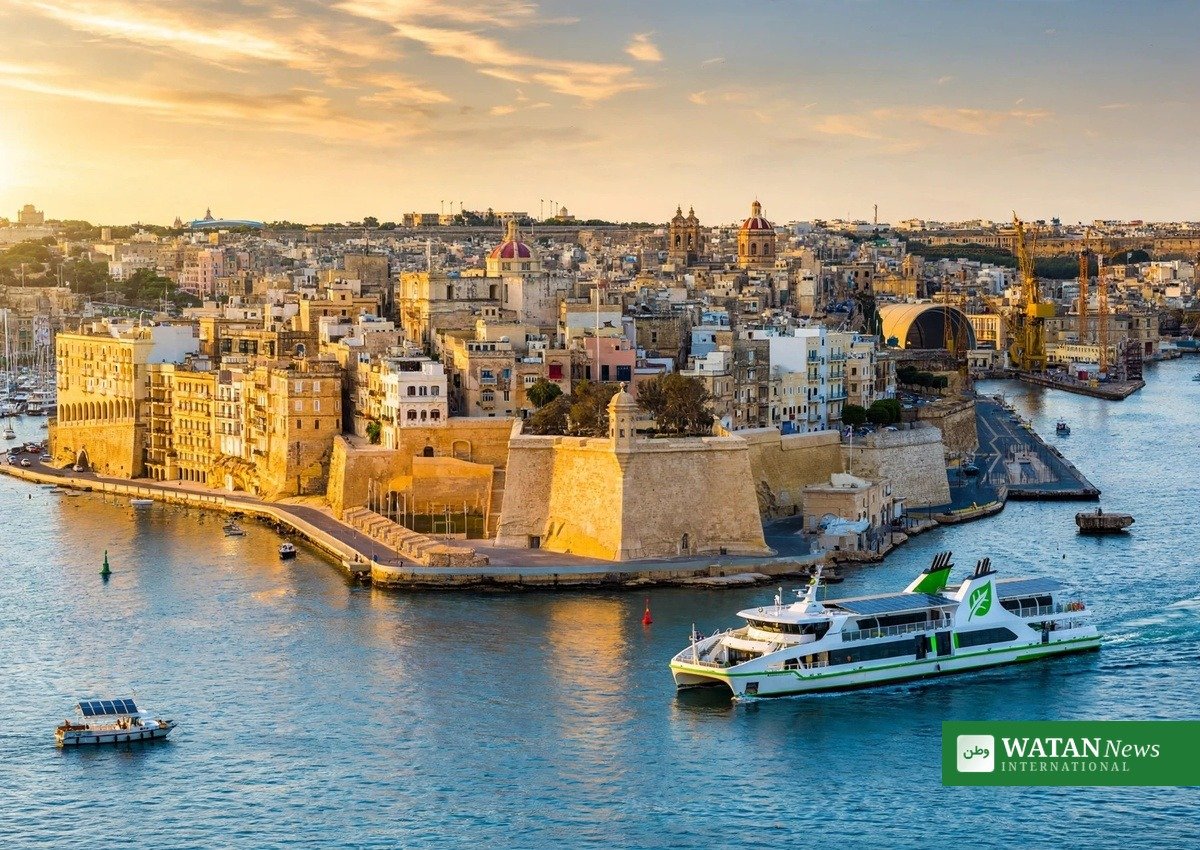
WTTC President and CEO Gloria Guevara said the three-day event unites influential leaders from the public and private sectors to shape the sector’s global trajectory. Valletta, a UNESCO World Heritage City, was chosen as host for its cultural significance and its position in the Mediterranean.
Speaking at the opening press conference, Guevara said travel and tourism “continues to demonstrate remarkable resilience”, pointing to the sector’s recovery and continued outperformance of the wider global economy.
Malta Tourism Authority CEO Carlo Micallef said the country aims to play a meaningful role in global tourism, while Tourism Minister Jo Etienne Abela said the summit brought together the industry’s “movers and shakers” to discuss not only economic growth but also human experiences.
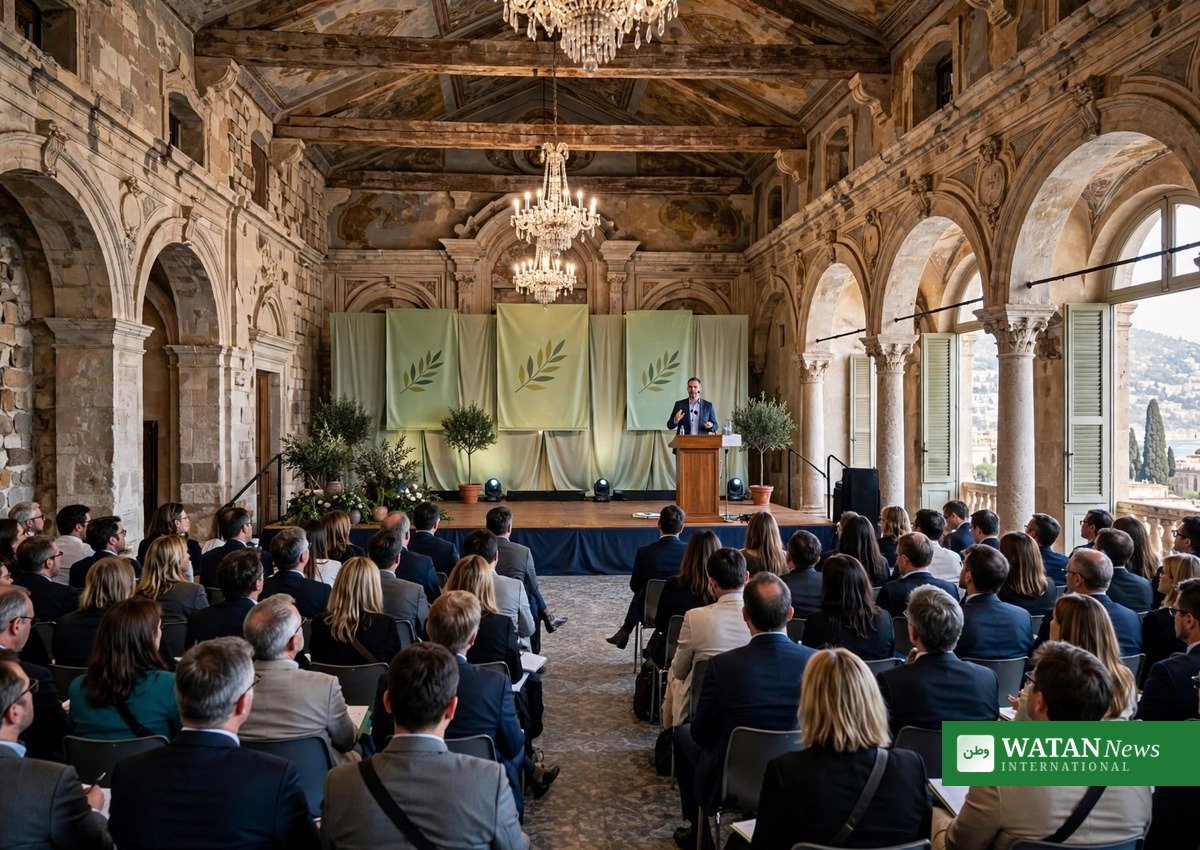
Delegates at the WTTC Global Summit 2026 in Valletta, Malta, where sustainable growth tops the agenda.
The numbers behind the push
At the opening press conference, WTTC released its latest economic outlook, underlining why sustainable growth is now the industry’s central conversation:
- Europe: Travel and tourism is forecast to grow 3.1% in 2026, exceeding the 2.6% growth recorded in 2025. International visitor spending is projected to rise 5.8%, while leisure travel spending is forecast to grow 3.1% and business travel spending 4.2%. The sector currently supports around one in ten jobs across Europe.
- Global: Travel and tourism contributed $11.6 trillion to the economy last year — 9.8% of global GDP — and supported 366 million jobs, nearly one in every nine jobs worldwide. Despite continued geopolitical and economic uncertainty, the sector is forecast to grow 2.5% in 2026, outpacing the global economy.
Guevara said further figures on the European market will be released during the summit.
Malta’s bet on sustainable tourism
Malta was selected to host after recording the strongest tourism performance in Europe. WTTC’s Economic Impact Research shows the sector is forecast to contribute $4.9 billion to Malta’s economy in 2026 — 16.9% of the country’s GDP — and to support more than one in five jobs.
In 2025, Malta recorded the highest annual increase in travel and tourism’s GDP contribution among all European economies, growing 16.8% against a European average of 2.6%. International arrivals rose from 2.75 million in 2019 to four million in 2025, led by visitors from the United Kingdom, Italy and Poland, while international visitor spending is projected to exceed $4 billion in 2026.
Looking further ahead, WTTC forecasts that travel and tourism will contribute $6.5 billion to Malta’s economy by 2036 and support more than 90,000 jobs — nearly a quarter of all employment in the country.
Micallef said Malta’s long-term strategy is shifting towards high-value, year-round tourism that benefits local communities while preserving the country’s distinct identity — a model that sustainability experts increasingly hold up as the template for destination-led green travel.
Sustainability moves to the centre
Malta Tourism Authority Chairman Charles Mangion said destinations must rethink how they attract visitors while balancing tourism growth with responsibility. Tourism, he said, has been central to Malta’s development — creating jobs while allowing visitors to experience Maltese culture and communities.
Mangion named evolving consumer expectations, geopolitical uncertainty, changing travel preferences and climate change as the key challenges facing the sector, and said long-term thinking is needed so tourism delivers meaningful benefits to communities and the people who give destinations their character.
The sustainability thread runs through the summit’s stated focus on innovation, resilience, sustainability and long-term growth — a shift that mirrors the wider industry trend of embedding environmental and social standards into mainstream destination management rather than treating them as separate initiatives.
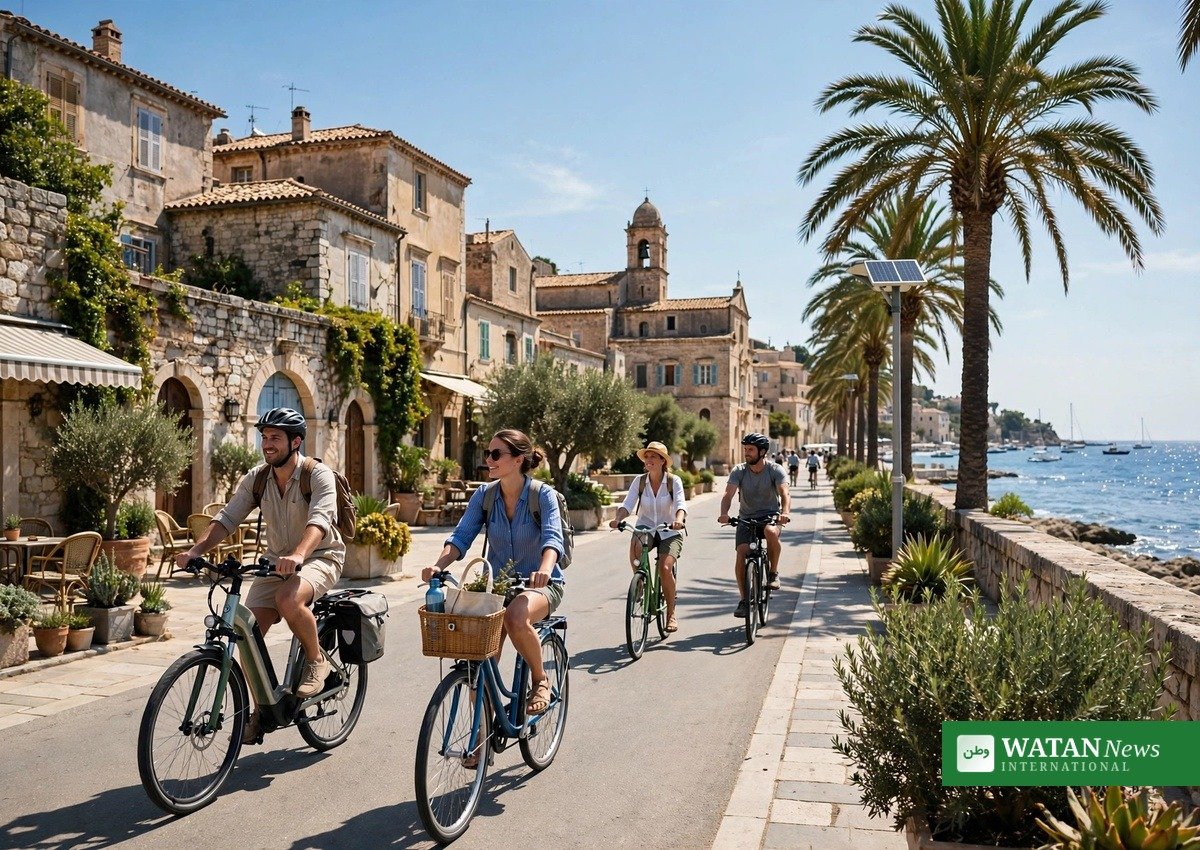
Low-carbon travel in the Mediterranean: cycling tourists on a coastal promenade.
Related reading
World’s Most Beautiful Travel Destinations 2026: From Santorini to AlUla
What happens next
The summit continues through Friday, 9 October, with sessions on investment, resilience and sustainable destination development. Further WTTC data on the European market is expected before the closing ceremony, and tourism ministers are due to hold bilateral talks on the sidelines.
Conclusion
With Europe’s travel sector set to outgrow the wider economy in 2026 and global tourism supporting one in nine jobs, Malta’s summit puts a spotlight on the industry’s biggest question: how to keep growing without eroding the destinations and communities that make travel worth doing. The answers negotiated in Valletta this week will shape how sustainable the next decade of travel becomes.
Frequently asked questions
What is the WTTC Global Summit?
It is the annual flagship gathering of the World Travel and Tourism Council, bringing together chief executives, government leaders, investors and journalists. The 26th edition is taking place in Valletta, Malta, from 7 to 9 October 2026.
How fast is European tourism expected to grow in 2026?
WTTC forecasts 3.1% growth for Europe’s travel and tourism sector in 2026, up from 2.6% in 2025 and ahead of the wider economy. International visitor spending is projected to rise 5.8%.
Why was Malta chosen to host?
Malta recorded the strongest tourism performance in Europe in 2025, with the sector growing 16.8% — the highest annual increase in travel and tourism’s GDP contribution among European economies.
What does the summit mean for sustainable travel?
Sustainability is one of the summit’s core themes. Malta’s strategy — high-value, year-round tourism that benefits local communities while preserving its identity — is presented as a model for balancing growth with responsibility in the face of climate change and overtourism pressures.
Author

usman2344913@gmail.com
Related Posts
Thursday briefing: Why young people are taking to the streets across France
- 0
- 784 words
Tens of thousands of young people and adults have taken to the streets across France to protest the state of the nation’s...
Read out all
Klimamestre 2026: Her er personerne, der omsætter klimaplaner til målbar handling
- 0
- 1,143 word
Fra AGRA's Climate and Productivity Champion-pris i Kigali til Dane Countys 73 klimamestre og Ohios 2026 Clean Energy Champions Awards: en forklaring...
Read out all
موسمیاتی چیمپئن 2026: آب و ہوا کے وعدوں کو عمل میں بدلنے والے افراد اور ادارے
کیگالی میں ای جی آر اے کے کلائمیٹ اینڈ پروڈکٹیویٹی چیمپئن ایوارڈ سے ڈین کاؤنٹی کے 73 موسمیاتی چیمپئنز اور اوہائیو کی...
Read out all
Climate Champions 2026: The People Turning Climate Promises Into Measurable Action
- 0
- 1,189 word
From AGRA's Climate and Productivity Champion award in Kigali to Dane County's 73 climate champions and Ohio's 2026 Clean Energy Champions Awards:...
Read out all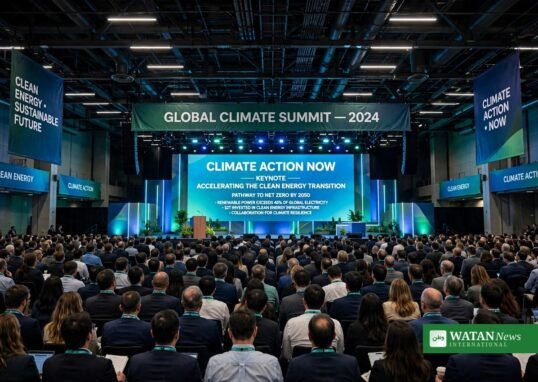
Bukarest er vært for femte Climate Change Summit den 14. oktober
- 0
- 521 words
Den femte Climate Change Summit åbner den 14. oktober 2026 i Bukarests parlamentspalads og samler mere end 1.000 eksperter, erhvervsledere, internationale institutioner...
Read out all
بخارسٹ میں پانچویں کلائمیٹ چینج سمٹ: 14 اکتوبر کو ایک ہزار سے زائد شرکاء کی آمد متوقع
بخارسٹ کے محل پارلیمنٹ میں 14 اکتوبر 2026 کو پانچویں کلائمیٹ چینج سمٹ کا آغاز ہو رہا ہے، جہاں وسطی اور مشرقی...
Read out all