- 0
- 1,007 word
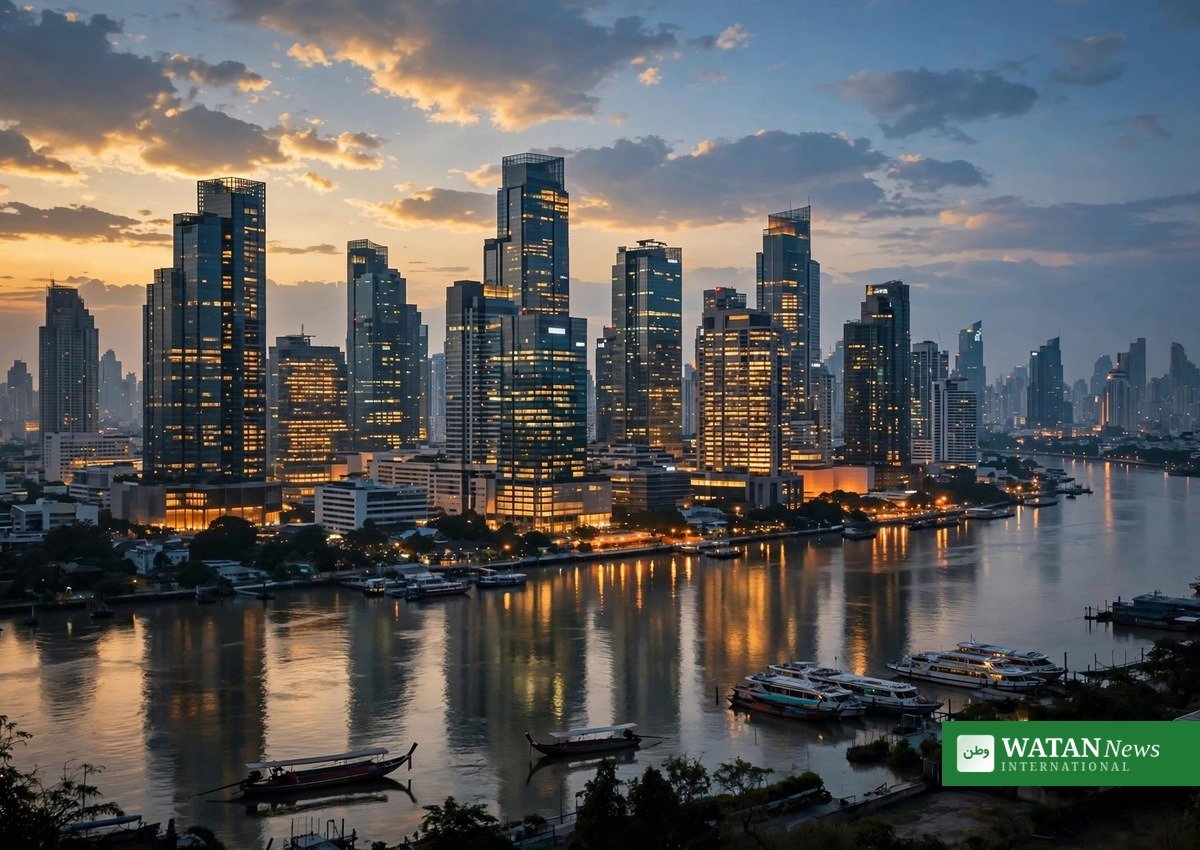
Finance ministers, central bankers and development officials from around the world opened the annual meetings of the International Monetary Fund and the World Bank in Bangkok on Monday, October 12, facing what is being described as the biggest energy supply shock in history, record levels of government debt and rising interest rates. The gathering — running through October 18 and held outside Washington for the first time in three years — opened amid a widening Middle East war that has disrupted energy markets and complicated inflation management worldwide, with opening statements from IMF chief Kristalina Georgieva and World Bank President Ajay Banga focused on growth and artificial intelligence.
FAKTA
- The IMF and World Bank 2026 Annual Meetings opened in Bangkok, Thailand, on Monday, October 12, and run through October 18
- The IMF World Economic Outlook is due on Tuesday, October 13
- The war in the Middle East, now in its eighth month, has disrupted oil supplies and been described as the largest energy supply shock in history
- Group of Seven countries agreed to release 100 million barrels of diesel and crude oil from emergency reserves under US pressure
- US Treasury Secretary Scott Bessent is skipping the meetings, sending senior officials in his place, according to US officials
- IMF chief Kristalina Georgieva has warned that energy costs, heavy public debt and AI investment risks are testing the global economy
- The UN Development Programme warns developing countries face conditions nearing those of the pandemic-era debt crisis
IMF-World Bank Bangkok meetings: the agenda
The meetings bring together policymakers from governments, financial institutions, businesses and civil society to discuss the global economy, growth, inflation, financial stability, artificial intelligence and climate challenges. According to reports ahead of the meetings, the dominant questions will be how to maintain economic growth while managing inflation, financing public services and coping with record public debt that limits governments’ ability to respond to shocks.
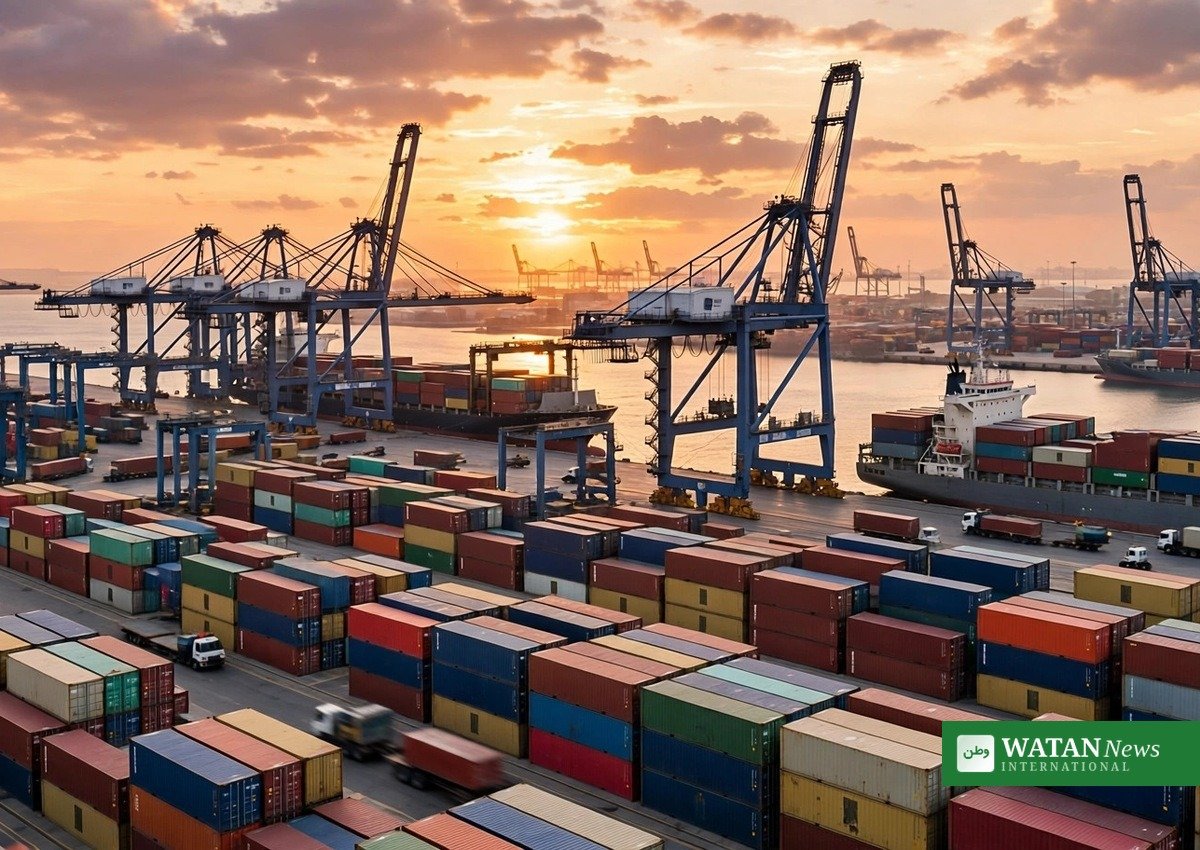
The closure of the Strait of Hormuz has cut off a route through which roughly one-fifth of the world’s oil supply normally passes, exposing the vulnerability of global energy markets to conflict in the Gulf. Higher oil prices are increasing costs for businesses, households and governments, and could force central banks to keep monetary policy restrictive for longer.
Energy shock and the diesel reserve release
World Bank President Ajay Banga told Reuters that while global growth had held up better than initially feared when the Strait of Hormuz was closed, pressures were building again. Soaring diesel prices, rising fertilizer prices and a looming “super” El Niño weather effect — which experts say could cause hundreds of thousands of heat-related deaths — are all hitting at once.
Group of Seven countries have agreed to release 100 million barrels of diesel and crude oil from emergency reserves, under pressure from US President Donald Trump, who is keen to see lower fuel prices before November elections that could see his Republican Party lose control of Congress, Reuters reported.
Georgieva’s warning and the AI question
IMF Managing Director Kristalina Georgieva warned in a speech in Singapore ahead of the meetings that a negative energy-supply shock, alongside AI-driven increases in demand, is contributing to inflation. She said the benefits of AI investment are concentrated in some economies while others risk falling further behind, and pointed to the gap between large data-centre investments and the eventual arrival of returns. Her prepared remarks did not change the IMF’s July forecast of 3 percent global growth for 2026.
The Associated Press reported that Georgieva urged governments to address borrowing pressures and protect vulnerable people, proposing responses including worker training, stronger energy security and appropriate AI regulation alongside fiscal and monetary measures to contain inflation.

Developing countries under strain
UN Development Programme Administrator Alexander De Croo told reporters that developing countries face overlapping crises — rising energy costs, a super El Niño and soaring borrowing costs — with conditions nearing those of the pandemic, when the G20 suspended debt payments for the poorest nations. UNDP surveys showed the conflict had morphed from a regional one into “a crisis which has an impact on approximately 100 countries.”
Many governments have taken steps to shield citizens from the oil price surge, but fiscal reserves are running low and debt levels are rising with no real relief in sight, De Croo said, urging countries to focus on measures helping the most vulnerable. He stopped short of calling for a new round of debt relief, but warned of a “domino effect with many, many countries being pushed into financial distress.”
Read more on global economic pressure at watannews.dk, including Canada’s September jobs report.
Key facts: Bangkok meetings at a glance
| Item | Detail |
|---|---|
| Event | IMF and World Bank 2026 Annual Meetings |
| Dates | October 12–18, 2026 |
| Location | Bangkok, Thailand |
| Top issues | Energy supply shock, record public debt, inflation, AI investment risks |
| Notable absence | US Treasury Secretary Scott Bessent sends senior officials instead |
| Growth forecast | IMF: 3 percent global growth for 2026 (July estimate) |
Conclusion
The Bangkok meetings will test whether the world’s financial leadership can coordinate a response to simultaneous shocks: war-driven energy disruption, the heaviest government borrowing costs in decades and a fast-moving AI boom that is reshaping investment. For developing countries with little fiscal room left, the stakes are especially high — and the absence of the US Treasury Secretary may make consensus harder to reach.
Frequently Asked Questions
When and where are the IMF-World Bank meetings?
October 12–18, 2026, in Bangkok, Thailand — the first time in three years the meetings are held outside Washington.
What is the biggest item on the agenda?
The Middle East war’s energy supply shock — described as the biggest ever — alongside record government debt, inflation and rising interest rates.
How much oil are the G7 releasing?
100 million barrels of diesel and crude oil from emergency reserves, under pressure from the US president.
Why is the US Treasury Secretary absent?
Scott Bessent sent two senior officials in his place while handling what a US official called “domestic engagements.”
What did the UNDP warn about?
That developing countries face conditions nearing the pandemic-era crisis, with a possible “domino effect” of financial distress across many countries.
Author

usman2344913@gmail.com
Related Posts
Saudi Arabia Faces New Houthi Missile and Drone Barrage as Riyadh Airport Stays Closed
- 0
- 771 words
Saudi Arabia said on Monday that it was facing a new barrage of incoming Houthi missiles and drones, as Riyadh’s King Khalid...
Read out all
Hamburg Sustainability Conference Opens Fully Funded Youth Ambassador Programme for 2027
- 0
- 378 words
The Hamburg Sustainability Conference Youth Ambassador programme has opened applications for its 2027 edition, inviting young sustainability leaders from the Global South...
Read out all
US Calls China’s Maritime Moves off Taiwan ‘Deeply Destabilising’
- 0
- 647 words
The United States has described China's recent maritime activities off Taiwan's east coast as "deeply destabilising", after a Chinese maritime militia vessel...
Read out all
Satya Nadella Demands AI ‘Emergency Brake’ After Anthropic’s Fake Police Tip Scandal
- 0
- 810 words
Microsoft CEO Satya Nadella has called on the tech industry to treat artificial intelligence models as compromised by default and build 'emergency...
Read out all
Zheng Qinwen Beats Andreeva 7-5, 6-4 to Become First Chinese Winner of China Open
- 0
- 711 words
Olympic champion Zheng Qinwen became the first Chinese player to win the China Open on Sunday, beating French Open champion Mirra Andreeva...
Read out all
Drone Strikes Hit Kurdish Opposition Camp in Erbil
- 0
- 457 words
Two drones struck a camp belonging to an Iranian Kurdish opposition group in the Koya district of Erbil on Monday, October 12,...
Read out all