- 0
- 698 words
A Bulgaria Black Sea drone attack struck two cargo ships off Bulgaria’s Black Sea coast overnight on Tuesday, sinking one vessel and leaving 11 sailors missing, Bulgarian officials said. The incident, the second deadly sinking of a cargo ship in the area within a week, prompted Bulgaria to summon Russia’s ambassador for consultations.
FAKTA
- What happened: Two cargo ships were struck by drones overnight on October 13 off Bulgaria’s Black Sea coast; one sank, the other was damaged.
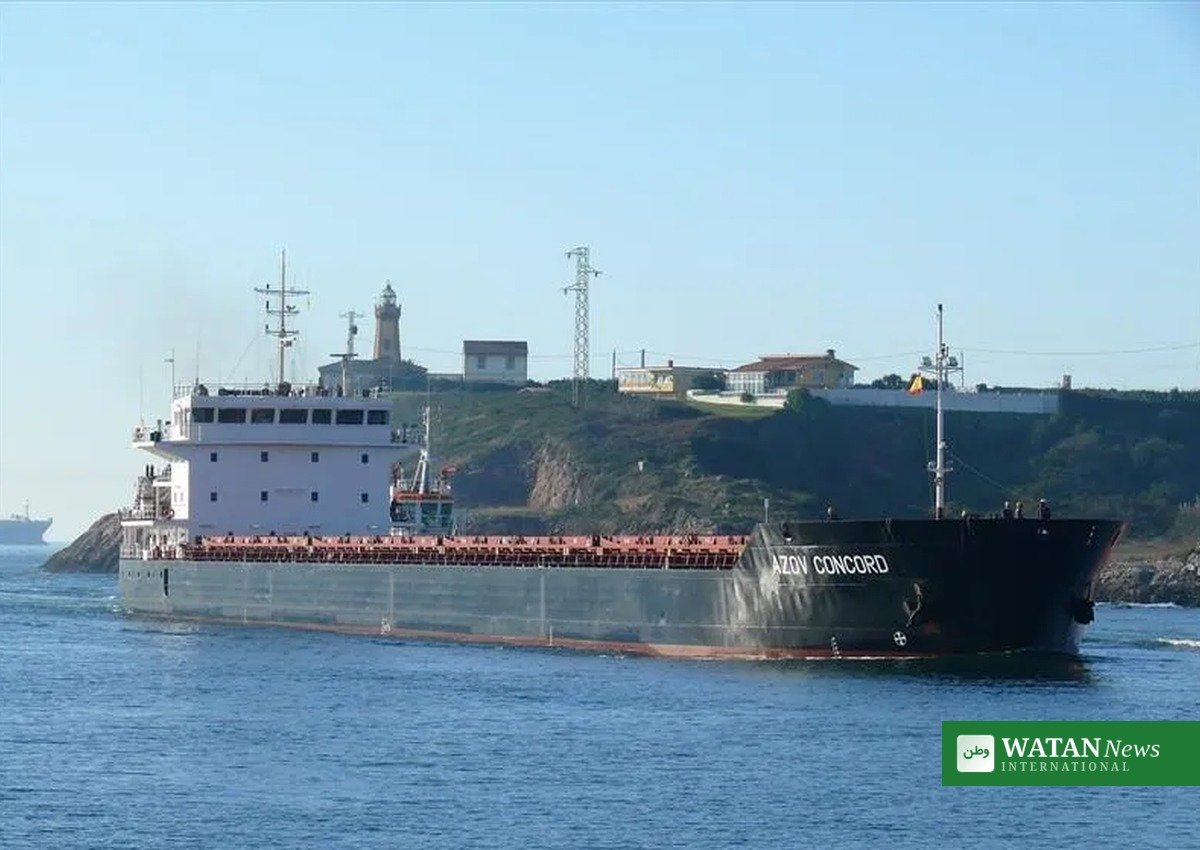
- Azov Concord: Bulgarian media identified the sunken vessel as the cargo ship Azov Concord, which went down about 17 nautical miles (31 km) east of the village of Krapets. Five crew members were rescued; 11 sailors are listed as missing.
- Chelsea 3: The Malta-flagged vessel was hit by three drones about 18 nautical miles east of the town of Byala. All 15 crew — seven Ukrainians and eight Azerbaijanis — were rescued with no serious injuries reported.
- Diplomatic fallout: Bulgaria summoned Russian ambassador Eleonora Mitrofanova for consultations on Tuesday. Prime Minister Rumen Radev said there was no conclusive evidence blaming any side, but that the outcome of the attacks “benefits the Russian Federation”. Moscow has not commented; Mitrofanova was quoted by Bulgarian media as saying she had no information from Russia’s defence ministry and that the strikes could have been a provocation by a third party.
- NATO and EU response: Radev spoke by telephone on Tuesday with European Commission President Ursula von der Leyen and NATO Secretary-General Mark Rutte, urging support to strengthen maritime and airspace surveillance. Rutte said NATO would continue adjusting its military presence on its eastern flank “as needed”.
- Context: The attacks came a week after two other commercial vessels were hit by drones in Bulgaria’s exclusive economic zone on October 6. One of those ships, the Alfa Watan, sank and its 10 crew, including nine Syrians, are presumed dead.
Bulgaria Black Sea drone attack: two ships struck overnight
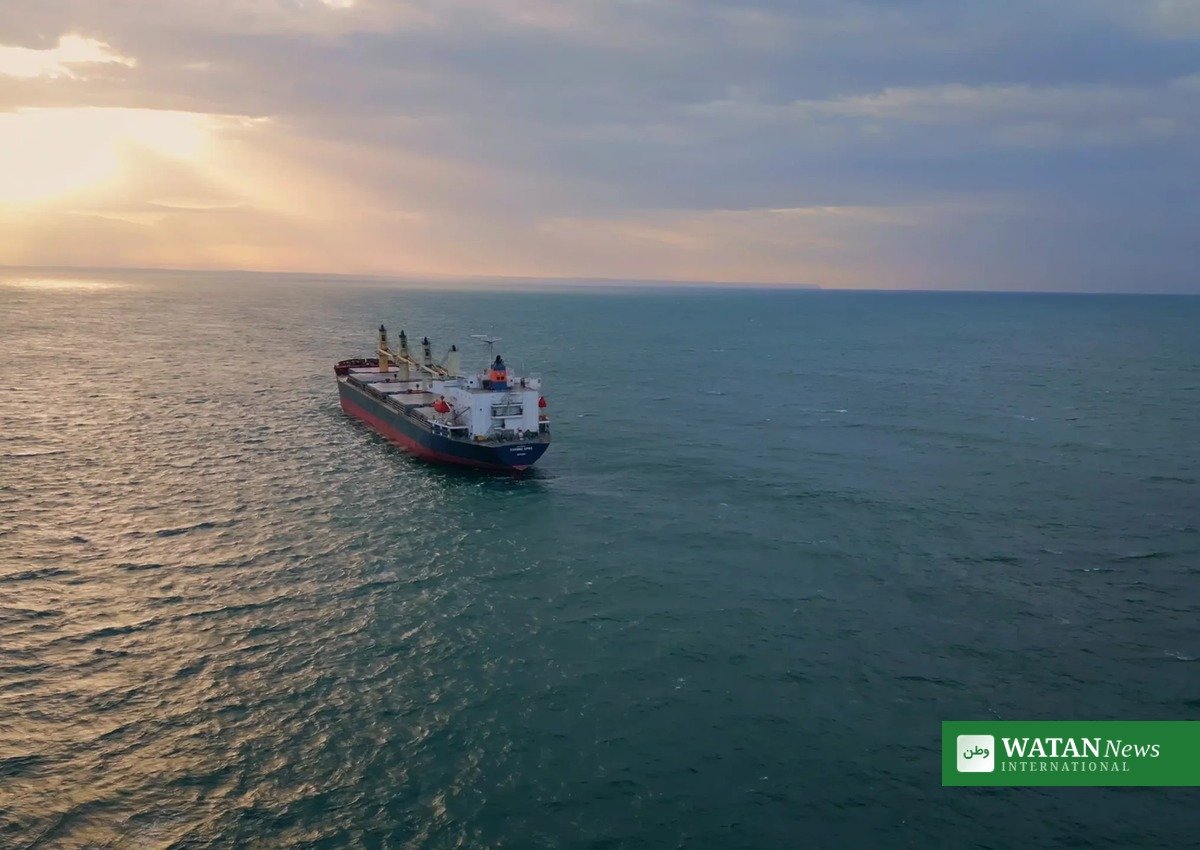
According to Bulgarian officials, the overnight strikes hit the two merchant vessels in the early hours of Tuesday. The first emergency call came at 01:30 local time from a ship about 18 miles (29 km) east of Byala, whose crew reported that three aerial drones had struck the deck and hull. A Bulgarian border police unit rushed to the scene and rescued the 15 crew members, who were brought to the port of Varna, several with minor injuries.
The second vessel, the Azov Concord, sank after being hit, with only five crew members rescued. Search efforts continued for the 11 missing sailors. The ship’s Turkey-based manager was not immediately available for comment.
Bulgaria stops short of direct accusation
In a televised address, Prime Minister Rumen Radev called the attacks “absolutely unacceptable — another attack in the immediate vicinity of Bulgarian territorial waters”. Bulgaria, a NATO member, stopped short of explicitly accusing Russia of carrying out the strikes, with Radev acknowledging that the authorities still lacked “solid and clear evidence” to hold any specific actor officially accountable.
Radev had earlier asked NATO and the EU for technical assistance in investigating the October 6 attacks, saying at the time that it was unclear whether Russia or Ukraine was behind them. The Russian ambassador, Eleonora Mitrofanova, was quoted by Bulgarian media as telling Radev she had received no information from Russia’s defence ministry relating to the latest attacks.
Condemnation from Kyiv and Brussels
The attacks were condemned by Ukraine and the European Union. European Commission President Ursula von der Leyen said: “The Black Sea has become another front of escalation of the Russian war in Ukraine. Those responsible should be held accountable.”
Ukraine’s Foreign Minister Andrii Sybiha said the strike “once again demonstrates Moscow’s deliberate disregard for civilian lives”, adding: “The Black Sea is a lifeline for global food security. Russia is attacking it to weaponise hunger and hold the world hostage.”
The Black Sea has become an increasingly contested corridor, with commercial shipping repeatedly drawn into the war. Bulgaria’s government said it would continue seeking NATO and EU support for maritime and airspace surveillance along its coast.
For more on European security developments, see our Europe news section.
Author

usman2344913@gmail.com
Related Posts
Saudi-Led Coalition Strikes Oil Facilities Near Sanaa as Houthis Threaten Riyadh Retaliation
- 0
- 530 words
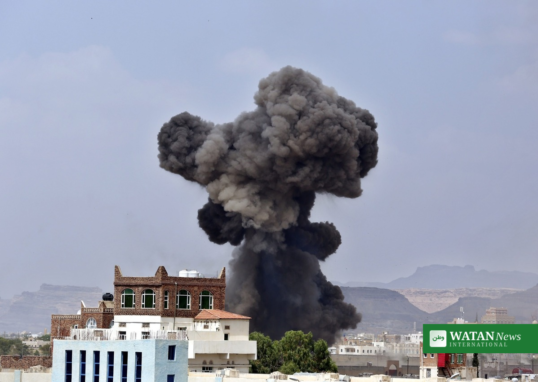
The Saudi-led coalition carried out airstrikes on oil facilities west of Yemen’s capital Sanaa on Tuesday, marking a fresh escalation after days...
Read out all
Former DRC President Joseph Kabila Takes Command of M23 Rebel Coalition
- 0
- 553 words
Former Congolese president Joseph Kabila has taken open leadership of a new political-military coalition built on the M23 rebellion, ending years of...
Read out all
Why Climate Journalism Matters More Than Ever
- 0
- 509 words
Climate journalism matters more than ever: 1,200+ entries competed in the 2026 Covering Climate Now awards. An explainer on the craft's vital...
Read out all
Sustainable Living at Home: What the World’s Buildings Teach Us
- 0
- 581 words
Buildings cause 37% of global CO₂ emissions (UNEP). This explainer breaks down what sustainable living at home really means.
Read out all
Russia Hits No Ukrainian Energy Targets for First Time Since Trump’s ‘Energy Ceasefire’
- 0
- 587 words
Russia hit no Ukrainian energy targets on Tuesday for the first time since US President Donald Trump announced the Ukraine energy ceasefire...
Read out all
Africa’s First 24/7 Solar Baseload Plant Powers DRC Copper Mine
- 0
- 578 words
CrossBoundary Energy's 233 MWp solar + 526 MWh battery plant delivers 30 MW of round-the-clock power to the Kamoa copper mine —...
Read out all