- 0
- 578 words
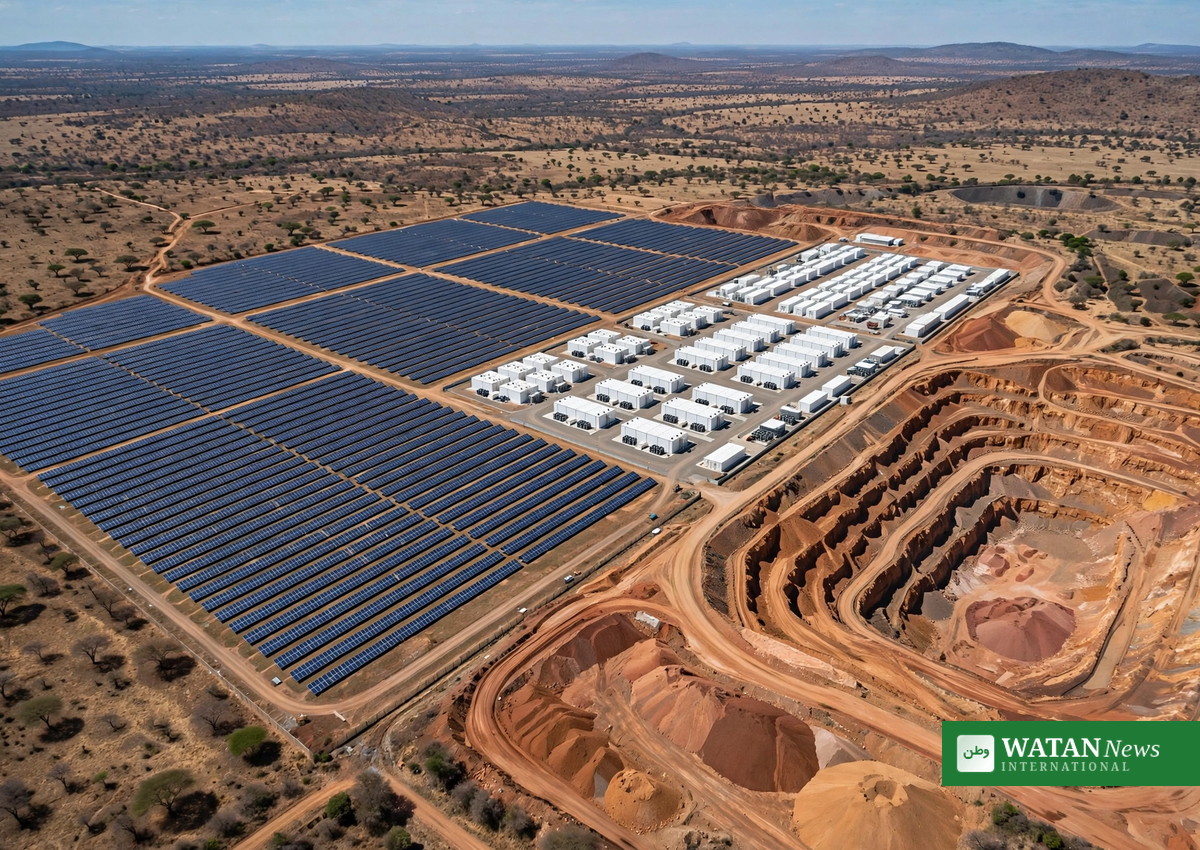
Kolwezi, DR Congo — Africa’s first round-the-clock “solar baseload” power plant is now delivering firm renewable electricity to one of the continent’s largest copper mines, in a project the developer describes as a breakthrough for clean power in heavy industry.
CrossBoundary Energy has brought a 233-megawatt-peak (MWp) solar plant paired with a 123 MVA / 526 megawatt-hour (MWh) battery energy storage system into commercial operation at the Kamoa Copper mining complex near Kolwezi in the Democratic Republic of Congo. The hybrid plant guarantees 30 megawatts of firm, dispatchable power around the clock under a performance guarantee.
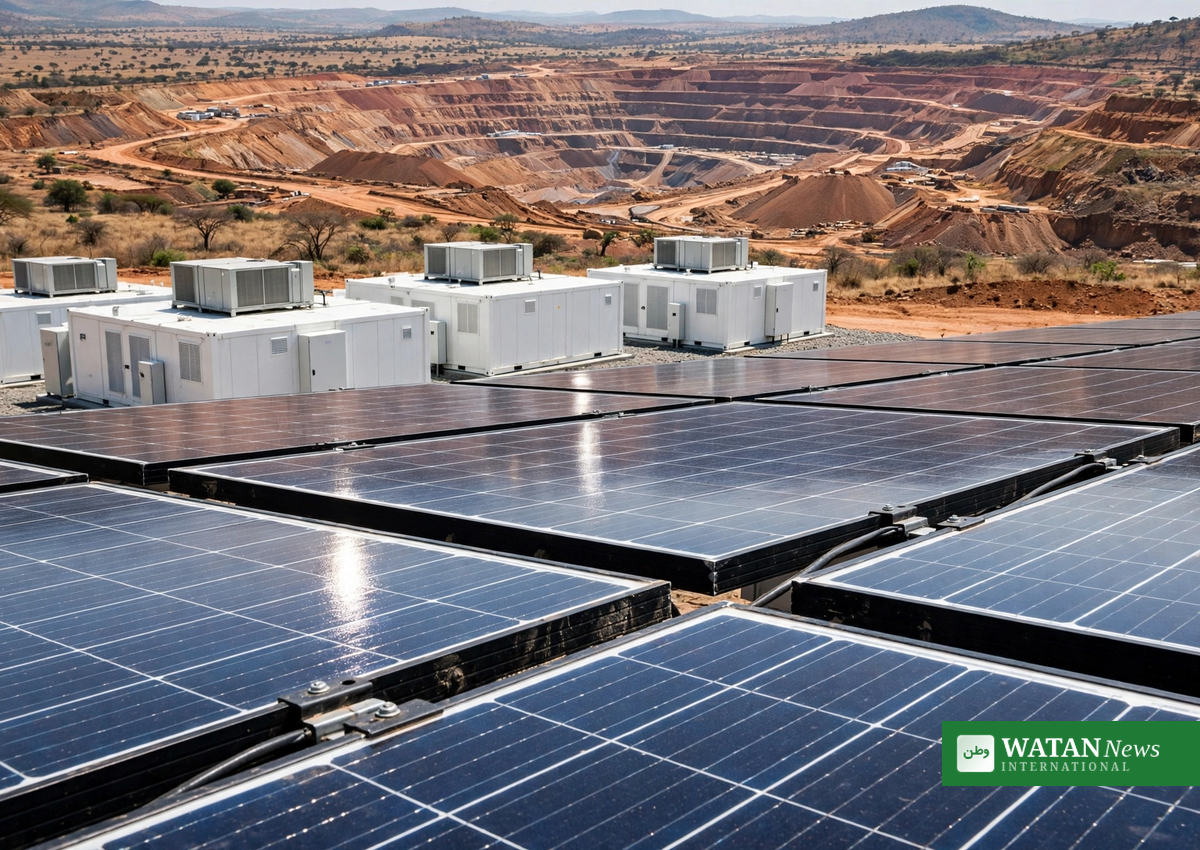
Detailed performance figures published on 13 October show the plant is already exceeding expectations in early operation: the solar array has been generating more than 150 MW at peak, with around 50 MW flowing directly into the mine’s network and the remainder charging the batteries for overnight use. Maximum output is expected to reach 180 MW.
Power the mine can count on
Solar power is naturally variable — it fades at sunset and dips under cloud. The Kamoa plant overcomes this with one of Africa’s largest battery installations: 90 power conversion systems and 180 battery enclosures that store surplus daytime electricity and release it through the night. The plant operates at a contracted 95 percent availability factor.
The installation is vast: more than 350,000 solar modules and 513 inverters spread across a site covering an area equal to about 257 football fields. According to the developer, the equipment was delivered, installed, commissioned and put into commercial operation within 16 months of the power purchase agreement’s signing — well under the 29-month African average for utility-scale solar-plus-storage projects.
Cutting diesel, cutting emissions
For Kamoa Copper, the plant reduces exposure to diesel fuel price volatility and supply-chain risk while cutting the site’s carbon footprint. The fuel offset amounts to an annual reduction of 78,750 tonnes of carbon dioxide emissions, according to CrossBoundary Energy.
“Achieving this milestone with Kamoa Copper S.A. is a significant step to mainstreaming round-the-clock renewable power,” said Gracia Munganga, CrossBoundary Energy’s project development director for the DRC. Kamoa Copper project manager Auguy Bakome added that the delivery speed “demonstrates how quickly renewable energy can be deployed at scale to support remote mining operations.”
Kamoa Copper is a joint venture between Canada’s Ivanhoe Mines, China’s Zijin Mining Group and the government of the Democratic Republic of Congo. The mine began producing copper concentrates in 2021, and Africa’s largest copper smelter was fired up at the complex in 2025.
Key facts: Kamoa solar baseload plant
- Location: Kamoa Copper complex near Kolwezi, DR Congo
- Capacity: 233 MWp solar + 123 MVA / 526 MWh battery storage
- Firm output: 30 MW around the clock, 95% availability
- Early operation: 150+ MW peak so far; 180 MW maximum expected
- Emissions cut: 78,750 tonnes of CO₂ per year
- Build time: 16 months from power purchase agreement to operation
- Developer: CrossBoundary Energy (independent power producer)
The bigger picture
The project signals a shift in how energy-hungry industries think about renewables. According to CrossBoundary Energy, the cost of firm renewable electricity has fallen by around 50 percent over the past five years, strengthening the economic case for solar-plus-storage against diesel and heavy-fuel generation. Around 900 temporary jobs were created during construction, with 22 permanent positions for operation.
For a continent where the World Bank puts electricity access in the DRC at just 22 percent, the Kamoa plant shows that round-the-clock renewable power is no longer a pilot concept — it is a contracted, operating reality. Read more of our renewable energy coverage at Watan News in English.
Author

usman2344913@gmail.com
Related Posts

Russia Hits No Ukrainian Energy Targets for First Time Since Trump’s ‘Energy Ceasefire’
- 0
- 587 words
Russia hit no Ukrainian energy targets on Tuesday for the first time since US President Donald Trump announced the Ukraine energy ceasefire...
Read out all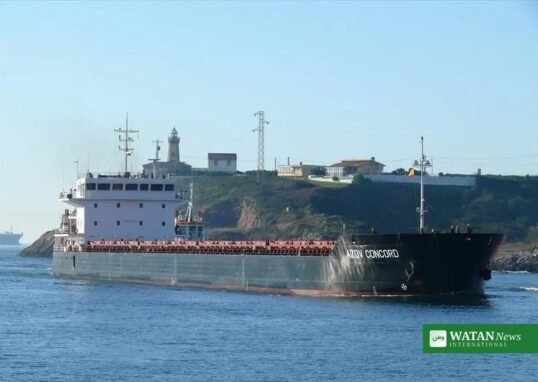
Drone Attack Sinks Cargo Ship Off Bulgaria, 11 Sailors Missing; Sofia Summons Russian Ambassador
- 0
- 698 words
A Bulgaria Black Sea drone attack struck two cargo ships off Bulgaria’s Black Sea coast overnight on Tuesday, sinking one vessel and...
Read out allافریقہ کا پہلا چوبیس گھنٹے شمسی توانائی پلانٹ کانگو کی تانبے کی کان کو بجلی فراہم کر رہا ہے
کراس باؤنڈری انرجی کا دو سو تینتیس میگاواٹ پیک شمسی اور پانچ سو چھببیس میگاواٹ گھنٹہ بیٹری پلانٹ کاموا تانبے کی کان...
Read out all
Ethiopian Cargo Flight Turned Back by Israel Over Indonesian Pilot
- 0
- 499 words
Israel ordered an Ethiopian Airlines cargo flight to turn back mid-air after learning one of its pilots was Indonesian. The plane returned...
Read out all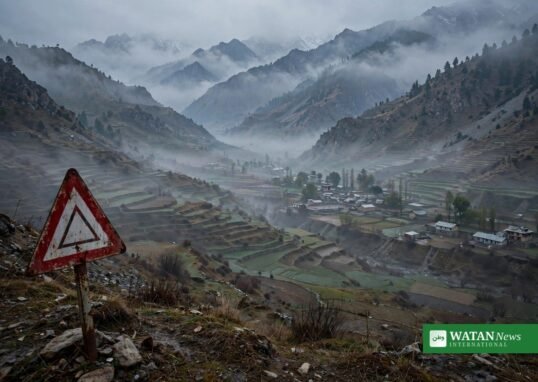
Kashmir Landmine Blast Kills Four Near the LoC
- 0
- 482 words
A Kashmir landmine blast near the Line of Control in Poonch district killed four young men on Monday, October 12, in an...
Read out all
Cyberattack Hits Hundreds of French Supermarkets, Forces Fridges to 50°C
- 0
- 615 words
Hundreds of supermarkets across France have been hit by a coordinated cyberattack that hijacked the software controlling their refrigerators and freezers, forcing...
Read out all