- 0
- 633 words
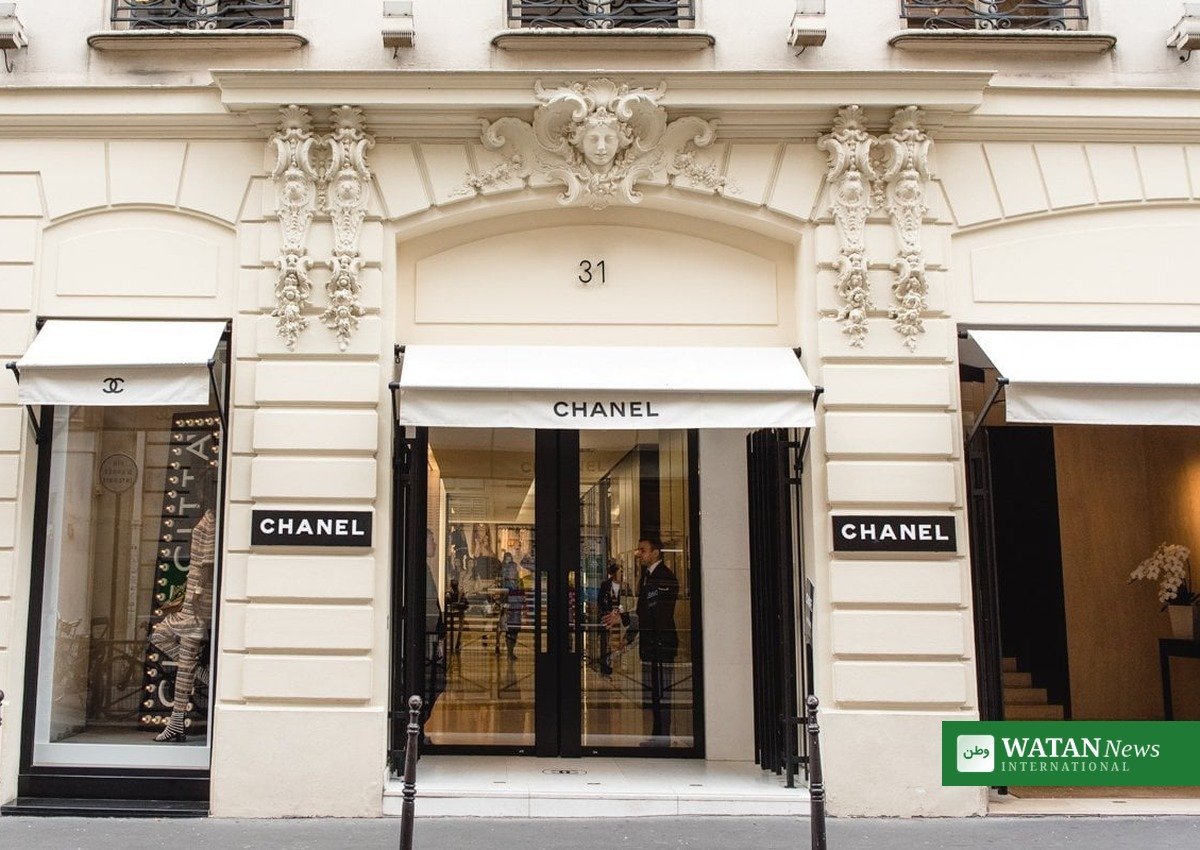
China’s tax crackdown on wealthy individuals has become the latest headache for luxury brands, as the China tax crackdown on luxury brands collides with faltering consumer spending in the United States just as the $350 billion sector heads into third-quarter results season.
FAKTA
- Reuters reported on October 9, 2026, that Beijing’s new tax rules are squeezing wealthy Chinese luxury buyers.
- Wealthy individuals who used offshore trusts to shelter assets have until October 22 to declare and pay years of back taxes.
- Shares in LVMH and Hermès are down about 40% this year; Gucci owner Kering is down 29%.
- Chinese consumers account for roughly a fifth of global luxury purchases.
- Summer shopping mall data in mainland China pointed to a “sharp deceleration in growth”, according to Bernstein analysts.
The October 22 Deadline Weighing on Luxury Brands
Under Beijing’s new tax rules, wealthy Chinese who used offshore trusts to shelter assets have until October 22 to declare and pay years of back taxes — a move that threatens to curb spending in one of the industry’s most important markets.
Chinese consumers, who account for roughly a fifth of global luxury purchases, were long the driving force behind the sector’s growth. Demand has weakened sharply since the COVID pandemic, and the new 20% levy is now hitting spending by ultra-high-net-worth individuals — a group that had until recently proved more resilient than middle-class consumers hurt by China’s prolonged property downturn.
“Until the deadline to pay the tax, some people may face liquidity issues,” said Alexis Bonhomme, head of Shanghai-based luxury consultancy Trinity Asia. “This doesn’t mean they won’t start buying again, but right now, the mood just isn’t there.”
US Spending Slowdown Adds to the Strain
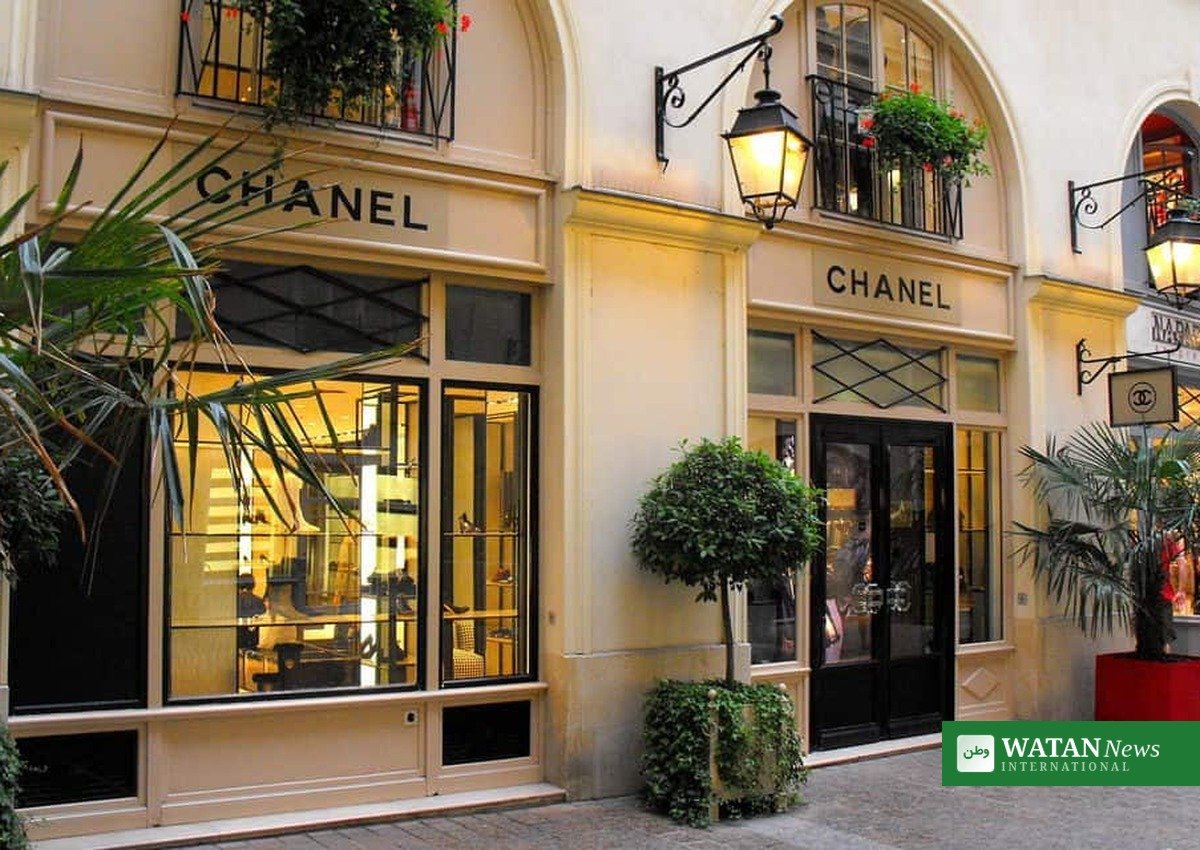
The tax crackdown is not the sector’s only problem. Luxury brands are also grappling with the fallout from the Iran war and signs of slowing consumer spending in the United States, their other great growth engine.
The combination of challenges is likely to weigh on third-quarter results due from next week, reinforcing fears that the $350 billion luxury sector — mired in a three-year slowdown — may struggle to regain its former momentum.
Luxury Stocks Near Multi-Year Lows
Investor pessimism is already visible in share prices. Shares in LVMH and Birkin bag maker Hermès are both down about 40% this year and trading near multi-year lows, while Gucci owner Kering has fallen 29%.
| Luxury group | Share performance in 2026* |
|---|---|
| LVMH | Down about 40% |
| Hermès | Down about 40% |
| Kering (Gucci owner) | Down 29% |
*As reported on October 9, 2026.
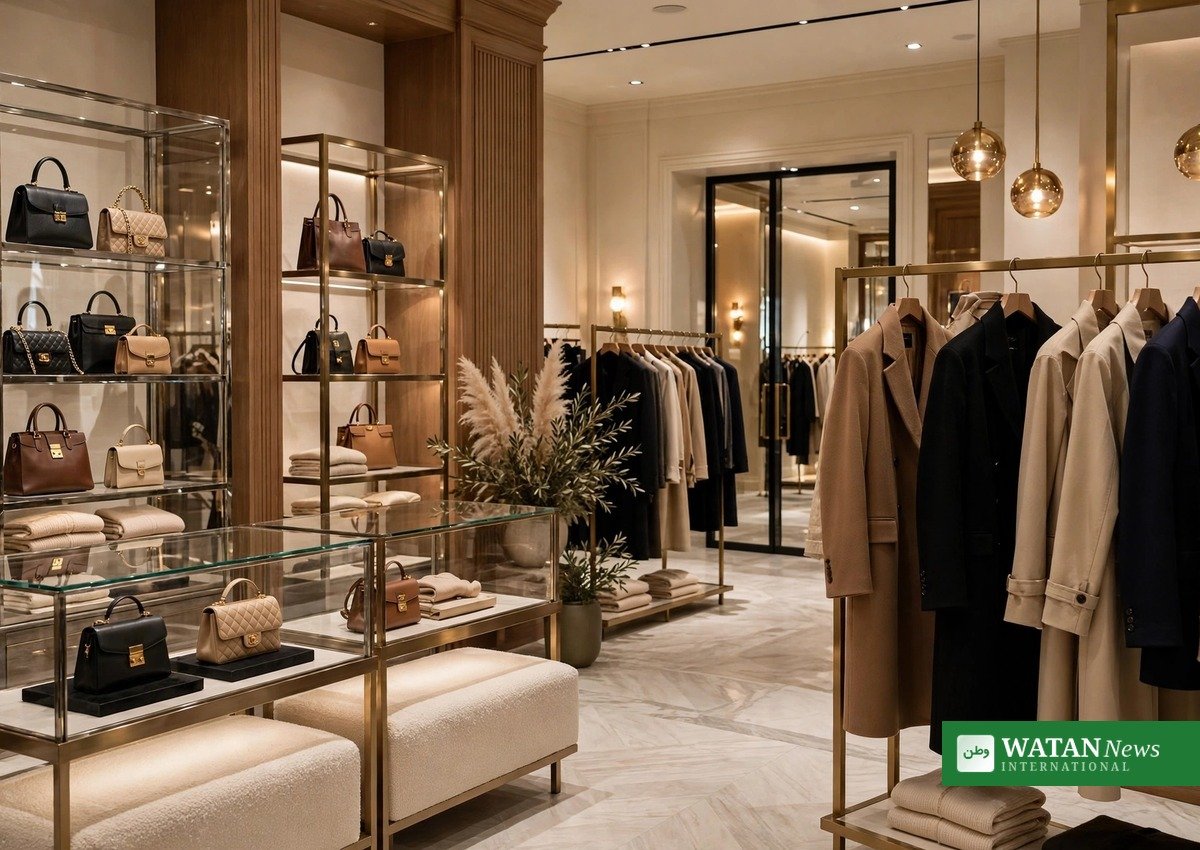
With the October 22 tax deadline approaching and third-quarter results imminent, the coming weeks will show whether the world’s biggest luxury houses can stabilise demand — or whether the sector’s three-year slowdown deepens further.
Related Articles
Read more: Goldman Sachs Puts a Rare ‘Sell’ on Hermès as Luxury Stocks Tumble Across Europe
Frequently Asked Questions
What is China’s tax crackdown on luxury buyers?
Under Beijing’s new tax rules, wealthy Chinese individuals who used offshore trusts to shelter assets must declare and pay years of back taxes by October 22, a 20% levy that is squeezing luxury spending.
When is the deadline for the back-tax payments?
The deadline is October 22, 2026.
How have luxury shares performed in 2026?
Shares in LVMH and Hermès are down about 40% this year and trading near multi-year lows, while Gucci owner Kering has fallen 29%.
Why does China matter so much to luxury brands?
Chinese consumers account for roughly a fifth of global luxury purchases and were long the driving force behind the sector’s growth.
What else is pressuring the luxury sector?
Besides the tax crackdown, brands face the fallout from the Iran war and signs of slowing consumer spending in the United States, with third-quarter results due from next week.
How big is the global luxury sector?
Reuters describes it as a $350 billion sector currently mired in a three-year slowdown.
Author

usman2344913@gmail.com
Related Posts

Cyprus to Attend COP31 in Antalya Despite Recognition Dispute with Türkiye
- 0
- 1,001 word
Cypriot President Nikos Christodoulides confirmed on October 13 that he will attend COP31 in Antalya next month, in what would be the...
Read out all
IMF and World Bank Launch ‘Bangkok Blueprint’ to Fight Cyber Fraud
- 0
- 985 words
The IMF and World Bank launched the Bangkok Blueprint for Fraud-Resilient Financial Services on October 14 at their annual meetings in Bangkok...
Read out all
GFS Pride Sinks Near Strait of Hormuz as Attacks on Shipping Escalate
- 0
- 1,122 word
Two commercial ships were lost or hit near the Strait of Hormuz in mid-October, including the Singapore-registered GFS Pride, which sank on...
Read out all
Ethiopian Troops Reach Eritrea Border Town of Zalambessa as War Fears Grow
- 0
- 486 words
Ethiopian government forces have advanced to the town of Zalambessa on the country’s northern border with Eritrea, a development that has deepened...
Read out all
Container Ship GFS Pride Sinks After Striking Naval Mine in Strait of Hormuz
- 0
- 689 words
The Singapore-flagged GFS Pride sank after striking a naval mine near the Strait of Hormuz, Iran's Revolutionary Guard navy said, the second...
Read out all
EU, China Strike Hybrid Car Trade Deal to Halve Exports
- 0
- 492 words
Beijing/Brussels — The European Union and China have reached a landmark trade understanding that could cut Chinese exports of hybrid cars to...
Read out all