
- 0
- 1,122 word
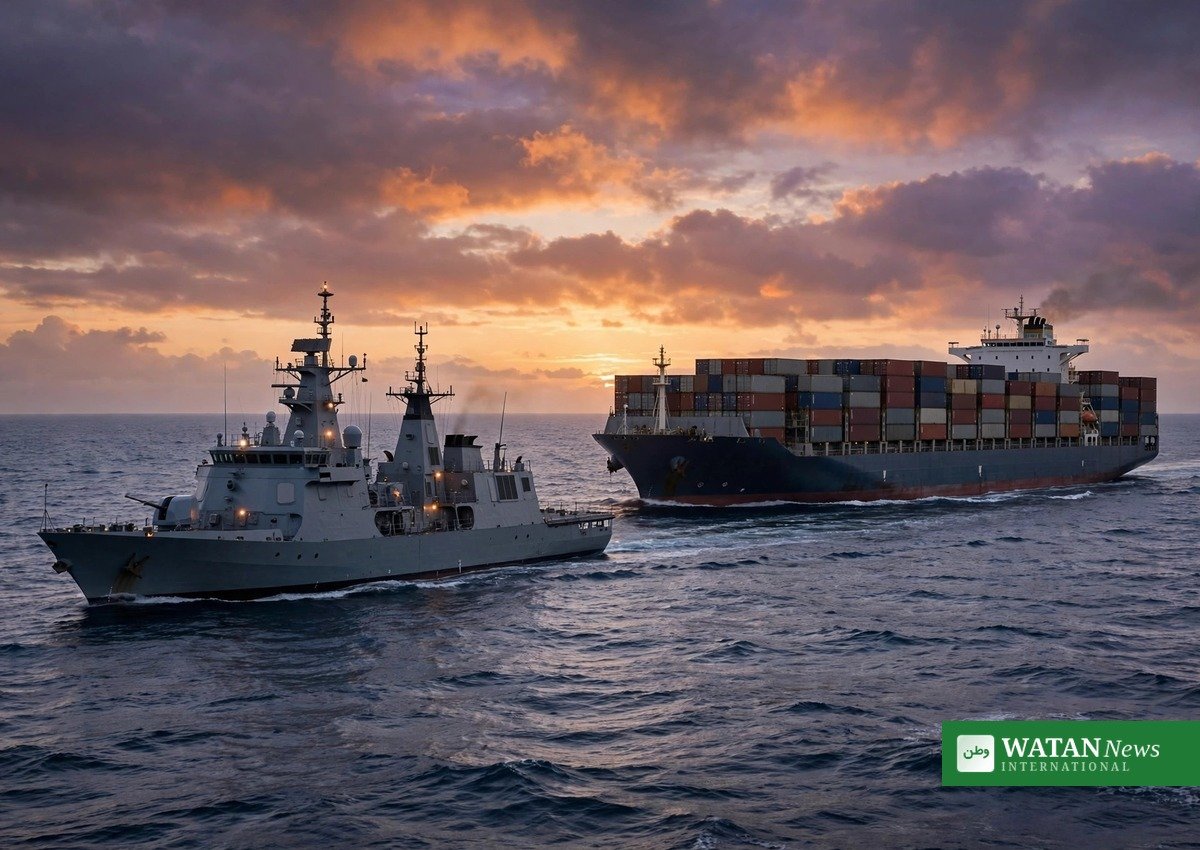
Two commercial ships were lost or struck near the Strait of Hormuz in mid-October, including the Singapore-registered container ship GFS Pride, which sank on October 13 after being hit by an unknown projectile. The Hormuz ships sunk in the latest wave of attacks mark a sharp escalation in the campaign against commercial vessels in one of the world’s most critical energy waterways — and maritime authorities logged at least five separate attacks or security incidents in the area in just 48 hours.
FAKTA
- Singapore’s Maritime and Port Authority said the Singapore-registered GFS Pride was struck by an unknown projectile on October 13, caught fire and later sank; all 21 crew members were safely evacuated with no injuries
- The Singapore-registered GFS Giselle was struck on October 14, sustained hull damage and reached a safe anchorage under its own propulsion; all 22 crew members were safe
- UK Maritime Trade Operations issued Warning 172-26 and Warning 173-26 on October 13 after a 50,000-tonne container ship (inbound) and a 19,000-tonne container ship (outbound) were struck by unknown projectiles; both reported minor damage, no casualties, and continued their passages
- Iran’s Revolutionary Guard Corps claimed a vessel carrying 2,500 containers struck a naval mine while using what it called an unauthorized route; Singapore’s authority described a projectile strike and did not confirm a mine — the exact cause remains unverified
- Reuters reported on October 14 that two senior Iranian officials said Tehran changed the type and pace of its attacks about ten days ago; a US military official said Iran is using unarmed observers on small boats to identify targets after losing radar capabilities
Hormuz ships sunk: what the official reports say
The loss of the GFS Pride is the most serious single incident in the strait in recent weeks. According to Singapore’s Maritime and Port Authority, the container vessel was struck by an unknown projectile on October 13, suffered damage and a fire, and subsequently sank. All 21 crew members were safely evacuated, and no injuries were reported. Pakistan’s NAVAREA IX navigational warning separately identified the GFS Pride as sunk and warned mariners about floating containers in the area.
The Wall Street Journal reported on October 14 that a second vessel — the Antigua and Barbuda-flagged bulk carrier Cape Dao — had also gone down, following damage sustained in an attack on September 23 and unsuccessful salvage efforts. Reuters’ available account described the Cape Dao as reported to be sinking, so the second loss remains less firmly corroborated than the GFS Pride.

Two more ships struck on October 13
UK Maritime Trade Operations confirmed that the GFS Pride was not alone in being hit. Its Warning 172-26 recorded a 50,000-tonne container ship struck at 4:40 PM UTC during an inbound transit of the strait, and Warning 173-26 recorded a 19,000-tonne container ship struck at 5:00 PM UTC during an outbound transit. Both vessels reported minor damage and no casualties and were able to continue their passages, and both warnings were marked as verified sources.
On October 14 the GFS Giselle, also Singapore-registered, was struck and sustained hull damage but reached a safe anchorage under its own propulsion. None of the crew members on either Singapore vessel were Singaporean, and all were reported safe.
Iran claims a mine strike; Singapore says projectile
Iranian state media carried a statement from the Islamic Revolutionary Guard Corps Navy saying that a vessel transporting 2,500 containers, found in violation of regulations, began taking on water after hitting a mine in the southern part of the strait along a route the statement described as unsafe. Singapore’s maritime authority, by contrast, said the GFS Pride was struck by an unknown projectile and made no mention of a mine. The conflicting accounts could not be independently reconciled, and the precise cause of the sinking remains unverified.
New tactics: observers on small boats
Reuters reported on October 14 that two senior Iranian officials said Tehran had changed the type and pace of its offensive operations against vessels it considers to be violating its restrictions about ten days earlier, producing an increase in attacks. One official said the aim was to keep global oil prices high.
A US military official told Reuters that after US strikes damaged much of Iran’s radar capability, the Revolutionary Guard began using unarmed observers aboard small boats to identify potential targets — including commercial vessels and US warships. The official said Iranian spotters operating from a small wooden boat had been seen relaying target information to the Revolutionary Guard, and that US forces destroyed the boat after evacuating those aboard, with no casualties.
Read more on the region’s maritime security at watannews.dk, including the earlier projectile attack on a tanker off Qatar.
Key incidents at a glance
| Incident | Vessel | What was reported | Crew status |
|---|---|---|---|
| GFS Pride sunk (Oct 13) | Singapore-registered container ship | Struck by unknown projectile; fire; sank | All 21 evacuated, no injuries |
| GFS Giselle struck (Oct 14) | Singapore-registered container ship | Hull damage; reached safe anchorage | All 22 safe, no injuries |
| Two container ships struck (Oct 13) | 50,000t inbound; 19,000t outbound | Unknown projectiles (UKMTO 172-26, 173-26); minor damage | No casualties; both continued |
| Cape Dao (WSJ report, Oct 14) | Antigua and Barbuda bulk carrier | Reported sunk after Sept 23 attack and failed salvage | Less firmly corroborated |
Conclusion
The confirmed sinking of the GFS Pride, the strike on the GFS Giselle, two verified UKMTO projectile incidents and at least five attacks in 48 hours together make mid-October the most dangerous stretch yet for commercial shipping in the Strait of Hormuz. With Iran openly deploying new targeting tactics and oil prices under pressure, shipowners, insurers and the navies patrolling the strait face an increasingly volatile waterway.
Frequently Asked Questions
Which ship sank near the Strait of Hormuz?
The Singapore-registered container ship GFS Pride, struck by an unknown projectile on October 13, caught fire and later sank, according to Singapore’s Maritime and Port Authority.
Were there any casualties?
No. All 21 crew members of the GFS Pride were safely evacuated, and all 22 crew of the GFS Giselle were reported safe.
What did Iran claim about the sinking?
Iran’s Revolutionary Guard Corps said a vessel carrying 2,500 containers struck a naval mine on an “unauthorized” route. Singapore’s authority described a projectile strike and did not confirm a mine.
What new tactics is Iran using?
According to Reuters, after losing radar capabilities, Iran is using unarmed observers on small boats to identify targets, including commercial ships and US warships.
Why does the Strait of Hormuz matter?
Before the conflict it carried roughly a fifth of the world’s oil and liquefied natural gas trade, making any disruption a major risk for global energy markets.
Author

usman2344913@gmail.com
Related Posts

Cyprus to Attend COP31 in Antalya Despite Recognition Dispute with Türkiye
- 0
- 1,001 word
Cypriot President Nikos Christodoulides confirmed on October 13 that he will attend COP31 in Antalya next month, in what would be the...
Read out all
IMF and World Bank Launch ‘Bangkok Blueprint’ to Fight Cyber Fraud
- 0
- 985 words
The IMF and World Bank launched the Bangkok Blueprint for Fraud-Resilient Financial Services on October 14 at their annual meetings in Bangkok...
Read out all
Ethiopian Troops Reach Eritrea Border Town of Zalambessa as War Fears Grow
- 0
- 486 words
Ethiopian government forces have advanced to the town of Zalambessa on the country’s northern border with Eritrea, a development that has deepened...
Read out all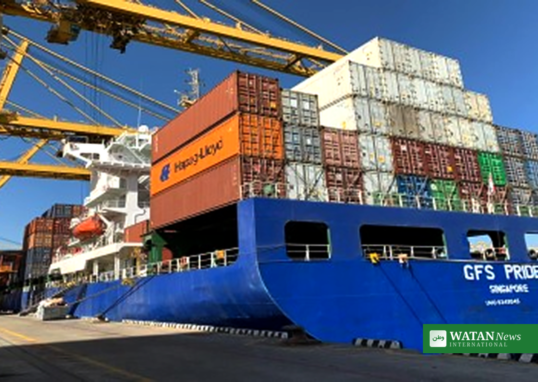
Container Ship GFS Pride Sinks After Striking Naval Mine in Strait of Hormuz
- 0
- 689 words
The Singapore-flagged GFS Pride sank after striking a naval mine near the Strait of Hormuz, Iran's Revolutionary Guard navy said, the second...
Read out all
EU, China Strike Hybrid Car Trade Deal to Halve Exports
- 0
- 492 words
Beijing/Brussels — The European Union and China have reached a landmark trade understanding that could cut Chinese exports of hybrid cars to...
Read out all
Kane Breaks Messi Record as Bayern Held in Six-Goal Viking Thriller
- 0
- 626 words
STAVANGER — Harry Kane overtook Lionel Messi in the Champions League record books on Tuesday night, but the England captain’s two goals...
Read out all