- 0
- 694 words
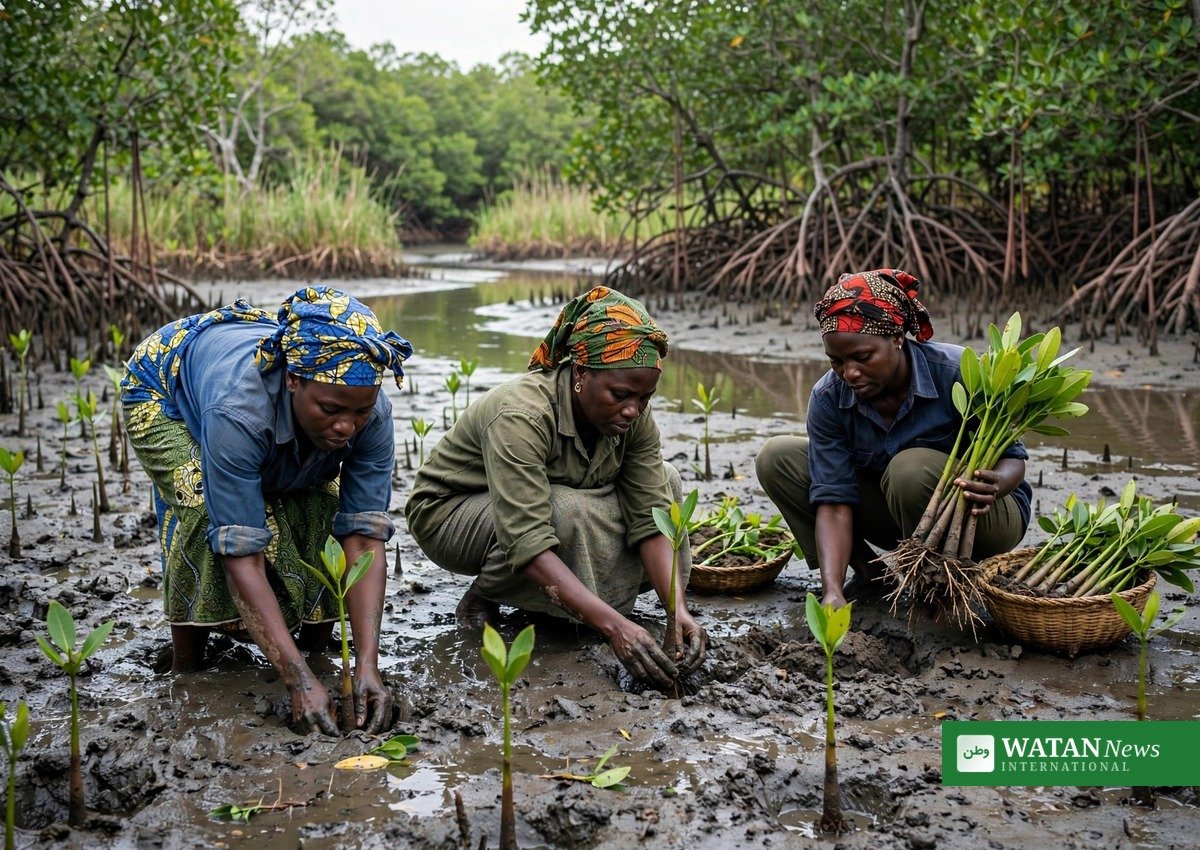
Senegal mangrove restoration closed a three-year chapter on Tuesday, October 13, 2026, as the Action climatique féminine en Afrique de l’Ouest (ACF-AO) project ended its work in the coastal regions of the south and centre of the country.
The closing ceremony took place in Ziguinchor in the presence of administrative authorities and people who benefited from the project, according to Senegal’s official news agency APS. The project, funded by Global Affairs Canada through the Climate Partnership, reached nearly 17,000 beneficiaries — mostly women and young people — in the coastal zones of Ziguinchor, Kolda and Sédhiou in the south and Fatick in the centre.
An English-language report on the programme said 147 hectares of mangrove were restored in parts of Casamance and in Palmarin in the Fatick region, protecting coasts, preserving natural resources and helping communities cope better with climate change.
Senegal mangrove restoration: how the project worked
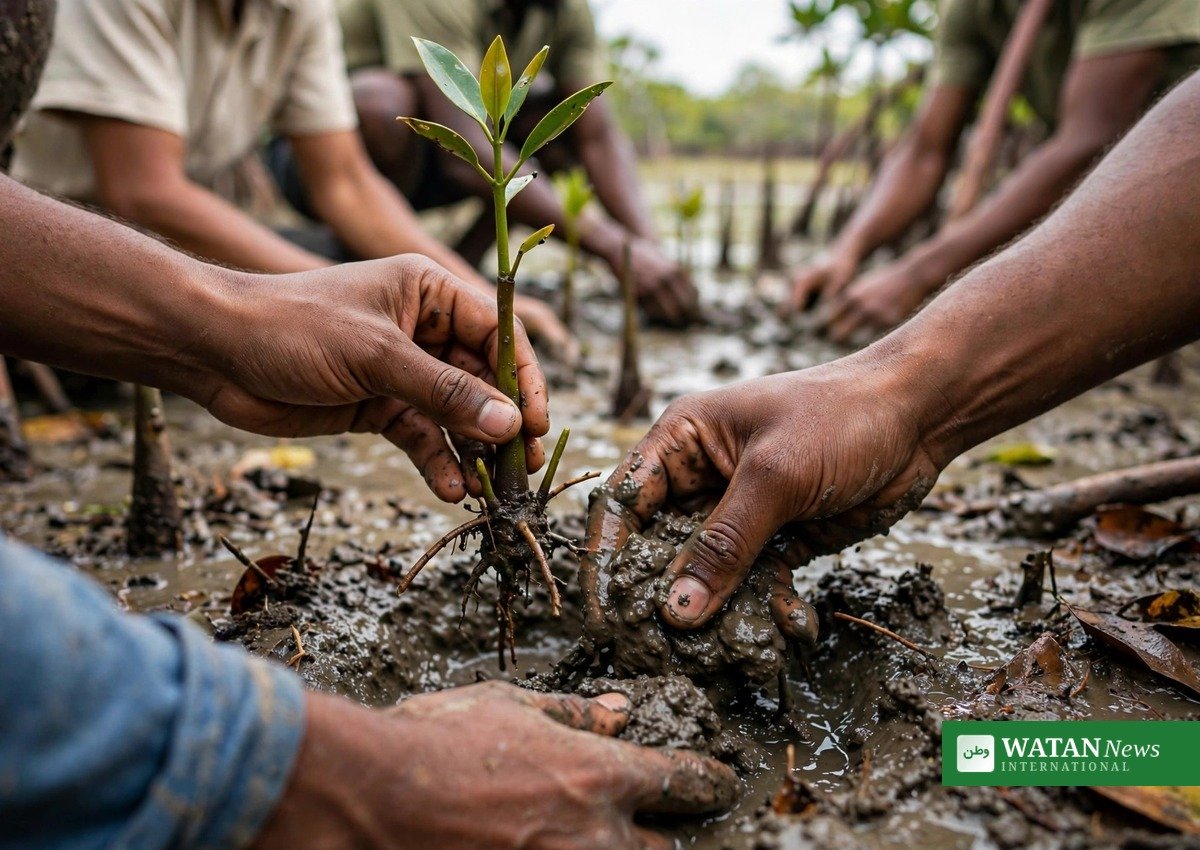
ACF-AO began in March 2023 and was implemented by the organisation Enda Pronat together with two Canadian partner organisations, Inter PARES and SUCO. Its coordinator, Mamadou Abdoulaye Sow, told APS that communities were trained in mangrove reforestation methods and had replanted species such as Rhizophora and Avicennia that had become rare in the area and are difficult to replant.
“Thanks to the project’s investigations and support activities, we managed at least to diversify reforestation around the mangrove,” Sow said, adding that firebreaks built with partners such as the Conseil national de concertation des ruraux (CNCR) helped communities better manage natural resources and fight bushfires. Several hectares of land were restored, he said.
The closing ceremony in Ziguinchor was presided over by Mamadou Khouma, the prefect of Bignona, on behalf of the governor of Ziguinchor. He told the gathering the project had been a real opportunity for communities and local authorities, and that communities must continue to benefit from its results.
Women at the centre of the work
The project was designed to put women at the centre of climate action. According to APS, ACF-AO supported women’s economic independence through capacity building in market gardening, fish farming and the processing of fishery products. The people working in these sectors were supported in professionalising their activities, which raised their incomes and improved their living conditions.
The English-language report added that the project supported 48 women’s groups, promoted the production of 50 tonnes of salt, trained more than 100 women and young people in organic salt production, and developed modern beekeeping and oyster farming.
Project leaders said the initiative strengthened gender equality, promoted agroecology and improved the ability of rural women to adapt to climate change. Women and young people who were trained in leadership, advocacy and reforestation methods are now involved in local decision-making bodies, the coordinator said.
A regional programme across West Africa
ACF-AO is a West Africa-wide programme. In Togo, the project also closed its activities in the Lacs prefecture last week, where 3,758 people were trained on climate policies, biodiversity and gender, 3,337 were sensitised to adaptation and mitigation, and 1,542 were trained in business development, cooperative management, value chains and marketing, according to Togo’s official news agency ATOP.
Why mangroves matter for the climate
Mangroves protect shorelines from storm surges and erosion, provide habitats and nursery grounds for marine life, and absorb and store carbon. The World Bank notes that restoring one hectare of mangroves stores five times more carbon than restoring a similar area of terrestrial forest, which is why mangrove restoration is seen as one of the most effective nature-based climate solutions.
Related mangrove restoration work is also under way elsewhere: read about Ireland’s €1.5 million mangrove restoration drive in south-east Liberia here.
FAKTA
- Project: Action climatique féminine en Afrique de l’Ouest (ACF-AO), started March 2023, closed October 13, 2026
- Funding: Global Affairs Canada through the Climate Partnership
- Implementation: Enda Pronat with Inter PARES and SUCO (Canadian organisations)
- Beneficiaries: nearly 17,000, mostly women and young people (APS); regions Ziguinchor, Kolda, Sédhiou and Fatick
- Restoration: 147 hectares of mangrove reported restored in Casamance and Palmarin (English-language report, single source)
- Species replanted: Rhizophora and Avicennia, plus firebreaks to fight bushfires
- Climate value: restoring one hectare of mangrove stores five times more carbon than the same area of terrestrial forest (World Bank)
Author

usman2344913@gmail.com
Related Posts

US Destroys Iranian-Affiliated Dhow in Gulf of Oman, CENTCOM Says
- 0
- 549 words
US Central Command says American forces destroyed an Iranian-affiliated dhow in the Gulf of Oman on October 6 after removing its crew,...
Read out all
Uttar Pradesh godkender politik for bæredygtigt flybrændstof
- 0
- 709 words
Uttar Pradeshs regering har godkendt en målrettet incitamentspakke til produktion af bæredygtigt flybrændstof fra landbrugsaffald og kommunalt affald med en femårig politikhorisont.
Read out all
اتر پردیش نے پائیدار ہوا بازی ایندھن کی تیاری کی پالیسی منظور کر لی
اتر پردیش کی کابینہ نے کھیتوں کے فضلے اور شہری کچرے سے پائیدار ہوا بازی ایندھن بنانے کے لیے خصوصی مراعاتی پیکیج...
Read out all
Uttar Pradesh approves sustainable aviation fuel manufacturing policy
- 0
- 686 words
Uttar Pradesh's Cabinet has approved a dedicated incentive package for sustainable aviation fuel production from farm waste and municipal refuse, with tiered...
Read out all
Senegal afslutter treårigt mangrovegenopretningsprojekt for kvinder i Casamance
- 0
- 676 words
ACF-AO-projektet afsluttede efter tre års kvindecentreret mangrovegenopretning i Senegals kystområder i Ziguinchor.
Read out all
سینیگال: خواتین کے مینگروو بحالی منصوبے کا تین سال بعد اختتام
- 0
- 5 words
اے سی ایف-اے او منصوبہ سینیگال کے ساحلی علاقوں میں خواتین کی مینگروو بحالی کے تین سال بعد زیگنچور میں اختتام پذیر...
Read out all