- 0
- 686 words
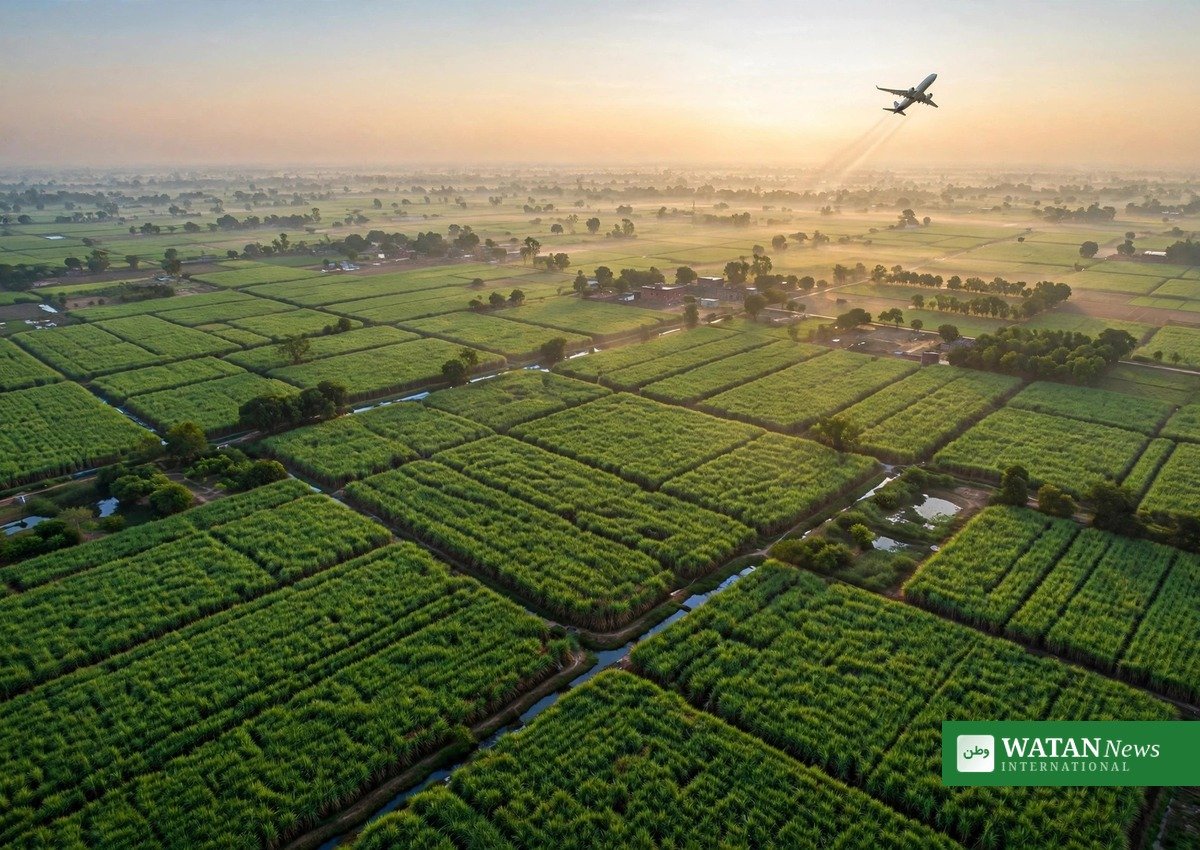
Lucknow — The Uttar Pradesh Cabinet has approved the Uttar Pradesh Sustainable Aviation Fuel Manufacturing Promotion Policy-2026, making it one of the first Indian states with a dedicated incentive package for cleaner jet fuel production. The decision was taken at a Cabinet meeting chaired by Chief Minister Yogi Adityanath on 9 October 2026, where 39 proposals covering industry, agriculture, employment and technology were cleared, according to Hindustan Times and the Free Press Journal.
The policy aims to position Uttar Pradesh as a major hub for sustainable aviation fuel (SAF) — a lower-carbon alternative to conventional jet fuel made from crop residues, municipal waste and used cooking oil. SAF can be blended with conventional fuel and used in existing aircraft without engine modifications, making it the most practical near-term route to cutting aviation emissions.
FAKTA
- Decision: Uttar Pradesh Cabinet approved the Sustainable Aviation Fuel Manufacturing Promotion Policy-2026 on 9 October 2026.
- Unit categories: large (Rs 200–500 crore), mega (Rs 500–1,500 crore), ultra-mega (above Rs 1,500 crore).
- Feedstocks: rice husk, wheat straw, sugarcane bagasse, municipal waste, non-edible oilseeds.
- Key incentives: stamp duty relief, exemption from land-use conversion charges, net state GST reimbursement, interest subsidy, 100% electricity duty exemption for up to 10 years, skill development subsidy, patent fee reimbursement.
- Nodal agency: UPNEDA (Uttar Pradesh New and Renewable Energy Development Agency); policy in force for five years.
Why sustainable aviation fuel matters now
Aviation is one of the hardest sectors to clean up. Sustainable aviation fuel can cut lifecycle carbon emissions by up to 80 per cent compared with conventional jet fuel, according to the International Air Transport Association, because the carbon released in flight was earlier absorbed by the biomass used as feedstock. Yet SAF still costs two to five times more than conventional fuel, and global production is far below what mandates will require.
India is moving fast. The government has approved indicative SAF blending targets of 1 per cent by 2027, 2 per cent by 2028 and 5 per cent by 2030 for international flights, Minister of State for Civil Aviation Murlidhar Mohol told Parliament — targets aligned with CORSIA, the International Civil Aviation Organization’s market-based measure whose mandatory phase begins in 2027.
Incentives, categories and how the policy works
Under the Uttar Pradesh policy, SAF manufacturing units are classified by capital investment into three tiers: large units investing Rs 200 crore to Rs 500 crore, mega units investing Rs 500 crore to Rs 1,500 crore, and ultra-mega units with investments above Rs 1,500 crore, according to reporting by BioEnergy Times.
The incentive package includes stamp duty exemption or reimbursement, exemption from land-use conversion charges and development fees, reimbursement of net state GST, interest subsidies and a full exemption from electricity duty for up to 10 years, plus skill development subsidies and patent registration fee reimbursement. Customised packages can be offered where required, and centres of excellence are to be established. The Uttar Pradesh New and Renewable Energy Development Agency has been designated as the nodal agency, with an evaluation committee under its director. Finance Minister Suresh Khanna and Principal Secretary for IT and Electronics Alok Kumar briefed the media after the Cabinet meeting.
A rural value chain behind the green fuel
What sets the policy apart is its feedstock logic. Uttar Pradesh has abundant rice husk, wheat straw and sugarcane bagasse that can be converted into SAF through pyrolysis and gasification, while its strong sugarcane and ethanol industries support the alcohol-to-jet pathway. Creating a market for these materials also builds rural value chains and gives farmers extra income from material that is often burned or left unused.
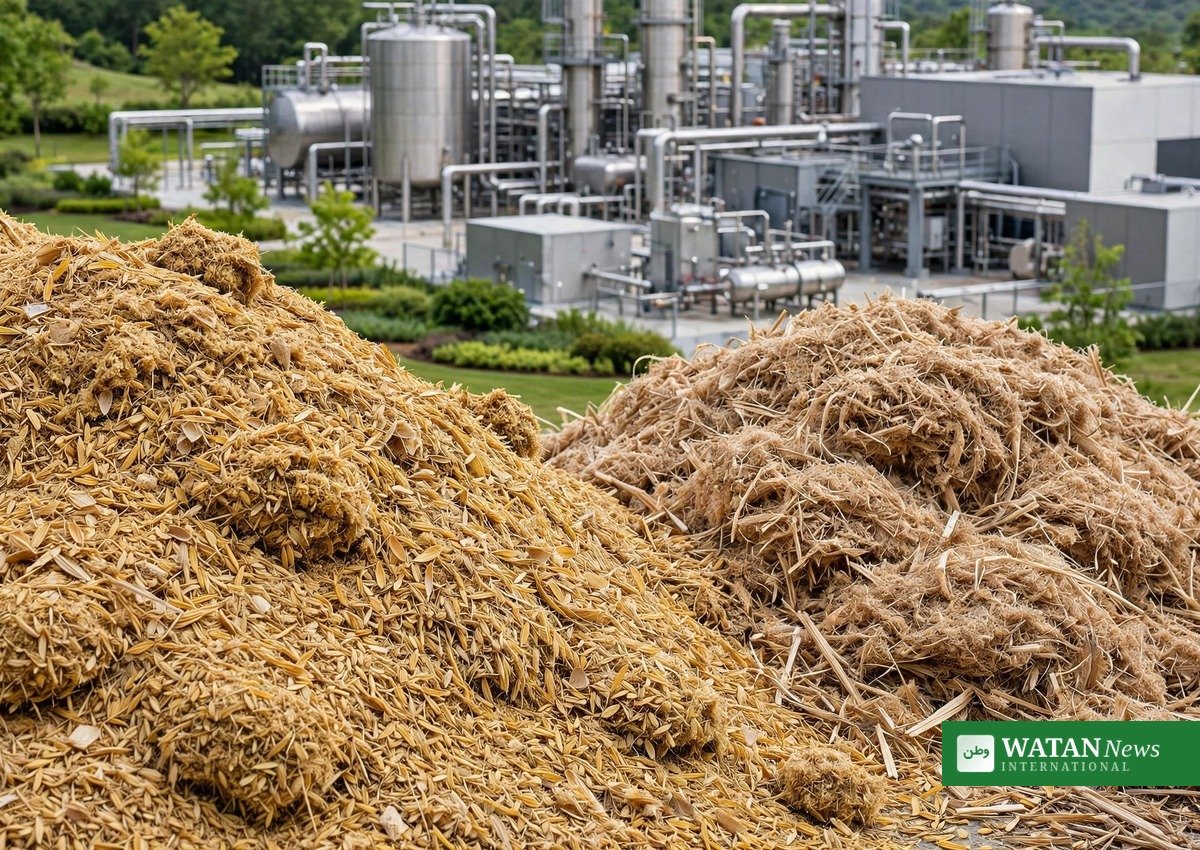
SAF production in India is still at an early stage, so the first investors will test whether state incentives can close the cost gap with conventional fuel. If the policy draws its target projects, Uttar Pradesh could turn farm waste into one of the fastest-growing links between rural India and the global push for cleaner travel. Read more in the Watan News climate section.
Conclusion
The Uttar Pradesh SAF policy shows how the clean-aviation transition is moving from international pledges to concrete industrial policy at the state level. With national blending targets approaching from 2027, the race is now on to build the plants that can supply the fuel — and the farms that feed them.
Author

usman2344913@gmail.com
Related Posts
Uttar Pradesh godkender politik for bæredygtigt flybrændstof
- 0
- 709 words
Uttar Pradeshs regering har godkendt en målrettet incitamentspakke til produktion af bæredygtigt flybrændstof fra landbrugsaffald og kommunalt affald med en femårig politikhorisont.
Read out all
اتر پردیش نے پائیدار ہوا بازی ایندھن کی تیاری کی پالیسی منظور کر لی
اتر پردیش کی کابینہ نے کھیتوں کے فضلے اور شہری کچرے سے پائیدار ہوا بازی ایندھن بنانے کے لیے خصوصی مراعاتی پیکیج...
Read out all
Senegal afslutter treårigt mangrovegenopretningsprojekt for kvinder i Casamance
- 0
- 676 words
ACF-AO-projektet afsluttede efter tre års kvindecentreret mangrovegenopretning i Senegals kystområder i Ziguinchor.
Read out all
سینیگال: خواتین کے مینگروو بحالی منصوبے کا تین سال بعد اختتام
- 0
- 5 words
اے سی ایف-اے او منصوبہ سینیگال کے ساحلی علاقوں میں خواتین کی مینگروو بحالی کے تین سال بعد زیگنچور میں اختتام پذیر...
Read out all
Senegal Closes Three-Year Women’s Mangrove Restoration Project in Casamance
- 0
- 694 words
The ACF-AO project closed in Ziguinchor after three years of women-centred mangrove restoration in Senegal's coastal regions.
Read out all
Musk Says US Government Controls Starlink Speed Limits After Ukraine Reports Drone Disruptions
- 0
- 645 words
Ukraine said on Wednesday that new speed limits imposed on SpaceX’s Starlink satellite internet service had disrupted its military drone operations, and...
Read out all