- 0
- 634 words
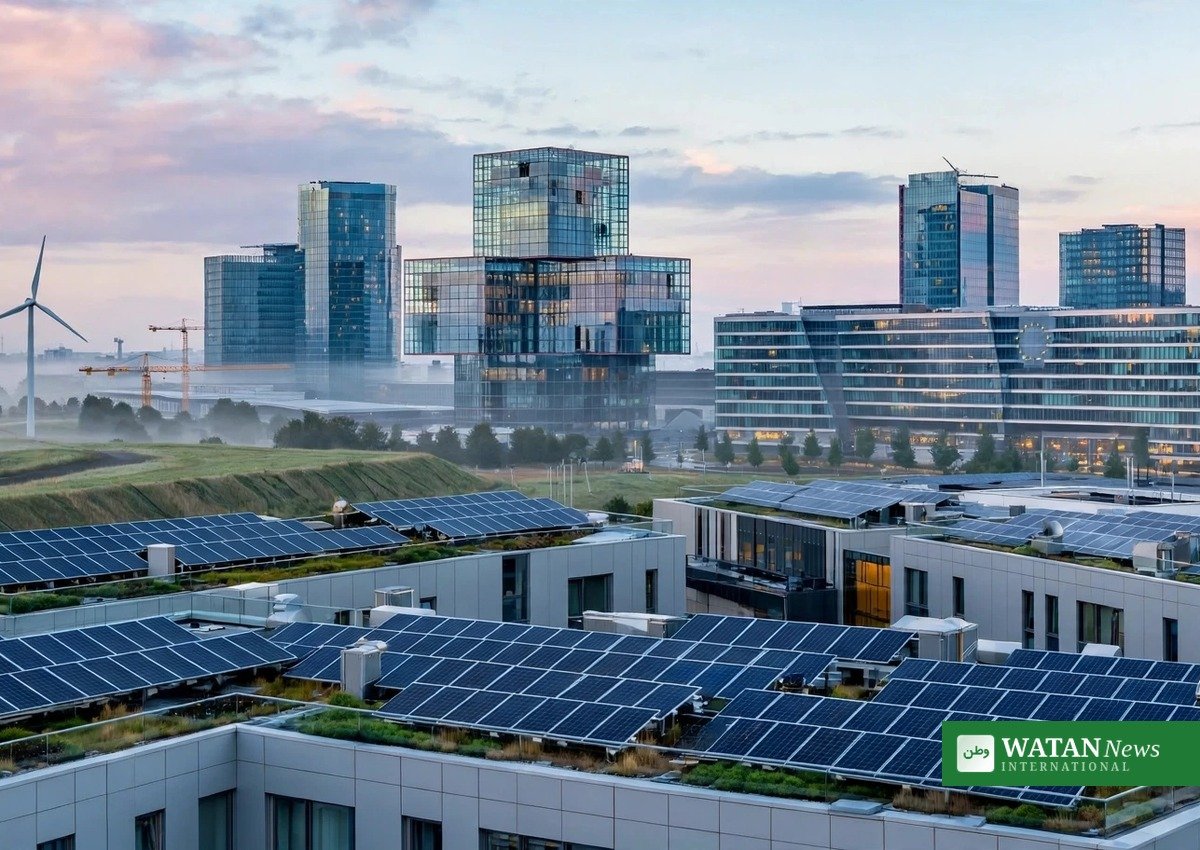
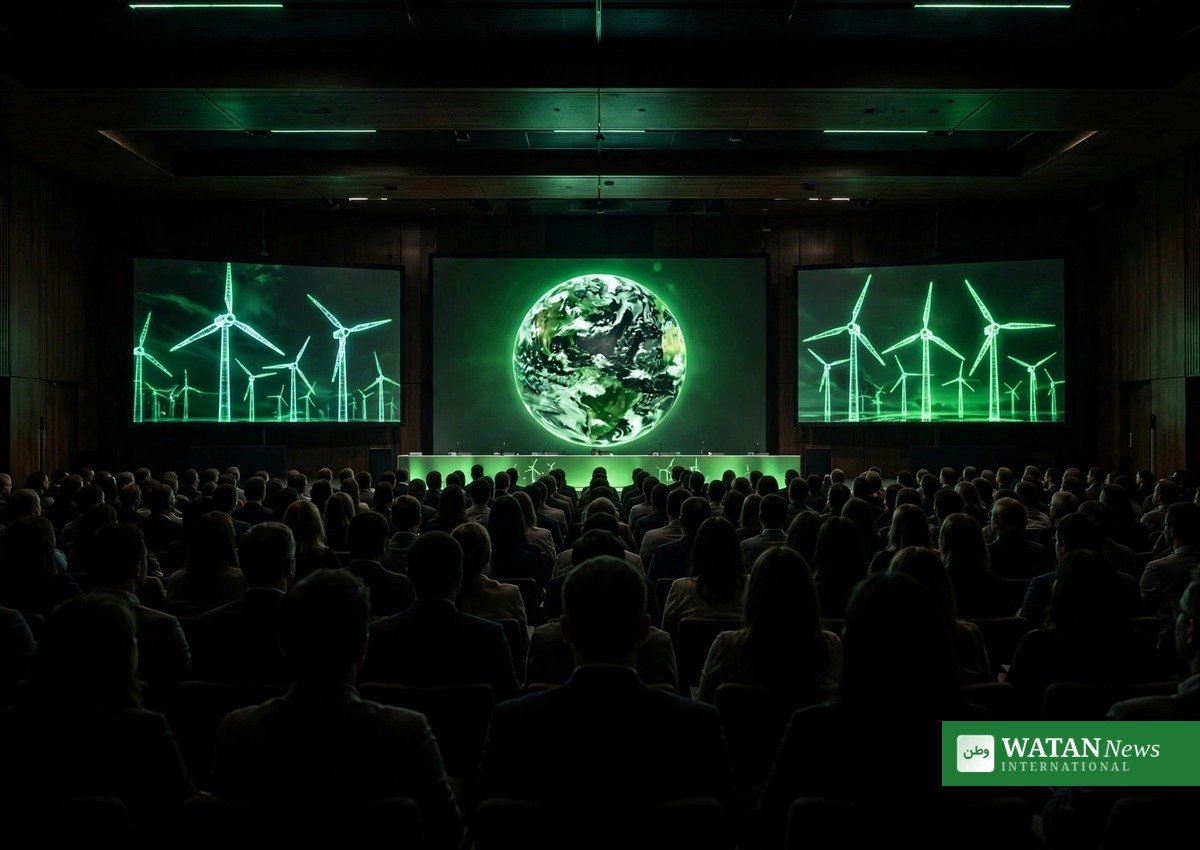
Energy and Climate Summit 2026 brought ministers, European institutions, industry leaders, investors and civil society to Brussels on 13 October for a day of practical debate on how to make Europe’s clean industrial transformation both investable and competitive.
Organised by the Brussels-based think tank Friends of Europe under the theme “Energy, climate and geopolitics: Europe’s strategic transition for an era of geopolitical disruption”, the summit focused on the choices policymakers and business must make now so that climate ambition becomes a driver of competitiveness, resilience and long-term prosperity.
What the Energy and Climate Summit 2026 set out to do
According to the summit’s briefing, Europe has entered the decisive phase of its clean industrial transformation: global investment in the clean transition reached a record $2.3 trillion in 2025, and the direction of travel is clear. The open question, the organisers said, is the capacity to deliver at scale and at speed.
Debates covered the Clean Industrial Deal, critical raw materials, electrification, energy grids, artificial intelligence, climate resilience and water stress — with the forthcoming European integrated framework for climate resilience and Europe’s role at COP31 in Antalya also on the agenda.
Clean industry, critical materials and circularity
A session on critical raw materials examined what role Europe can play in the global supply chain, whether circularity is a real option, and what it will take to build a single market for secondary resources in Europe. Cillian Lohan, president of the Civil Society Organisations’ Group of the European Economic and Social Committee, joined Umicore chief executive Bart Sap and the World Resources Institute’s Ke Wang for the discussion.
The summit’s briefing notes that the Clean Industrial Deal aims to make the EU a world leader in circularity by 2030, scaling supply and demand for high-quality recycled materials — while warning that the potential of recycling, particularly for strategic materials, remains underexploited.
AI, electrification and the grid
Another strand of the programme tackled the collision between artificial intelligence and energy systems: data centres are accelerating electricity demand, making grid expansion, storage and demand-side flexibility essential. The summit launched Friends of Europe’s policy paper “A European Compact for AI Infrastructure: building capacity, sharing responsibility”, which proposes shared responsibilities for grid planning, infrastructure costs and community benefits.
On electrification, the briefing cited the Electrification Action Plan’s aim of 32% economy-wide electrification by 2030, noting that 50 to 70% of industrial heating processes could already be decarbonised with existing technology — though progress has been slower than expected.
European Commissioner for Energy and Housing Dan Jørgensen joined a session on market integration, where European Commission data showed the EU’s internal energy market already saves consumers €34 billion a year.
Climate resilience and the road to COP31
The closing theme was resilience: Copernicus data cited by the summit shows Europe and the Arctic are the fastest-warming areas in the world, with temperatures rising by more than 0.5°C per decade since the mid-1990s, putting pressure on food and water systems, infrastructure and public health.
Moderated by Connie Hedegaard, chair of the European Commission’s Mission Board on Adaptation for Climate Change, the discussion explored how Europe can move from risk awareness to delivery — including through the forthcoming European integrated framework for climate resilience — as the continent looks toward its role at the upcoming COP31 in Antalya.
Read more of Watan News’ climate coverage from Europe and beyond.
Key facts
- Event: Energy and Climate Summit 2026, organised by Friends of Europe
- When and where: 13 October 2026, Brussels
- Theme: “Energy, climate and geopolitics: Europe’s strategic transition for an era of geopolitical disruption”
- Who took part: ministers, European institutions, industry leaders, investors and civil society
- Key figures cited: $2.3 trillion in global clean-transition investment in 2025; €34 billion saved yearly by the EU internal energy market; 32% electrification target for 2030
- Policy launch: “A European Compact for AI Infrastructure: building capacity, sharing responsibility”
Author

usman2344913@gmail.com
Related Posts
Obama Warns Israel Risks Losing Moral Ground Over Gaza
- 0
- 505 words
Former US president Barack Obama warned in Belfast that Israel has ceded moral ground in the Gaza conflict, urging concessions to Palestinians.
Read out all
Former DUP Leader Jeffrey Donaldson Jailed for 15 Years Over Historic Child Sex Abuse
- 0
- 533 words
Former Democratic Unionist Party leader Jeffrey Donaldson has been sentenced to 15 years in prison after being convicted of 18 historic sexual...
Read out all
Iran Faces Widening Insurgency as Attacks Escalate in Sistan-Baluchistan
- 0
- 485 words
The Iran insurgency in the country’s southeast is widening as armed groups intensify shootings, bombings and ambushes against security forces in Sistan-Baluchistan...
Read out all
Brewers Crush Dodgers 6-2, One Win From World Series
- 0
- 510 words
Milwaukee took a 3-0 NLCS lead with a 6-2 Game 3 win over the Dodgers at Dodger Stadium, moving one victory from...
Read out all
Eight US States Sue OpenAI Over ChatGPT’s Alleged Harms to Children
- 0
- 691 words
Eight US states sue OpenAI, accusing the maker of ChatGPT of harming children and misleading parents about the chatbot’s safety — in...
Read out all
Global Landscapes Forum åbner ansøgninger til Social Media Ambassadors 2027 — frist 17. oktober
- 0
- 587 words
Global Landscapes Forum har åbnet ansøgningerne til 2027-holdet af sit Social Media Ambassadors-program med frist den 17. oktober 2026. Det globale online...
Read out all