
- 0
- 821 words
Microsoft has pulled out of a deal to become the anchor tenant at Nvidia-backed Nscale’s planned AI data centre in Loughton, Essex, after the site was told it may not receive enough grid power until the 2030s – a setback for Britain’s AI ambitions just as Nscale prepares for a $35 billion New York listing. In a separate AI story, an Associated Press report says US consumers are growing angry and confused over the increasingly high-tech ways retailers are using artificial intelligence to set prices.
FAKTA
- Microsoft Nscale split: Microsoft terminated its agreement to anchor Nscale’s planned AI data centre in Loughton, Essex, which Nscale has billed as the largest “UK sovereign” AI data centre. The withdrawal was first reported by the Telegraph on October 18.
- The reason: UK Power Networks told Nscale the site would not gain access to enough grid power until the early 2030s. The project, announced in September 2025 during President Donald Trump’s state visit, was to house about 23,000 Nvidia chips supplying 50 megawatts to Microsoft’s Azure services.
- Nscale’s position: Nscale said it remains committed to the Loughton project and the UK, is exploring alternative power sources, and described the grid issue as a London-wide problem that does not affect its other contracts.
- AI pricing anxiety: An AP report by Dee-Ann Durbin and Anne D’Innocenzio (October 18) says US shoppers are angry and confused as digital price tags replace paper ones and AI tools predict how customers might respond. Terms like “dynamic pricing” and “surveillance pricing” are stirring anxiety on social media.
- Retailers respond: Walmart CEO John Furner wrote that digital labels save workers’ time and are not used to raise prices based on the weather, time of day or individual shopper: “We price the product, not the person.”
Microsoft and Nscale: How the Essex Data Centre Deal Fell Apart
Microsoft was supposed to be the anchor tenant at the Loughton site, Nscale’s first in Britain, and the data centre was expected to come online early next year to help power Microsoft’s Azure services in the UK. However, despite support from ministers, the centre has been beset by delays.
According to the Times, the Loughton site is understood to make up a small proportion of Nscale’s overall $103 billion contracted revenues with Microsoft, which include other developments in Portugal, the US and Norway – although the Norway project is also behind schedule. Nscale, founded in London and backed by Nvidia, filed for a US initial public offering last month and recently raised $3.36 billion through convertible loan notes in a round led by Third Point.
A Microsoft spokesperson said the company remains committed to its partnership with Nscale, including work to build digital infrastructure and support AI growth globally, but that “this decision relates to a single site.” The Guardian reported that Microsoft is still involved in a separate Nscale project in Norway.
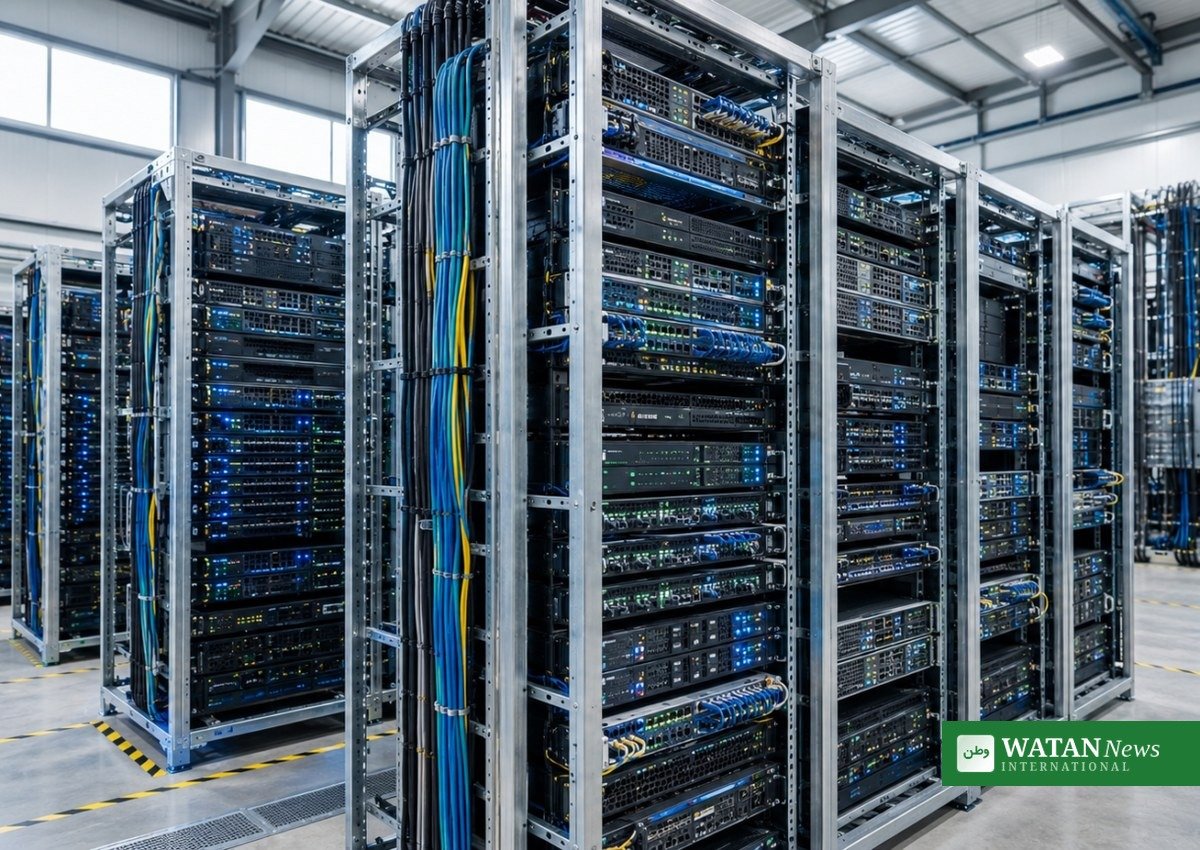
Inside a modern AI data centre – Microsoft has walked away from Nscale’s planned Essex site over grid power delays.
Shoppers Uneasy Over AI-Assisted Pricing
US consumers are not just frustrated with high prices – they are angry and confused about the increasingly high-tech ways that restaurant chains and major retailers are setting those prices, according to the AP report.
Digital price tags are rapidly replacing paper ones in grocery aisles. Artificial intelligence tools help businesses decide what to charge by predicting how customers might respond. Americans have grown accustomed to changing prices when booking flights, hotel rooms and rides, but the prospect of everyday spending shaped by algorithms they do not understand – and personal data they may not realize they are sharing – has touched a nerve.
“There are major tensions happening right now between who’s really going to have the power with some of these algorithms and usage of bots and AI: the companies or the shopper,” said Katie Thomas, who leads an internal consumer behavior think tank at the management consulting firm Kearney.
Companies using the technology say some concerns stem from misconceptions. Furner said in a blog post last month that digital price tags save workers’ time and keep prices up to date. Research cited in the reporting found virtually no evidence of surge pricing at grocery chains, which remains rare in retail compared with airlines or rideshares. The FTC has identified at least 250 clients using tools capable of tailoring prices, and states including Maryland, New Jersey and Connecticut have enacted restrictions on using personal data to determine retail prices.

Electronic price tags on grocery shelves – AI-assisted pricing is stirring anxiety among US shoppers, the AP reports.
Conclusion
Two AI stories, one theme: the technology’s promises keep colliding with real-world friction. In Britain, the friction is a power grid that cannot keep up with data centre ambitions; in America, it is the trust gap between shoppers and the algorithms that set their prices. For more on technology innovation, read: Sri Lanka Readies First Electric Air Taxi for Tourist Flights.
Author

usman2344913@gmail.com
Related Posts

Hawaii Turns Ocean Plastic Into Roads: Recycled Fishing Nets Show Promise
- 0
- 839 words
Researchers in Hawaii are paving roads with asphalt made from recycled fishing nets and plastic waste — a circular-economy answer to the...
Read out all
COP31 Action Agenda Sets 2035 Targets: 35% Electrification, Halving Waste Growth
- 0
- 938 words
The COP31 presidency has framed the Antalya summit as an “Implementation COP”, built around a 10-theme Action Agenda with six global 2035...
Read out all
The World’s Most Luxurious Destinations for 2027: Where Money Buys the Finest Views
- 0
- 1,166 word
Luxury travel is not about spending more – it is about experiencing more. The world’s finest destinations for 2027 reward travellers with...
Read out all
China’s Q3 GDP Grows 4.5%, Beating Forecasts, as Oil Prices Ease From Five-Month Highs
- 0
- 708 words
China’s Q3 GDP growth rebounded to 4.5% year-on-year in the third quarter, beating economists’ expectations and putting the country’s annual growth target...
Read out all
Grass Fire at Canadian Military Base in Alberta Kills Four Soldiers, Injures Dozens During Training
- 0
- 725 words
Four Canadian service members were killed and 39 others injured, including 19 in critical condition, when a fast-moving grass fire overtook soldiers...
Read out all
Pakistan-Afghanistan Border Clash: Deadly Exchange of Fire in Kurram as Dar Heads to SCO Summit in Dushanbe
- 0
- 873 words
Pakistani forces and Afghan Taliban fighters exchanged fire for several hours along the Pakistan-Afghanistan border on Saturday, October 17, in a deadly...
Read out all