- 0
- 839 words
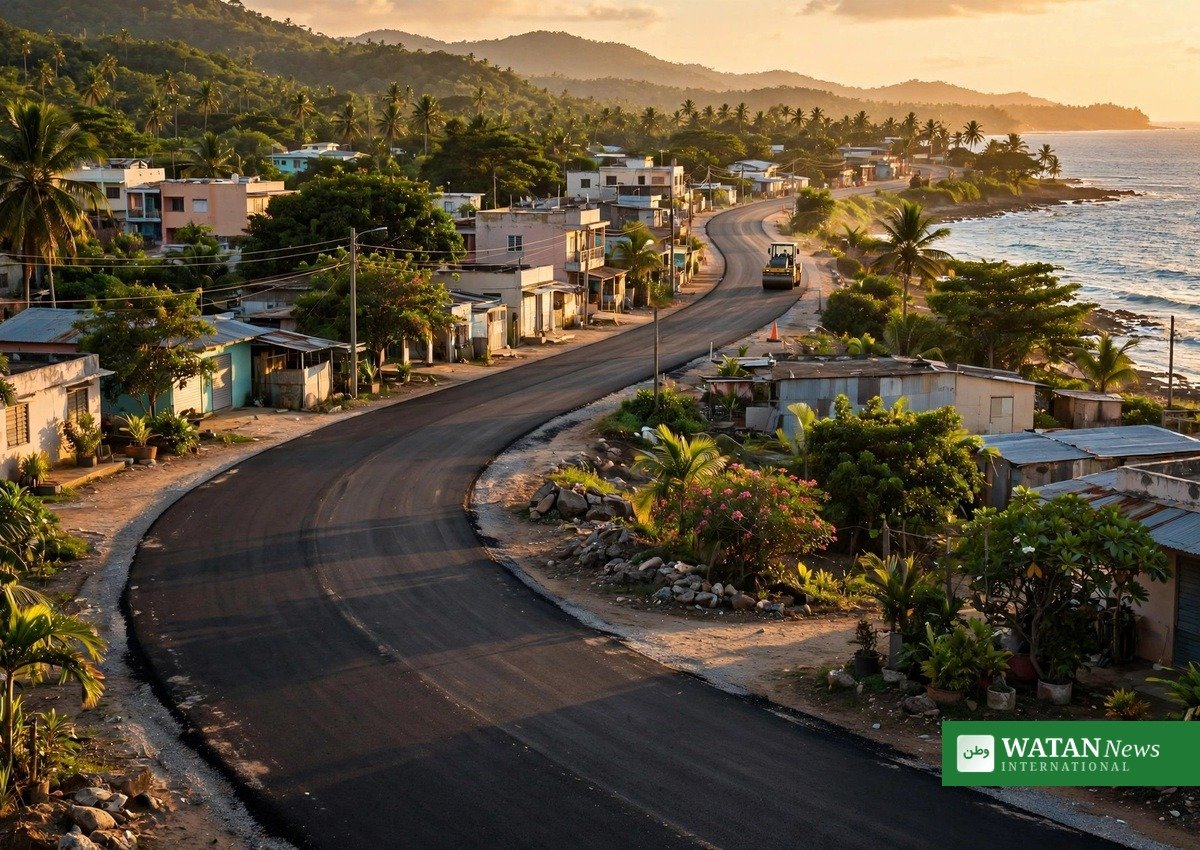
Hawaii is testing a striking new use for its marine plastic waste: turning discarded fishing nets and household plastics into road asphalt. Early results show the recycled-plastic roads perform as well as conventional ones — and do not shed more microplastics into the environment.
The research comes from the Center for Marine Debris Research (CMDR) at Hawaiʻi Pacific University, led by environmental chemist Dr. Jennifer Lynch, and was presented at the American Chemical Society’s Spring 2026 meeting. The project, funded by the Hawaii Department of Transportation, tackles two problems at once: the islands’ overflowing waste streams and the flood of marine debris washing onto their shores.
From fishing nets to pavement
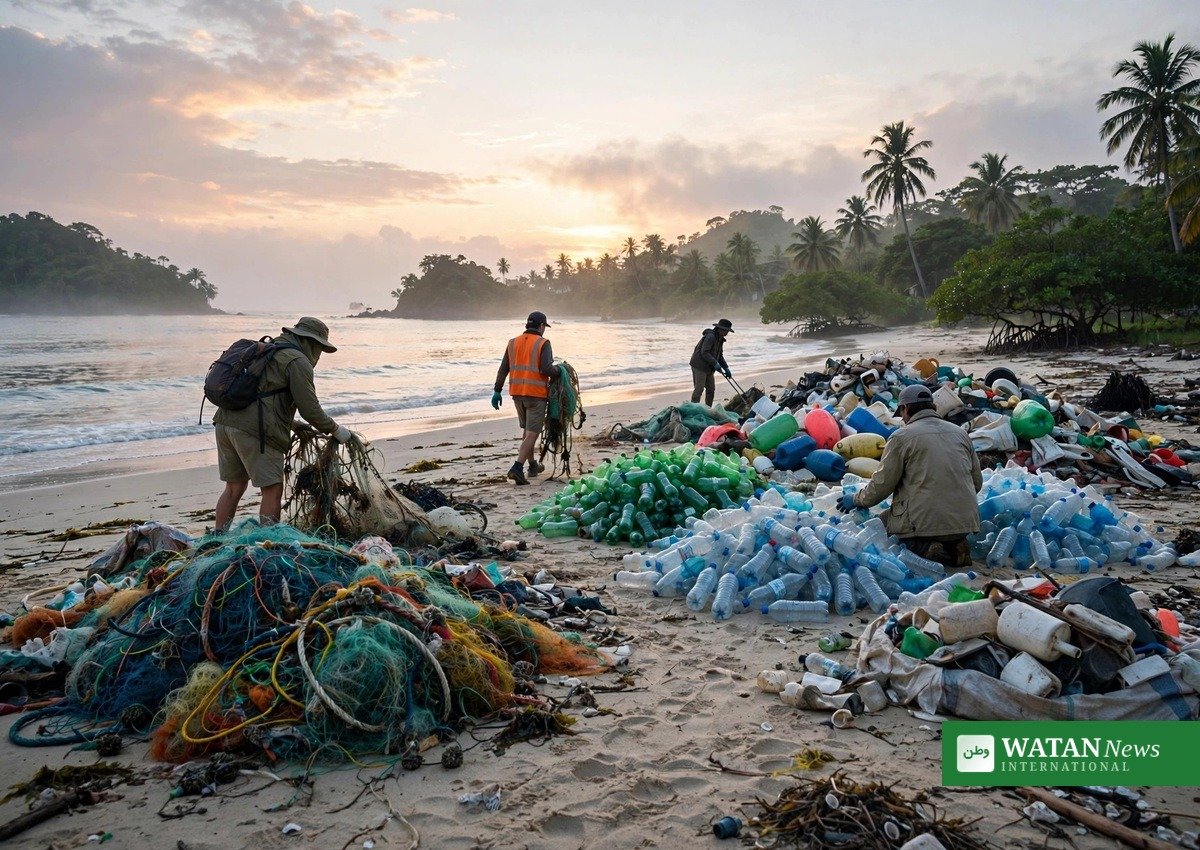
Hawaii faces a unique waste dilemma. Shipping plastic off the islands is expensive, local landfills are nearing capacity, and Pacific currents deposit huge volumes of derelict fishing gear — so-called “megaplastics” — on Hawaiian beaches. Through the center’s Bounty Project, researchers have already removed 84 tons of this gear from the ocean.
Since 2020, Hawaii has paved most roads with polymer-modified asphalt (PMA), which uses a virgin petroleum-based polymer called SBS (styrene-butadiene-styrene) to make asphalt more elastic against tropical heat and heavy rain. The CMDR team asked a simple question: could recycled high-density polyethylene (HDPE) from fishing nets and local residential plastic replace that virgin polymer?
What the tests found
A local paving company laid experimental road sections on Oahu — including a stretch at Ewa Beach — using three mixes: standard SBS asphalt as a control, asphalt with recycled polyethylene from Honolulu’s recycling program, and asphalt with polyethylene from discarded fishing nets. After about eleven months of regular traffic, researchers collected road dust and ran it through advanced analysis, including pyrolysis gas chromatography–mass spectrometry.
The findings, reported this week, are encouraging:
- No extra microplastic shedding: pavements with recycled polyethylene released no more polymer than the conventional SBS control; detected microplastic particles were mostly composite material bound into the asphalt matrix, not pure plastic fragments.
- Comparable durability: mechanical tests showed encouraging resistance to rutting, though cracking performance remains less certain.
- Perspective on pollution: strikingly, tire-wear particles in road dust dwarfed microplastic emissions from the asphalt itself by several orders of magnitude.
“We want to empirically test for [leaching] before this would ever be scaled up,” Lynch said of the careful approach. Simulated stormwater tests likewise showed negligible microplastic release across all pavement types.
A circular-economy model with limits
The approach could create a valuable outlet for some of the hardest-to-manage plastic streams — discarded fishing gear that is expensive to ship away and uneconomical to recycle mechanically. Researchers in Texas are running parallel trials in parking areas and on a roughly one-mile road section near Dallas.
The scientists are clear-eyed about the caveats: long-term durability and environmental safety data are still needed before recycled-plastic asphalt can be deployed at scale. But the early evidence suggests waste plastic can become infrastructure without becoming pollution.
For more circular-economy stories, see Watan News’ zero-waste coverage.
Conclusion
Hawaii’s experiment points to a future where the fishing nets choking the Pacific become the roads of the islands — a neat circular-economy loop. The science so far says it can be done safely; the next test is whether it lasts.
FAKTA
- What: Recycled-plastic asphalt — replacing virgin SBS polymer in road asphalt with recycled polyethylene from marine debris and household plastic.
- Who: Center for Marine Debris Research, Hawaiʻi Pacific University, led by Dr. Jennifer Lynch; funded by the Hawaii Department of Transportation.
- Key result: No greater microplastic shedding than conventional asphalt; comparable rutting resistance; presented at the ACS Spring 2026 meeting.
- Scale so far: 84 tons of derelict fishing gear removed via the Bounty Project; test sections on Oahu, including Ewa Beach.
- Caveat: Long-term durability and environmental safety still under evaluation.
Frequently asked questions
What is polymer-modified asphalt?
It is road asphalt blended with a polymer to make it more elastic and durable. Hawaii has used it since 2020, traditionally with a virgin petroleum-based polymer called SBS (styrene-butadiene-styrene).
Where does Hawaii’s marine plastic come from?
Pacific currents carry large volumes of derelict fishing gear and other plastics onto Hawaiian shores, while shipping local waste off the islands is costly and landfills are filling up.
Did the recycled roads release more microplastics?
No. After about eleven months of traffic, road-dust analysis found no greater polymer shedding from recycled-polyethylene asphalt than from conventional SBS asphalt, and stormwater simulations showed negligible release.
Why is this a zero-waste solution?
It gives hard-to-recycle plastics — especially discarded fishing nets — a productive second life as infrastructure, keeping them out of landfills and the ocean while displacing virgin petroleum-based polymer.
What happens next?
Researchers continue long-term monitoring of durability and environmental safety; parallel trials are also underway in Texas. Scaling up depends on those results.
Author

usman2344913@gmail.com
Related Posts

Saudi Arabia Postpones ‘Davos in the Desert’ Investment Summit to 2027 Amid Houthi Attacks
- 0
- 653 words
Saudi Arabia has postponed its flagship Future Investment Initiative, the annual gathering of global finance and business leaders known as the “Davos...
Read out all
Hawaii tester veje af genbrugsplast: Fiskenet bliver til asfalt
- 0
- 846 words
Forskere på Hawaii asfalterer veje med asfalt lavet af genbrugte fiskenet og plastaffald — et cirkulært svar på øernes affaldskrise. (Illustration: Watan...
Read out all
کاپ31 ایکشن ایجنڈا: 2035 تک بجلی کاری 35 فیصد، فضلے کی نمو آدھی کرنے کا ہدف
کاپ31 صدارت نے انطالیہ اجلاس کو «نفاذی کاپ» قرار دیا ہے — دس موضوعات اور 2035 تک کے چھ عالمی اہداف پر...
Read out all
COP31’s handlingsplan sætter 2035-mål: 35 % elektrificering og halveret affaldsvækst
- 0
- 925 words
COP31-formandskabet har udråbt Antalya-topmødet til en “implementerings-COP” med en handlingsplan over 10 temaer og seks globale 2035-mål. (Illustration: Watan News) Tre uger...
Read out all
COP31 Action Agenda Sets 2035 Targets: 35% Electrification, Halving Waste Growth
- 0
- 938 words
The COP31 presidency has framed the Antalya summit as an “Implementation COP”, built around a 10-theme Action Agenda with six global 2035...
Read out all
ہوائی: سمندری پلاسٹک اور ماہی گیری کے جالوں سے سڑکیں بنانے کا کامیاب تجربہ
ہوائی کے محققین ماہی گیری کے پھینکے گئے جالوں اور پلاسٹک فضلے سے سڑکوں کا اسفالٹ بنا رہے ہیں — جزائر کے...
Read out all