- 0
- 938 words
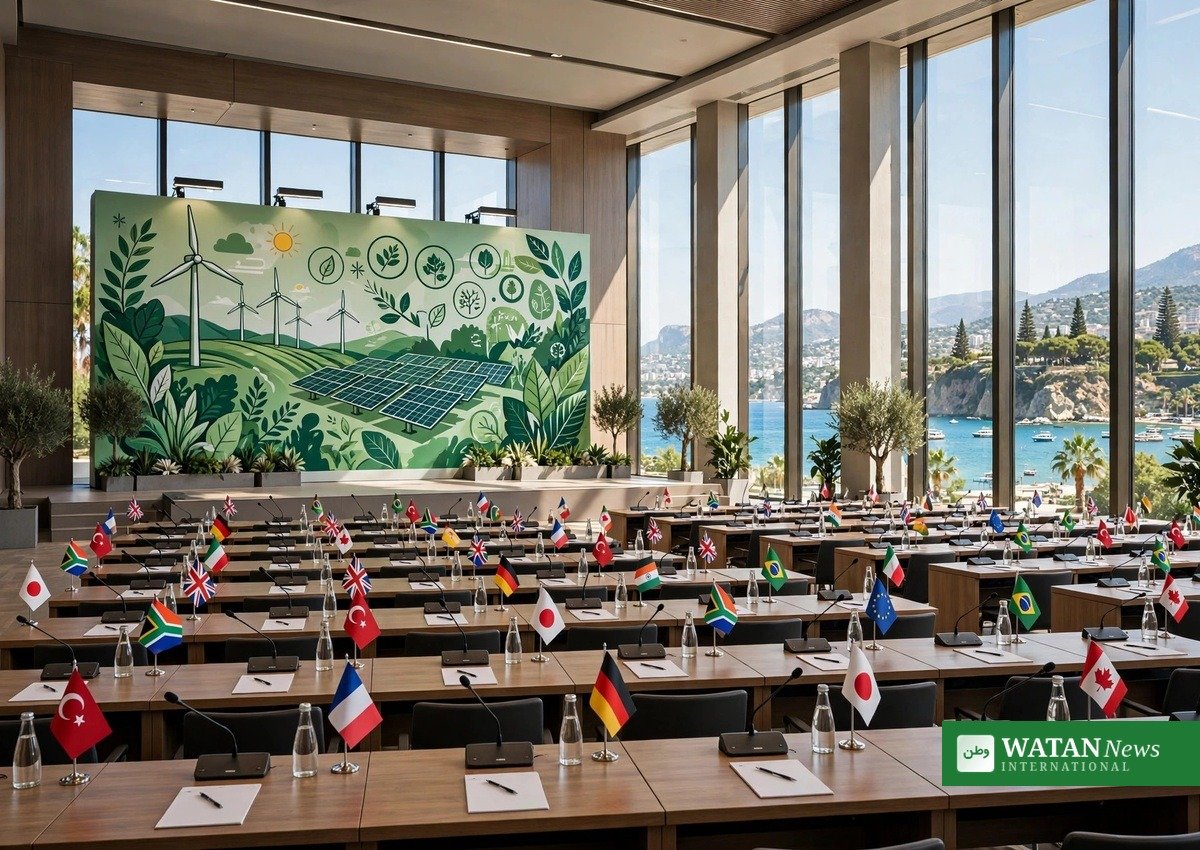
With three weeks to go before COP31 opens in Antalya, Türkiye, the summit’s presidency has put hard numbers on the table: the COP31 Action Agenda sets six global implementation targets for 2035, including raising electricity’s share of global energy demand to 35 percent and cutting projected growth in municipal solid waste by half.
Unveiled by COP31 President and Turkish Environment Minister Murat Kurum at a United Nations event in New York and detailed in the presidency’s “Road to Antalya” letters, the agenda is built on ten priority themes and carries the banner “Driving Implementation Through Cooperation and Collective Action”. The message is deliberate: this summit is to be judged on delivery, not on new pledges.
The six COP31 Action Agenda 2035 targets
The presidency says the targets, if met, could cut global emissions by 8.5 to 10 gigatons of CO2 by 2035. They are:
- Electrification: raise the global electrification rate — electricity’s share of final energy demand — to 35 percent by 2035.
- Zero waste and methane reduction: reduce the projected increase in municipal solid-waste generation by 50 percent by 2035, tackling methane from waste.
- Resilient cities and buildings: cut energy-use intensity in the building sector by at least 25 percent by 2035.
- Green industrialization: raise the use of circular materials in manufacturing and production to at least 15 percent by 2035.
- Climate-resilient agriculture and education: ensure climate-resilient farming practices and climate-change education reach all segments of society by 2035.
- Climate Implementation Bridge: expand the mechanism that connects national climate plans (NDCs) with investment, financing and execution.
Ten themes, one direction: implementation
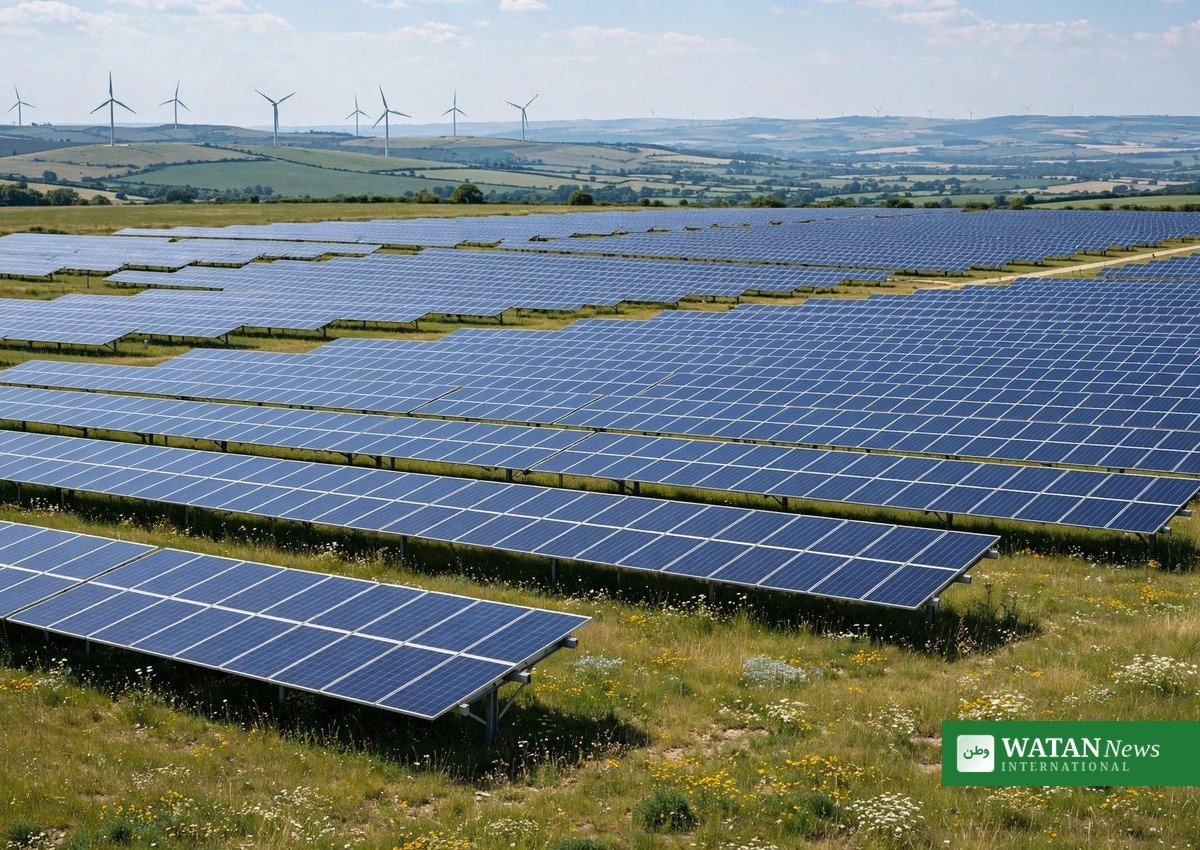
Beyond the headline numbers, the Action Agenda covers ten themes: clean energy and electrification, zero waste and methane reduction, climate-resilient cities, green industrialization, youth and education, food security, oceans, health systems, biodiversity and land-use synergies, and the implementation of national climate plans.
“For us, implementation is not simply announcing more commitments, but turning existing commitments into measurable results on the ground,” Kurum said at the UN presentation, adding that the presidency would work to bring technology, investment and real needs together. The agenda also includes a Green Industrialisation Facilitation Mechanism for the least-developed countries (LDC-GIF), designed to connect their industrialization needs with technology, expertise and financing.
Thematic days: Zero Waste takes the Leaders’ stage
Each conference day carries a theme. Notably, 11 November — day one of the World Leaders Summit — is dedicated to Zero Waste, followed on 12 November by Resilient Cities and the Built Environment. Other days cover food, agriculture and health (9 November), energy and transport (10 November), finance and trade (13 November), children, youth, education and skills (14 November), science, industry and technology (16 November) and oceans, seas, nature and land use with a Rio-conventions synergy focus (17 November).
The road to Antalya: consensus and a finance fault line
Türkiye’s permanent representative to the UN, Ambassador Ahmet Yildiz, told a UN General Assembly event on 16 October — “A Planet Fit for the Future: Restoring Trust through Climate Action” — that Türkiye would run the presidency in a “transparent, consultative and predictable” manner and called on countries to ensure high-level participation. Under the Türkiye–Australia partnership, Murat Kurum holds the COP31 presidency while Australia’s Climate Change Minister Chris Bowen presides over the formal negotiations.
The EU, for its part, adopted its COP31 mandate on 12 October, with ministers calling for a “step-change” in the delivery of the Paris Agreement. But according to reporting on the bloc’s internal negotiating document, there is “no scope” for new EU climate-finance pledges at the summit — a position likely to be contested by developing countries. Finance, adaptation and loss and damage therefore remain the fault lines to watch when negotiators land in Antalya on 9 November.
For more on the summit preparations, see Watan News’ COP31 coverage.
Conclusion
The Action Agenda gives COP31 something measurable to be judged against: 35 percent electrification, halved waste growth, and a quarter less energy intensity in buildings by 2035. Whether the “Implementation COP” lives up to its name will be decided in Antalya — and in the national policies that follow.
FAKTA
- What: COP31 Action Agenda — 10 priority themes and 6 global implementation targets for 2035.
- Key numbers: 35% electrification; 50% slower growth in municipal waste; 25% lower building energy intensity; 15% circular materials in manufacturing; 8.5–10 Gt CO2 potential cuts by 2035.
- When/where: COP31, 9–20 November 2026, Antalya Expo Center, Türkiye; World Leaders Summit 11–12 November.
- Who leads: COP31 President Murat Kurum (Türkiye); President of Negotiations Chris Bowen (Australia).
- Watch: 11 November — Zero Waste thematic day on Leaders Summit Day 1.
Frequently asked questions
What is the COP31 Action Agenda?
It is the Turkish COP31 presidency’s program of practical initiatives outside the formal negotiations, built on ten priority themes and six quantified 2035 targets, under the banner “Driving Implementation Through Cooperation and Collective Action”.
When and where is COP31?
COP31 takes place from 9 to 20 November 2026 at the Expo Center in Antalya, Türkiye, with the World Leaders Summit on 11–12 November.
What are the headline 2035 targets?
Raising electricity’s share of global energy demand to 35 percent, halving projected growth in municipal solid waste, cutting building energy-use intensity by at least 25 percent, and raising circular-material use in manufacturing to at least 15 percent.
Who is leading COP31?
Türkiye holds the presidency under President-designate Murat Kurum, while Australia’s Chris Bowen presides over the formal negotiations under the Türkiye–Australia partnership.
What is the LDC-GIF?
The Green Industrialisation Facilitation Mechanism for least-developed countries — a planned COP31 initiative connecting their industrialization needs and project opportunities with technology, expertise and financing.
Author

usman2344913@gmail.com
Related Posts
Saudi Arabia Postpones ‘Davos in the Desert’ Investment Summit to 2027 Amid Houthi Attacks
- 0
- 653 words
Saudi Arabia has postponed its flagship Future Investment Initiative, the annual gathering of global finance and business leaders known as the “Davos...
Read out all
Hawaii Turns Ocean Plastic Into Roads: Recycled Fishing Nets Show Promise
- 0
- 839 words
Researchers in Hawaii are paving roads with asphalt made from recycled fishing nets and plastic waste — a circular-economy answer to the...
Read out all
Hawaii tester veje af genbrugsplast: Fiskenet bliver til asfalt
- 0
- 846 words
Forskere på Hawaii asfalterer veje med asfalt lavet af genbrugte fiskenet og plastaffald — et cirkulært svar på øernes affaldskrise. (Illustration: Watan...
Read out all
کاپ31 ایکشن ایجنڈا: 2035 تک بجلی کاری 35 فیصد، فضلے کی نمو آدھی کرنے کا ہدف
کاپ31 صدارت نے انطالیہ اجلاس کو «نفاذی کاپ» قرار دیا ہے — دس موضوعات اور 2035 تک کے چھ عالمی اہداف پر...
Read out all
COP31’s handlingsplan sætter 2035-mål: 35 % elektrificering og halveret affaldsvækst
- 0
- 925 words
COP31-formandskabet har udråbt Antalya-topmødet til en “implementerings-COP” med en handlingsplan over 10 temaer og seks globale 2035-mål. (Illustration: Watan News) Tre uger...
Read out all
ہوائی: سمندری پلاسٹک اور ماہی گیری کے جالوں سے سڑکیں بنانے کا کامیاب تجربہ
ہوائی کے محققین ماہی گیری کے پھینکے گئے جالوں اور پلاسٹک فضلے سے سڑکوں کا اسفالٹ بنا رہے ہیں — جزائر کے...
Read out all