
- 0
- 698 words
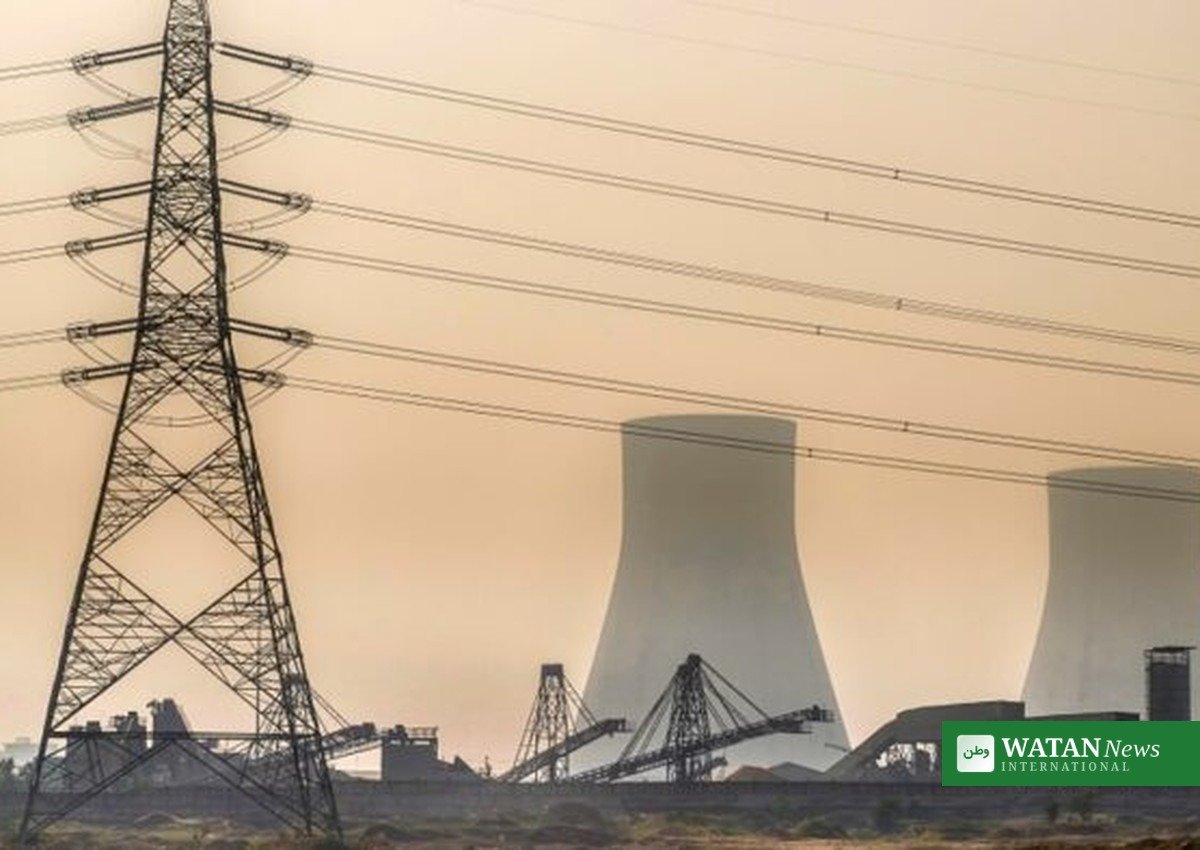
Half of India’s coal-fired power plants are running critically low on fuel, as surging electricity demand, hotter-than-usual weather and falling hydropower output put the country’s power system under strain, government data showed on Wednesday.
The number of plants with critically low coal stocks — enough fuel to generate power for less than three days — rose to 96 of 191 plants as of October 19, up from 60 plants in mid-September, according to data from India’s Central Electricity Authority. Total coal stocks at power stations have fallen by about 5 percent since the beginning of October.
FAKTA: India coal plants low fuel
- 96 of 191 coal-fired power plants held critically low fuel stocks on October 19, up from 60 in mid-September.
- Less than three days: that is how long the critically low plants could keep generating at current rates from their stocks.
- Demand up 45–50 gigawatts: daily peak electricity demand this year has run that much higher than a year earlier.
- September gap: the gap between power demand and supply reached 560 million kilowatt-hours, the highest since August 2023.
- Coal generation rose 13.3 percent in September from a year earlier, while hydropower generation fell 20 percent.
What the India coal plants low fuel data shows
The Central Electricity Authority data, reported on Wednesday, shows a rapid tightening over the past five weeks. Plants classed as critically low are those with less than 25 percent of the required inventory or fuel for less than three days of generation.
India’s total coal stocks at power stations fell by about 5 percent in the first weeks of October, even as the coal ministry said last week that it had ramped up supplies to power plants.
Why demand is surging
Daily peak electricity demand this year has been running about 45 to 50 gigawatts higher than a year earlier, the data showed. Weaker monsoon rains reduced hydropower output and increased reliance on thermal plants, while hotter-than-usual weather linked to El Niño pushed demand higher.
In September, coal-fired generation rose 13.3 percent from a year earlier, while hydropower generation fell 20 percent. Even so, the gap between demand and supply widened to 560 million kilowatt-hours in September, the highest since August 2023.
India is adding renewable energy, with nearly 55 percent of power generation coming from non-fossil-based sources, according to the report, but a lack of batteries to store clean energy is driving the country to depend on coal-based power during high-demand periods.
Government response: domestic supply instead of imports
India has shelved a proposal to mandate coal imports to boost stockpiles, Bloomberg News reported on Monday, citing people familiar with the matter. The government had discussed asking power plants to blend imported grades with domestic coal, but multi-year high thermal coal prices and a weaker rupee have made seaborne shipments unattractive, while higher energy import bills add to the cost.
Policymakers instead asked state-run Coal India to increase output and the railway to help secure transport to power stations. India has also ordered more than 100 captive coal-fired power plants to operate at maximum capacity from October 1 through the end of the year to meet expected demand growth.
The coal ministry said earlier this month that daily coal supplies to the power sector had increased by about 36 percent from September levels and that the pace of inventory depletion had moderated. It said a “critical stock” designation is an early warning and does not necessarily mean a plant is running out of coal or faces an imminent shutdown, and that plants with low inventories are being monitored closely, with supplies redistributed to support uninterrupted generation.
What happens next
The ministry said rail loading had strengthened, averaging more than 465 rakes a day in October, with the target of 470 rakes achieved on three consecutive days. It said sustained coal transportation of 465 to 475 rakes a day should help stabilise inventories and support stock rebuilding ahead of festive-season, winter and subsequent summer demand.
For now, the data points to a power system leaning harder on coal at exactly the moment its fuel cushion is thinnest — a balance the government will need to hold through the winter demand season. More business news.
Author

usman2344913@gmail.com
Related Posts

Seattle Colleges Named 2026 Zero+ Champion of Sustainability for Campuswide Decarbonization
- 0
- 621 words
Seattle Colleges has been named a 2026 Zero+ Champion of Sustainability, recognising its work to decarbonise campuses across its three-college district and...
Read out all
GoImpact Green Tech Summit 2026 Opens in Hong Kong to Turn Climate Risks into Opportunities
- 0
- 519 words
The GoImpact Green Tech Summit 2026 opened in Hong Kong on 21 October, bringing more than 50 experts and leaders and over...
Read out all
Bangladesh Awaits Saudi Response Over Execution of Two Nationals
- 0
- 495 words
Bangladesh is still waiting for an official response from Saudi Arabia after two of its nationals were executed in the kingdom on...
Read out all
China Defends Coast Guard Patrols Around Taiwan-Controlled Pratas Atoll
- 0
- 820 words
China said on Wednesday that its coast guard was “safeguarding order” around the Pratas atoll, the Taiwan-controlled island group at the northern...
Read out all
Two Dead Near Kharkiv as Fresh Russian Strikes Hit Three Ukrainian Cities
- 0
- 496 words
Russian drones killed two people near Ukraine’s second-largest city, Kharkiv, during overnight attacks, regional governor Oleh Syniehubov said on Wednesday, 21 October....
Read out all
Techno-Optimistic Scientists Take Fewer Climate Actions, Study of 9,000 Scientists Finds
- 0
- 705 words
Scientists who believe technology will largely solve the problems caused by climate change take measurably fewer climate actions themselves, according to a...
Read out all