- 0
- 723 words
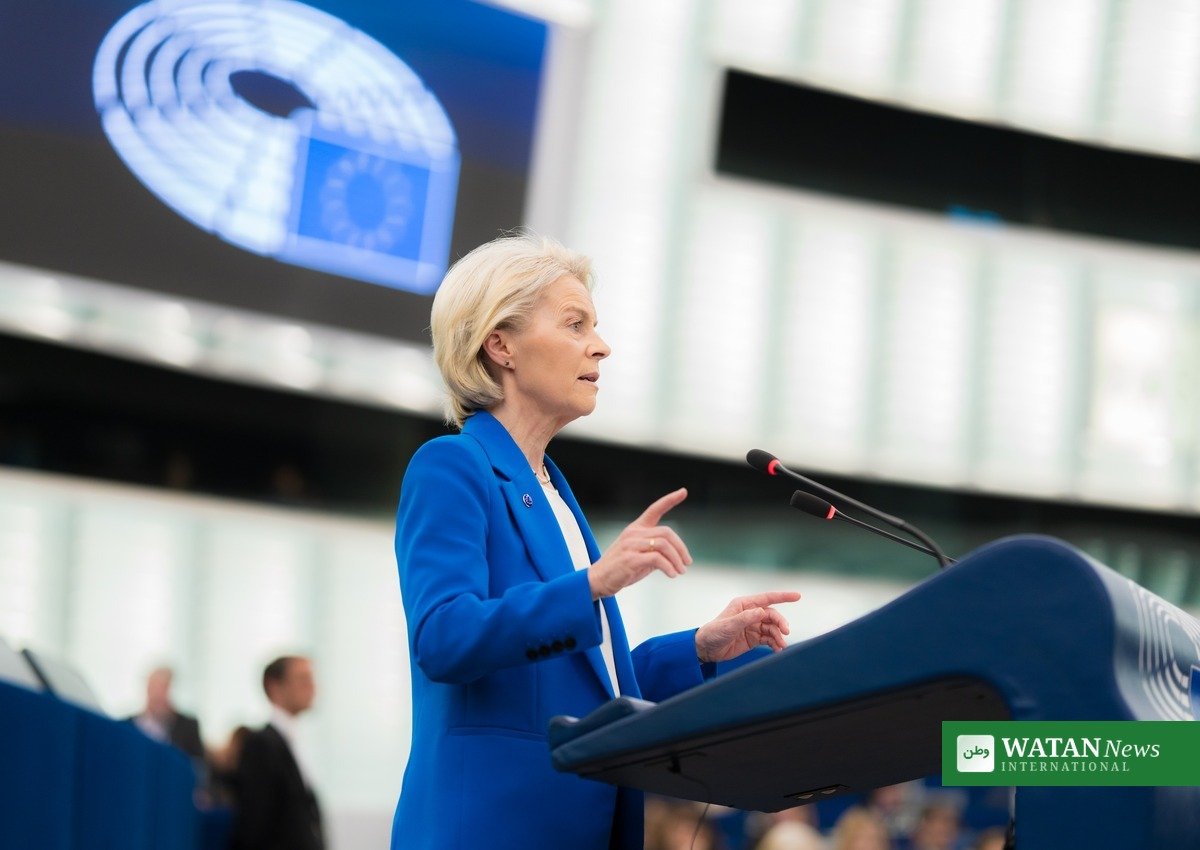
European Commission President Ursula von der Leyen told the European Parliament on Wednesday that the Commission will propose new tools to shield the European Union’s single market from unfair competition from cheap imports, including a new instrument that would let member states immediately limit access to the market when a surge in imports threatens European industries. The EU trade tools von der Leyen outlined also include a solidarity package to help countries facing specific trade threats.
FAKTA: EU trade tools von der Leyen
- Who: European Commission President Ursula von der Leyen, speaking in the European Parliament on Wednesday, 21 October 2026.
- What: A new instrument to immediately limit access to the EU single market when import surges threaten European industries, plus a solidarity package for countries facing specific trade threats.
- Why: The EU’s goods trade deficit with China is running at more than €1 billion a day, and European industries have called for decisive action against unfair competition.
- Background: EU leaders backed the approach at a summit on 16–17 October, after a Franco-German paper proposed a rapid-action measure to strike back against countries that harm the EU economy.
- Next step: In December, the Commission will propose a further instrument to limit EU companies’ reliance on single sources for certain critical supplies.
What the EU trade tools von der Leyen announced would do
Von der Leyen said the new instrument should enable EU countries to “immediately” limit access to the single market when surges in cheap imports threaten European industries. She framed the move as a defence of fair competition, telling lawmakers: “Competitiveness depends on our companies being able to compete on fair terms globally.”
She also said the Commission would propose a solidarity package to help countries that face specific trade threats, and warned that economic power is increasingly being used as a weapon. “In a world where economic power is increasingly used as a weapon, Europe must use its economic strength to defend its interests together,” she said.
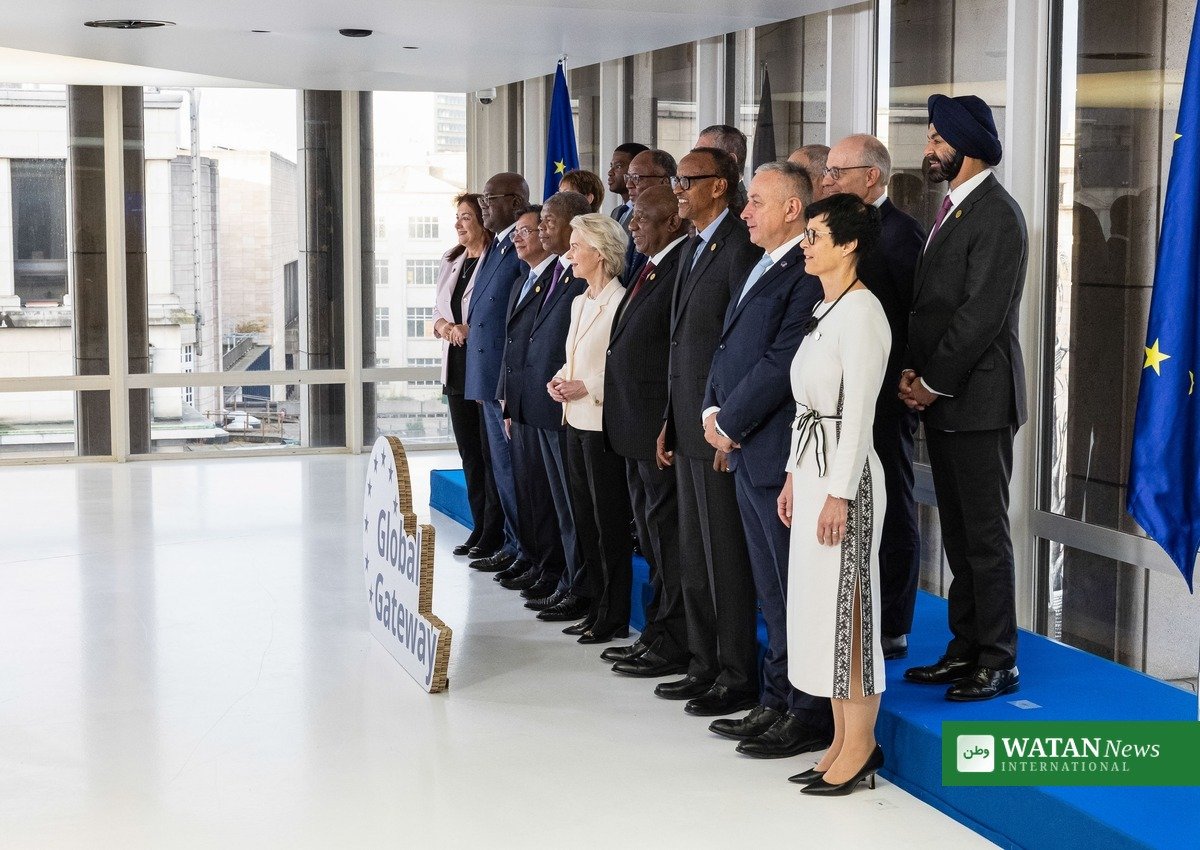
The Commission chief stressed that the new tools are not a substitute for the instruments the EU already has. “New tools are not an alternative to the full use of existing instruments. We should use them to the fullest, just as it is needed in the different situations,” she said after the leaders’ summit.
Why Brussels is acting now
The push follows months of pressure from European manufacturers over cheap imports and a widening trade imbalance. The EU’s goods trade deficit with China is running at more than €1 billion ($1.12 billion) a day, and von der Leyen has said the deal struck with Beijing to halve inbound shipments of Chinese hybrid cars will not fix the structural imbalance.
“And this is why we need to act,” she said after the summit. “Our industries have called for action and we have heard them and we will respond, including some more safeguards.”
French President Emmanuel Macron told reporters after the summit that the EU should focus on measures for chemicals, plastics and ferro-alloys. Von der Leyen welcomed the Franco-German paper published last month, which proposed reinforcing the EU economy with a new rapid-action measure against countries that harm it. German Chancellor Friedrich Merz said leaders gave the proposal broad support, describing it as surprisingly broad consensus with unanimous and unconditional backing.
China has pushed back against the direction of travel. Chinese foreign ministry spokeswoman Mao Ning warned the EU earlier against introducing protectionist or discriminatory policy measures.
What comes next
Beyond the immediate market-access instrument and the solidarity package, the Commission will present a proposal in December for a new instrument designed to reduce EU companies’ dependence on single sources of supply for certain critical goods. A diversification tool to encourage firms to spread their suppliers is also in preparation.
The proposals will need the backing of EU governments and the European Parliament before they become law, and the debate over how far and how fast the bloc should move is likely to continue. For now, the message from Brussels is that Europe intends to defend its industries more forcefully — through new instruments, and through the full use of the tools it already holds. For more on the bloc’s economy, see Watan News Europe coverage.
Author

usman2344913@gmail.com
Related Posts

UNEP Emissions Gap Report 2026: World Will Overshoot 1.5°C, but Deep Cuts Can Bring It Back
- 0
- 976 words
The world will overshoot the 1.5°C climate limit, but deep and fast emission cuts can still bring temperatures back below that threshold...
Read out all
Italy Birth Rate Record Low Expected in 2026
- 0
- 427 words
New official figures point to an Italy birth rate record low in 2026, deepening a demographic crisis that has now run for...
Read out all
Burkina Faso Restores Death Penalty After Unanimous Parliament Vote
- 0
- 582 words
Burkina Faso’s parliament has voted unanimously to restore the Burkina Faso death penalty, bringing back capital punishment nearly a decade after the...
Read out all
Islamabad and Malé Aim to Lift Trade to $200 Million Within Two Years
- 0
- 469 words
Pakistan and the Maldives have set a Pakistan Maldives trade target of $200 million to be reached within two years, a leap...
Read out all
Pact2School Puts Climate Ambassadors in European Classrooms — and Offers Schools Up to €1,000 for Student Projects
- 0
- 932 words
Schools and universities across Europe can now team up with Pact2School climate ambassadors to turn students’ climate ideas into real projects —...
Read out all
French Mirage Jet Crashes in Northeast France, One Crew Member Dead and Another Missing
- 0
- 475 words
One crew member has died and a second remains missing after a French Air Force fighter jet crashed in northeastern France on...
Read out all