- 0
- 932 words
Schools and universities across Europe can now team up with Pact2School climate ambassadors to turn students’ climate ideas into real projects — and student-led projects can compete for up to €1,000 in funding, with the next application window closing on 15 January 2027.
The European Union’s Learning Corner highlighted the campaign on 19 October 2026, inviting schools to join Pact2School, the European Climate Pact’s schools campaign. It is a news story about ambassadors in action: rather than asking young people only to learn about climate change, it puts trained volunteer ambassadors beside them in the classroom and the community.
What is Pact2School?
Pact2School is a campaign run by the European Climate Pact, the European Commission initiative that brings people, communities and organisations together to tackle climate change and build a more resilient Europe. The Pact was launched as part of the European Green Deal, which supports the EU’s goal of becoming climate-neutral by 2050.
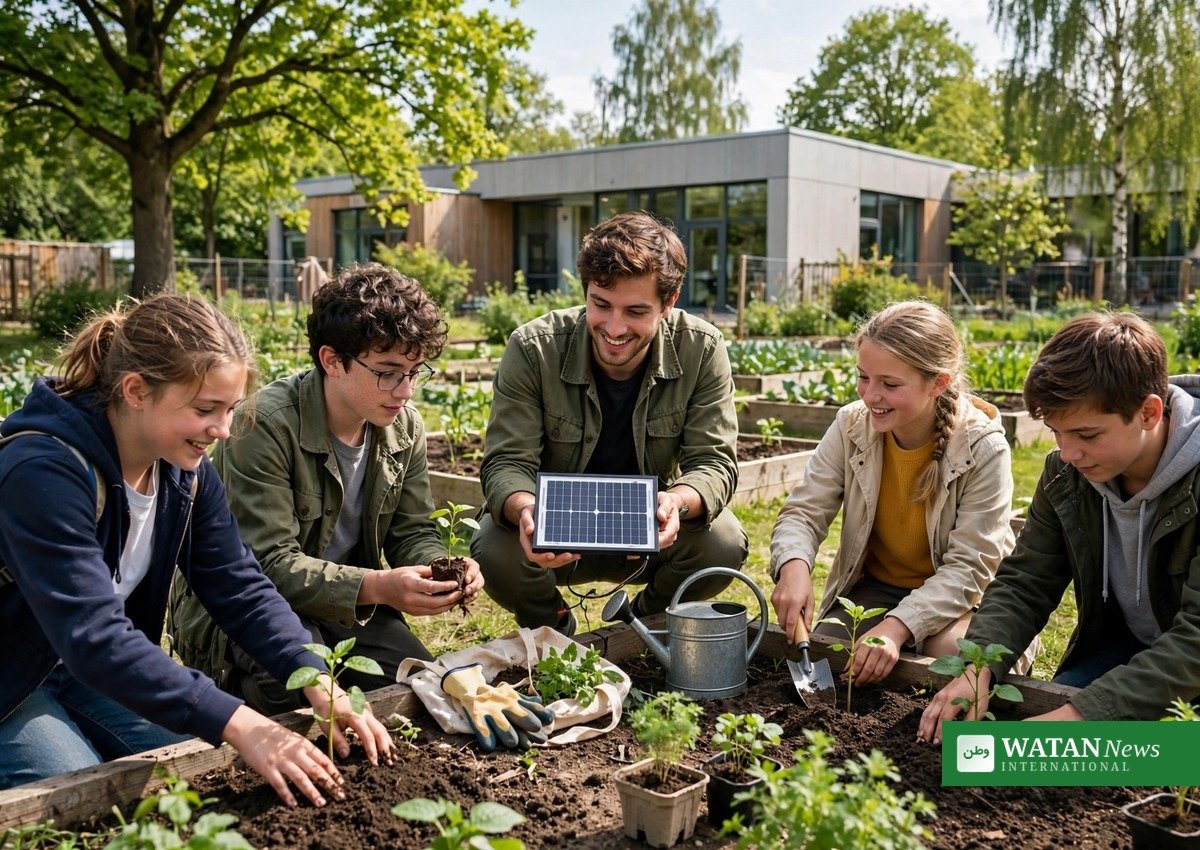
Through Pact2School, schools and universities work with Climate Pact Ambassadors and Partners to explore sustainability, develop creative solutions and make a difference in their communities. Participants can discover new ideas for climate action, connect with people who share their passion for sustainability and showcase their activities through European Climate Pact communication channels.
How Pact2School climate ambassadors work with schools
The route into the campaign is deliberately simple, according to the Pact’s own campaign page:
- Partner up: a school or university teams up with a Climate Pact Ambassador or Partner, found through the Pact’s interactive map or by contacting the Pact team.
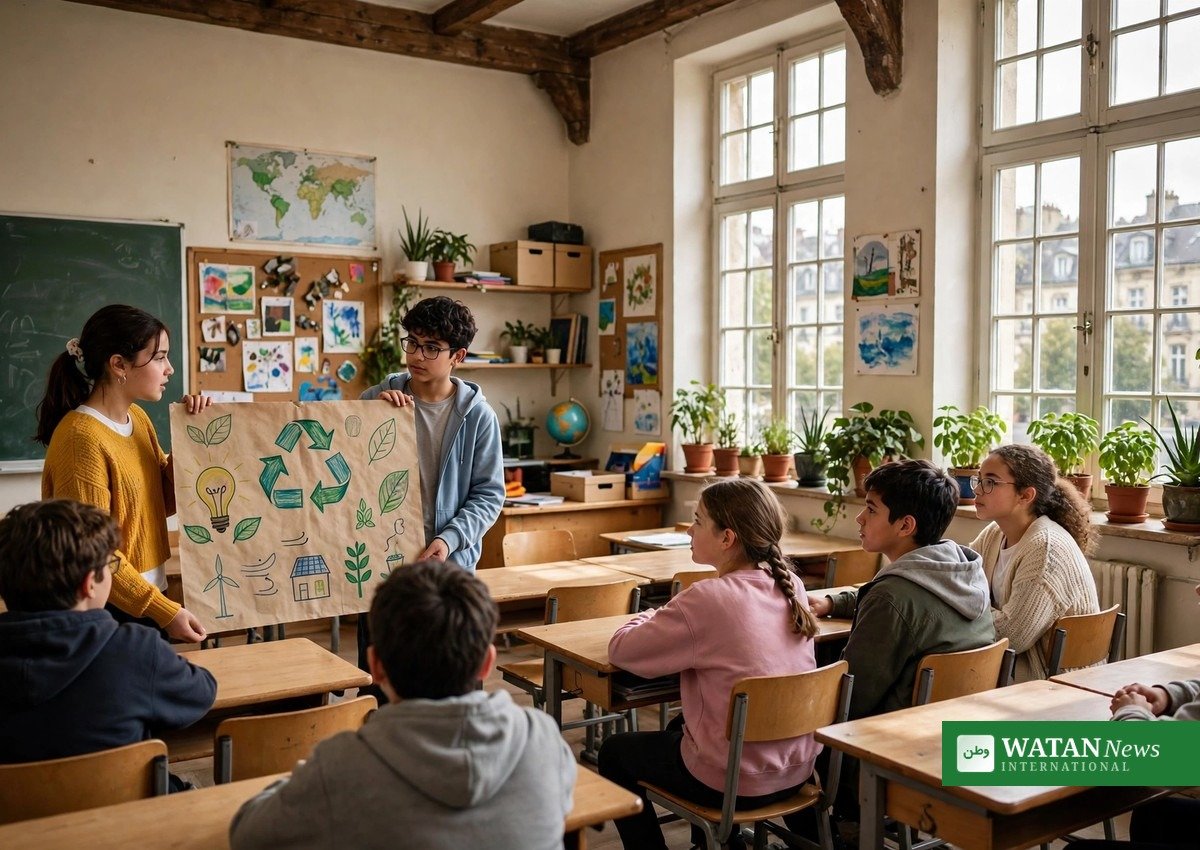
- Run a session: the ambassador helps deliver a climate awareness or engagement session suited to the students’ age group, such as a climate walk or another group activity.
- Register the session: the activity is logged on the Pact2School platform so the school is officially part of the campaign.
- Go further: after at least one session, the school can enter the Pact2School Challenge with a student-led project — and organise further engagement activities in the community.
The model matters because ambassadors are local changemakers, not distant lecturers. The European Commission describes ambassadors as people ready to inspire and motivate others to take climate action in their own communities. One ambassador cited by the Commission, Olivia from Spain, developed a simple filtering device made from two plastic bottles and a pair of tights to trap microplastics when she was 13, and has since given presentations on the device, climate change and ocean health to schools, universities and international organisations.
The €1,000 challenge and the January deadline
Student-led projects entered in the Pact2School Challenge have the chance to receive up to €1,000 in project funding to bring a climate idea to life. The funding is a competition prize for challenge entries, not a payment made to every participating school — a distinction schools should note before applying.
Two application windows were set for the current challenge round. The autumn window, for activities planned between November 2026 and January 2027, closed on 9 October 2026. The spring window is now the live one: entries must be submitted by 15 January 2027 at 12:00 CET, for activities planned between February and March 2027. The Pact also points schools to practical resources, activity ideas and winning projects from the first Pact2School round for inspiration.
For schools weighing whether to act, the timing is practical rather than symbolic: a partner found now can run a session this term, leaving the school ready to shape a challenge entry for the January deadline. Related ambassador opportunities continue to open across the climate movement, including the African Climate Alliance’s ambassador programme for emerging climate justice activists, covered in Watan News’ report on the ACA Ambassador Programme 2027.
Key Facts
- What: Pact2School, the European Climate Pact’s campaign linking schools and universities with Climate Pact Ambassadors.
- Funding: Student-led challenge projects have the chance to receive up to €1,000.
- Spring deadline: 15 January 2027 at 12:00 CET, for activities in February–March 2027.
- Autumn window: Closed 9 October 2026 (activities November 2026–January 2027).
- Who takes part: Schools and universities across Europe, partnered with a Climate Pact Ambassador or Partner.
- Background: The European Climate Pact was launched by the European Commission as part of the European Green Deal, supporting EU climate neutrality by 2050.
Conclusion
Pact2School’s appeal is its sequence: an ambassador’s visit first, a student project second, and a funded result third. For schools that want climate education to end in something tangible — a garden, a recycling scheme, an energy-saving project — the January deadline gives a clear, near-term reason to find a partner now.
Frequently asked questions
What is Pact2School?
Pact2School is the European Climate Pact’s campaign that connects schools and universities with Climate Pact Ambassadors and Partners so students can explore sustainability and turn climate ideas into action in their communities.
Who can take part in Pact2School?
Schools and universities across Europe can take part, provided they partner with a Climate Pact Ambassador or Partner, found through the Pact’s interactive map or by contacting the Pact team.
How does a school join?
The school contacts an ambassador or partner, agrees a climate session suited to the students’ age group, runs it and registers the session on the Pact2School platform. After at least one session, it can enter the Pact2School Challenge.
What does the €1,000 funding cover?
Challenge entries can compete for up to €1,000 to implement a student-led climate action project. It is a competitive award for challenge entries, not funding guaranteed to every participating school.
When is the next deadline?
The spring application window closes on 15 January 2027 at 12:00 CET, for activities planned between February and March 2027. The autumn window closed on 9 October 2026.
Author

usman2344913@gmail.com
Related Posts

UNEP Emissions Gap Report 2026: Verden vil overskride 1,5 grader, men dybe nedskæringer kan bringe den tilbage
- 0
- 1,047 word
Verden vil overskride 1,5-gradersgrænsen for klimaet, men dybe og hurtige emissionsnedskæringer kan stadig bringe temperaturen tilbage under grænsen inden århundredets udgang. Det...
Read out all
یو این ای پی ایمیشنز گیپ رپورٹ 2026: دنیا 1.5 ڈگری کی حد سے آگے جائے گی، مگر گہرے اقدامات واپسی ممکن بنا سکتے ہیں
دنیا 1.5 ڈگری کی موسمیاتی حد سے آگے نکل جائے گی، لیکن اخراج میں گہری اور تیز کمی درجہ حرارت کو اس...
Read out all
UNEP Emissions Gap Report 2026: World Will Overshoot 1.5°C, but Deep Cuts Can Bring It Back
- 0
- 976 words
The world will overshoot the 1.5°C climate limit, but deep and fast emission cuts can still bring temperatures back below that threshold...
Read out all
Italy Birth Rate Record Low Expected in 2026
- 0
- 427 words
New official figures point to an Italy birth rate record low in 2026, deepening a demographic crisis that has now run for...
Read out all
Burkina Faso Restores Death Penalty After Unanimous Parliament Vote
- 0
- 582 words
Burkina Faso’s parliament has voted unanimously to restore the Burkina Faso death penalty, bringing back capital punishment nearly a decade after the...
Read out all
Islamabad and Malé Aim to Lift Trade to $200 Million Within Two Years
- 0
- 469 words
Pakistan and the Maldives have set a Pakistan Maldives trade target of $200 million to be reached within two years, a leap...
Read out all