- 0
- 582 words
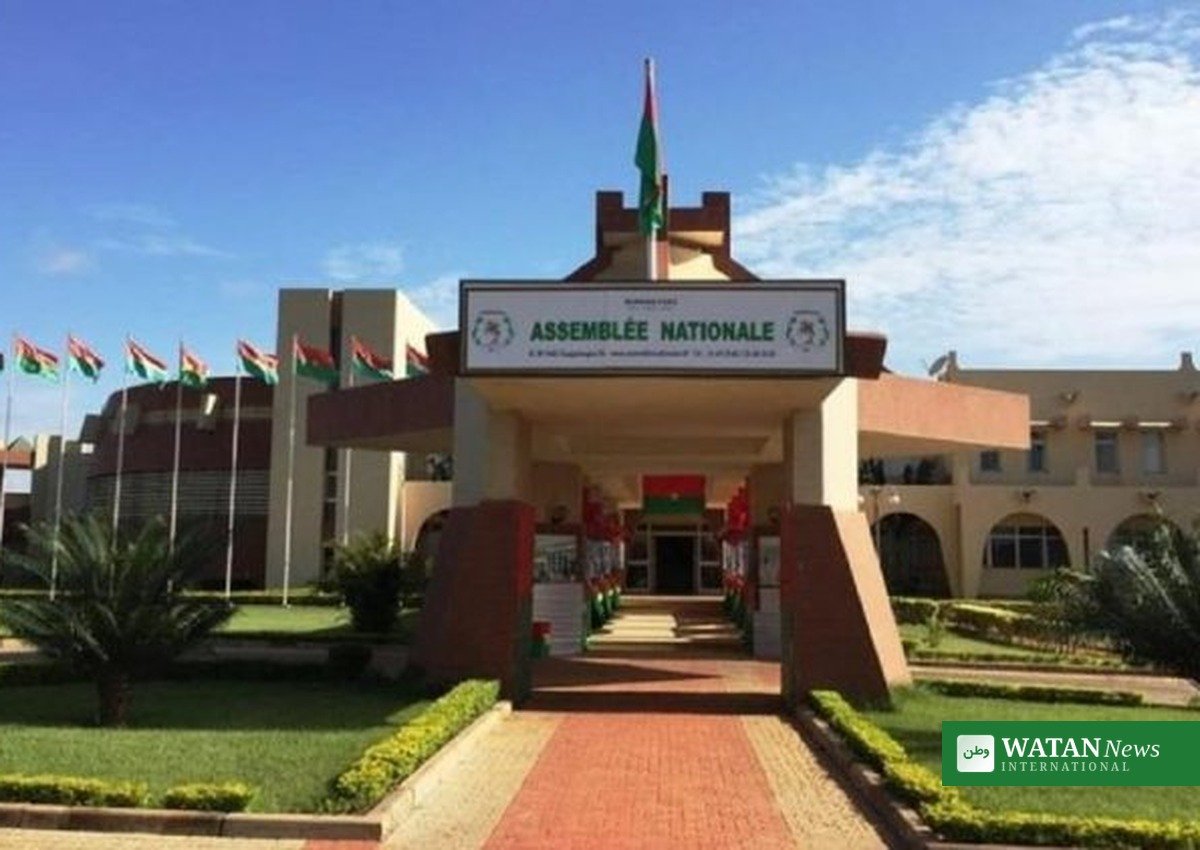
Burkina Faso’s parliament has voted unanimously to restore the Burkina Faso death penalty, bringing back capital punishment nearly a decade after the West African country abolished it. The country’s Justice Ministry announced the decision on Tuesday, after the 71-member assembly adopted a revised penal code.
FAKTA
- Burkina Faso’s parliament voted unanimously to restore the death penalty in a revised penal code adopted on Tuesday, 20 October 2026.
- All 71 members of the assembly backed the legislation, which was presented by Justice Minister Edasso Rodrigue Bayala on behalf of the government.
- The death penalty had been abolished in 2018; the last known judicial execution in the country took place in 1988, according to Amnesty International.
- Capital punishment will apply to crimes including terrorism, espionage, treason and importing expired or banned products that cause death.
- The government says the change is part of its response to an Islamist insurgency that has killed thousands of people and displaced millions.
Burkina Faso death penalty: what the new law covers
Under the revised penal code, the death penalty is reintroduced for a set of serious offences. According to state-run media cited by Reuters, these include terrorism, espionage and treason, as well as importing expired or banned products that result in death. Burkina Faso’s state news agency also listed patricide, the killing of a parent, among the offences covered.
The Justice Ministry said the reform aims to strengthen public order, consolidate the nation’s fundamental values and guarantee security for people and property. The ministry announced the unanimous vote in a statement after Bayala presented the bill.

Why the government says it acted
The government has presented the change as part of its response to the insurgency that has gripped Burkina Faso for years. Armed groups linked to al Qaeda and Islamic State have killed thousands of people and displaced millions across the country, and the conflict has spread into neighbouring states.
Bayala said the relative lenience of the previous penal code had helped armed groups recruit members. Burkina Faso has been under military rule since a coup in 2022, and its leader, Captain Ibrahim Traoré, announced plans last year to reinstate the death penalty. The Council of Ministers had approved a draft of the bill in December 2025 before it went to the assembly.
Rights groups warn of a chilling effect
The decision has drawn criticism from human rights organisations. Human Rights Watch said when the Council of Ministers first approved the bill last year that reinstating the death penalty could deepen repression, entrench a climate of fear and send a chilling message to critics of the military government.
Amnesty International had urged the government not to reintroduce capital punishment. The organisation dates Burkina Faso’s last recorded execution to 1988, meaning the country went almost four decades without carrying out an execution even while the penalty remained on the statute books before abolition.
A reversal after the 2018 abolition
Burkina Faso abolished the death penalty in 2018, when a new penal code omitted it as a sentencing option. The latest vote reverses that step and puts the country at odds with the broader trend across much of Africa, where a growing number of states have moved away from capital punishment in recent years.
It remains unclear exactly when the new provisions will take effect, and the precise wording of the adopted text has not yet been published in full. For more international coverage, see our world news section.
Author

usman2344913@gmail.com
Related Posts
Iraq Closes Sheeb Border Crossing With Iran Amid Security Review
- 0
- 496 words
Iraq has closed the Sheeb border crossing with Iran until further notice, halting passengers, vehicles and commercial trucks while officials review security...
Read out all
UNEP Emissions Gap Report 2026: World Will Overshoot 1.5°C, but Deep Cuts Can Bring It Back
- 0
- 976 words
The world will overshoot the 1.5°C climate limit, but deep and fast emission cuts can still bring temperatures back below that threshold...
Read out all
Italy Birth Rate Record Low Expected in 2026
- 0
- 427 words
New official figures point to an Italy birth rate record low in 2026, deepening a demographic crisis that has now run for...
Read out all
Islamabad and Malé Aim to Lift Trade to $200 Million Within Two Years
- 0
- 469 words
Pakistan and the Maldives have set a Pakistan Maldives trade target of $200 million to be reached within two years, a leap...
Read out all
Pact2School Puts Climate Ambassadors in European Classrooms — and Offers Schools Up to €1,000 for Student Projects
- 0
- 932 words
Schools and universities across Europe can now team up with Pact2School climate ambassadors to turn students’ climate ideas into real projects —...
Read out all
French Mirage Jet Crashes in Northeast France, One Crew Member Dead and Another Missing
- 0
- 475 words
One crew member has died and a second remains missing after a French Air Force fighter jet crashed in northeastern France on...
Read out all