- 0
- 1,065 word
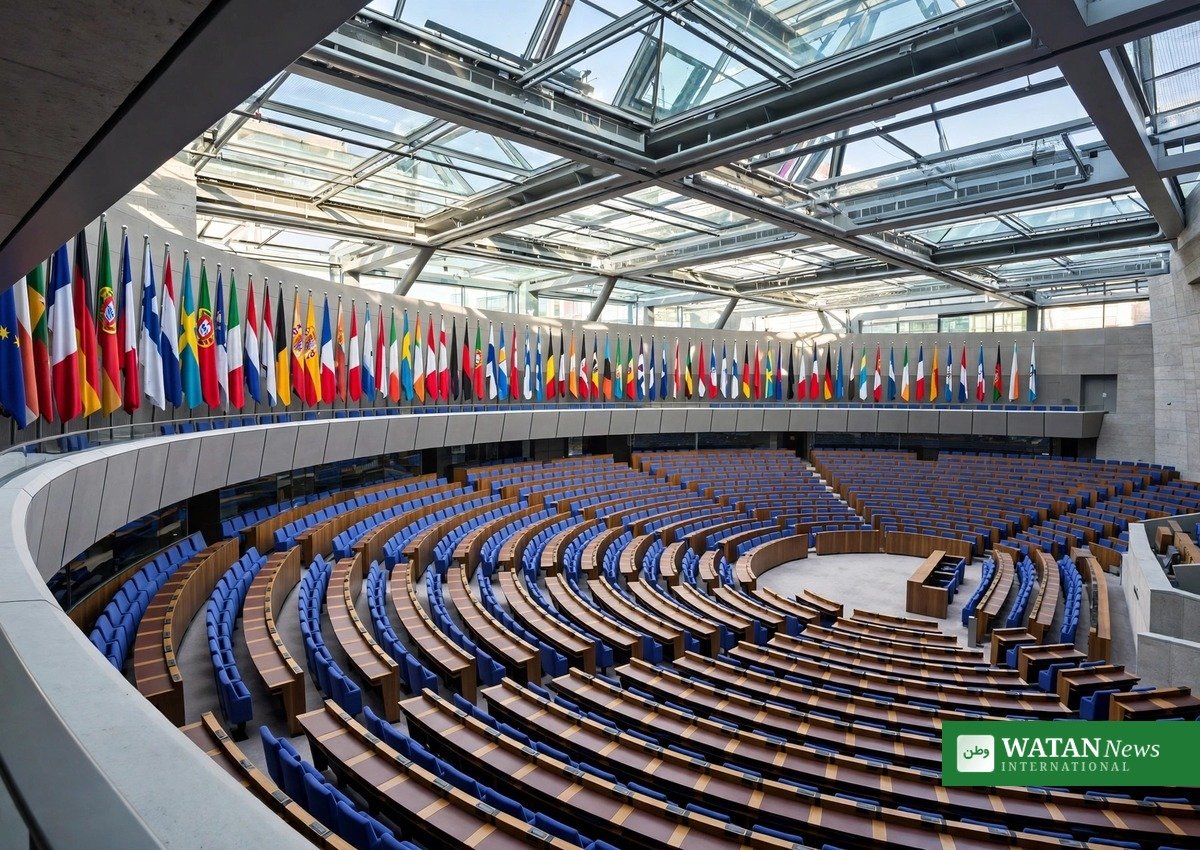
The European Parliament COP31 mandate was adopted on Thursday, 22 October, setting out what the Parliament wants the European Union to push for at the COP31 climate talks in Antalya, Türkiye, from 9 to 20 November. The mandate demands faster climate action on fossil fuels, finance and vulnerable countries, and it was adopted by a raise of hands.
According to the European Parliament, COP31 is expected to focus on advancing the fossil fuel transition, launching the next global stocktake, and putting into operation the climate finance goal agreed at COP29, known as the new collective quantified goal (NCQG). A delegation of 15 members of the European Parliament, headed by Lídia Pereira, will attend the talks from 16 to 20 November.
European Parliament COP31 mandate: what was adopted
In their resolution, members of the European Parliament point to 2025 as one of the hottest years on record and to Europe as the fastest-warming continent. They argue that the EU cannot afford to slow down on its climate action.
The Parliament notes that the EU remains on track for a 54% cut in emissions by 2030 compared with 1990 levels, if member states deliver on existing plans. At the same time, members flag that preliminary Eurostat figures show emissions actually rose by 1% between 2024 and 2025. Member states and the European Commission must now close this gap, the resolution says, stressing that all EU policies must remain aligned with the Paris Agreement and guided by the best available science.
The full Parliament’s vote follows the environment committee’s draft priorities for the talks, which set out the same broad direction earlier. The adopted text is now the Parliament’s negotiating mandate for Antalya.
Faster exit from fossil fuels
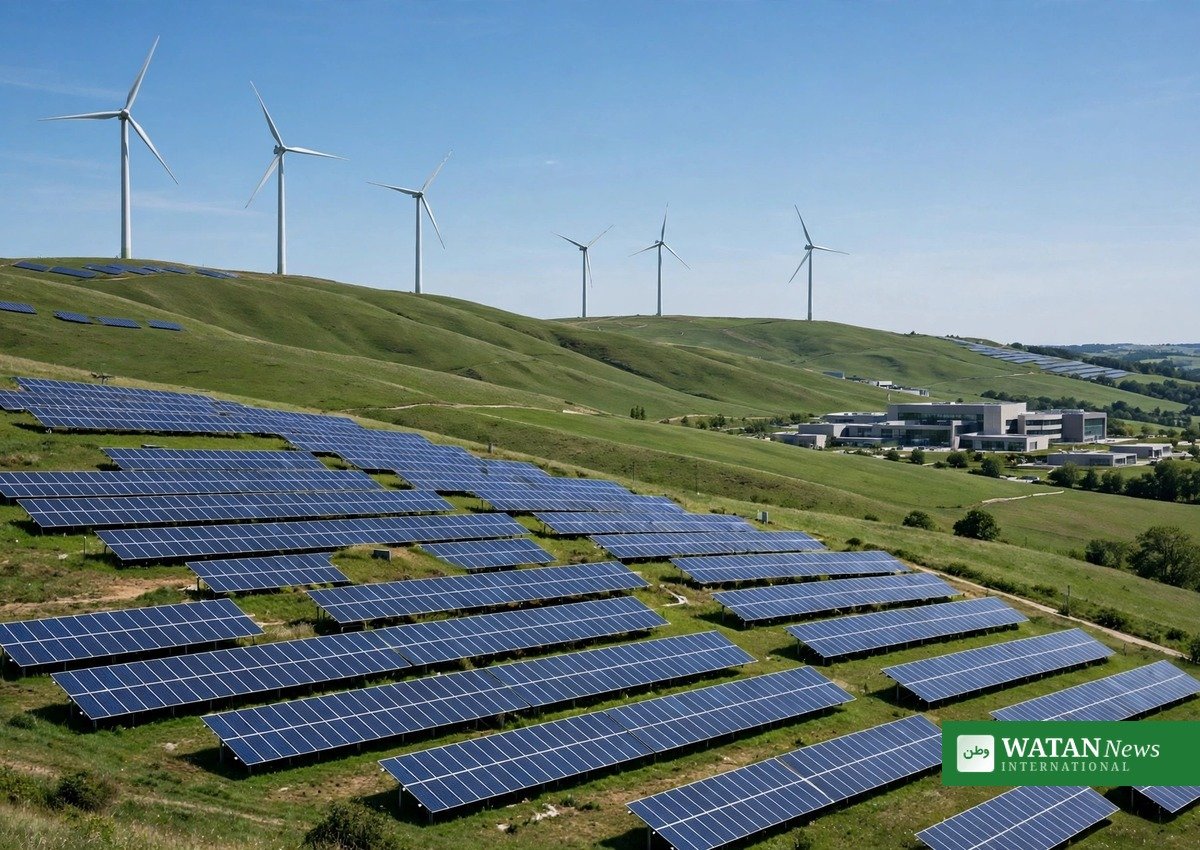
The text urges all parties to advance the roadmap on transitioning away from fossil fuels, as agreed at the previous climate conference, COP30. Members call for the EU to take a leading role in negotiations towards a fossil fuel non-proliferation treaty and for time-bound plans to phase out fossil fuel subsidies and production.
The resolution urges the EU to lead by example with its own timeline and strategy for an economy-wide phase-out. It also highlights the vulnerabilities created by fossil fuel dependence at a time of geopolitical instability, and the importance of decarbonisation for the EU’s strategic autonomy.
Closing the climate finance gap
Members stress that the gap between climate finance needs and what is currently being provided is significant and growing, and call for it to be urgently addressed. While noting that the EU and its member states remain the largest providers of public climate finance, they call for continued increases in contributions, in particular through grants and highly concessional finance.
The resolution warns against double-counting or re-categorising existing funds to meet the new collective quantified goal on climate finance (NCQG). It also calls for climate finance to be allocated so as not to worsen the debt burden on climate-vulnerable countries, giving priority to grant-based finance and debt relief instruments.
Adaptation, loss and damage: from pledges to delivery
Noting that up to 3.6 billion people are living in contexts highly vulnerable to climate change, members call for the rapid scaling-up of predictable and accessible finance for the fund for responding to loss and damage. They also call for all parties to deliver on the goal of tripling adaptation finance by 2035.
The resolution calls for swift operationalisation of the just transition mechanism agreed at COP30, and for climate action to be paired with measures supporting green jobs, reskilling and social dialogue.
For background, the European Climate Law established the goal for the EU to become climate neutral by 2050 and to reduce net greenhouse gas emissions by at least 55% by 2030, compared with 1990 levels. In February 2026, the Parliament updated the law with a 2040 reduction target of 90%, according to the Parliament.
FAKTA
- What: The European Parliament adopted its negotiating mandate for COP31 on 22 October 2026.
- Where and when: COP31 takes place in Antalya, Türkiye, from 9 to 20 November 2026; the Parliament’s delegation attends from 16 to 20 November.
- Fossil fuels: The mandate calls for time-bound plans to phase out fossil fuel subsidies and production, and for the EU to lead on a fossil fuel non-proliferation treaty.
- Finance: More grant-based and highly concessional climate finance, no double-counting towards the NCQG, and tripling adaptation finance by 2035.
- EU emissions: On track for a 54% cut by 2030 against 1990 levels if existing plans are delivered, but preliminary figures show a 1% rise between 2024 and 2025.
Conclusion
The mandate sets the Parliament’s opening position for Antalya: faster movement away from fossil fuels, more and fairer climate finance, and delivery on adaptation and loss and damage. What it becomes in the final COP31 outcome will depend on negotiations with other parties in November, and this desk will follow those talks.
Read more about the Parliament’s earlier COP31 priorities and the road to Antalya.
Frequently asked questions
What is COP31?
COP31 is the 31st session of the Conference of the Parties to the UN Framework Convention on Climate Change, the annual UN climate summit. In 2026 it takes place in Antalya, Türkiye, from 9 to 20 November.
What is a negotiating mandate?
A negotiating mandate is the formal position adopted by an institution before talks begin. Here, it is the European Parliament’s resolution setting out what it wants the EU to seek at COP31, including on fossil fuels and finance.
What is the NCQG?
The NCQG is the new collective quantified goal on climate finance agreed at COP29. COP31 is expected to work on putting it into operation, and the Parliament’s resolution warns against double-counting or re-categorising existing funds to meet it.
What is a fossil fuel non-proliferation treaty?
As used in the Parliament’s resolution, it is a proposed treaty approach to ending fossil fuel expansion and phasing out production. The resolution calls for the EU to take a leading role in negotiations towards such a treaty; it does not itself create one.
What happens next?
A delegation of 15 members of the European Parliament, headed by Lídia Pereira, will attend COP31 from 16 to 20 November, where the mandate will shape the EU’s negotiating position alongside member states and the European Commission.
Sources for this article: the European Parliament press release on Parliament’s priorities for the COP31 climate talks in Türkiye, published 22 October 2026, and MLex’s summary of the adopted position.
Author

usman2344913@gmail.com
Related Posts
Canada’s Carney Makes Historic First Bilateral Visit to Türkiye
- 0
- 513 words
Canadian Prime Minister Mark Carney received a formal state welcome in Ankara on Thursday, opening the first dedicated bilateral visit by a...
Read out all
International Criminal Court Wins EU’s 2026 Sakharov Prize
- 0
- 917 words
The International Criminal Court has won the European Union’s 2026 Sakharov Prize, the European Parliament announced on Thursday, giving the Hague-based war...
Read out all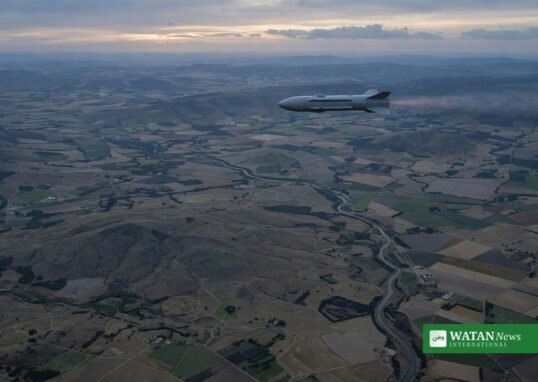
Russia’s New Filin Missile Carries US and Chinese Electronics, Ukraine Says
- 0
- 502 words
Ukraine’s military intelligence agency (HUR) has published a detailed breakdown of a new Russian ground-launched cruise missile, saying the weapon entered operational...
Read out all
NextEras vedvarende energi-backlog når 36,7 GW efter 3,7 GW nye projekter i tredje kvartal
- 0
- 925 words
NextEras vedvarende energi-backlog nåede cirka 36,7 gigawatt (GW), efter at NextEra Energy Resources tilføjede cirka 3,7 GW nye vedvarende energi- og lagringsprojekter...
Read out all
نیکسٹ ایرا کا قابل تجدید توانائی بیک لاگ 36.7 گیگا واٹ تک پہنچ گیا
نیکسٹ ایرا کا قابل تجدید توانائی بیک لاگ 21 اکتوبر کو کمپنی کی رپورٹ کے مطابق 2026 کی تیسری سہ ماہی میں...
Read out all
NextEra Renewables Backlog Reaches 36.7 GW After 3.7 GW Third-Quarter Additions
- 0
- 917 words
The NextEra renewables backlog reached approximately 36.7 gigawatts (GW) after NextEra Energy Resources added about 3.7 GW of new renewables and storage...
Read out all