- 0
- 917 words
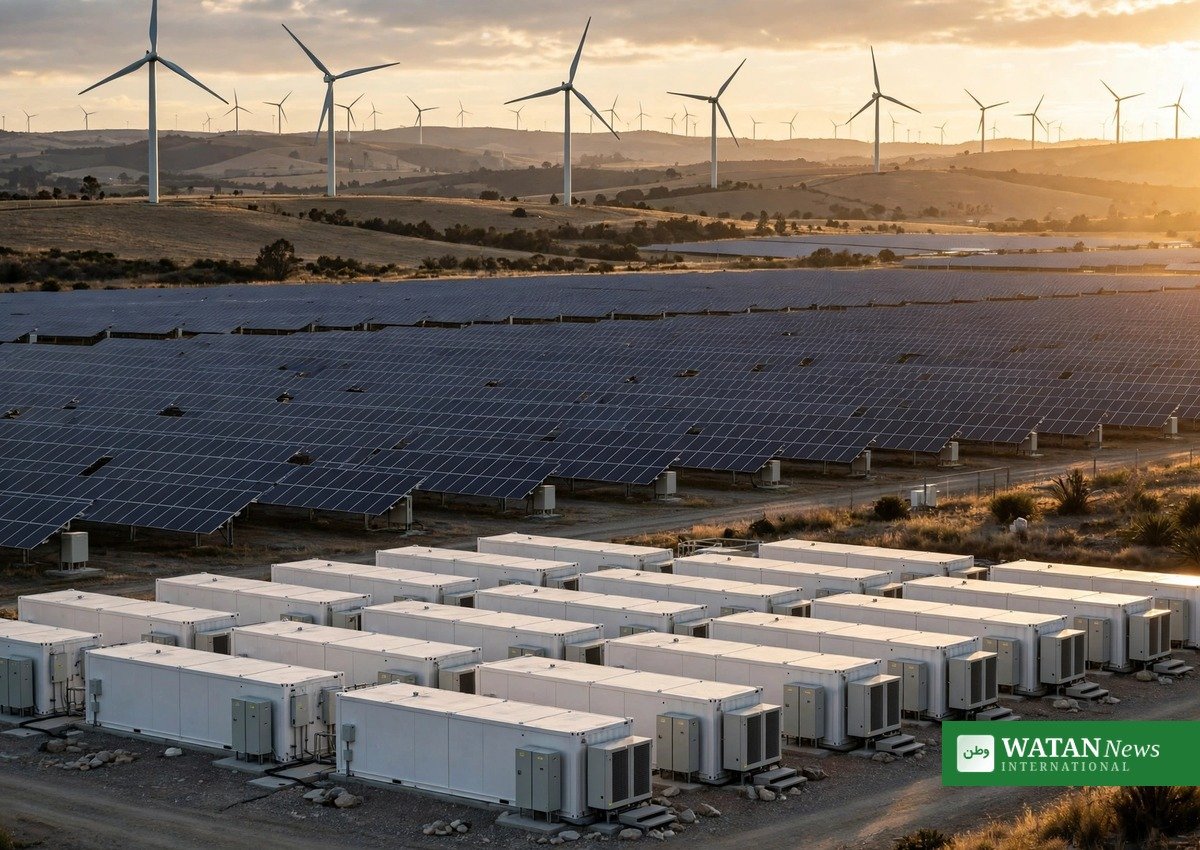
The NextEra renewables backlog reached approximately 36.7 gigawatts (GW) after NextEra Energy Resources added about 3.7 GW of new renewables and storage projects in the third quarter of 2026, the company reported on 21 October. Battery storage made up most of the new additions, at 2.4 GW, alongside 0.6 GW of solar and 0.7 GW of wind.
NextEra Energy Resources is the renewables development arm of NextEra Energy, one of the world’s biggest energy developers. Its backlog is a pipeline of contracted and expected projects, not power already operating: it includes projects with signed long-term power purchase agreements, build-own-transfer projects, and projects expected to have long-term power or environmental-attribute agreements.
NextEra renewables backlog: what the 3.7 GW additions contain
The 3.7 GW added in the quarter was net of about 1.8 GW of projects placed into service since the second-quarter earnings call in July, and about 0.3 GW removed from the backlog. That left the total backlog at approximately 36.7 GW on 21 October.
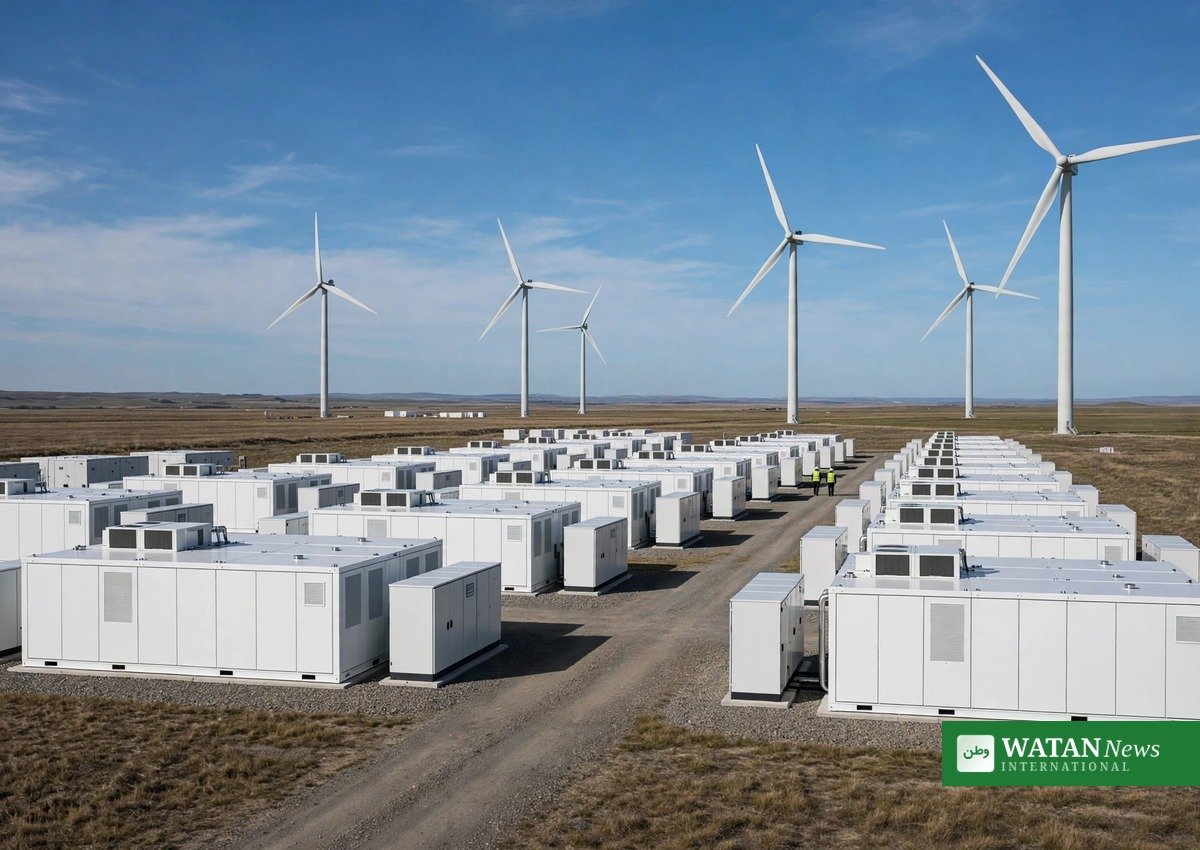
Storage dominated the quarter. The 2.4 GW of battery storage origination marked the fourth consecutive quarter in which Energy Resources added more than 3.5 GW of total renewables and storage to its backlog, according to the company’s earnings call. The company says it builds standalone battery storage, co-locates storage at existing sites, develops storage as a grid solution, and is expanding batteries at existing projects from four hours to eight hours of duration.
Strong quarter for the renewables unit
NextEra Energy Resources reported net income of $1.49 billion in the third quarter, compared with $1.27 billion a year earlier, according to Reuters. Its adjusted earnings were $1.247 billion, up 13% year on year, supported by new investments and more normalised wind resources, the company said.
For the group as a whole, NextEra Energy earned $1.24 per share on an adjusted basis for the quarter ended 30 September, beating analysts’ average estimate of $1.18 compiled by LSEG, Reuters reported. Its regulated utility, Florida Power & Light, posted net income of $1.62 billion, up from $1.46 billion a year earlier.
The company reaffirmed its full-year 2026 adjusted earnings guidance of $3.92 to $4.02 per share and said it expects to finish at the high end of that range.
Why the backlog matters — and what it does not mean
A backlog of 36.7 GW shows the scale of contracted demand for new wind, solar and storage, driven in part by surging electricity demand from data centres, Reuters reported. But a backlog is not installed capacity: projects in it still need to be built, financed and connected, and some may change or drop out, as the 0.3 GW removed this quarter shows.
What the quarter does show is execution alongside contracting: 1.8 GW entered service in the period, while new signings kept coming. The company also said it has completed more than two-thirds of the midpoint of its 2026–2029 development expectations, a claim based on its own development plan rather than an external target.
NextEra also closed a US Department of Energy loan of up to $1.9 billion during the quarter to support the restart of the Duane Arnold nuclear plant, targeted for completion by the first quarter of 2029. That project sits outside the renewables and storage backlog.
FAKTA
- What: NextEra Energy Resources added about 3.7 GW of renewables and storage to its backlog in the third quarter of 2026.
- Total backlog: Approximately 36.7 GW on 21 October, after 1.8 GW entered service and 0.3 GW was removed.
- Breakdown: 2.4 GW battery storage, 0.6 GW solar, 0.7 GW wind.
- Unit earnings: NextEra Energy Resources net income of $1.49 billion, up from $1.27 billion a year earlier.
- Group result: Adjusted earnings per share of $1.24, against an average analyst estimate of $1.18; full-year guidance of $3.92–$4.02 reaffirmed.
Conclusion
The third quarter underlines a shift in the renewables pipeline itself: storage, not wind or solar alone, is now the largest single piece of new contracting at one of the world’s biggest developers. Whether the 36.7 GW backlog converts into operating clean power on schedule will be the test of the next few quarters.
Read more about renewable investment momentum in Australia’s record renewable investment.
Frequently asked questions
What is a renewables backlog?
A backlog is a pipeline of projects that a developer has contracted or expects to contract, but has not yet built. NextEra’s backlog includes projects with signed long-term power purchase agreements, build-own-transfer projects, and projects expected to have long-term agreements.
What was added in the third quarter?
About 3.7 GW in total: 2.4 GW of battery storage, 0.6 GW of solar and 0.7 GW of wind, net of 1.8 GW that entered service and 0.3 GW that was removed.
Why did battery storage dominate?
The company points to strong customer demand for quick capacity, including from data centres, and says it builds standalone storage, co-located storage and grid storage, and is expanding existing batteries from four to eight hours of duration.
Does 36.7 GW mean 36.7 GW of new clean power is already running?
No. The backlog is contracted and expected future capacity, not operating capacity. Projects in it still need to be built and connected; 1.8 GW did enter service during the quarter, which is separate from the backlog total.
When will the backlog projects be completed?
The company has not given a single completion date for the whole backlog. Its earnings materials describe projects at different stages, and it says it has passed two-thirds of the midpoint of its 2026–2029 development expectations.
Sources for this article: Reuters’ report on NextEra Energy’s third-quarter results, 21 October 2026; NextEra Energy’s third-quarter 2026 earnings call transcript; and the company’s earnings materials as summarised by Shanghai Metals Market.
Author

usman2344913@gmail.com
Related Posts
Russia’s New Filin Missile Carries US and Chinese Electronics, Ukraine Says
- 0
- 502 words
Ukraine’s military intelligence agency (HUR) has published a detailed breakdown of a new Russian ground-launched cruise missile, saying the weapon entered operational...
Read out all
NextEras vedvarende energi-backlog når 36,7 GW efter 3,7 GW nye projekter i tredje kvartal
- 0
- 925 words
NextEras vedvarende energi-backlog nåede cirka 36,7 gigawatt (GW), efter at NextEra Energy Resources tilføjede cirka 3,7 GW nye vedvarende energi- og lagringsprojekter...
Read out all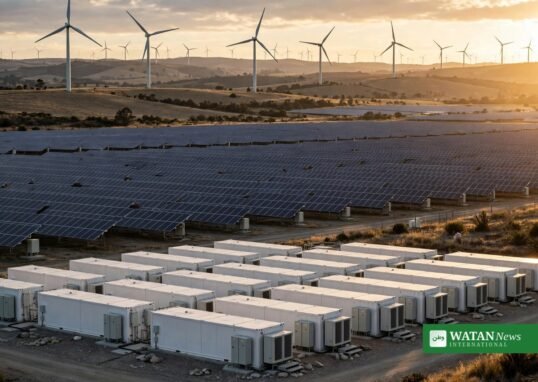
نیکسٹ ایرا کا قابل تجدید توانائی بیک لاگ 36.7 گیگا واٹ تک پہنچ گیا
نیکسٹ ایرا کا قابل تجدید توانائی بیک لاگ 21 اکتوبر کو کمپنی کی رپورٹ کے مطابق 2026 کی تیسری سہ ماہی میں...
Read out all
Harry Brook Smashes Fastest ODI Double Century as England Pile Up 429 Against Sri Lanka
- 0
- 701 words
England captain Harry Brook produced the fastest ODI double century in history on Thursday, hammering 202 from 116 balls as England piled...
Read out all
Europa-Parlamentets COP31-mandat: Hurtigere udfasning af fossile brændsler og mere klimafinansiering kræves
- 0
- 1,033 word
Europa-Parlamentets COP31-mandat blev vedtaget torsdag den 22. oktober og fastlægger, hvad Parlamentet ønsker, at EU skal arbejde for ved COP31-klimaforhandlingerne i Antalya,...
Read out all
یورپی پارلیمنٹ کا کاپ31 مینڈیٹ: فوسل ایندھن سے تیز اخراج اور زیادہ موسمیاتی مالیات کا مطالبہ
یورپی پارلیمنٹ کا کاپ31 مینڈیٹ جمعرات 22 اکتوبر کو منظور کر لیا گیا، جس میں طے کیا گیا ہے کہ یورپی یونین...
Read out all