- 0
- 760 words
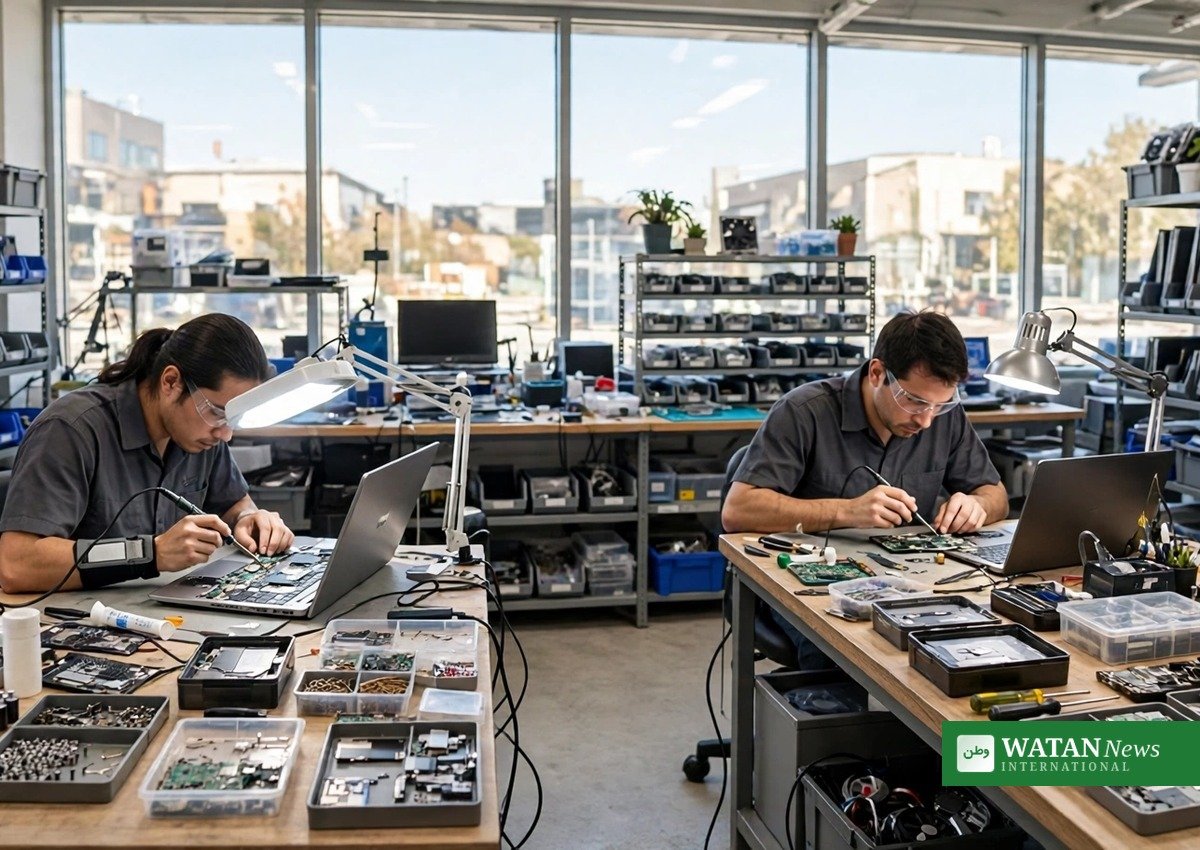
South Africa has joined a 60 million US dollar international programme to make electronics circular — keeping phones, laptops and other devices in use longer, expanding repair and reuse, and improving the collection and recycling of electronic waste. South Africa is one of nine African countries in the first phase of the Global Electronics Management (GEM) Programme, which spans 16 countries across Africa, Asia, Latin America and Europe.
The programme was launched in Manila on 7 October 2026. It is funded by the Global Environment Facility (GEF) and led by the United Nations Industrial Development Organization (UNIDO), working with the African Development Bank Group, the United Nations Development Programme (UNDP) and the United Nations Environment Programme (UNEP). The South Africa circular electronics programme is part of a Southern Africa regional project that also includes Botswana, Eswatini, Lesotho, Mozambique and Namibia.
South Africa circular electronics programme: what it will do
GEM is designed to work across the whole electronics life cycle, from cleaner production and longer product lifetimes to repair, reuse, collection, recovery and environmentally sound recycling. Participating countries will also get support to strengthen policies and regulations, improve access to finance and technology, and build partnerships between governments, businesses, recyclers and civil society.
A GEM Knowledge Platform and global coordination mechanisms will let countries exchange experience and spread approaches that prove successful, so a repair or collection model that works in one country can be adapted in others. The programme treats hazardous chemicals, resource use and waste as connected problems that need an integrated, system-level response, according to GEF director of strategy and operations Claude Gascon.
Why electronic waste matters
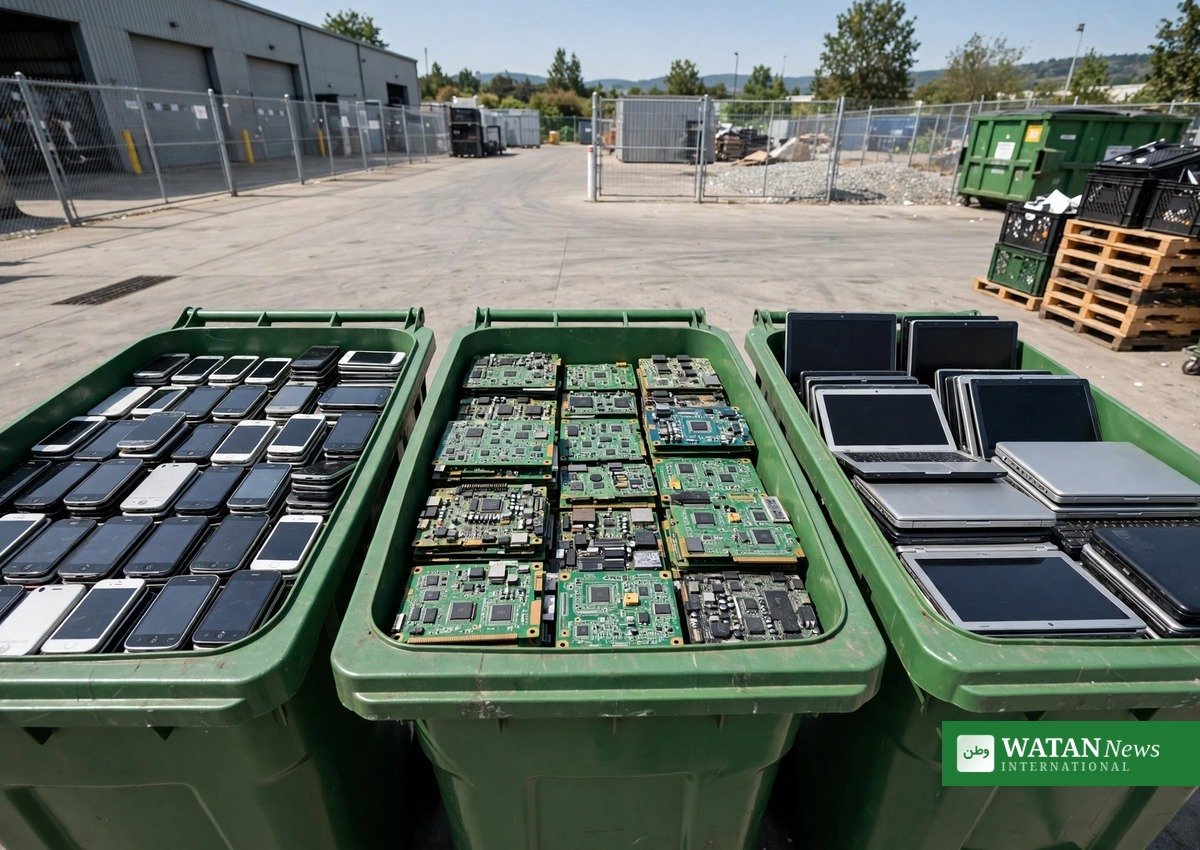
The world generated 62 million tonnes of electronic waste in 2022, but only 22.3 percent was documented as formally collected and recycled in an environmentally sound manner, according to the Global E-waste Monitor 2024 figures cited in the programme announcement. Generation is projected to reach 82 million tonnes by 2030 if current trends continue.
Discarded electronics contain valuable materials that can be recovered, but much of the waste never reaches proper recycling facilities. At the same time, expanding digital access means more devices in circulation, and without repair, reuse and collection systems, the waste stream grows with every new sale. Watan News previously covered the scale of fast-tech waste on International E-Waste Day 2026, and a recent recycling breakthrough in acrylic glass recycling.
Who is taking part
The nine African participants are Botswana, Djibouti, Eswatini, Ethiopia, Lesotho, Mozambique, Namibia, Somalia and South Africa. Djibouti, Ethiopia and Somalia take part through a separate Horn of Africa project supported by the African Development Bank. The other participating countries are Cambodia, Colombia, Kazakhstan, Peru, the Philippines, Türkiye and Viet Nam.
For South Africa, the programme connects waste policy with jobs and industrial opportunity: repair businesses, recyclers, traders and service providers all have a role in keeping technology and valuable resources in circulation, rather than sending them to landfill.
Key facts
- The GEM Programme is worth 60 million US dollars, funded by the GEF and led by UNIDO with the African Development Bank, UNDP and UNEP.
- It was launched in Manila on 7 October 2026 and covers 16 countries, including nine in Africa.
- South Africa joins through a Southern Africa regional project with Botswana, Eswatini, Lesotho, Mozambique and Namibia.
- The world generated 62 million tonnes of e-waste in 2022; only 22.3 percent was formally collected and recycled.
- E-waste generation is projected to reach 82 million tonnes by 2030.
Frequently asked questions
What is the GEM Programme?
The Global Electronics Management Programme is a 60 million US dollar initiative, funded by the Global Environment Facility and led by UNIDO, that helps 16 countries move towards circular electronics through repair, reuse, collection and recycling.
Which African countries are taking part?
Botswana, Djibouti, Eswatini, Ethiopia, Lesotho, Mozambique, Namibia, Somalia and South Africa are the nine African participants in the first phase.
Why focus on repair and reuse, not just recycling?
Keeping a device in use longer avoids the materials, energy and waste of making a replacement. Recycling matters too, but repair and reuse come first in the waste hierarchy because they preserve the whole product.
How big is the e-waste problem?
According to the Global E-waste Monitor 2024, the world generated 62 million tonnes of electronic waste in 2022, with only 22.3 percent formally collected and recycled. Generation could reach 82 million tonnes by 2030.
What does this mean for ordinary device owners?
Stronger repair, collection and recycling systems mean more chances to repair a broken phone or laptop, return old devices for proper handling, and buy refurbished products with confidence.
Author

usman2344913@gmail.com
Related Posts
Swissport og NCBA planter 5.000 træer i Kiambu i ny 10.000-træers indsats
- 0
- 648 words
Kiambu-træplantning: Swissport Kenya og NCBA har plantet 5.000 planter ved Uplands Forest Station, og 5.000 mere følger i en 10.000-træers indsats.
Read out all
کیامبو میں 10 ہزار درخت لگانے کی مہم شروع، پہلے مرحلے میں 5 ہزار پودے لگائے گئے
کیامبو شجرکاری: سوئس پورٹ کینیا اور این سی بی اے نے اپ لینڈز فاریسٹ اسٹیشن پر 5 ہزار پودے لگائے، مزید 5...
Read out all
Swissport and NCBA Plant 5,000 Trees in Kiambu as 10,000-Tree Drive Begins
- 0
- 655 words
Kiambu tree planting: Swissport Kenya and NCBA have planted 5,000 seedlings at Uplands Forest Station, with 5,000 more to follow in a...
Read out all
Sydafrika med i cirkulært elektronikprogram til 60 millioner dollar
- 0
- 771 words
Sydafrika er med i det 60 millioner dollar store Global Electronics Management-program for reparation, genbrug og genanvendelse i 16 lande, herunder ni...
Read out all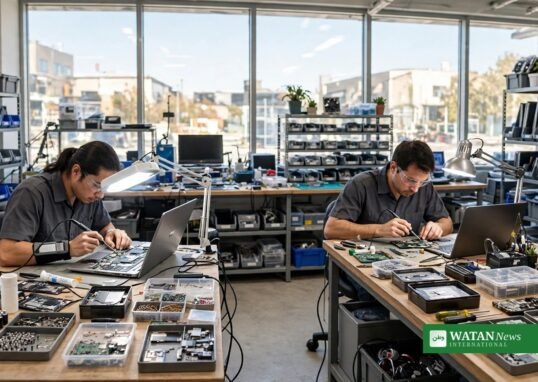
جنوبی افریقہ 60 ملین ڈالر کے سرکلر الیکٹرانکس پروگرام میں شامل
جنوبی افریقہ 60 ملین ڈالر کے عالمی الیکٹرانکس مینجمنٹ پروگرام میں شامل ہوا ہے جو 16 ممالک میں مرمت، دوبارہ استعمال اور...
Read out all
Kina: COP31 skal sætte gennemførelse og klimafinansiering først
- 0
- 917 words
Kina ønsker, at COP31 i Antalya fokuserer på gennemførelse, en køreplan for målet om 300 milliarder dollar inden 2035, tredoblet tilpasningsfinansiering og...
Read out all