- 0
- 789 words
Grist and Climate Central will host a virtual conversation called “Distorted” on 28 October 2026 at 1 p.m. ET, bringing meteorologists, journalists and researchers together to discuss how to communicate more accurately and thoughtfully before, during and after extreme weather.
The session is open to the public, with registration open on the organisers’ event page. The organisers say they will answer audience questions and offer practical tips for future conversations about climate disasters, whether those conversations are public or private, online or offline.
Why extreme weather breeds misinformation
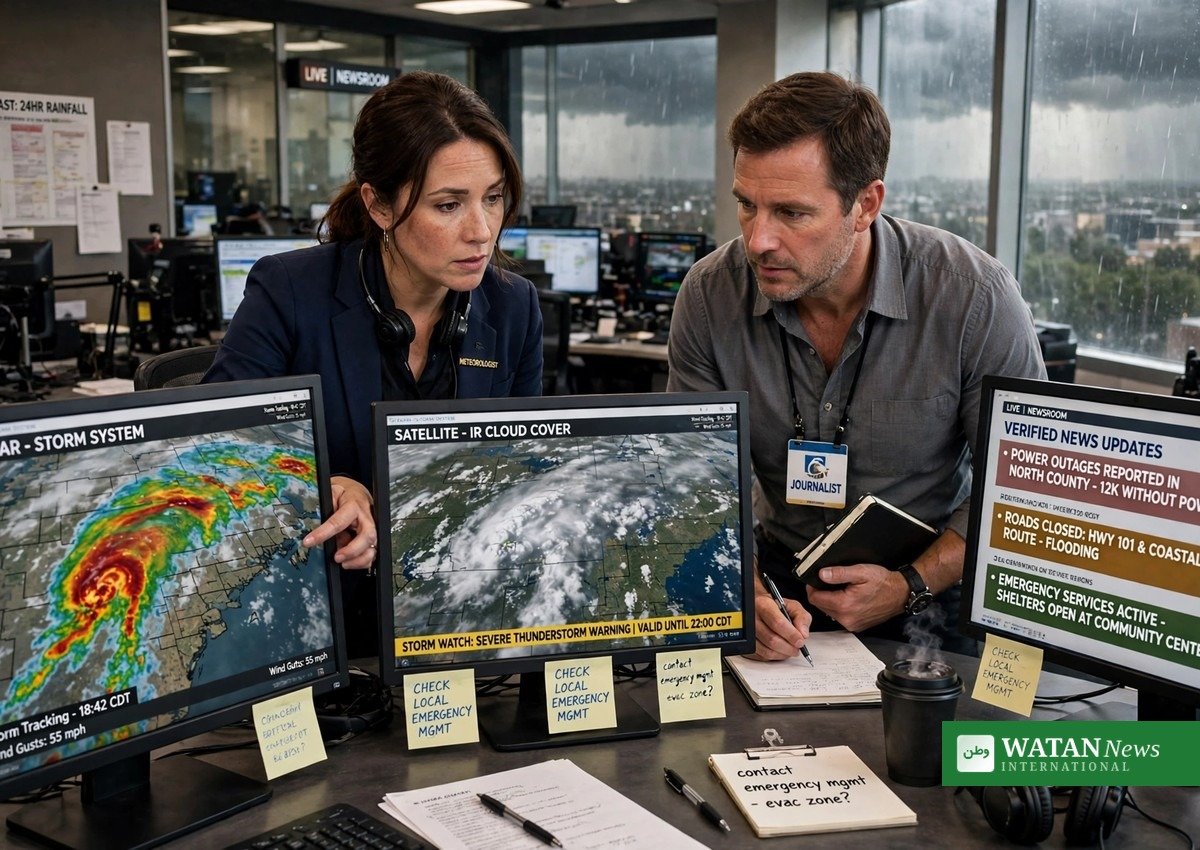
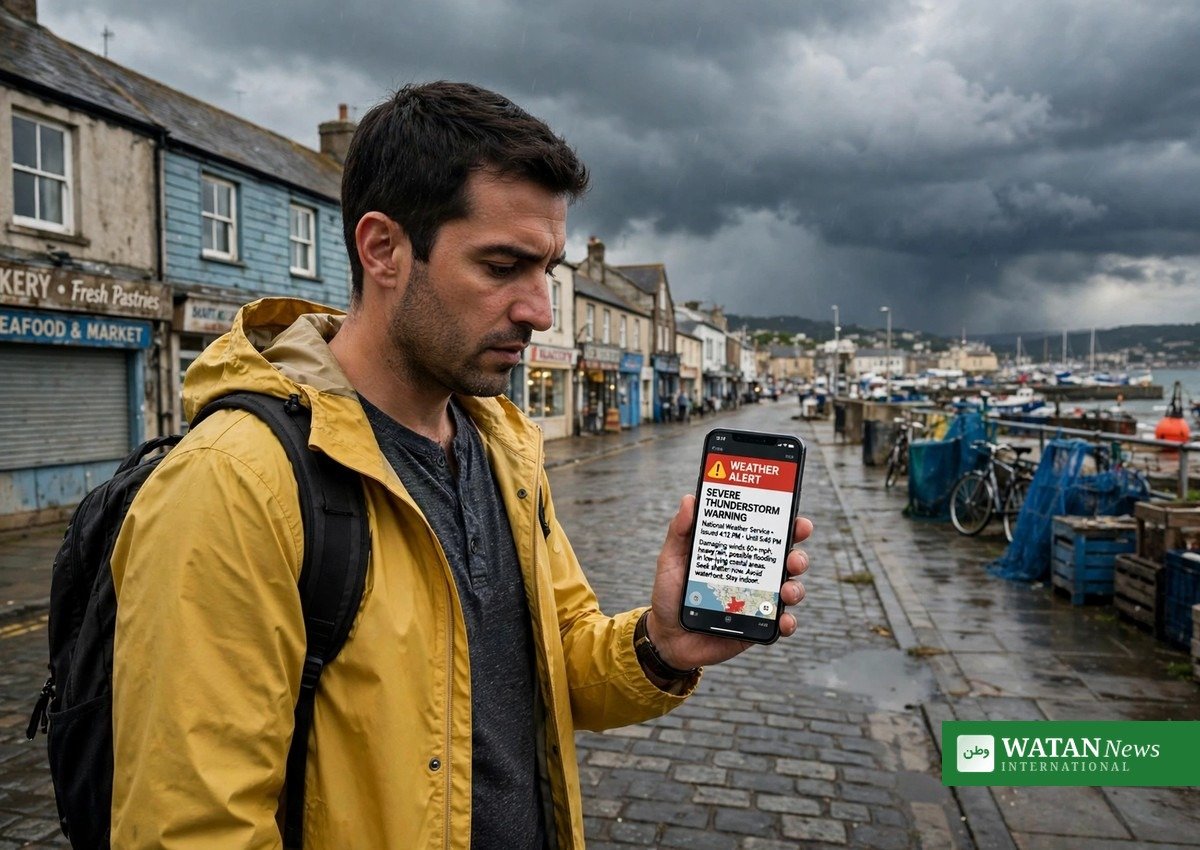
Extreme weather creates unusual openings for misinformation to spread widely, according to the organisers. Rumours swirl on social media, telecom lines go down, and people’s worst fears and angers come to the surface, all at the moment when accurate information matters most.
That combination leaves households, journalists and officials working from incomplete pictures. A false claim about a road closure, a shelter or a storm’s path can travel faster than the correction, and in a fast-moving emergency the correction may never catch up with everyone who saw the original claim.
The session’s premise is therefore practical rather than abstract: it is about the accuracy of everyday communication in a crisis, not only about large-scale debates over climate science. The speakers will address the full timeline of a disaster, from preparation and warning through the event itself to the recovery period that follows.
What the session will cover
The conversation will focus on three phases of extreme weather communication. Before an event, the challenge is to share warnings and preparations clearly enough that people act on them. During an event, the challenge is to keep information current as conditions change and rumours multiply. After an event, the challenge is to correct false claims and explain what happened without adding to confusion.
Audience questions are part of the format, and the organisers promise tips that listeners can use in their own conversations, from family chats to public posts. The virtual format means anyone with an internet connection can join, regardless of location.
Why accurate information shapes climate action
The stakes go beyond any single storm. Researchers from University College Dublin and the ILaVita Foundation, in a study published in the journal Risk Sciences and reported on 12 October 2026, built disinformation into a climate-economy model and found that informed democratic majorities can deliver stronger carbon taxes than a politically constrained planner, but that advantage collapses abruptly once disinformation tips the majority.
The same study found that late and persistent disinformation produces the most severe warming outcomes in the model, while counter-disinformation efforts can largely restore effective policy. The finding is a modelling result, not a measurement of any real election, but it underlines why the organisers treat everyday accuracy as part of climate action itself.
The “Distorted” session was announced by Grist on 23 October 2026 and reported independently the following day. It arrives in a week when public attention is already on climate information, with global climate negotiations approaching and communities still working through the year’s severe weather.
FAKTA
- What: “Distorted”, a virtual conversation on misinformation during extreme weather, hosted by Grist and Climate Central.
- When: 28 October 2026 at 1 p.m. ET (10 p.m. PKT).
- Where: Virtual and open to the public, with registration on the organisers’ event page.
- Who: Meteorologists, journalists and researchers, with audience questions.
- Why it matters: Rumours spread fastest when telecom lines fail and fear runs high, so accurate communication before, during and after extreme weather protects people and public debate alike.
Related reading on Watan News: Youth groups offered grants to lead local climate action.
If the session succeeds, its measure will not be a single corrected rumour but a wider habit: checking a claim before sharing it, especially when the weather outside makes every message feel urgent.
Frequently asked questions
What is the “Distorted” session?
It is a virtual conversation hosted by Grist and Climate Central about how misinformation spreads during extreme weather and how to communicate more accurately before, during and after such events.
When and where does it take place?
It takes place on 28 October 2026 at 1 p.m. ET (10 p.m. PKT). It is virtual and open to the public, with registration on the organisers’ event page.
Who is taking part?
Meteorologists, journalists and researchers will take part, and the organisers will answer audience questions during the session.
Why does misinformation spread so fast in extreme weather?
According to the organisers, rumours swirl on social media, telecom lines go down, and people’s worst fears and angers come to the surface, creating conditions in which false claims travel faster than corrections.
What will listeners take away?
The organisers promise practical tips for future conversations about climate disasters, whether those conversations are public or private, online or offline.
Author

usmanch0013@gmail.com
Related Posts

Arifur Rahman vinder Youth Volunteer Award for et årti med klimaretfærdighedsarbejde
- 0
- 964 words
Md Arifur Rahman har modtaget Bangladeshs Youth Volunteer Award 2026 for et årti med arbejde for det bådlevende Manta-samfund, katastroferamte familier og...
Read out all
عارف الرحمان کو موسمیاتی انصاف میں ایک دہائی کی محنت پر یوتھ والنٹیئر ایوارڈ
محمد عارف الرحمان کو بنگلہ دیش کا یوتھ والنٹیئر ایوارڈ 2026 دیا گیا ہے، جو کشتیوں پر رہنے والی مانتا برادری، آفات...
Read out all
Arifur Rahman Wins Youth Volunteer Award for a Decade of Climate Justice Work
- 0
- 936 words
Md Arifur Rahman has received Bangladesh's Youth Volunteer Award 2026 for a decade of work with the boat-dwelling Manta community, disaster-affected families...
Read out all
COP17’s sidste uge: Ministre ankommer, mens 149 parenteser stadig deler den globale naturgennemgang
- 0
- 1,082 word
COP17 går ind i sin sidste uge i Jerevan, hvor den første globale gennemgang af verdens naturmål stadig bærer 149 parenteser, mens...
Read out all
کاپ17 کا آخری ہفتہ: عالمی فطری جائزے میں 149 اختلافات کے ساتھ وزرا کی آمد
یریوان میں کاپ17 اپنے آخری ہفتے میں داخل ہو گیا ہے، جہاں دنیا کے فطری اہداف کا پہلا عالمی جائزہ ابھی 149...
Read out all
COP17 Final Week: Ministers Arrive as 149 Brackets Still Divide the Global Nature Review
- 0
- 1,064 word
COP17 enters its final week in Yerevan with the first global review of the world's nature targets still carrying 149 brackets, as...
Read out all