- 0
- 789 words
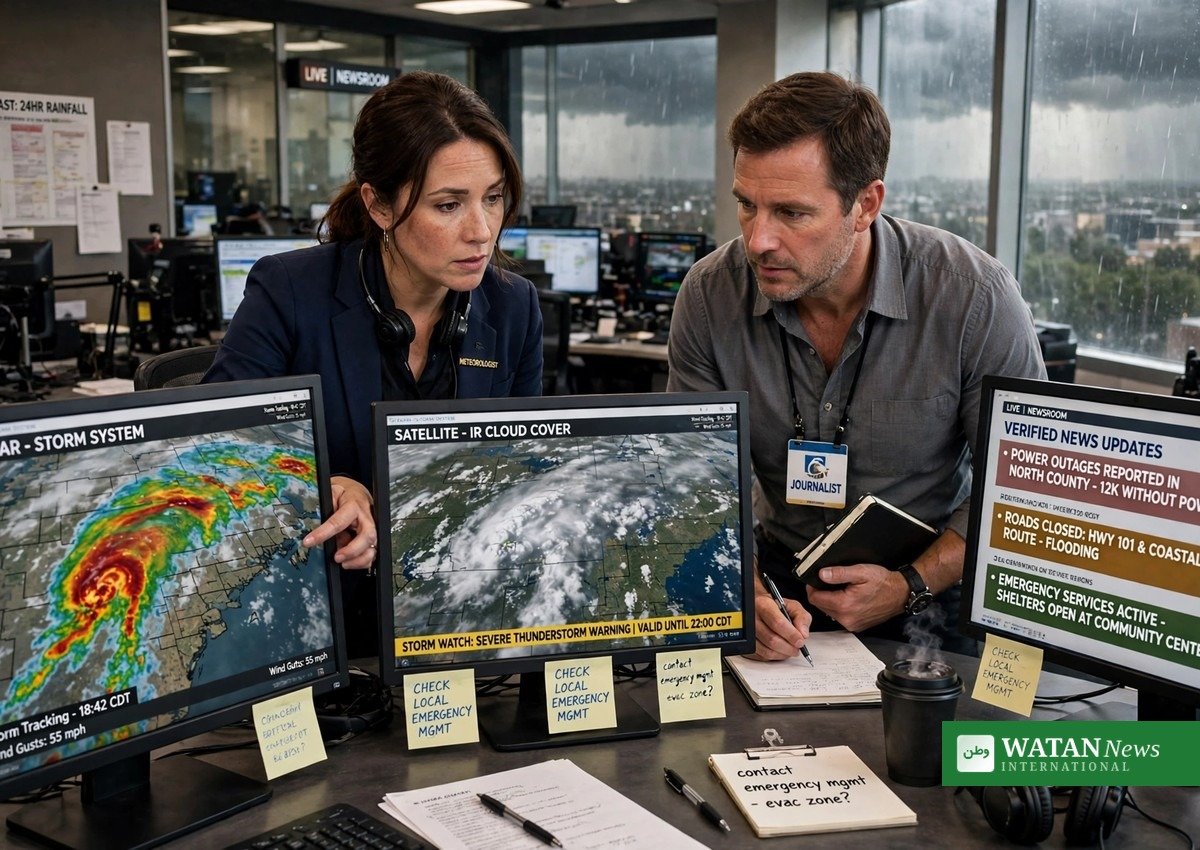
Grist and Climate Central will host a virtual conversation called “Distorted” on 28 October 2026 at 1 p.m. ET, bringing meteorologists, journalists and researchers together to discuss how to communicate more accurately and thoughtfully before, during and after extreme weather.
The session is open to the public, with registration open on the organisers’ event page. The organisers say they will answer audience questions and offer practical tips for future conversations about climate disasters, whether those conversations are public or private, online or offline.
Why extreme weather breeds misinformation
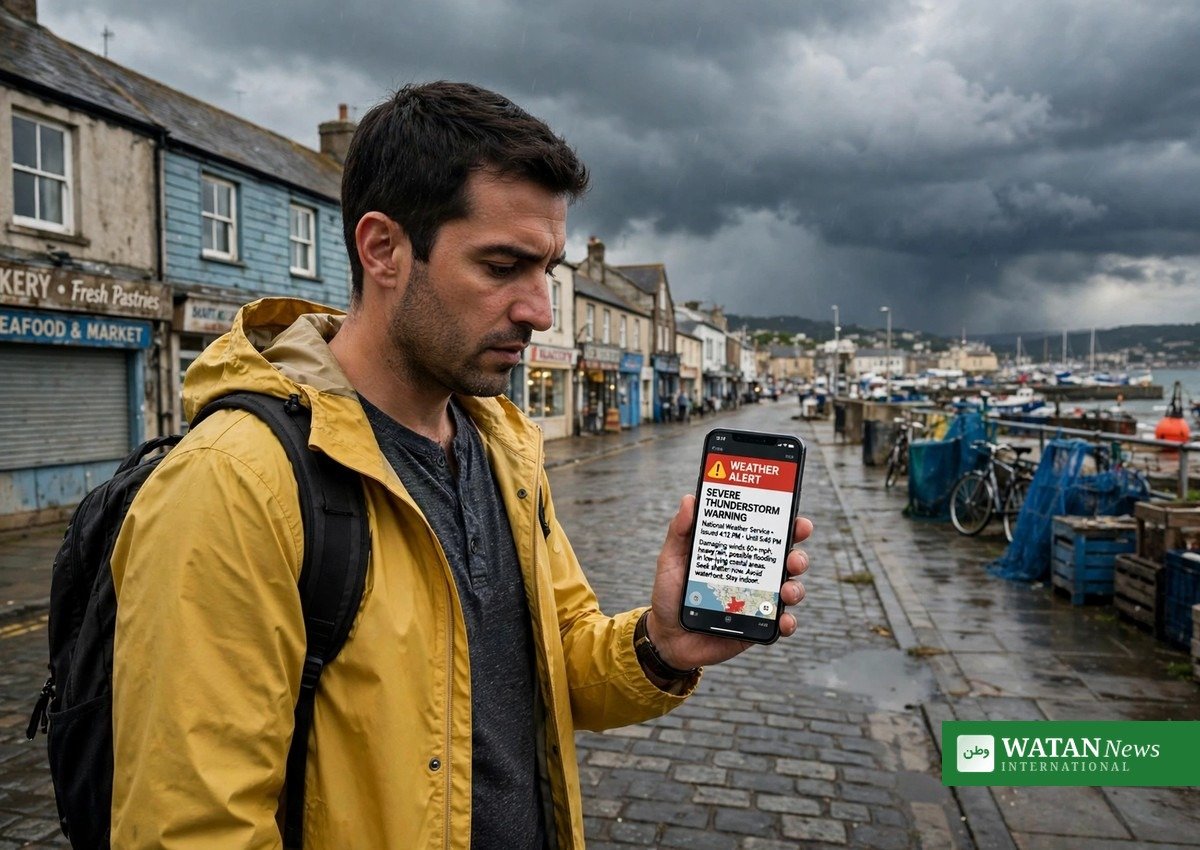
Extreme weather creates unusual openings for misinformation to spread widely, according to the organisers. Rumours swirl on social media, telecom lines go down, and people’s worst fears and angers come to the surface, all at the moment when accurate information matters most.
That combination leaves households, journalists and officials working from incomplete pictures. A false claim about a road closure, a shelter or a storm’s path can travel faster than the correction, and in a fast-moving emergency the correction may never catch up with everyone who saw the original claim.
The session’s premise is therefore practical rather than abstract: it is about the accuracy of everyday communication in a crisis, not only about large-scale debates over climate science. The speakers will address the full timeline of a disaster, from preparation and warning through the event itself to the recovery period that follows.
What the session will cover
The conversation will focus on three phases of extreme weather communication. Before an event, the challenge is to share warnings and preparations clearly enough that people act on them. During an event, the challenge is to keep information current as conditions change and rumours multiply. After an event, the challenge is to correct false claims and explain what happened without adding to confusion.
Audience questions are part of the format, and the organisers promise tips that listeners can use in their own conversations, from family chats to public posts. The virtual format means anyone with an internet connection can join, regardless of location.
Why accurate information shapes climate action
The stakes go beyond any single storm. Researchers from University College Dublin and the ILaVita Foundation, in a study published in the journal Risk Sciences and reported on 12 October 2026, built disinformation into a climate-economy model and found that informed democratic majorities can deliver stronger carbon taxes than a politically constrained planner, but that advantage collapses abruptly once disinformation tips the majority.
The same study found that late and persistent disinformation produces the most severe warming outcomes in the model, while counter-disinformation efforts can largely restore effective policy. The finding is a modelling result, not a measurement of any real election, but it underlines why the organisers treat everyday accuracy as part of climate action itself.
The “Distorted” session was announced by Grist on 23 October 2026 and reported independently the following day. It arrives in a week when public attention is already on climate information, with global climate negotiations approaching and communities still working through the year’s severe weather.
FAKTA
- What: “Distorted”, a virtual conversation on misinformation during extreme weather, hosted by Grist and Climate Central.
- When: 28 October 2026 at 1 p.m. ET (10 p.m. PKT).
- Where: Virtual and open to the public, with registration on the organisers’ event page.
- Who: Meteorologists, journalists and researchers, with audience questions.
- Why it matters: Rumours spread fastest when telecom lines fail and fear runs high, so accurate communication before, during and after extreme weather protects people and public debate alike.
Related reading on Watan News: Youth groups offered grants to lead local climate action.
If the session succeeds, its measure will not be a single corrected rumour but a wider habit: checking a claim before sharing it, especially when the weather outside makes every message feel urgent.
Frequently asked questions
What is the “Distorted” session?
It is a virtual conversation hosted by Grist and Climate Central about how misinformation spreads during extreme weather and how to communicate more accurately before, during and after such events.
When and where does it take place?
It takes place on 28 October 2026 at 1 p.m. ET (10 p.m. PKT). It is virtual and open to the public, with registration on the organisers’ event page.
Who is taking part?
Meteorologists, journalists and researchers will take part, and the organisers will answer audience questions during the session.
Why does misinformation spread so fast in extreme weather?
According to the organisers, rumours swirl on social media, telecom lines go down, and people’s worst fears and angers come to the surface, creating conditions in which false claims travel faster than corrections.
What will listeners take away?
The organisers promise practical tips for future conversations about climate disasters, whether those conversations are public or private, online or offline.
Author

usmanch0013@gmail.com
Related Posts

Chord Energy Names Michael Lou as President and CEO as Daniel Brown Steps Down
- 0
- 747 words
Chord Energy Corporation has appointed Michael Lou as its new president and chief executive officer, succeeding Daniel Brown, who stepped down from...
Read out all
South Africa Misses Court Deadline on School Capacity Rules as Education Groups Demand Answers
- 0
- 655 words
Education advocacy groups in South Africa are demanding answers after the country's Minister of Basic Education missed a court-ordered deadline to publish...
Read out all
Grist og Climate Central holder ‘Distorted’-samtale om misinformation i ekstremvejr
- 0
- 803 words
Grist og Climate Central holder en virtuel samtale ved navn "Distorted" den 28. oktober 2026 kl. 13.00 ET, hvor meteorologer, journalister og...
Read out all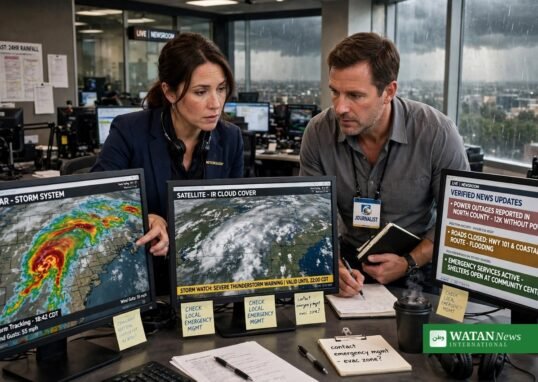
گرسٹ اور کلائمیٹ سینٹرل کی ڈسٹورٹڈ گفتگو: شدید موسم میں غلط معلومات کا مقابلہ
گرسٹ اور کلائمیٹ سینٹرل 28 اکتوبر 2026 کو دوپہر ایک بجے مشرقی امریکی وقت پر ڈسٹورٹڈ کے نام سے ایک آن لائن...
Read out all
EarthEcho-unge tager havkampen til COP17 i Jerevan
- 0
- 1,047 word
Syv unge havforkæmpere fra fem lande er ankommet til Jerevan i Armenien som del af en ungdomsdelegation fra EarthEcho International til FN's...
Read out all
ارتھ ایکو کے نوجوان رہنما یریوان میں کاپ17 میں سمندر کے تحفظ کی آواز
پانچ ممالک کے سات نوجوان سمندری کارکن آرمینیا کے شہر یریوان پہنچے ہیں، جہاں وہ ارتھ ایکو انٹرنیشنل کے نوجوان وفد کے...
Read out all