- 0
- 736 words
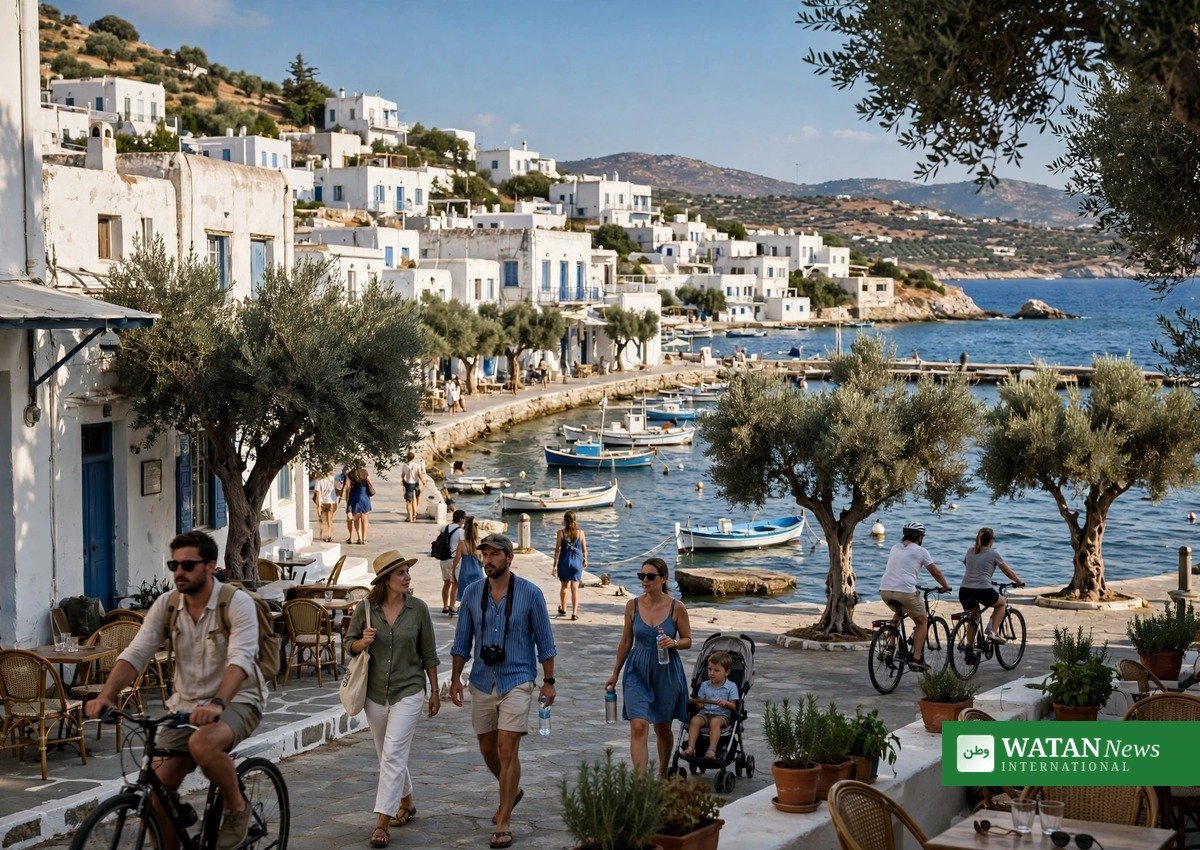
Greece and Türkiye have put sustainable tourism at the centre of their travel cooperation, agreeing at a joint committee meeting in Athens on 23 October 2026 to work together on greener destinations, new travel experiences and stronger local benefits from tourism.
The 7th session of the Greece–Türkiye Joint Tourism Committee was led by Greek Deputy Tourism Minister Anna Karamanli and Türkiye’s Deputy Minister of Culture and Tourism Nadir Alpaslan. According to the Greek Tourism Ministry, reported by Greek Travel Pages, the talks explored ways to increase tourism flows between the two countries, support local economies and ensure that tourism benefits reach local communities.
Sustainable destinations and resilience
The two sides exchanged views on sustainable destination management and on strengthening the tourism sector’s resilience to shared challenges, including climate change, digital transformation and crisis management. That framing matters in the Eastern Mediterranean, where heat, water stress, wildfire risk and crowded coastal destinations are already shaping how holidays are planned and managed.
Discussions also covered the development of innovative tourism products, improvements in service quality, workforce development and incentives to encourage tourism investment. The priorities build on the committee’s 6th meeting in Ankara in July 2025, when officials examined sustainable tourism practices, climate-related challenges and ways to improve tourism services.
Special-interest tourism: farms, mountains and food
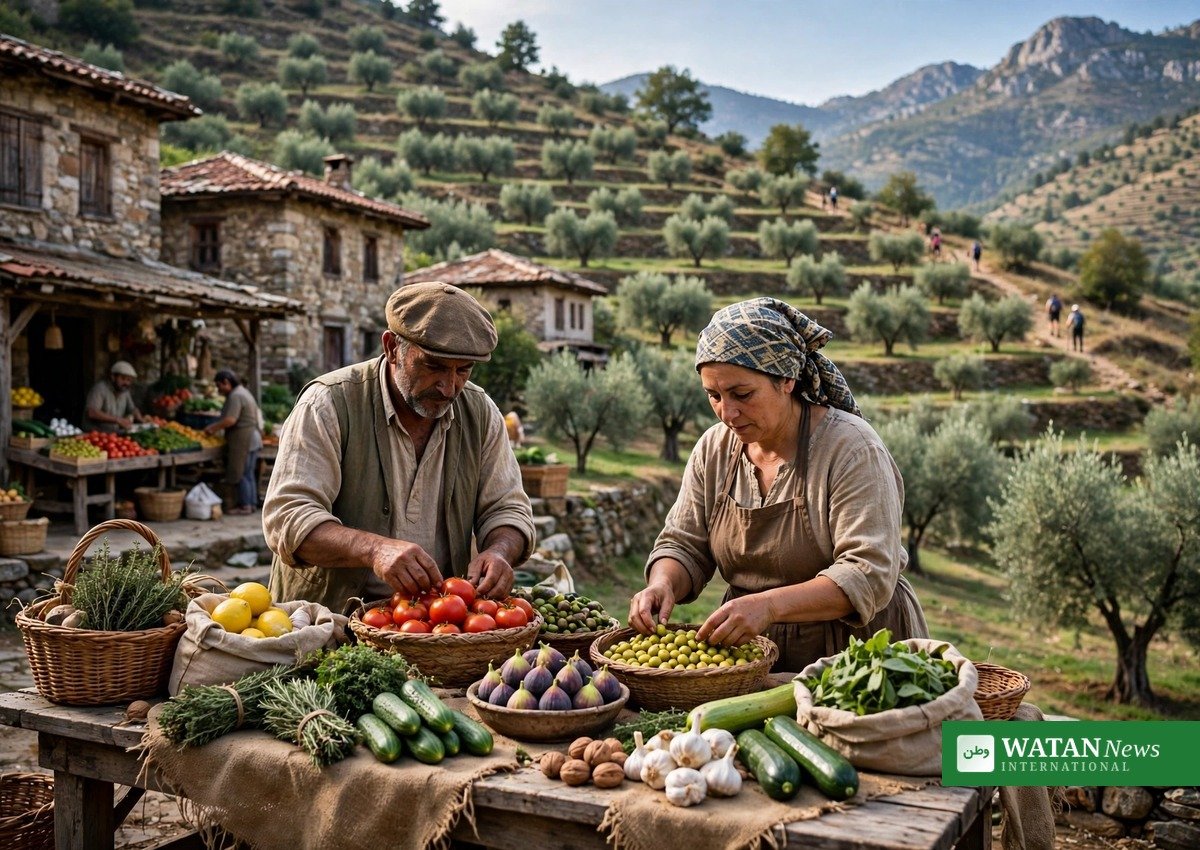
Beyond the main resorts, the meeting gave particular emphasis to special-interest tourism: agritourism, mountain tourism and gastronomy. Those forms of travel spread visitors beyond crowded coasts, support farmers and small producers, and give rural communities a direct stake in tourism income.
Tourism education and professional training were also identified as important areas for exchanging expertise and improving service standards. Better training, the delegations agreed, is part of making tourism more sustainable in practice, not only in policy documents.
Who was at the table
The Greek delegation included representatives from the Greek National Tourism Organization, Enterprise Greece, Marketing Greece and Aegean Airlines, alongside officials from the Tourism and Foreign Ministries. Türkiye’s delegation included representatives from its Ministry of Culture and Tourism, the Turkish Embassy in Greece, the country’s hoteliers association and Turkish Airlines.
At the close of the meeting, Karamanli thanked Alpaslan and the Turkish delegation for their cooperation and constructive exchange of views, according to the Greek Tourism Ministry.
What it could mean for travellers and local communities
For travellers, the cooperation points to more varied experiences in both countries: farm stays and food routes, mountain trails and village stays, alongside the established coastal holidays, with improving service quality and workforce standards behind them. For local communities, the stated aim is that growth in visitor numbers should translate into local jobs, support for small businesses and investment that stays in the destination.
No new treaty or visitor rule was announced at the meeting, and the committee did not set visitor targets. Its value lies in the shared direction: two neighbouring tourism economies agreeing that destination management, resilience and local benefit must shape the next phase of growth, rather than visitor numbers alone.
Read more climate news in our climate coverage.
Key facts
- Meeting: 7th Greece–Türkiye Joint Tourism Committee, Athens, 23 October 2026.
- Led by: Anna Karamanli (Greece) and Nadir Alpaslan (Türkiye).
- Core topics: sustainable destination management, tourism resilience to climate change, digital transformation and crisis management.
- Special-interest focus: agritourism, mountain tourism and gastronomy, plus tourism education and training.
- Previous meeting: 6th session, Ankara, July 2025.
Frequently asked questions
What did Greece and Türkiye agree in Athens on 23 October 2026?
At the 7th Joint Tourism Committee meeting, they agreed to strengthen tourism cooperation with sustainable destination management, new travel experiences and benefits for local communities at the centre.
Who led the two delegations?
Greek Deputy Tourism Minister Anna Karamanli led the Greek delegation, and Deputy Minister of Culture and Tourism Nadir Alpaslan led Türkiye’s delegation.
What is sustainable destination management?
It means planning tourism so that destinations can cope with visitor numbers, protect nature and local life, and stay resilient to shocks such as climate change, rather than simply maximising arrivals.
Which kinds of tourism were highlighted?
Special-interest tourism, with particular emphasis on agritourism, mountain tourism and gastronomy, alongside tourism education and professional training.
Does the meeting change travel rules for visitors?
No new treaty or visitor rule was announced. The meeting set a shared direction for cooperation, service quality, workforce development and investment, with practical effects to follow through national and industry action.
Author

usmanch0013@gmail.com
Related Posts

Egypt Parliament Approves Military Support for Saudi Arabia
- 0
- 506 words
Egypt's parliament has authorised the military to provide defensive support to Saudi Arabia if Riyadh requests help against Houthi attacks, a move...
Read out all
Grækenland og Tyrkiet sætter bæredygtig turisme i centrum for nyt rejsesamarbejde
- 0
- 747 words
Grækenland og Tyrkiet blev i Athen den 23. oktober 2026 enige om at sætte bæredygtig turisme, nye rejseoplevelser og lokale gevinster i...
Read out all
یونان اور ترکیہ نے نئے سفری تعاون میں پائیدار سیاحت کو مرکز بنا دیا
یونان اور ترکیہ نے 23 اکتوبر 2026 کو ایتھنز میں پائیدار سیاحت، نئے سفری تجربات اور مقامی فوائد کو سفری تعاون کے...
Read out all
Bangladeshs politi slutter sig til 250-millioner-træers indsats med landsdækkende plantning
- 0
- 817 words
Bangladeshs politi lancerede den 26. oktober 2026 et landsdækkende træplantningsprogram som del af regeringens femårige mål om 250 millioner træer.
Read out all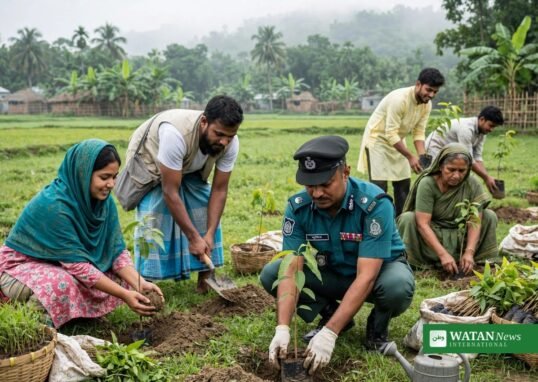
بنگلہ دیش پولیس نے 25 کروڑ درخت لگانے کی ملک گیر مہم کا آغاز کر دیا
بنگلہ دیش پولیس نے 26 اکتوبر 2026 کو ملک گیر شجرکاری مہم کا آغاز کیا، جو حکومت کی پانچ سال میں 25...
Read out all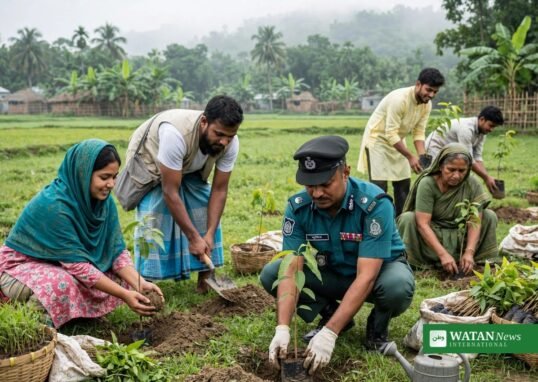
Bangladesh Police Join 250-Million-Tree Drive With Nationwide Planting Launch
- 0
- 797 words
Bangladesh Police launched a nationwide tree-planting programme on 26 October 2026, joining the government's five-year drive to plant 250 million trees.
Read out all