- 0
- 797 words
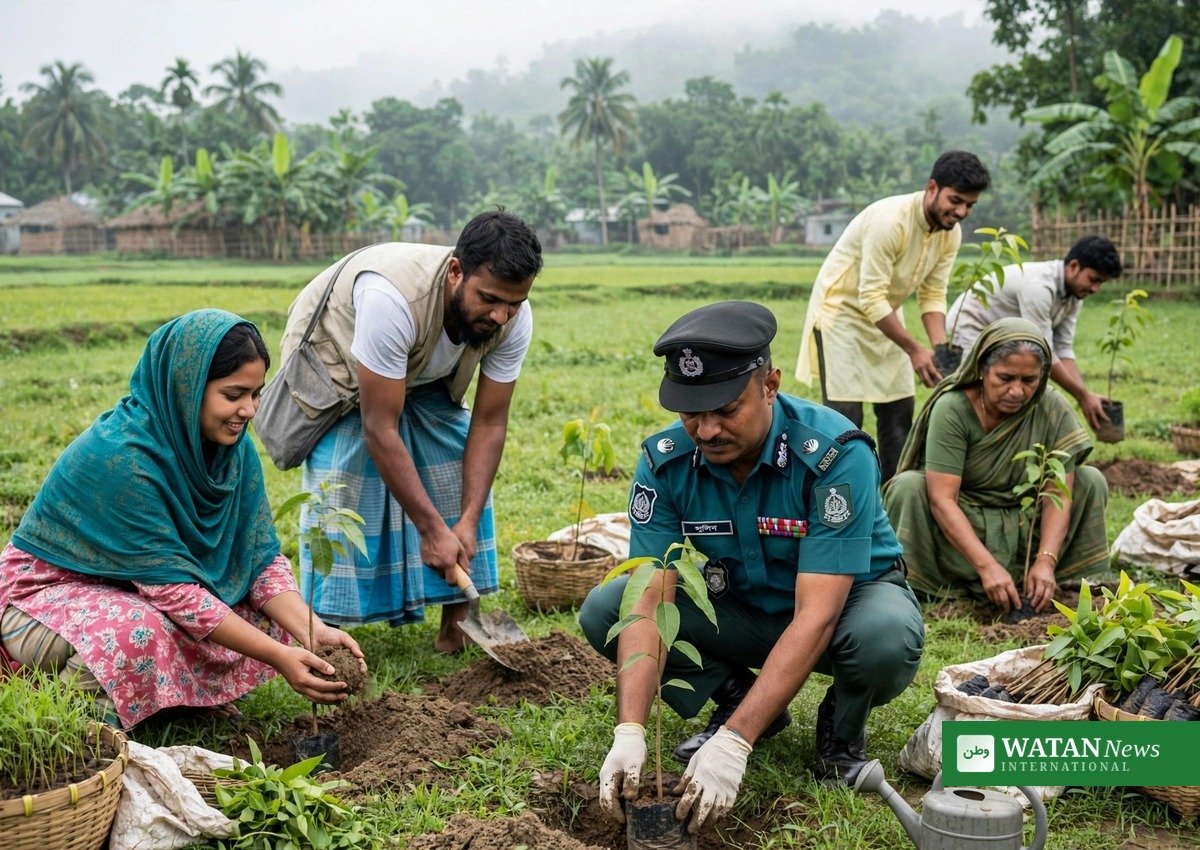
Bangladesh Police have launched a nationwide tree-planting programme, joining the government’s five-year drive to plant 250 million trees across the country. Inspector General of Police Md Ali Hossain Fakir inaugurated the programme on Monday morning, 26 October 2026, by planting a sapling at Police Headquarters in Dhaka.
The launch, reported by The Business Standard from a Bangladesh Sangbad Sangstha press release, places police units across the country inside one of Bangladesh’s largest environmental efforts. Saplings will be planted at police barracks, residential areas and office compounds, turning everyday police premises into part of the national green cover.
What the police programme will plant
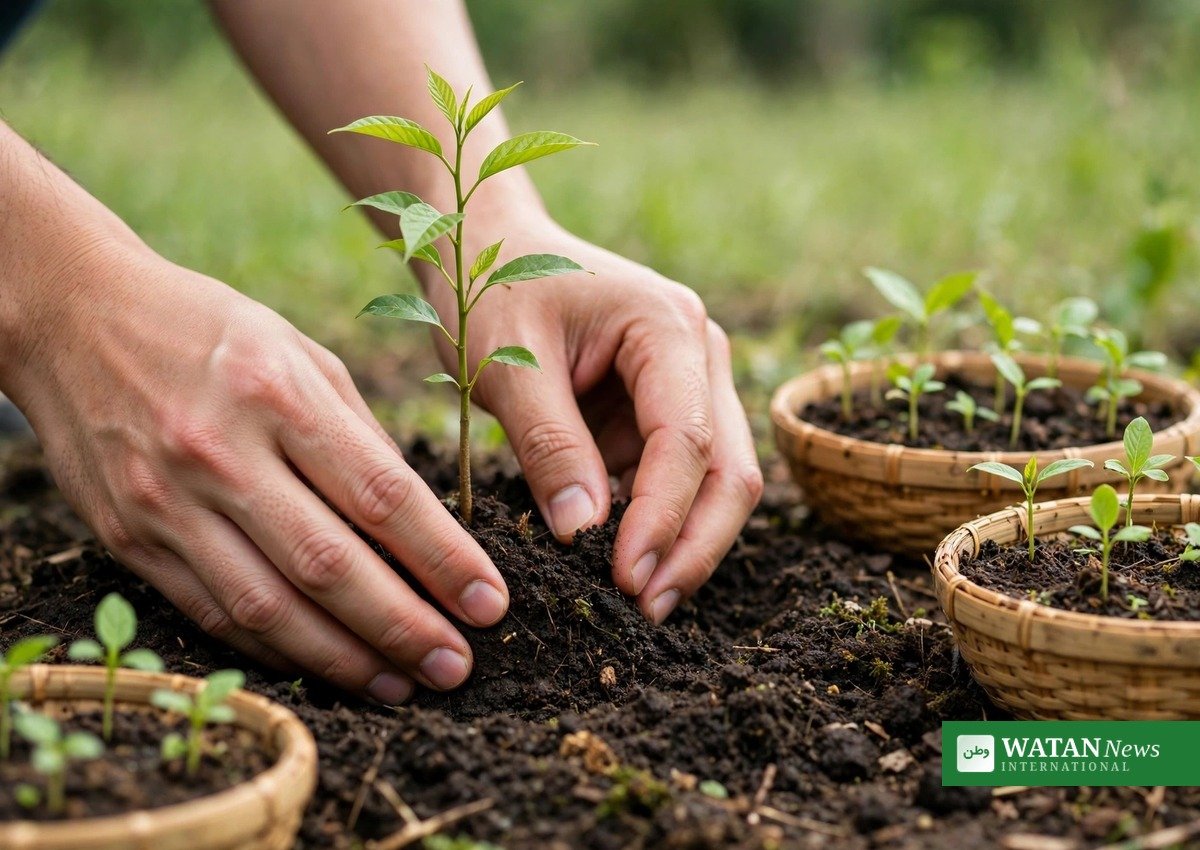
Under the programme, saplings of fruit-bearing, timber, medicinal and ornamental trees will be planted at suitable locations across all Bangladesh Police units. The mix matters: fruit trees support food and livelihoods, timber and ornamental species add long-term cover, and medicinal plants support local knowledge and use.
The police press release said the initiative aims to encourage participation in the government’s tree-planting drive, help maintain environmental balance and increase the country’s forest resources. No single planting day is the goal; the programme is designed to run across police units nationwide.
A national target of 250 million trees
The police launch sits inside a wider five-year national programme to plant 25 crore trees, or 250 million trees, over five years. The government unveiled the wider environmental and climate action plan in September 2026, covering the restoration of degraded forests, expanded mangrove coverage, green jobs and climate-resilient agriculture alongside the planting target.
District drives are already putting the target into practice. In Chattogram, Deputy Commissioner Mohammad Zahidul Islam Mian is leading a drive to plant 100,000 trees across the district’s 16 upazilas on Tuesday, with 10,000 to 20,000 extra saplings kept ready to replace any that fail to survive. Chattogram’s own five-year target under the national programme is 15 million trees, with particular attention to coconut plantations in coastal areas such as Sandwip.
In Lohagara upazila, officials held a preparatory meeting on Sunday ahead of planting 5,000 saplings at institutions across the upazila from Tuesday morning, under the deputy commissioner’s directive. Teachers, agriculture and forest officers, police and local representatives took part in the preparations.
Why survival matters more than planting alone
“We will not just plant these trees; we will also ensure proper care,” the Chattogram deputy commissioner said at a sapling distribution programme, adding that the aim is to keep 100,000 saplings alive. Larger, good-quality saplings have been collected to improve survival rates, and participating institutions have been asked to take responsibility for upkeep.
That emphasis echoes earlier government guidance on the national drive: planting must be matched by scientific species selection for local soils, climates and ecosystems, priority for indigenous species, and protection of mature trees already standing. A tree that survives, the guidance stresses, is worth far more than a sapling counted and forgotten.
For Bangladesh, a low-lying country exposed to floods, cyclones, soil erosion and rising heat, tree cover is also climate protection. Trees hold soil together, shade homes and streets, support water cycles and store carbon, while mangroves and coastal plantations buffer storm surges along the coast.
What happens next
Police units will now plant at their own premises across the country, while district administrations roll out their own planting days, including Chattogram’s 100,000-tree day on Tuesday. The test of the programme will not be the launch photographs, but the survival counts in the months that follow — and whether institutions keep watering, replacing and protecting what they plant.
Read more climate news in our climate coverage.
Key facts
- Launch: 26 October 2026, Police Headquarters, Dhaka, by Inspector General of Police Md Ali Hossain Fakir.
- National target: 250 million trees (25 crore) over five years.
- Police planting sites: barracks, residential areas and office compounds nationwide.
- Tree types: fruit-bearing, timber, medicinal and ornamental saplings.
- District example: Chattogram aims for 100,000 trees in one day, with 10,000–20,000 replacement saplings ready; its five-year target is 15 million trees.
Frequently asked questions
What did Bangladesh Police launch on 26 October 2026?
A tree-planting programme across all police units, inaugurated by Inspector General of Police Md Ali Hossain Fakir with a sapling planted at Police Headquarters in Dhaka.
How many trees does the national programme aim to plant?
250 million trees, or 25 crore trees, over five years, under the government’s wider environmental and climate action plan unveiled in September 2026.
Where will police plant the trees?
At suitable locations across all police units, including barracks, residential areas and office compounds.
What kinds of trees will be planted?
Fruit-bearing, timber, medicinal and ornamental trees, chosen for suitable locations within each unit.
Why is survival, not just planting, emphasised?
Because a planted sapling only helps the climate, soil and water if it lives. District drives such as Chattogram’s are therefore keeping replacement saplings ready and asking institutions to take responsibility for care and upkeep.
Author

usmanch0013@gmail.com
Related Posts

Egypt Parliament Approves Military Support for Saudi Arabia
- 0
- 506 words
Egypt's parliament has authorised the military to provide defensive support to Saudi Arabia if Riyadh requests help against Houthi attacks, a move...
Read out all
Grækenland og Tyrkiet sætter bæredygtig turisme i centrum for nyt rejsesamarbejde
- 0
- 747 words
Grækenland og Tyrkiet blev i Athen den 23. oktober 2026 enige om at sætte bæredygtig turisme, nye rejseoplevelser og lokale gevinster i...
Read out all
یونان اور ترکیہ نے نئے سفری تعاون میں پائیدار سیاحت کو مرکز بنا دیا
یونان اور ترکیہ نے 23 اکتوبر 2026 کو ایتھنز میں پائیدار سیاحت، نئے سفری تجربات اور مقامی فوائد کو سفری تعاون کے...
Read out all
Greece and Türkiye Put Sustainable Tourism at Heart of New Travel Cooperation
- 0
- 736 words
Greece and Türkiye agreed in Athens on 23 October 2026 to centre sustainable tourism, new travel experiences and local benefits in their...
Read out all
Bangladeshs politi slutter sig til 250-millioner-træers indsats med landsdækkende plantning
- 0
- 817 words
Bangladeshs politi lancerede den 26. oktober 2026 et landsdækkende træplantningsprogram som del af regeringens femårige mål om 250 millioner træer.
Read out all
بنگلہ دیش پولیس نے 25 کروڑ درخت لگانے کی ملک گیر مہم کا آغاز کر دیا
بنگلہ دیش پولیس نے 26 اکتوبر 2026 کو ملک گیر شجرکاری مہم کا آغاز کیا، جو حکومت کی پانچ سال میں 25...
Read out all