- 0
- 1,030 word
Gulf states are working on a multipart peace deal aimed at averting a renewed war between the United States and Iran, with a plan centred on reopening the Strait of Hormuz within four days of sanctions being lifted and a withdrawal of substantial Houthi forces inside Yemen, according to a report published on Wednesday.
The Gulf peace deal US Iran war plan, reported by The Guardian, is described as an effort by Gulf states to head off what they regard as a disastrous renewal of war between Iran and the US. The United States is aware of the talks’ progress, the report says, but is holding out for a concession that European powers suggest could involve Iran allowing UN weapons inspectors back into the country.
FAKTA
- Gulf peace deal US Iran war: Gulf states are working on a multipart plan to avert a renewed war between the United States and Iran
- Strait of Hormuz: Iran would reopen the strait within four days of economic sanctions being lifted, down from an earlier seven-day proposal
- Yemen element: Houthi forces would withdraw substantial forces inside Yemen; the Houthis are demanding Saudi Arabia lift what they regard as a naval and air blockade on Houthi-held territory
- Inspectors sticking point: European powers suggest a breakthrough requires Iran to allow UN weapons inspectors back in, including to visit its bombed nuclear sites; Iran has so far refused
- Tehran talks: Iran’s security chief Mohsen Rezaei met the Houthis’ ambassador to Iran, Ibrahim al-Dulaimi, on Tuesday, a day after a Saudi, Turkish and Pakistani delegation visited Tehran
- Wider vision: A new non-aggression pact in which Iran is no longer ostracised by the rest of the Gulf, with the US presence in the region reduced or ended over time
- Status: No agreement has been signed; talks are ongoing and Iran says detailed nuclear talks must follow any agreement on the strait and sanctions
Gulf peace deal US Iran war: what the plan would do
At the heart of the reported plan is the Strait of Hormuz, the narrow waterway through which a large share of the world’s traded oil and gas has moved. Iran has focused, according to the report, solely on the guarantees of sanctions relief it would receive in return for reopening the strait.
Dr Ali Bagheri, the deputy secretary of Iran’s national security council, said Iran was willing to reduce its proposal that the strait reopen seven days after economic sanctions are lifted to four days. Iran had earlier proposed a seven-day version of the plan, under which the strait would reopen if the United States lifted its naval blockade of Iranian ports, waived sanctions on oil sales and observed a ceasefire, according to Associated Press reporting of remarks by Iranian Foreign Minister Abbas Araghchi.
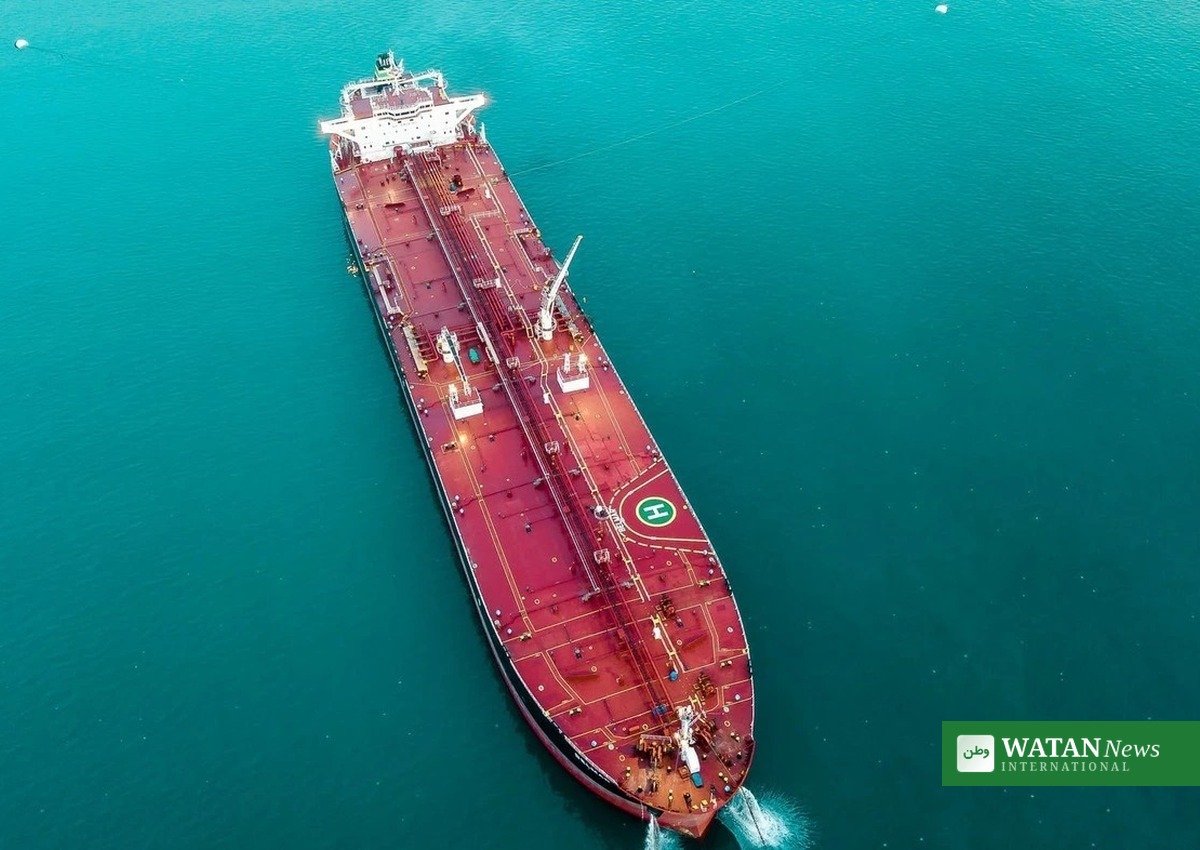
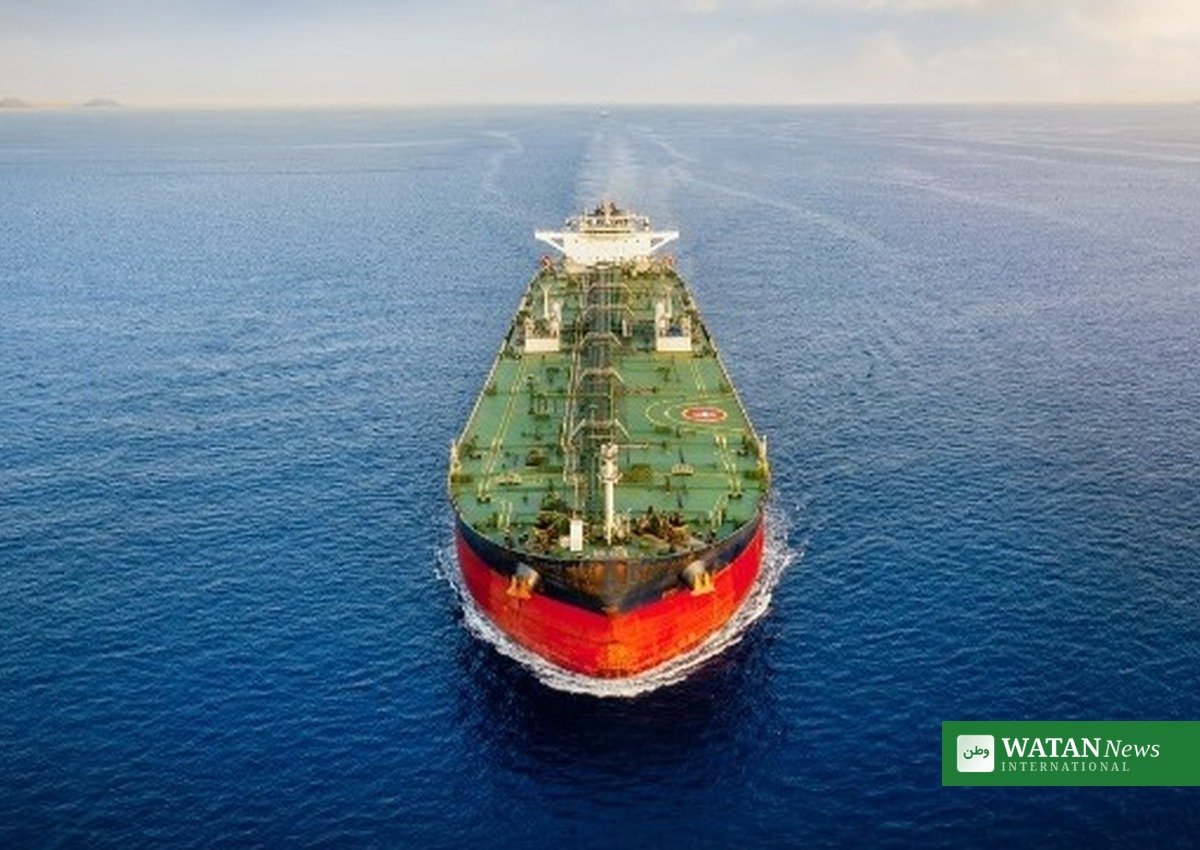
An oil tanker at sea. Reopening the Strait of Hormuz within four days of sanctions being lifted is at the centre of the reported Gulf peace plan.
In Yemen, the plan envisages the Houthis withdrawing substantial forces. Iran is starting to acknowledge it has a mediating role in the parallel conflict in Yemen, the report says. In return for a pullback, the Houthis are demanding that Saudi Arabia lift what they regard as a naval and air blockade on territory they hold. According to EA Worldview’s account of the talks, Houthi fighters have advanced along the Red Sea coast and surrounded Taiz, Yemen’s third-largest city.
The inspectors sticking point
The main obstacle described in the report is the question of UN weapons inspectors. European diplomats believe allowing inspectors to re-enter Iran and visit its bombed nuclear sites is a minimum requirement for a breakthrough with US President Donald Trump.
British Foreign Secretary Ed Miliband urged the Iranians to agree to readmit the UN weapons inspectors when he met Araghchi in New York, but so far Iran has refused, saying it will only hold talks in principle on its nuclear programme. Iran’s position, as reported, is that detailed talks on its nuclear programme must follow agreement over the strait and sanctions removal, not precede it.
Tehran talks and the wider security pact
The reported plan follows a flurry of diplomacy in Tehran. Rezaei met al-Dulaimi on Tuesday, 24 hours after a high-level delegation from Saudi Arabia, Turkey and Pakistan travelled to Tehran to discuss Saudi terms for ending the Yemen conflict as well as a longer-term security architecture for the region.
Iran successfully prevented discussion of its nuclear programme at that meeting, the report says, and instead ensured the focus was a broader discussion about a long-term regional security vision that would include the Gulf states and Iran and see the US presence in the Middle East reduced or ended.
A new non-aggression pact in which Iran is no longer ostracised by the rest of the Gulf, as it has been since the 1979 Islamic Revolution, would meet Iran’s highest strategic goal, according to the report. One of the key advocates of the inclusive security plan, Oman’s Foreign Minister Badr Albusaidi, said he believed the US administration understood this was the direction the region is heading, adding that if Iran were fully re-engaged, the economic potential for the region and beyond would be enormous.
At a televised event in Iran this week, Araghchi underlined the importance of a new postwar security pact, saying he was already thinking about the postwar period, whether there is war or not.
What happens next
No deal has been concluded, and the reported plan remains a proposal under discussion rather than a signed agreement. The initiative was boosted last Thursday by a meeting of foreign ministers from four European and four regional states, including Saudi Arabia, trying to avert a renewal of strikes, according to EA Worldview.
Tensions remain live. Oil prices rose on Wednesday after the Houthis said on Tuesday they had hit Saudi Arabia’s biggest oil refinery, Reuters reported, while Saudi authorities did not immediately confirm the strike on the 550,000-barrel-per-day facility. Whether the Gulf plan can bridge the gap between sanctions relief, the strait, Yemen and the inspectors question will determine if diplomacy averts a renewed war.
More on the Middle East: Watan News Middle East coverage.
Author

usmanch0013@gmail.com
Related Posts

IUCN Names Six Indigenous Leaders as First-Ever Primary Forest Ambassadors at COP17
- 0
- 1,093 word
IUCN has named six Indigenous leaders from Brazil, Peru, DR Congo, The Gambia, Indonesia and Thailand as the first Indigenous Peoples Ambassadors...
Read out all
China Crosses a Demographic Turning Point as Seniors Overtake Children
- 0
- 455 words
China now counts more people aged 65 and over than children aged 14 and under, official data shows, as its population falls...
Read out all
Belgrade Embassy Knife Attack Prompts Serbia’s Highest Terror Alert
- 0
- 486 words
Serbia has raised its terror threat level to red after a knife attack outside the Israeli embassy in Belgrade left the attacker...
Read out all
Olam Agri’s Congo Wood Business Wins Biodiversity Champion at Reuters Awards 2026
- 0
- 899 words
Olam Agri's wood business in the Republic of Congo has won the Biodiversity Champion award at the Reuters Global Sustainability Awards 2026...
Read out all
Indonesia Deploys Hundreds of Security Personnel as Students Prepare Jakarta Protests
- 0
- 487 words
Hundreds of security personnel were deployed across central Jakarta as University of Indonesia students prepared protests over the Sumatra and Borneo wildfires...
Read out all
Malaysia Seizes $12.1 Million Worth of AI Chips at Kuala Lumpur Airport
- 0
- 501 words
Malaysian customs said it seized advanced AI chips worth about 49.5 million ringgit ($12.11 million) at Kuala Lumpur International Airport, after finding...
Read out all