- 0
- 1,093 word
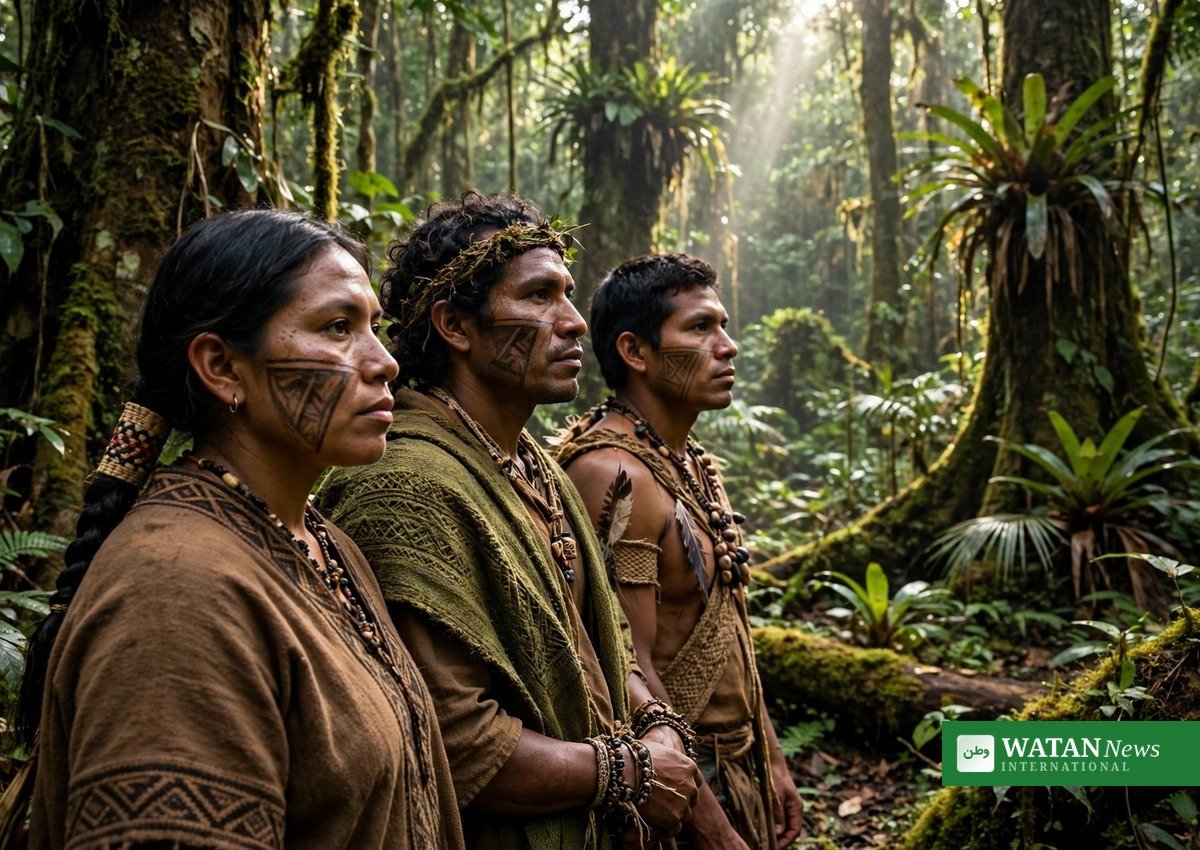
The International Union for Conservation of Nature (IUCN) has named six Indigenous leaders from three continents as the first-ever Indigenous Peoples Ambassadors for Primary Forests, recognising their work to keep some of the world’s oldest and most ecologically valuable forests standing. The announcement was made on 26 October 2026 in Yerevan, Armenia, during the seventeenth meeting of the Conference of the Parties to the Convention on Biological Diversity (CBD COP17).
The six ambassadors come from Brazil, Peru, the Democratic Republic of Congo, The Gambia, Indonesia and Thailand. They were formally recognised at an awards ceremony during CBD COP17, in a new initiative that puts Indigenous leadership at the centre of primary forest conservation.
Why primary forests matter
Primary forests are forests that have developed over centuries through natural processes, with little human disturbance. According to IUCN, the world’s 1.18 billion hectares of primary forests are among the most biodiverse ecosystems on Earth. They store vast amounts of carbon — 30 to 70 percent more than other forest types — and they filter water, regulate disease, stabilise the climate and buffer communities against floods and drought.
Yet these forests are under mounting pressure. IUCN points to large-scale agriculture, illegal mining, logging, drug trafficking, land conversion, infrastructure development and unsustainable resource extraction. According to IUCN, some 30 percent of pre-industrial primary forest cover is already gone, and once lost, the complex ecological structures shaped over centuries cannot be fully recreated by secondary forest regrowth.
That is why IUCN stresses protection over replacement: while restoring degraded forests is essential, it cannot substitute for keeping remaining intact primary forests standing. Related climate diplomacy continues on the road to COP31, as covered in Watan News coverage of the Delhi Declaration on cities and COP31.
Who the six ambassadors are
The ambassadors were chosen from 73 entries nominated by 69 organisations, reviewed and graded by an expert committee. The most important criterion, according to IUCN, was the extent to which each nominee had protected primary forests.
The first cohort
- Maimuna Jawara (The Gambia and Uganda): An Indigenous leader from the Manding Tribe, she works at the intersection of forest stewardship, cultural heritage and women’s leadership, documenting and revitalising traditional ecological knowledge related to sacred groves, medicinal plants, mangroves and responsible forest use in the Senegambia region and the Great Virunga landscape.
- Herkulanus Sutomo Manna (Indonesia): A Dayak Iban leader from Sungai Utik in West Kalimantan, he has helped strengthen customary governance systems that let his community manage and protect its forests, combining customary zoning, community patrols, participatory mapping and traditional farming practices.
- Joseph Itongwa Miukumo (Democratic Republic of Congo): A Bambuti Mabuluko leader who has advanced Indigenous and community-conserved territories and worked to strengthen recognition of Indigenous Peoples’ rights and contributions to forest conservation, connecting community-led conservation with national biodiversity and forest policy.
- Julio Cusurichi Palacios (Peru): A Shipibo-Conibo leader from Madre de Dios in the Peruvian Amazon, he has combined Indigenous governance, legal advocacy and political engagement to strengthen forest protection and Indigenous participation in national decision-making, including efforts to protect the territories and rights of Indigenous Peoples in Isolation and Initial Contact.
- Puyr dos Santos Tembé (Brazil): A representative of the Tembé Peoples and the Alto Rio Guamá Indigenous territory in the Brazilian Amazon, she works to strengthen Indigenous territorial governance and forest stewardship, including restoration through native species, community seed collection, agroforestry and sustainable livelihoods linked to standing forests.
- Pirawan Wongnithisathaporn (Thailand): A Karen Indigenous woman who works through the Asia Indigenous Peoples Pact to connect Indigenous Peoples’ experiences and priorities with regional and global biodiversity and climate processes, with a focus on Indigenous rights, community forestry, environmental governance and the leadership of Indigenous women and girls.
A recognition and advocacy role
The ambassador initiative is a component of IUCN’s Strengthening Conservation of Primary Forests project. It is funded by the Global Environment Facility (GEF) and implemented by IUCN in partnership with the United Nations Forum on Forests (UNFF). Its stated aims are to affirm Indigenous leadership, amplify Indigenous voices, bring their knowledge and priorities to wider national and global audiences, foster knowledge exchange, and advocate for greater support for Indigenous-led conservation at CBD COP17 and other high-level dialogues.
IUCN Director General Dr Grethel Aguilar said Indigenous leaders defend primary forests “often with limited resources, inadequate legal protections and at grave risk to their own safety”, adding that evidence shows securing Indigenous Peoples’ land rights and recognising and respecting traditional knowledge are among the most effective ways to protect forests and biodiversity. She added that Indigenous-led conservation is about more than environmental results: “it is about recognising rights, upholding dignity and delivering justice.”
GEF Chief Executive Officer and Chairperson Diego Mesa Puyo said the GEF has worked alongside several of the ambassadors in their territories, and noted that with more than 4.3 billion dollars pledged for GEF-9, the fund has committed to increase its support for Indigenous Peoples’ leadership.
FAKTA
- IUCN announced the first six Indigenous Peoples Ambassadors for Primary Forests on 26 October 2026 at CBD COP17 in Yerevan, Armenia.
- The ambassadors represent Brazil, Peru, the Democratic Republic of Congo, The Gambia, Indonesia and Thailand.
- The initiative is part of IUCN’s Strengthening Conservation of Primary Forests project, funded by the GEF and implemented with the UNFF.
- The six were selected from 73 entries nominated by 69 organisations.
- Primary forests cover 1.18 billion hectares and store 30 to 70 percent more carbon than other forest types, according to IUCN.
Frequently asked questions
What is a primary forest?
A primary forest is a forest that has developed over a long period through natural processes with little human disturbance. IUCN describes primary forests as among the most biodiverse and ecologically valuable ecosystems on Earth.
Why are Indigenous Peoples important for forest protection?
According to IUCN, studies show that Indigenous-managed lands consistently show lower rates of deforestation and degradation, and that Indigenous knowledge systems, governance institutions and stewardship practices have maintained forests across generations.
What will the new ambassadors do?
They will bring Indigenous knowledge, experiences and priorities to national and global audiences, take part in knowledge exchange, and advocate for greater support for Indigenous-led conservation at forums such as CBD COP17 and other high-level dialogues.
Who funds the ambassador initiative?
The initiative is funded by the Global Environment Facility (GEF) and implemented by IUCN in partnership with the United Nations Forum on Forests (UNFF), as part of the Strengthening Conservation of Primary Forests project.
How were the six ambassadors selected?
They were chosen from 73 entries nominated by 69 organisations, reviewed and graded by an expert committee, with the most important criterion being the extent to which each nominee had protected primary forests.
Author

usmanch0013@gmail.com
Related Posts

Hungary Raids Target COVID-Era Ventilator Purchases Worth $910 Million
- 0
- 474 words
Hungarian tax investigators have searched several locations and questioned 11 suspects in an inquiry into 2020 ventilator and mask purchases worth about...
Read out all
Qatari Mediators Present Iran With New Draft Deal to End War, Official Says
- 0
- 549 words
Qatari mediators presented Iran with a new draft deal on Sunday to end the war with the United States and Israel, with...
Read out all
IUCN udnævner seks oprindelige ledere som de første urskovsambassadører ved COP17
- 0
- 1,125 word
IUCN har udnævnt seks oprindelige ledere fra Brasilien, Peru, DR Congo, Gambia, Indonesien og Thailand som de første Oprindelige Folks Ambassadører for...
Read out all
آئی یو سی این نے چھ مقامی رہنماؤں کو پہلی بار بنیادی جنگلات کے سفیر مقرر کر دیا
- 0
- 1 word
آئی یو سی این نے برازیل، پیرو، کانگو، گیمبیا، انڈونیشیا اور تھائی لینڈ کے چھ مقامی رہنماؤں کو سی بی ڈی کاپ17...
Read out all
China Crosses a Demographic Turning Point as Seniors Overtake Children
- 0
- 455 words
China now counts more people aged 65 and over than children aged 14 and under, official data shows, as its population falls...
Read out all
Belgrade Embassy Knife Attack Prompts Serbia’s Highest Terror Alert
- 0
- 486 words
Serbia has raised its terror threat level to red after a knife attack outside the Israeli embassy in Belgrade left the attacker...
Read out all