- 0
- 668 words
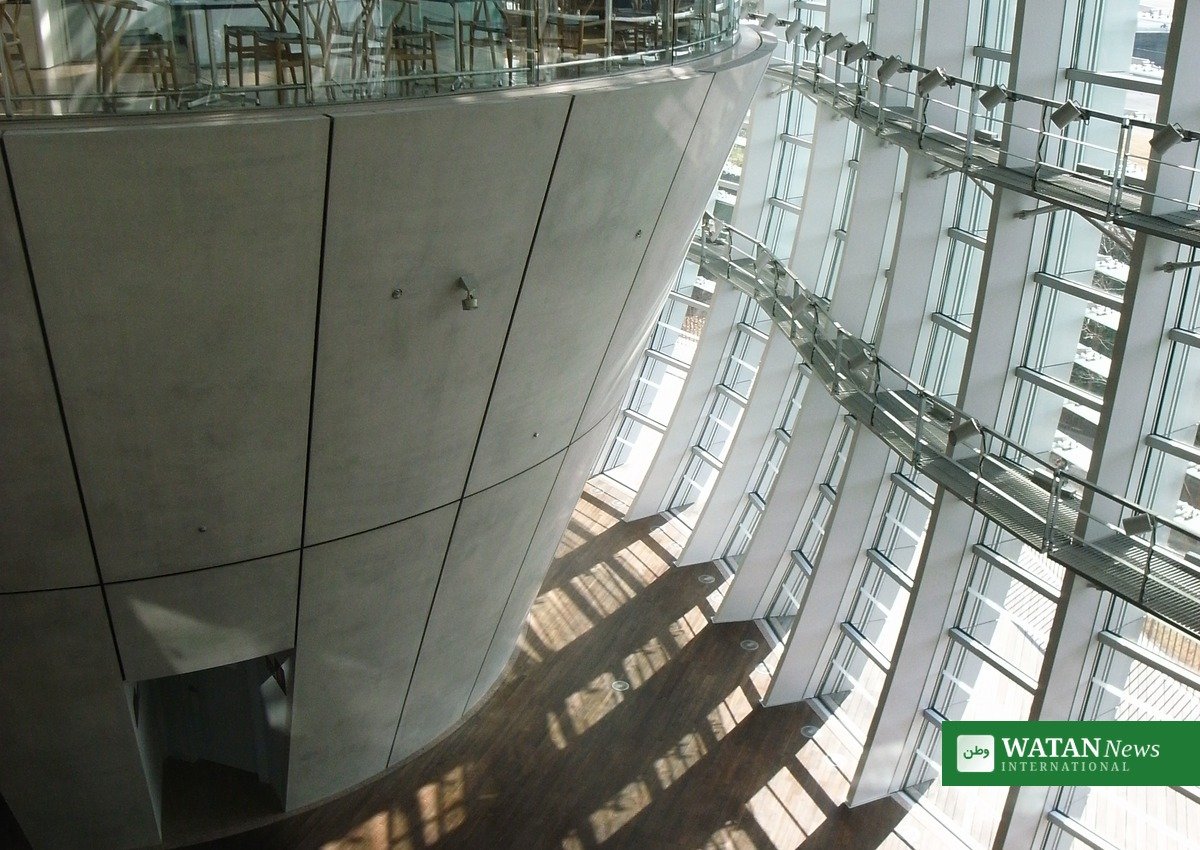
Tokyo’s National Art Center has opened the first large-scale exhibition of shojo manga ever mounted by a national museum in Japan, tracing six decades of work by three pioneering women who transformed what comics could say and how a page could say it.
“Shojo Manga Infinity: Moto Hagio, Ryoko Yamagishi and Waki Yamato” opened on Wednesday 28 October at the museum’s Special Exhibition Gallery 2E in Roppongi, as part of the institution’s 20th anniversary programme, and runs until 8 February 2027.
Three pioneers of a golden age
Hagio, Yamagishi and Yamato all began their careers in the late 1960s and became leading figures in the 1970s “golden age of shojo manga”, when the genre expanded far beyond conventional romance. Over nearly six decades their work has explored the inner self, relationships, women’s independence, diverse forms of sexuality, history and culture, spirituality, fantasy and science fiction, and new approaches to visual storytelling.
The exhibition brings together more than 800 original monochrome and colour artworks, including manuscripts from their best-known works and valuable archival material, giving visitors a rare chance to see the delicate lines, sophisticated compositions and subtle colours of original manga art — details that cannot be fully reproduced on the printed page.
Three distinctive territories
Each artist opened up her own creative territory. Hagio is celebrated for fantastic narratives and profound explorations of interior worlds; Yamagishi for incisive portrayals of human nature, spirituality and the body; and Yamato for vivid stories rooted in history and culture, often centred on women navigating social change.
Shojo manga is often loosely translated as “girls’ comics”, but the exhibition shows how misleading that label is: by the 1970s, artists in the tradition were telling stories about identity, death, desire, historical power and the difficulty of understanding other people, with panels dissolving into atmosphere and flowers and empty space carrying emotion as efficiently as words.
Visiting the exhibition
The show is presented in two terms, from 28 October to 14 December 2026 and from 16 December 2026 to 8 February 2027, with colour works rotated between terms. General admission is 2,200 yen for adults, 1,000 yen for college students and 500 yen for high school students, with advance tickets cheaper; admission is free for children aged 15 and under and for visitors with disabilities plus a caregiver. The gallery is closed on Tuesdays, on 4 November, and from 28 December to 5 January, and is open on 3 November and 8 December.
FAKTA
- “Shojo Manga Infinity” runs from 28 October 2026 to 8 February 2027 at the National Art Center, Tokyo, Special Exhibition Gallery 2E.
- It features Moto Hagio, Ryoko Yamagishi and Waki Yamato, who debuted in the late 1960s and led the 1970s golden age of shojo manga.
- More than 800 original monochrome and colour artworks are on display, in two terms with colour works rotated.
- It is the first large-scale shojo manga exhibition at a national museum in Japan, and part of the museum’s 20th anniversary programme.
- General adult admission is 2,200 yen; entry is free for children aged 15 and under.
Conclusion
By placing original manga drawings in a national art museum, “Shojo Manga Infinity” treats a popular art form with the seriousness its pioneers earned. For visitors, it is a chance to see how three women redrew the boundaries of comics — and, in doing so, changed Japanese visual culture.
Frequently Asked Questions
What is “Shojo Manga Infinity”?
A major exhibition at the National Art Center, Tokyo, devoted to Moto Hagio, Ryoko Yamagishi and Waki Yamato, three pioneers of shojo manga.
When does it run?
From 28 October 2026 to 8 February 2027, in two display terms with colour works rotated.
What is shojo manga?
A Japanese comics tradition originally aimed at girl readers that grew, in the 1970s, into a rich art form tackling identity, history, fantasy and the inner life.
How much does it cost?
General admission is 2,200 yen for adults, 1,000 yen for college students and 500 yen for high school students; children aged 15 and under enter free.
Read more on Watan News: https://watannews.dk/en/news/shojo-manga-infinity-tokyo/
Author

usmanch0013@gmail.com
Related Posts

Danone Joins Coca-Cola and Nestlé in Fixing ‘100% Recycled’ Bottle Labels After EU Probe
- 0
- 740 words
Danone has agreed to revise the recycling claims on its plastic water bottles, becoming the last of the three drink giants in...
Read out all
Scotland to Push Fairer Climate Finance and Loss and Damage Funding at COP31
- 0
- 797 words
Scotland's Climate Action Secretary Gillian Martin will attend COP31 in Antalya to press for fairer climate finance, more loss and damage funding...
Read out all
Over 100 Noncitizen Voter Subpoenas Issued by Trump Administration Before US Midterms
- 0
- 1,085 word
More than 100 federal subpoenas have demanded voter records in at least a dozen states ahead of the US midterms, Reuters reports,...
Read out all
CDC: Drug-Resistant Germs Cause 9.7 Million US Infections a Year
- 0
- 656 words
The CDC's 2026 Antimicrobial Resistance Threats Report estimates 9.7 million drug-resistant infections and 50,800 deaths a year in the US, naming four...
Read out all
Smoked Fish Recalled in Three US States Over Botulism Risk
- 0
- 683 words
Haifa Smoked Fish has recalled more than 560 pounds of Cold Smoked Sprats sold in New Jersey, New York and Pennsylvania after...
Read out all
Nordic Rift Over Putin Call as Denmark and Sweden Question Solo Diplomacy
- 0
- 775 words
Norway's prime minister has defended his 90-minute phone call with Vladimir Putin after Denmark and Sweden criticised the Finnish-Norwegian initiative, exposing a...
Read out all