- 0
- 735 words
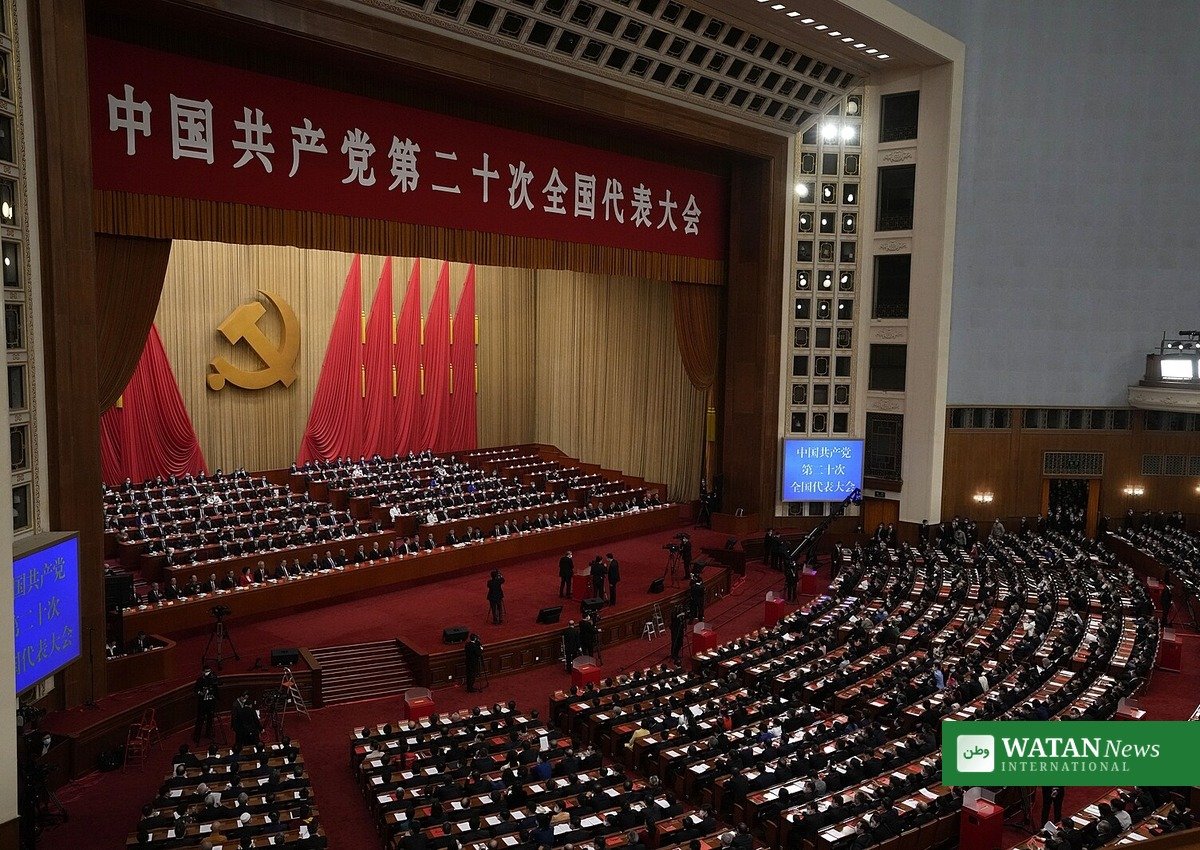
China’s ruling Communist Party has confirmed the expulsion of 33 officials and elevated its top general to the elite Politburo, as its four-day Fifth Plenum closed in Beijing on Thursday with the thinnest attendance of the post-Mao era.
The communique of the closed-door session of the party’s 20th Central Committee, which opened on Monday and was released by the official Xinhua news agency on Thursday, formalised the China fifth plenum expulsions and set the party’s 21st Congress for the second half of 2027 in Beijing.
FAKTA: China fifth plenum expulsions
- What happened: The Fifth Plenum of the 20th Central Committee closed in Beijing on Thursday, 29 October 2026, after a four-day closed-door session.
- Expulsions confirmed: 33 officials were formally expelled from the party, including former Politburo member Ma Xingrui and former senior military leader Zhang Youxia.
- Promotion: General Zhang Shengmin, vice-chair of the Central Military Commission, was elevated to the Politburo.
- Attendance: 279 full and alternate members attended, against 376 originally named in 2022 — over a quarter of the cohort absent.
- Next milestone: The 21st Party Congress is set for the second half of 2027 in Beijing.
Who was expelled in the China fifth plenum expulsions
The plenum formally confirmed the expulsion of 33 officials from the party. Alongside Ma Xingrui and Zhang Youxia, those named included former senior diplomat Liu Jianchao and former industry minister Jin Zhuanglong, as well as military official Liu Zhenli and Yi Huiman, who led China’s securities regulator.
Separately from the 33 expulsions, Li Yunze, the former head of China’s financial regulator, was removed from his position within the party.
The session also promoted 10 alternate members to full membership of the Central Committee, nearly matching the 11 such promotions approved at last year’s plenum.
General Zhang Shengmin joins the Politburo
The plenum’s most prominent promotion was that of Zhang Shengmin, the 68-year-old vice-chair of the Central Military Commission, to the Politburo, the party’s top decision-making body. Zhang became the country’s second-ranking general at the fourth plenum last year, and his elevation makes him the only military member of the elite body.
The promotion underlines how far the party’s military leadership has been reshaped: five of the original seven members of the Central Military Commission have been removed since 2022, leaving President Xi Jinping and Zhang as the commission’s remaining members.
Record-low attendance reflects the scale of the purges
In total, 279 full and alternate members of the leadership body attended this week’s gathering, compared with the 376 originally named in 2022, according to the summary of proceedings dispatched by Xinhua. That means over a quarter of the original cohort was absent, many of them because of purges — the highest rate of absences in the post-Mao era.
State television footage of the session showed several rows of empty seats in the meeting hall. The party’s disciplinary crackdown, launched in late 2012, has continued at pace: party authorities disciplined 983,000 people last year, and about 680,000 more from January to September this year, according to official data.
A discipline session, not an economic blueprint
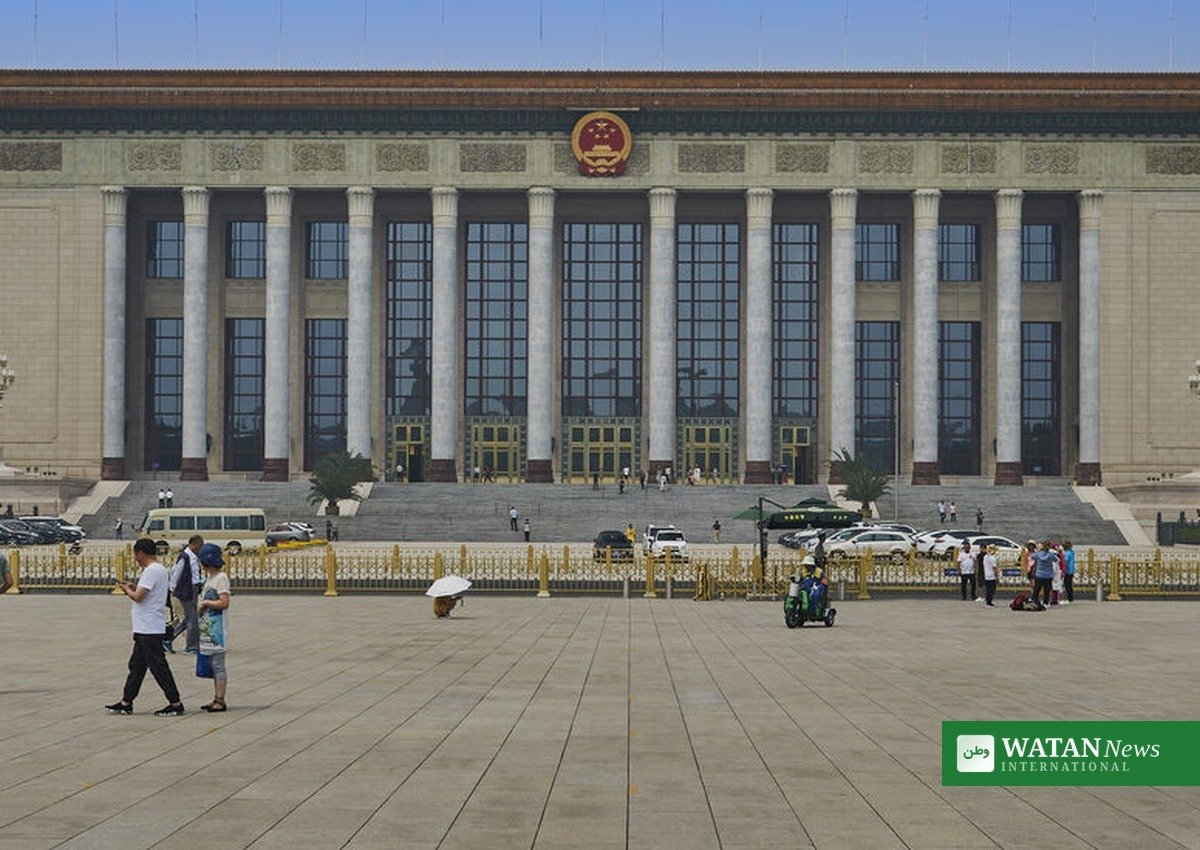
The session’s formal agenda was a draft decision on strengthening full and rigorous party self-governance, covering discipline, supervision and accountability of officials. President Xi Jinping presented a work report for the Politburo at the opening and set out the draft decision, which reviewed the party’s discipline record since its 18th National Congress in 2012.
The discipline focus marked a break from the usual role of a fifth plenum, which normally sets out priorities for the next five-year economic plan. The fourth plenum in October 2025 had already adopted the recommendations for the 15th Five-Year Plan period of 2026 to 2030, so this session turned instead to how the party governs itself.
What happens next
By setting the 21st Party Congress for the second half of 2027, the plenum effectively opened the party’s tightly choreographed, twice-a-decade contest for top leadership posts. No succession decision was on the table at this plenum, though experts widely expect Xi to hold the party’s top job for a fourth term at next year’s congress.
Attention now turns to the fuller decision document from the session. Observers had said before the close that concrete new measures, rather than restated commitments, would be the key test of the plenum’s discipline drive. For more coverage of the region, see Watan News Asia coverage.
Author

usmanch0013@gmail.com
Related Posts

Abbas Says Cyprus Can Play Key Role in Reviving Peace Talks
- 0
- 476 words
Palestinian President Mahmoud Abbas says Cyprus could play a very significant role in reviving peace talks, as he meets Cypriot President Nikos...
Read out all
US Renewables Supply Over 28% of Electricity as Solar and Wind Surge
- 0
- 869 words
Renewable energy supplied 28.1% of US electricity in January-August 2026, up from 26.2% a year earlier, as wind and solar together beat...
Read out all
Brewers Win First World Series Title, Beating Rays 4-1 in Game 5
- 0
- 763 words
The Milwaukee Brewers beat the Tampa Bay Rays 4-1 in Game 5 to win the World Series 4-1, claiming the franchise's first...
Read out all
Kazakhstan Removes Lenin Monument in Village After Local Campaign
- 0
- 486 words
A statue of Vladimir Lenin has been removed from the village of Kushmurun in Kazakhstan’s Kostanay region after a local campaign gathered...
Read out all
Drone Strike Kills 13 at Dnipro Railway Station in Ukraine
- 0
- 422 words
Thirteen people were killed and at least five wounded when a Russian drone struck a crowded platform at Dnipro's main railway station...
Read out all
UN Report: Ocean Carbon Intelligence Needed as Climate Weakens Ocean Carbon Sink
- 0
- 1,180 word
UNEP's 2026 Climate Technology Progress Report warns the ocean carbon sink has weakened by about 6 per cent and calls for Ocean...
Read out all