- 0
- 869 words
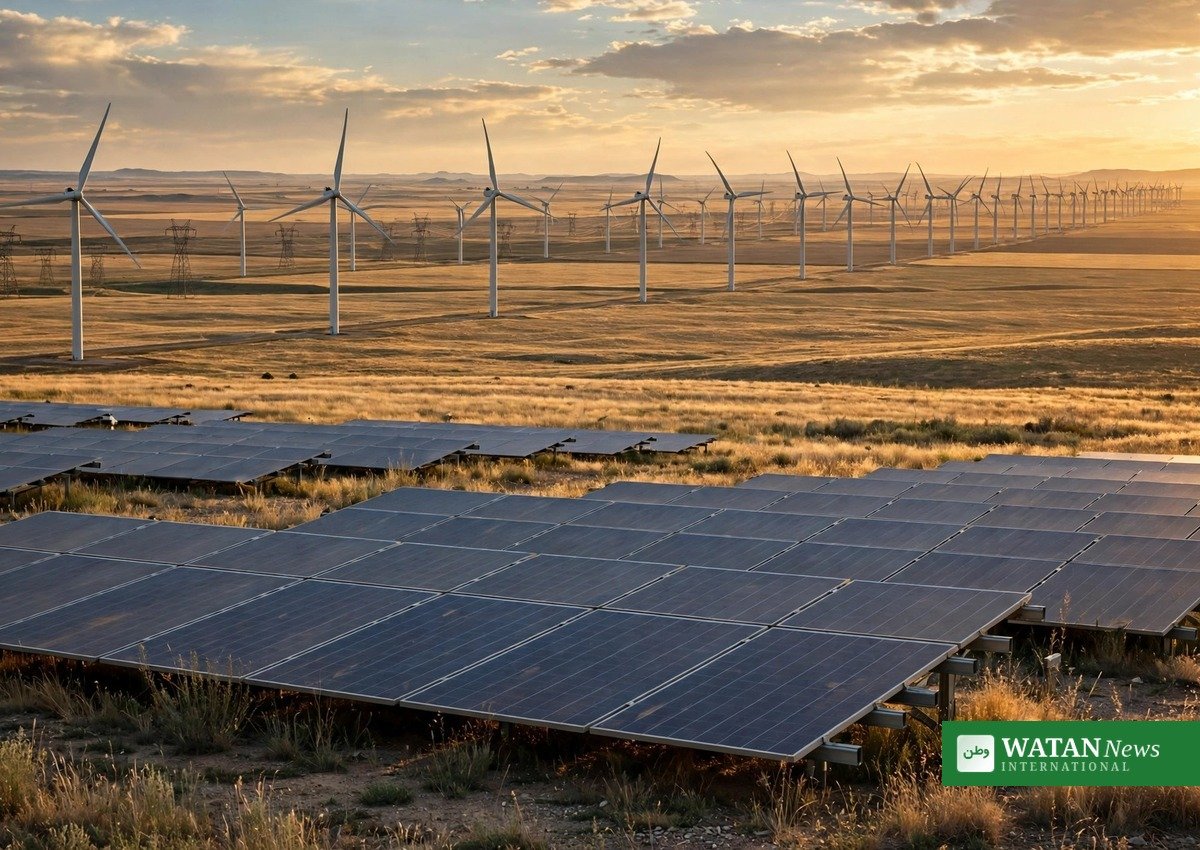
Renewable energy supplied 28.1 percent of all electricity generated in the United States during the first eight months of 2026, according to new figures from the US Energy Information Administration (EIA), as solar and wind continued their rapid expansion. Renewable generation rose 10.2 percent compared with the same period in 2025, growing nearly four times faster than total US electricity generation, which increased by 2.6 percent.
Wind and solar together provided 21.1 percent of US electricity between January and August 2026, producing more power than coal and nuclear plants. The figures, drawn from the EIA’s latest Electric Power Monthly report with data through 31 August 2026 and reviewed by the SUN DAY Campaign, show a power system in which the fastest-growing sources are also the ones with no fuel bill.
Key facts
- Renewables supplied 28.1 percent of US electricity in January–August 2026, up from 26.2 percent a year earlier.
- Renewable generation grew 10.2 percent year on year, against 2.6 percent growth in total generation.
- Wind produced 333,367 gigawatt-hours (10.6 percent) and solar 329,119 gigawatt-hours (nearly 10.5 percent).
- Wind and solar together beat coal-fired generation by 44.4 percent and nuclear by 24.8 percent.
- Renewable capacity grew by about 43,498 megawatts in the year to August 2026, and battery storage by about 17,587 megawatts.
Solar and wind drive the growth
Utility-scale solar led the surge, with output up 20.0 percent year on year, followed by small-scale solar at 12.0 percent and wind at 7.8 percent. Hydropower generation rose 4.2 percent and geothermal output increased 3.8 percent.
In absolute terms, wind produced 333,367 gigawatt-hours in the eight months, or 10.6 percent of total US electrical generation, while utility-scale and small-scale solar combined produced 329,119 gigawatt-hours, or nearly 10.5 percent. Hydropower added 180,940 gigawatt-hours (5.7 percent), biomass 29,917 gigawatt-hours (1.0 percent) and geothermal 10,766 gigawatt-hours (0.34 percent).
By comparison, electricity from natural gas plants grew by just 2.6 percent and from nuclear plants by 1.3 percent, while coal-fired generation fell by 8.7 percent. Wind and solar combined produced 662,486 gigawatt-hours, against 531,031 gigawatt-hours from nuclear and 458,609 gigawatt-hours from coal.
Capacity additions and batteries
The building boom behind the generation figures is just as striking. Between September 2025 and August 2026, renewable generating capacity increased by 43,497.9 megawatts, including 27,141.7 megawatts of utility-scale solar, 9,979.1 megawatts of wind and 6,526.1 megawatts of small-scale solar. Utility-scale battery storage capacity grew by a further 17,586.9 megawatts over the same period.
Net fossil fuel and nuclear capacity, by contrast, increased by only 2,612.6 megawatts, with additions in natural gas partly offset by coal retirements. Ken Bossong, executive director of the SUN DAY Campaign, said: “The growth of solar, wind, and battery storage has become unstoppable.”
What comes next: renewables set to pass gas
Looking ahead, the EIA projects that utility-scale renewable capacity will add 53,117.3 megawatts over the 12 months to August 2027, almost 44 percent more than in the preceding year. Utility-scale solar is expected to account for 44,603.1 megawatts of that expansion, while wind will contribute 8,312.3 megawatts, including 3,355.0 megawatts of offshore wind.
Over the coming year, the share of renewables in total US generating capacity is projected to grow from 37.7 percent to 40.4 percent, surpassing natural gas, while the utility-scale-only share rises from 34.5 percent to 37.3 percent. Total fossil fuel and nuclear capacity is expected to fall by almost 2 gigawatts over the same period.
Capacity is not the same as generation: gas plants still run for more hours of the year than many solar farms. But the direction of investment is clear, and the figures land just days before the COP31 climate conference opens in Antalya, where the pace of the global energy transition will be high on the agenda. Readers following the wider shift can also read about China’s wind and solar capacity passing 2 terawatts, a milestone reported earlier this week.
Why it matters
The US figures matter beyond American borders because they show renewables scaling at a pace that now moves national totals, not just individual projects. Solar and wind together already supply more than a fifth of US electricity, and the pipeline of new capacity points to further growth even as grids and permitting remain challenges for developers.
For countries weighing their own energy plans ahead of COP31, the American experience underlines two lessons: solar and wind can grow much faster than overall electricity demand, and battery storage is becoming a standard companion to new solar, helping clean power work after sunset.
Frequently asked questions
How much of US electricity came from renewables in early 2026?
Renewables supplied 28.1 percent of total US electricity generation from January to August 2026, up from 26.2 percent in the same period of 2025, according to EIA data reviewed by the SUN DAY Campaign.
Which renewable sources grew fastest?
Utility-scale solar grew fastest, up 20.0 percent year on year, followed by small-scale solar at 12.0 percent and wind at 7.8 percent. Hydropower rose 4.2 percent and geothermal 3.8 percent.
Did wind and solar together beat coal and nuclear?
Yes. Wind and solar combined produced 662,486 gigawatt-hours in the eight months, 44.4 percent more than coal (458,609 gigawatt-hours) and 24.8 percent more than nuclear (531,031 gigawatt-hours).
How much new renewable capacity was added?
Renewable generating capacity increased by 43,497.9 megawatts between September 2025 and August 2026, including 27,141.7 megawatts of utility-scale solar and 9,979.1 megawatts of wind. Battery storage added 17,586.9 megawatts.
Are renewables expected to overtake natural gas?
On generating capacity, yes, according to EIA projections reviewed by the SUN DAY Campaign: renewables’ share is expected to rise from 37.7 percent to 40.4 percent within a year, surpassing natural gas. This is a capacity measure, not generation, where gas plants still run more hours.
Author

usmanch0013@gmail.com
Related Posts

ECB Holds Interest Rates as Lagarde Announces Early Departure
- 0
- 658 words
The European Central Bank holds interest rates at 2.50 percent on Thursday, hours after President Christine Lagarde announced she will step down...
Read out all
Abbas Says Cyprus Can Play Key Role in Reviving Peace Talks
- 0
- 476 words
Palestinian President Mahmoud Abbas says Cyprus could play a very significant role in reviving peace talks, as he meets Cypriot President Nikos...
Read out all
Vedvarende energi leverer over 28% af USA’s elektricitet
- 0
- 903 words
Vedvarende energi leverede 28,1 procent af USA's elektricitet i januar–august 2026, mod 26,2 procent året før, mens vind og sol tilsammen overgik...
Read out all
امریکہ میں قابل تجدید توانائی نے بجلی کا 28 فیصد سے زیادہ حصہ حاصل کر لیا
جنوری سے اگست 2026 کے دوران قابل تجدید توانائی نے امریکی بجلی کا 28 اعشاریہ 1 فیصد فراہم کیا، جو گزشتہ سال...
Read out all
Brewers Win First World Series Title, Beating Rays 4-1 in Game 5
- 0
- 763 words
The Milwaukee Brewers beat the Tampa Bay Rays 4-1 in Game 5 to win the World Series 4-1, claiming the franchise's first...
Read out all
Kazakhstan Removes Lenin Monument in Village After Local Campaign
- 0
- 486 words
A statue of Vladimir Lenin has been removed from the village of Kushmurun in Kazakhstan’s Kostanay region after a local campaign gathered...
Read out all