- 0
- 486 words
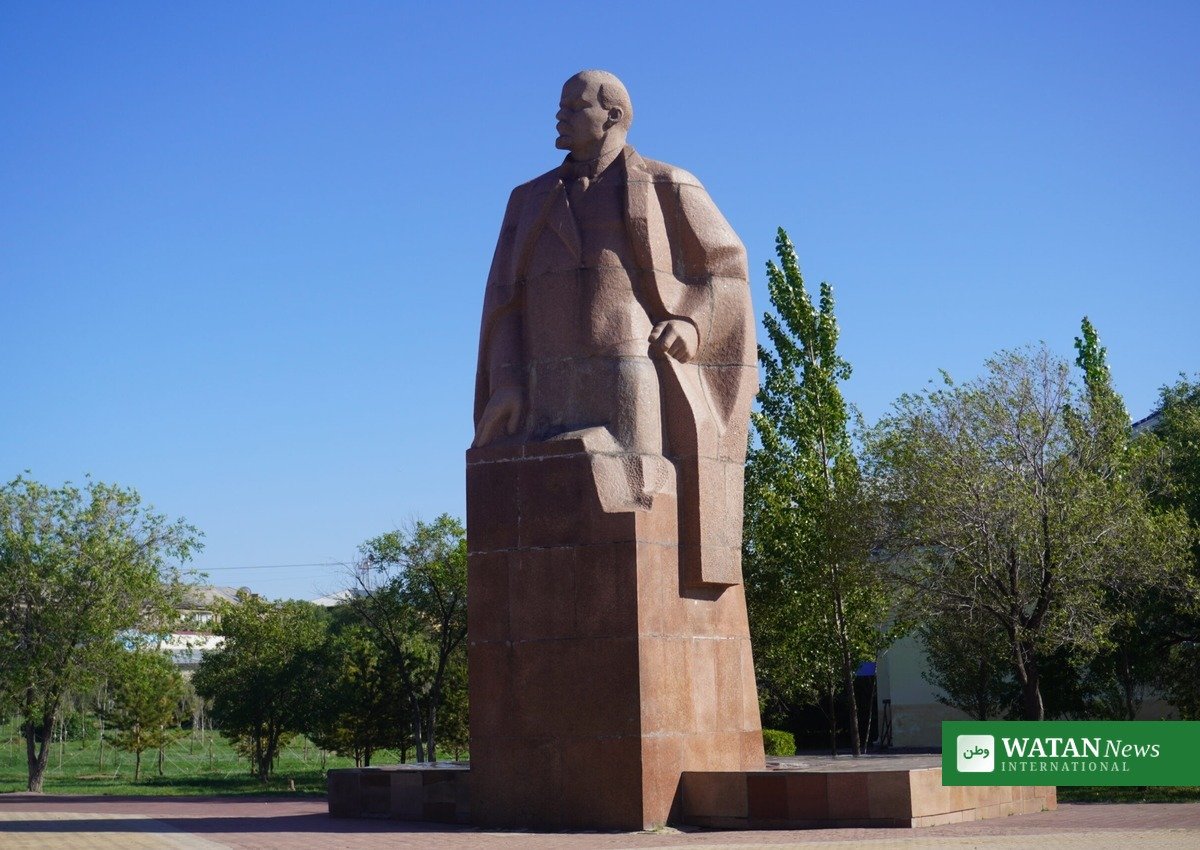
A statue of Vladimir Lenin has been taken down in the Kazakh village of Kushmurun, in the Kostanay region, in the latest symbolic break with the Soviet past in Central Asia. The removal was reported on 29 October by Ukraine’s Foreign Intelligence Service, which said the regional administration agreed after a local campaign gathered close to 400 signatures.
Earlier attempts to have the monument removed, in 2015 and 2022, did not succeed amid opposition from some residents. This time, according to the report, the authorities accepted the request and the statue was removed.
FAKTA
- Where: Kushmurun village, Kostanay region, Kazakhstan
- What happened: A statue of Vladimir Lenin was removed following a local campaign
- Local support: Nearly 400 signatures were collected in favour of removal
- Earlier attempts: Campaigns in 2015 and 2022 failed amid local opposition
- Reported by: Ukraine’s Foreign Intelligence Service, on 29 October 2026
- Wider context: 341 Lenin statues demolished in Kazakhstan since independence (as of 2021)
Local campaign behind the removal
The campaign was driven by residents who argued the monument no longer belonged in the village’s public space. Supporters collected signatures and pressed the regional administration to act, and officials eventually agreed to their request. The decision ended years of disagreement in the community, where earlier removal efforts had stalled because other residents wanted the statue to stay.
Why supporters wanted it gone
For supporters of the removal, the statue stood for a period of rule they associate with famine and political repression. The Ukrainian report cited the famine of the early 1930s in Kazakhstan, putting the death toll at up to 2.3 million people, close to half of the population at the time. Some researchers describe that famine as the Kazakh famine and compare it with the Holodomor in Ukraine.
That reading of history is contested. Others regard Soviet monuments as part of their shared heritage, and past removals have drawn protests from people who see them as cultural erasure. The failed attempts in Kushmurun in 2015 and 2022 show the question remains sensitive even in a single village.
A wider Central Asian trend
The removal comes amid a broader re-examination of Soviet symbols across Central Asia. According to the report, Kyrgyzstan has seen growing calls for decommunisation in 2026, Uzbekistan has taken a leading role, Tajikistan has focused on national identity and historical memory, and Turkmenistan has stressed sovereignty and neutrality.
The report presents these shifts as efforts to reduce Russian influence, contrasting them with the promotion of Soviet symbols, including images of Lenin and Stalin, in parts of Ukraine under Russian occupation. Regional reporting has previously noted the scale of change in Kazakhstan alone, where hundreds of Lenin statues have come down since independence in 1991.
Whether the Kushmurun removal encourages similar decisions elsewhere remains to be seen. For now, it stands as one more sign that Central Asia’s public spaces are being reshaped as the region redefines its relationship with its Soviet past. More international news is available on Watan News.
Author

usmanch0013@gmail.com
Related Posts

ECB Holds Interest Rates as Lagarde Announces Early Departure
- 0
- 658 words
The European Central Bank holds interest rates at 2.50 percent on Thursday, hours after President Christine Lagarde announced she will step down...
Read out all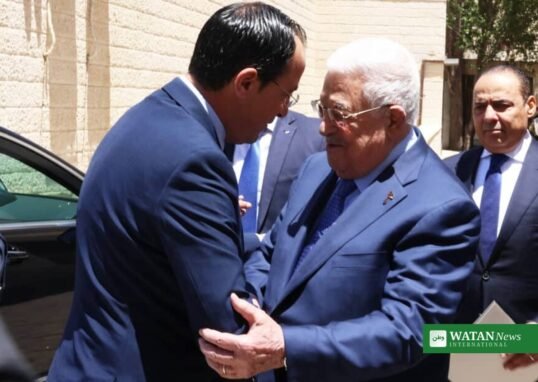
Abbas Says Cyprus Can Play Key Role in Reviving Peace Talks
- 0
- 476 words
Palestinian President Mahmoud Abbas says Cyprus could play a very significant role in reviving peace talks, as he meets Cypriot President Nikos...
Read out all
US Renewables Supply Over 28% of Electricity as Solar and Wind Surge
- 0
- 869 words
Renewable energy supplied 28.1% of US electricity in January-August 2026, up from 26.2% a year earlier, as wind and solar together beat...
Read out all
Brewers Win First World Series Title, Beating Rays 4-1 in Game 5
- 0
- 763 words
The Milwaukee Brewers beat the Tampa Bay Rays 4-1 in Game 5 to win the World Series 4-1, claiming the franchise's first...
Read out all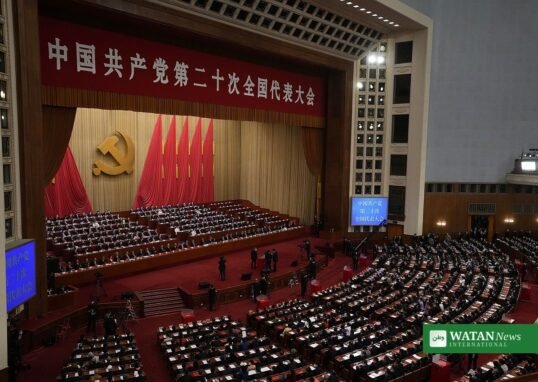
China’s Fifth Plenum Expels 33 Officials, Elevates Top General to Politburo
- 0
- 735 words
China's Communist Party has confirmed the expulsion of 33 officials and promoted General Zhang Shengmin to the Politburo as its Fifth Plenum...
Read out all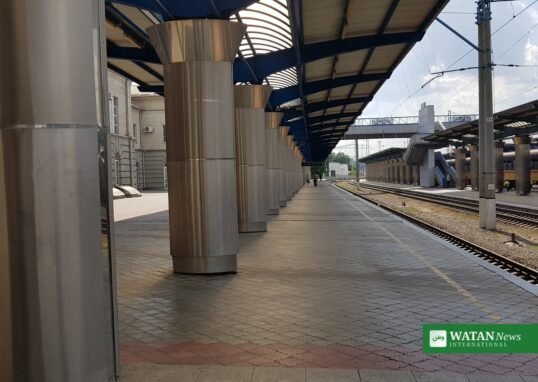
Drone Strike Kills 13 at Dnipro Railway Station in Ukraine
- 0
- 422 words
Thirteen people were killed and at least five wounded when a Russian drone struck a crowded platform at Dnipro's main railway station...
Read out all