- 0
- 658 words
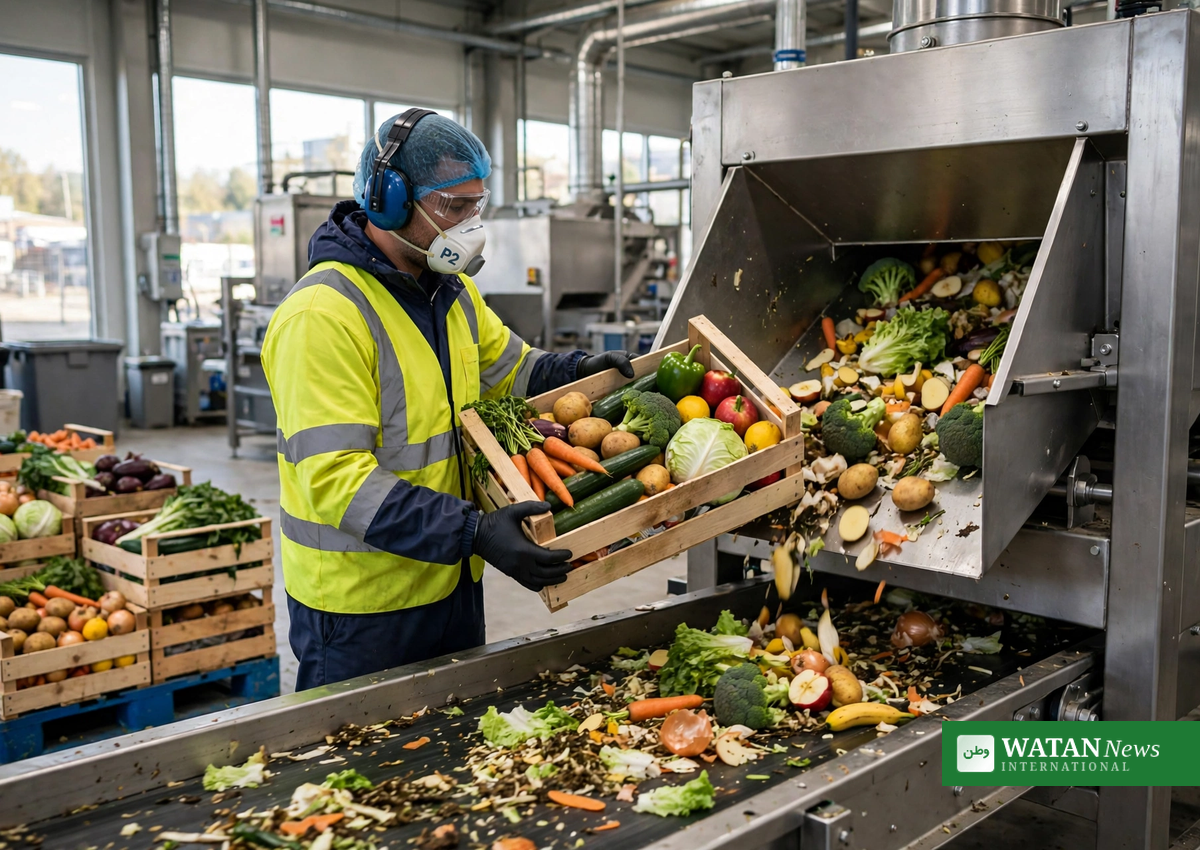
Russellville, Arkansas — Grocery stores that switched from separating unsold food by hand to machine depackaging increased the amount of food diverted from landfill to recycling by an average of 70 per cent, according to new figures from Denali, the United States’ largest recycler of food and organics.
The finding, published in Denali’s 2025 Sustainability Report and based on data from more than 3,300 US stores, shows how a practical technology change can keep large volumes of food waste out of landfill — where rotting organics release methane, a potent greenhouse gas.
Machines do what hands cannot
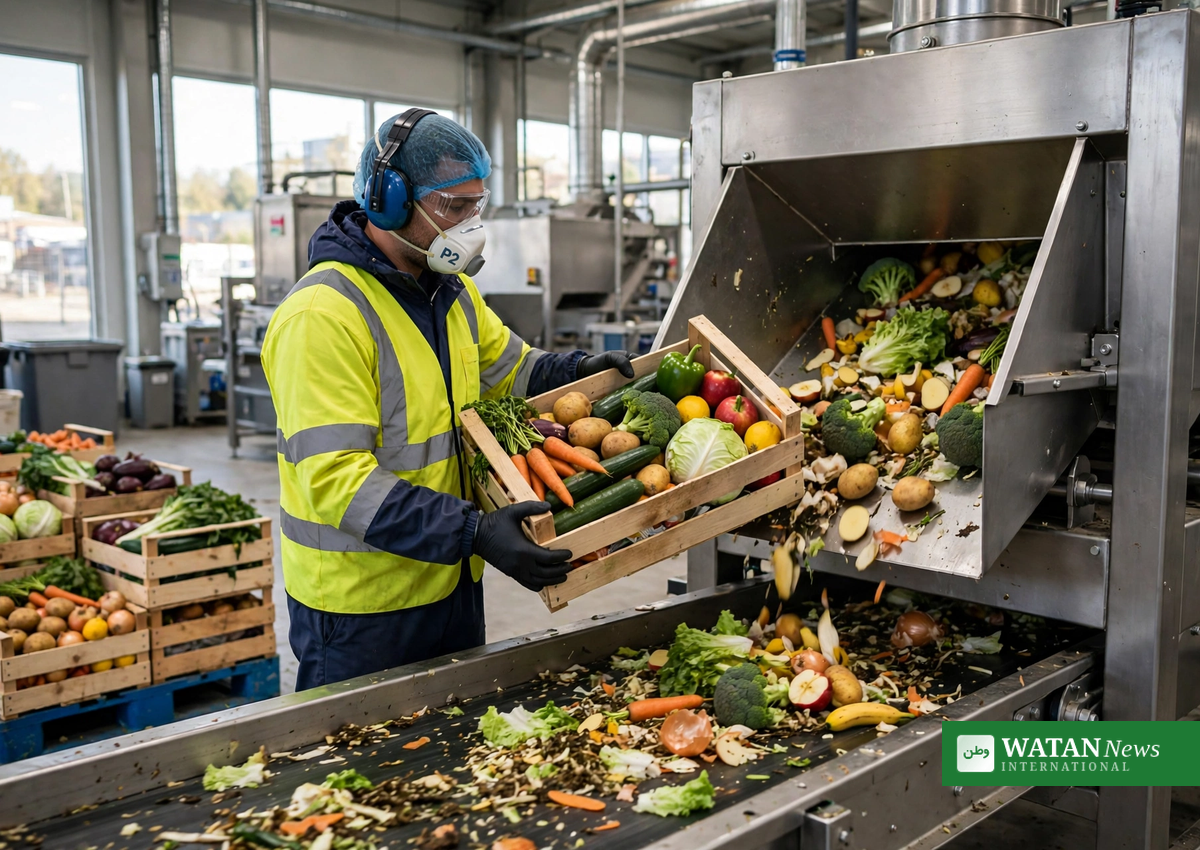
Denali’s depackaging programme mechanically separates unsellable food from its packaging, replacing manual food separation. According to the company, the switch reduces the need for manual labour and makes food diversion more practical at scale, because packaged food that cannot be sold — from grocery shelves, delis and distribution — can be processed quickly and consistently.
Food recycling complements food waste prevention and donation efforts, Denali notes. It creates renewable products from food that can no longer be consumed, rather than letting it go to landfill.
The scale of the operation
Across its operations, Denali managed 14.8 billion pounds of organic materials in 2025, including 1.35 billion pounds of uneaten food. The company pairs commercial food and organics collection with recycling services for grocers, restaurants, food manufacturers and processors, municipalities, convention centres and other food-related businesses.
Its work also covers nutrient recovery, resilient agriculture and biodiesel production, turning recovered organics into productive use.
“Businesses need a practical and cost-effective way to keep unused food out of landfills and know with confidence what happens after it’s collected,” said Denali CEO Todd Mathes. “Our nationwide direct service capabilities, owned recycling operations and diverse partner network maximize landfill diversion and deliver value to our customers.”
Why diverted food matters
When food ends up in landfill, it decomposes and releases methane, which is more than 80 times as powerful as carbon dioxide over 20 years. Diverting food to recycling avoids those emissions and returns the material to productive use — as compost, animal feed inputs, energy or other renewable products.
The result also points to a wider lesson for waste systems: measurement and technology matter. Denali says its data helps customers track their progress and improve inventory management, so less food becomes waste in the first place.
FAKTA
- Grocery stores switching to depackaging technology increased food diverted from landfill to recycling by an average of 70 per cent.
- The finding is based on data from more than 3,300 US stores.
- Denali managed 14.8 billion pounds of organic materials in 2025, including 1.35 billion pounds of uneaten food.
- Depackaging mechanically separates unsellable food from its packaging, replacing manual separation.
- Food recycling complements prevention and donation — it handles food that can no longer be consumed.
Frequently asked questions
What is depackaging?
Depackaging is a mechanical process that separates unsellable food from its packaging — for example, removing spoiled produce from plastic trays or cartons — so the food can be recycled instead of going to landfill with its packaging.
Why does food in landfill matter for the climate?
When organic waste rots in landfill, it releases methane, a greenhouse gas more than 80 times as powerful as carbon dioxide over 20 years. Keeping food out of landfill avoids those emissions.
How big is Denali?
Denali describes itself as the United States’ largest recycler of food and organics. In 2025 it managed 14.8 billion pounds of organic materials, including 1.35 billion pounds of uneaten food, serving grocers, restaurants, manufacturers, municipalities and others.
Does recycling replace food donation?
No. Denali stresses that food recycling complements prevention and donation. Donation comes first for edible food; recycling handles food that can no longer be consumed.
What are renewable products from food waste?
Recovered food and organics can be turned into compost, soil nutrients, animal feed inputs, biodiesel and other bio-based products — returning material to productive use instead of burying it.
Author

usmanch0013@gmail.com
Related Posts

Patrick Stewart, Star Trek’s Captain Picard, Dies at 86
- 0
- 611 words
Sir Patrick Stewart, Star Trek's Captain Jean-Luc Picard and the X-Men's Professor Charles Xavier, has died at 86 at his home in...
Read out all
Ny teknologi øger genanvendelsen af madaffald med 70 % i amerikanske butikker
- 0
- 702 words
Amerikanske købmandsbutikker, der skiftede til depakningsteknologi, øgede maden omdirigeret fra losseplads til genanvendelse med 70 % i gennemsnit, viser Denalis 2025-rapport.
Read out all
ڈی پیکنگ ٹیکنالوجی سے امریکی اسٹورز میں خوراک کی ری سائیکلنگ میں 70 فیصد اضافہ
امریکی گروسری اسٹورز میں ڈی پیکنگ ٹیکنالوجی اپنانے سے لینڈ فل سے ری سائیکلنگ کی طرف موڑی جانے والی خوراک میں اوسطاً...
Read out all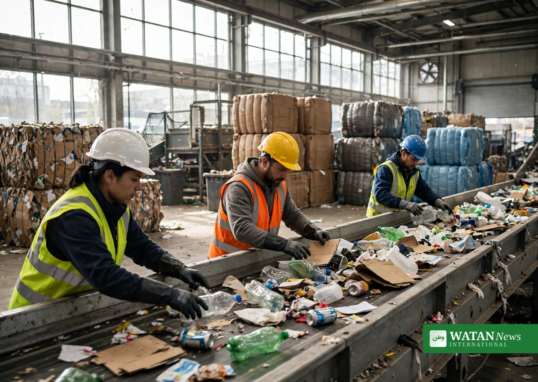
Nul affald rykker i centrum ved COP31: Formandskabet vil halvere affaldsvæksten
- 0
- 1,142 word
COP31 i Antalya sætter nul affald først blandt sine ti handlingsdagsorden-temaer med fokus på metan fra affald og en halvering af den...
Read out all
کاپ31 میں زیرو ویسٹ مرکزی ایجنڈا بن گیا، فضلے سے میتھین میں کمی کا ہدف
کاپ31 انطالیہ میں زیرو ویسٹ کو دس ایکشن ایجنڈا موضوعات میں پہلا مقام ملا، فضلے سے میتھین میں کمی اور 2035 تک...
Read out all
Zero Waste Takes Centre Stage at COP31 as Presidency Targets Methane
- 0
- 1,129 word
COP31 in Antalya puts zero waste first among its ten action-agenda themes, targeting methane from waste and halving projected waste growth by...
Read out all