- 0
- 1,129 word
Antalya, Türkiye — Zero waste has moved from the margins of global climate talks to the top of the agenda at COP31, the United Nations climate summit opening in Antalya on 9 November 2026. The Turkish Presidency has made zero waste the first of ten priority themes in its Action Agenda, and is asking governments to halve the projected growth in global waste by 2035.
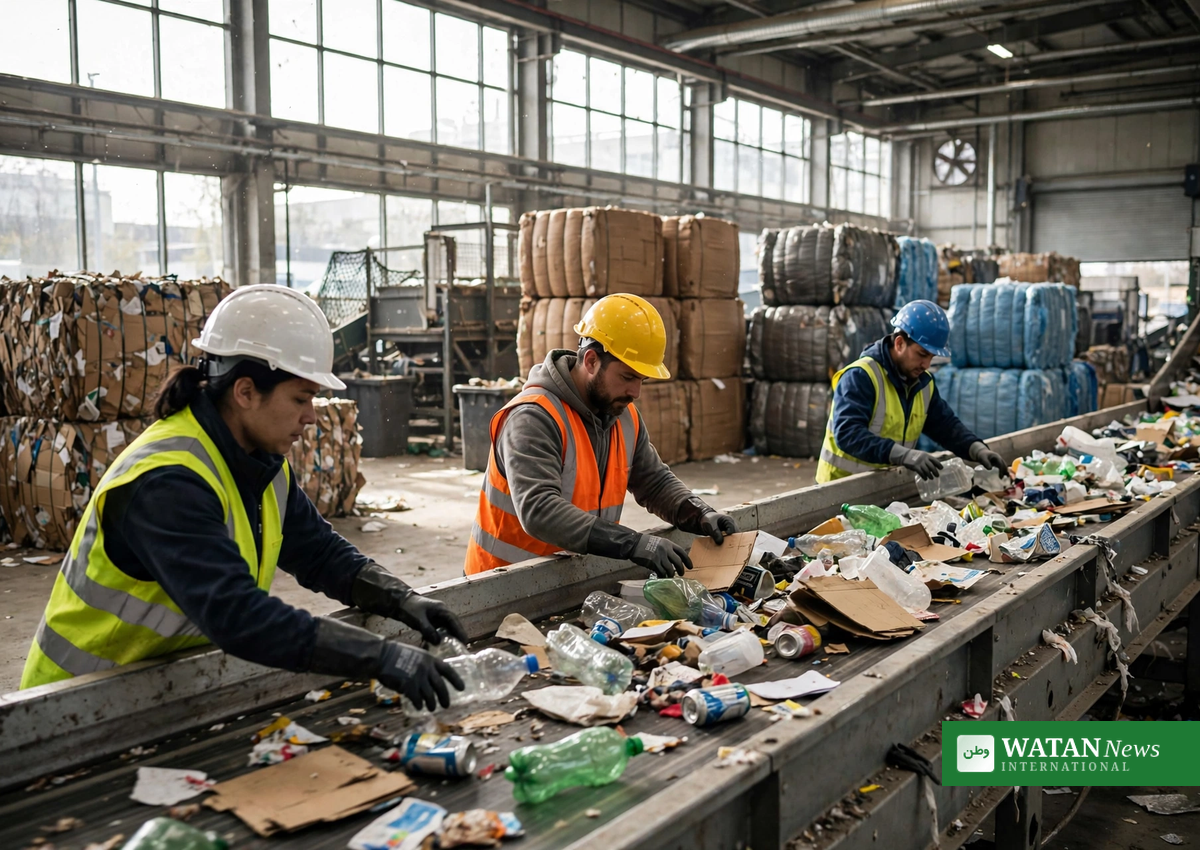
The shift matters because waste is a major climate problem hiding in plain sight. Rotting organic waste in landfills and open dumps releases methane, a greenhouse gas far more powerful than carbon dioxide in the short term — and the Presidency says cutting it is one of the quickest ways to slow warming.
Waste moves to the heart of the agenda
For years, the International Solid Waste Association (ISWA) has used the climate COPs to argue that waste and resource management is a climate mitigation lever. At COP31 in Antalya, that argument has reached the centre of the agenda. The Presidency’s Action Agenda covers methane from waste, circular economy policies such as extended producer responsibility (EPR) and eco-design, waste infrastructure and monitoring, and food loss and waste.
“We aim to bring zero waste and methane reduction to the centre of climate action,” the COP31 Presidency said when it announced its targets. The Presidency has also set wider 2035 targets: raising the global electrification rate to 35 per cent, reducing energy intensity in buildings by at least 25 per cent, and increasing the global circular material use rate to at least 15 per cent.
COP31 runs from 9 to 20 November 2026 in Antalya, with Türkiye holding the Presidency and Australia leading the negotiations. The Presidency has framed the summit as an implementation conference, focused on turning existing commitments into concrete results.
Why methane from waste matters
According to the COP31 Presidency, the waste sector is the third largest source of anthropogenic methane. The UN Secretary-General’s Call to Action on Methane names waste as one of three sectors, with nine actions to be taken by 2030. Waste accounts for roughly 20 per cent of anthropogenic methane, and three of the nine actions are addressed to it: phase out open dumping and uncontrolled landfills; capture methane from waste and wastewater; and build circular, low-methane urban waste systems.
Methane is more than 80 times as powerful as carbon dioxide over 20 years, but it is short-lived, so cuts made now slow warming quickly. At the same time, the problem is growing: the Presidency notes that global waste generation is projected to increase by 50 per cent by 2050.
What the Presidency is asking for
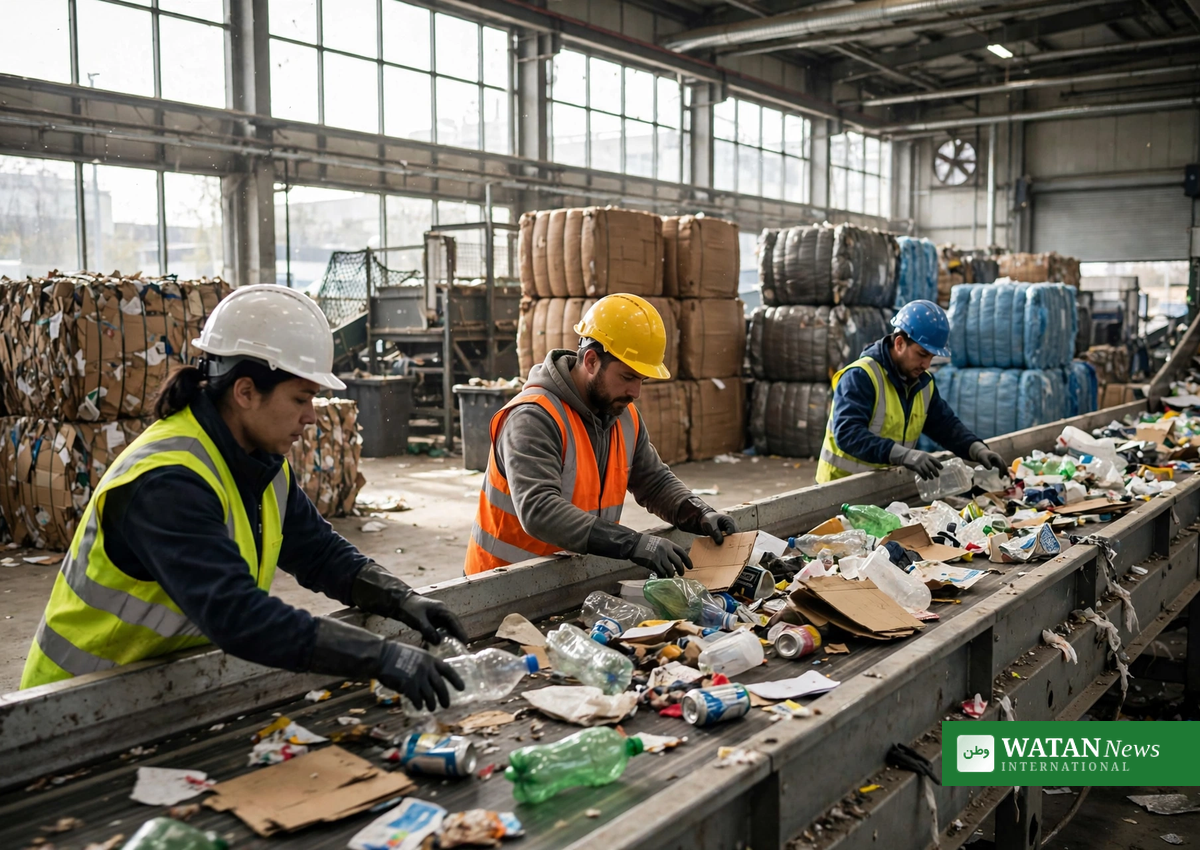
The Presidency’s zero waste theme has three core focus areas. First, preventing food waste across the entire value chain, from production to consumption. Second, scaling circular economy policies that turn waste into a resource, including rules and financial instruments that strengthen reuse, recycling and circular-by-design principles. Third, integrating waste-related methane reduction into updated Nationally Determined Contributions (NDCs), so countries embed waste-sector methane in their climate plans through measurable targets and implementation roadmaps.
Finance and measurement are part of the ask too: getting climate finance to waste projects, and linking site-level monitoring to national targets.
ISWA’s answer: the methane staircase
ISWA’s Declaration for COP31 builds on the call it made at the previous summit in Belém and keeps three priorities: circular and climate-resilient systems, organic waste and methane, and climate finance. Its central argument is about scale: under current inventory rules, the waste sector is credited mainly with its own methane and black carbon — a few per cent of global greenhouse gas emissions — while the benefits of prevention, reuse and recycling are recorded in other sectors such as materials industries and agriculture. Counted across the whole value chain, ISWA estimates, improved waste and resource management and circular economy strategies can mitigate 15–20 per cent of global emissions.
To turn that potential into action, ISWA proposes a methane mitigation staircase with three steps: avoid organic waste; divert and valorise what remains through separate collection and well-operated composting and anaerobic digestion; and minimise the impacts of final disposal through biological stabilisation, engineered landfills with high-performance gas capture, methane-oxidising covers, closure of legacy dumpsites, and — where its preconditions are met — waste incineration with energy recovery. There is no one-size-fits-all, ISWA stresses, but ending open dumping and open burning is the universal first step.
On finance, ISWA calls for blended finance and full use of Article 6 of the Paris Agreement, including waste-specific methodologies, robust measurement, reporting and verification, and technology transfer.
What to watch in Antalya
Discussions in Antalya will focus on translating the proposed waste target into national plans and NDCs, reducing landfill methane at scale, and getting climate finance to the projects that need it. ISWA, its members and partners will be present as part of the organisation’s Grow Value Not Waste campaign, which also links the waste agenda to the plastics pollution talks and the Basel, Rotterdam and Stockholm Conventions.
FAKTA
- COP31 takes place from 9 to 20 November 2026 in Antalya, Türkiye.
- Zero waste is the first of ten priority themes in the COP31 Presidency’s Action Agenda.
- The Presidency aims to halve the projected growth in global waste generation by 2035.
- The waste sector accounts for roughly 20 per cent of anthropogenic methane.
- ISWA estimates better waste and resource management could mitigate 15–20 per cent of global emissions across the value chain.
- Global waste generation is projected to increase by 50 per cent by 2050.
Frequently asked questions
What is COP31?
COP31 is the 31st session of the Conference of the Parties to the UN Framework Convention on Climate Change (UNFCCC). It takes place in Antalya, Türkiye, from 9 to 20 November 2026, with Türkiye holding the Presidency and Australia leading the negotiations.
Why does waste matter for the climate?
When organic waste rots in landfills and open dumps, it releases methane. Methane is more than 80 times as powerful as carbon dioxide over 20 years, so cutting waste methane is one of the fastest ways to slow near-term warming.
What does halving waste growth by 2035 mean?
The target is not to halve the amount of waste itself, but to halve the projected increase in global annual waste generation by 2035 — bending the growth curve down through prevention, reuse and recycling.
What is the methane staircase?
It is ISWA’s three-step approach to waste methane: avoid organic waste where possible, divert and treat what remains through separate collection, composting and anaerobic digestion, and minimise emissions from final disposal through gas capture, stabilisation and closing legacy dumpsites.
What should countries do at COP31?
According to the Presidency and ISWA, countries should put waste-related methane targets into their updated climate plans (NDCs), fund waste projects, and measure and report results so progress can be tracked.
Author

usmanch0013@gmail.com
Related Posts
Ny teknologi øger genanvendelsen af madaffald med 70 % i amerikanske butikker
- 0
- 702 words
Amerikanske købmandsbutikker, der skiftede til depakningsteknologi, øgede maden omdirigeret fra losseplads til genanvendelse med 70 % i gennemsnit, viser Denalis 2025-rapport.
Read out all
ڈی پیکنگ ٹیکنالوجی سے امریکی اسٹورز میں خوراک کی ری سائیکلنگ میں 70 فیصد اضافہ
امریکی گروسری اسٹورز میں ڈی پیکنگ ٹیکنالوجی اپنانے سے لینڈ فل سے ری سائیکلنگ کی طرف موڑی جانے والی خوراک میں اوسطاً...
Read out all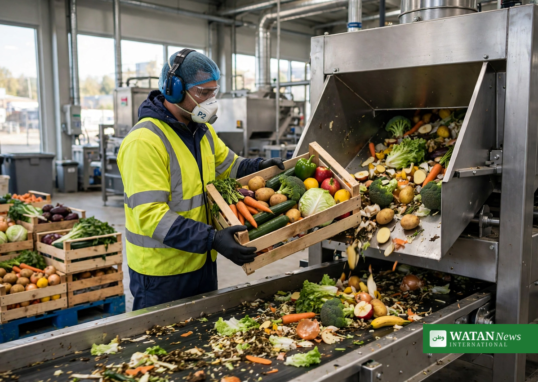
Depackaging Tech Lifts Food Diversion by 70% at US Grocery Stores
- 0
- 658 words
US grocery stores switching to depackaging tech raised food diverted from landfill to recycling by 70% on average, Denali's 2025 Sustainability Report...
Read out all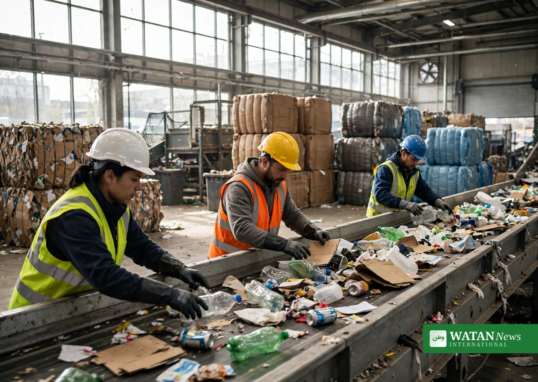
Nul affald rykker i centrum ved COP31: Formandskabet vil halvere affaldsvæksten
- 0
- 1,142 word
COP31 i Antalya sætter nul affald først blandt sine ti handlingsdagsorden-temaer med fokus på metan fra affald og en halvering af den...
Read out all
کاپ31 میں زیرو ویسٹ مرکزی ایجنڈا بن گیا، فضلے سے میتھین میں کمی کا ہدف
کاپ31 انطالیہ میں زیرو ویسٹ کو دس ایکشن ایجنڈا موضوعات میں پہلا مقام ملا، فضلے سے میتھین میں کمی اور 2035 تک...
Read out all
France Deploys 70,000 Police for Halloween Protests as Minister Warns of ‘Very High Risk’
- 0
- 551 words
France will deploy 70,000 security forces on Saturday, October 31, after Interior Minister Laurent Nunez warned of a 'very high risk' to...
Read out all