- 0
- 712 words
30 October 2026 — This is an awareness article, not a news report. It explains what a green ambassador actually does, what established ambassador programmes ask of their volunteers, and how anyone can start doing the same work in their own street, school or town — with no title, budget or expert knowledge required.
A green ambassador is an ordinary person who helps their community take practical climate action. According to the European Commission, which runs the European Climate Pact, ambassadors lead by inspiring, supporting and spreading meaningful climate action in their communities and networks. They organise activities, explain climate change to others and encourage neighbours to get involved.
What ambassadors actually do
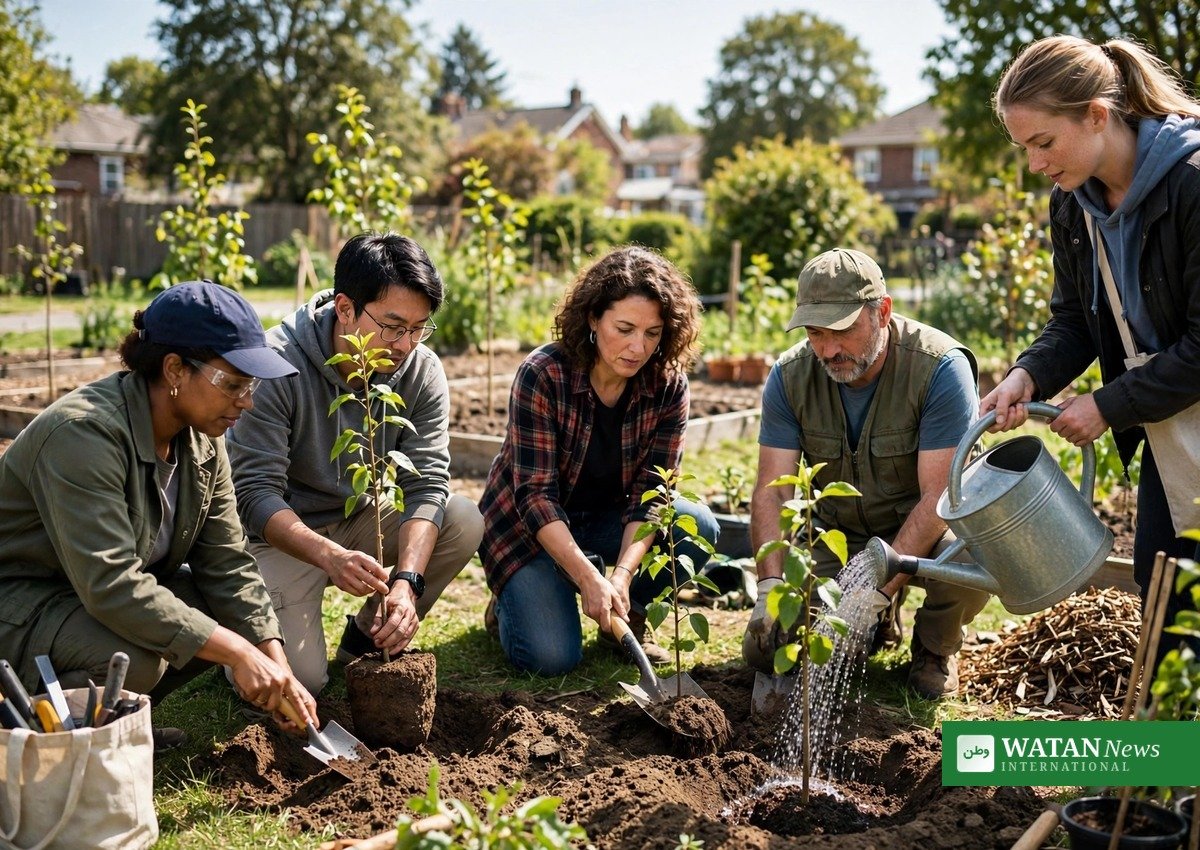
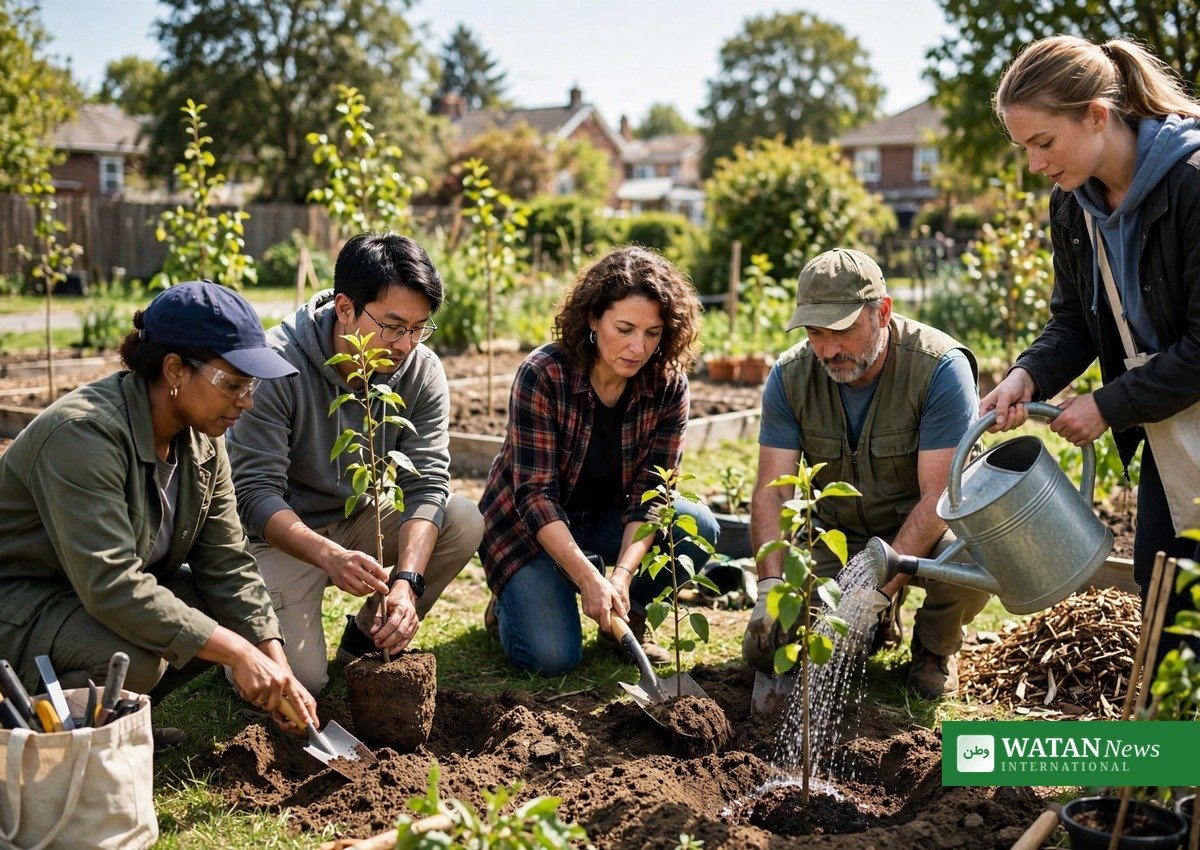
The work is practical and local. Ambassadors run tree-planting days, car-free initiatives, workshops, school visits and community discussions. They share ideas and solutions that have worked elsewhere, and they connect people who want to act with the tools and partners to do it.
Ambassador roles are voluntary. In the European Climate Pact, ambassadors are expected to carry out at least three climate-related activities during their first year, and they join a community of more than 1,000 ambassadors and dozens of partner organisations across Europe. In Ireland, the An Taisce Climate Ambassador programme asks participants to complete two climate actions and two communications in their first year, after training in climate literacy, solutions and leadership. According to the programme, more than 800 people have been trained since 2018.
Five steps to start where you live
1. Pick one visible problem
Start with something neighbours can see: litter on one street, a bare patch of land, food waste at a school, or energy waste in a community building. A single, visible win recruits more people than a grand plan.
2. Gather five people
Ambassador programmes work through small groups, not solo heroes. Five committed neighbours, classmates or colleagues are enough to run a planting day, a repair session or a waste audit.
3. Tell a local story
The DesirMED project, which works with Mediterranean communities on climate adaptation, invites 100 local ambassadors to share one local climate story each — in video, audio, photos or writing. A story about your own street travels further than abstract warnings.
4. Run one activity, then repeat it
Hold one activity, record what worked, and repeat it. Programmes measure ambassadors by activities completed, not by intentions announced. Consistency is what turns a volunteer into a trusted local voice.
5. Link up, don’t work alone
Join a network. The Green Earth Action Foundation supports ambassadors who design and lead a fully funded local environmental project, with mentorship from international experts; its network already spans 40 ambassadors in 24 countries. Local councils, schools and nature groups are usually the fastest partners to find.
Key facts
- A green ambassador is a volunteer who inspires and organises practical climate action in their own community.
- European Climate Pact: more than 1,000 ambassadors; at least three activities in the first year.
- An Taisce Climate Ambassador programme: training plus two actions and two communications in the first year; more than 800 trained since 2018.
- DesirMED: 100 Mediterranean ambassadors sharing one local climate story each.
- Green Earth Action Foundation: fully funded local projects, 40 ambassadors in 24 countries.
Read more ambassador stories on Watan News.
Frequently asked questions
Do I need to be a climate expert to become a green ambassador?
No. Ambassador programmes welcome community leaders, educators, students, entrepreneurs and ordinary residents. The European Commission states that applicants need to show they are ready to inspire and motivate others, not hold a climate qualification.
Is the role paid?
No. Ambassador roles in the programmes described here are voluntary. Some programmes fund a specific community project, but the ambassador role itself is unpaid.
How much time does it take?
Programmes typically ask for a few activities a year — for example three activities in a first year — plus the time to plan them. The work fits around jobs and study.
What kind of activities count?
Tree planting, car-free days, workshops, school visits, waste reduction drives, repair sessions and community discussions all count, as long as they are real, local and documented.
Where can I find an ambassador programme near me?
National environment agencies, universities and large climate networks run most programmes. The examples in this article — the European Climate Pact, An Taisce, DesirMED and the Green Earth Action Foundation — show the range of formats available.
Author

usmanch0013@gmail.com
Related Posts
Skotland hører om genbrugskodeks, der skal gøre genbrug i hjemmet lettere
- 0
- 708 words
Skotland har sendt et nyt kodeks for genbrug i hjemmet i høring for at gøre genbrug lettere og mere ensartet.
Read out all
سکاٹ لینڈ نے گھریلو ری سائیکلنگ آسان بنانے کے لیے نئے ضابطے پر مشاورت شروع کر دی
سکاٹ لینڈ میں گھریلو ری سائیکلنگ کے نئے ضابطہ عمل پر مشاورت شروع ہو گئی ہے۔
Read out all
Scotland Consults on Recycling Code to Make Household Recycling Easier and Cut Emissions
- 0
- 682 words
Scotland is consulting on a new Household Recycling Code of Practice to make household recycling easier and more consistent.
Read out all
Egypten godkender 1,8 GW vindkraft med gyldne licenser til to projekter ved Suezbugten
- 0
- 634 words
Egyptens regering har godkendt gyldne licenser til to vindkraftprojekter på hver 900 MW i Rødehavsprovinsen og Suezbugten.
Read out all
مصر نے خلیج سویز میں دو ونڈ منصوبوں کے لیے 1.8 گیگا واٹ کی منظوری دے دی
مصر کی کابینہ نے بحیرہ احمر اور خلیج سویز میں دو 900 میگا واٹ ونڈ منصوبوں کے لیے گولڈن لائسنس منظور کر...
Read out all
Egypt Clears 1.8 GW of Wind Power with Golden Licences for Two Gulf of Suez Projects
- 0
- 641 words
Egypt's Cabinet has approved golden licences for two 900 MW wind projects in the Red Sea Governorate and the Gulf of Suez,...
Read out all