- 0
- 682 words
Edinburgh, Scotland — People across Scotland are being invited to have their say on proposals to make household recycling easier and more consistent, as the Scottish Government consults on a new statutory Household Recycling Code of Practice.
The consultation, published on 29 October 2026 under powers in the Circular Economy (Scotland) Act 2024, seeks views on clear national standards for how councils collect and manage household waste and recycling. It closes on 21 January 2027, and the final code will be laid before the Scottish Parliament.
What the draft code proposes
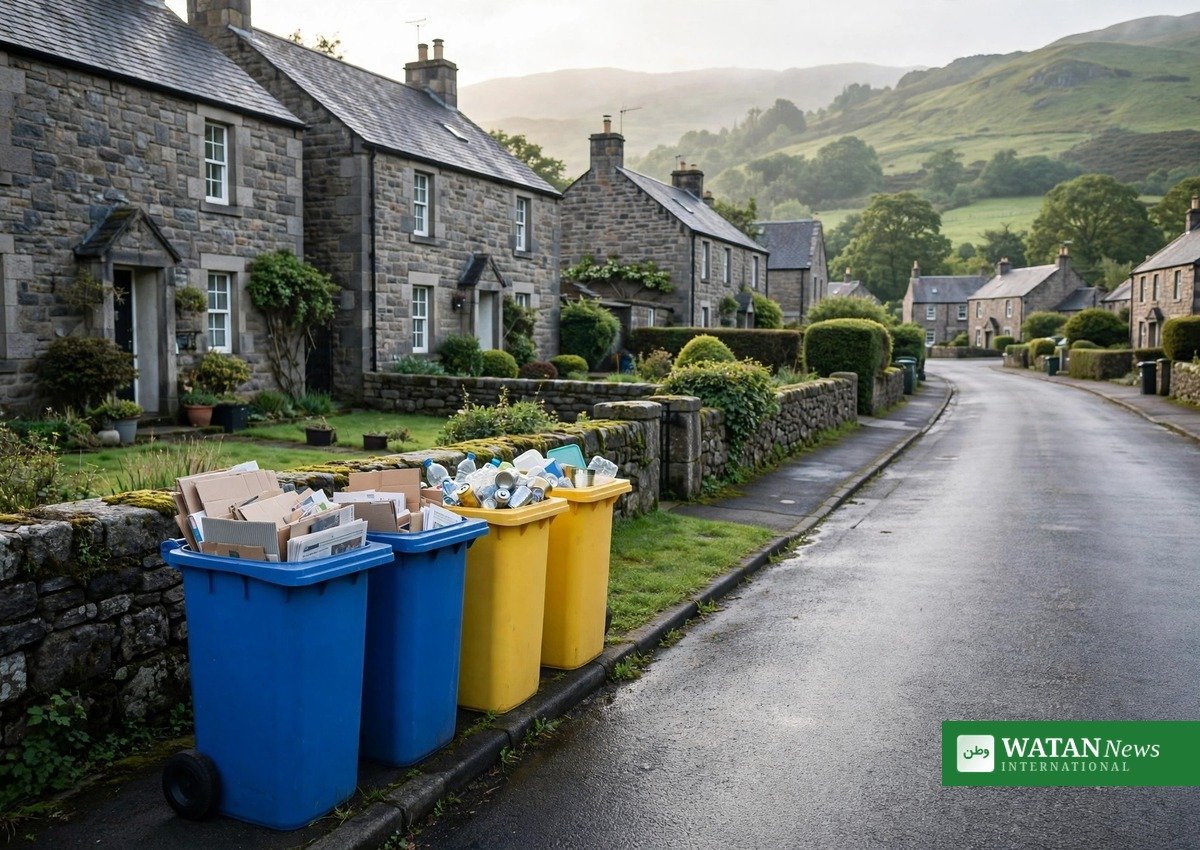
The draft code proposes a move towards more households having collections of paper and card separately from plastic, metal and cartons, to reduce contamination in recycling. It also proposes clear and consistent definitions of the materials accepted for kerbside collection, so the public knows what can be recycled.
Other proposals include limits on general waste capacity, to encourage greater use of recycling and food waste collections, and nationally recommended colours for recycling bins, to make it easier to understand how to recycle. The code also clarifies that flexible plastic and plastic films should be collected from households.
The consultation also seeks views on proposals developed with local authorities and stakeholders on how food and garden waste should be collected and how rural exemptions should apply.
Expected climate benefit
Modelling cited by the Scottish Government suggests the code could increase Scotland’s household recycling rate by approximately 2.5% and reduce carbon emissions by around 50,000 tonnes of carbon dioxide equivalent a year — equivalent, it says, to the annual emissions from more than 27,000 petrol cars.
Gillian Martin, Cabinet Secretary for Climate Action and Rural Affairs, said: “Recycling well shouldn’t depend on where you live. This code will help make sure it is easier for people right across Scotland, in both our cities and rural communities, to recycle more.”
She added that there was more to get right before the code is finalised, and encouraged councils, community groups and members of the public to take part in the consultation and help shape the final code.
A debate about bin collections
The proposals have also prompted public debate. Reporting on the consultation has noted concerns that limits on general waste capacity could in practice mean less frequent collections for some households, while the government has said it is not mandating how often waste should be collected. The consultation itself is the forum where such views are invited before the code is finalised.
The code was developed through extensive engagement with local authorities, waste management practitioners and environmental organisations, and delivers a key commitment of the Circular Economy (Scotland) Act.
Key Facts
- Consultation: Scottish Government consultation on a new Household Recycling Code of Practice, published 29 October 2026.
- Closes: 21 January 2027; the final code will be laid before the Scottish Parliament.
- Legal basis: powers in the Circular Economy (Scotland) Act 2024.
- Key proposals: separate paper and card collections; consistent definitions of accepted materials; limits on general waste capacity; nationally recommended bin colours; household collection of flexible plastic and films.
- Modelled impact: household recycling rate up by approximately 2.5%; emissions down by around 50,000 tonnes of CO2 equivalent a year.
- Also under consultation: food and garden waste collections and rural exemptions.
Related reading: Danone Joins Coca-Cola and Nestlé in Fixing ‘100% Recycled’ Bottle Labels After EU Probe.
Frequently asked questions
What is Scotland consulting on?
A new statutory Household Recycling Code of Practice, setting clear national standards for how councils collect and manage household waste and recycling.
What would change for households?
Proposals include paper and card collected separately from plastic, metal and cartons, consistent rules on what can be recycled, nationally recommended bin colours, and household collection of flexible plastic and films.
Why limit general waste capacity?
According to the draft code, limits on general waste capacity are intended to encourage greater use of recycling and food waste collections.
How much could recycling improve?
Government modelling suggests the code could raise Scotland’s household recycling rate by approximately 2.5% and cut emissions by around 50,000 tonnes of CO2 equivalent a year.
Until when can people respond?
The consultation closes on 21 January 2027, and the final code will be laid before the Scottish Parliament.
Author

usmanch0013@gmail.com
Related Posts

Spain’s Transport Minister Refuses to Resign After Deadly Urda Rail Crash
- 0
- 496 words
Spain's Transport Minister Óscar Puente has refused to resign after the Urda rail crash killed at least 69 people, saying his duty...
Read out all
Six Killed as Helicopter Crashes Near Joshimath in Uttarakhand
- 0
- 579 words
All six people on board a Trans Bharat Aviation helicopter died after it crashed into a hillside near Joshimath in Uttarakhand on...
Read out all
Rutte Urges NATO Allies to Turn Defence Spending into Faster Production
- 0
- 493 words
NATO Secretary General Mark Rutte has urged allies to turn higher defence spending into signed contracts and faster delivery of military capabilities,...
Read out all
Skotland hører om genbrugskodeks, der skal gøre genbrug i hjemmet lettere
- 0
- 708 words
Skotland har sendt et nyt kodeks for genbrug i hjemmet i høring for at gøre genbrug lettere og mere ensartet.
Read out all
سکاٹ لینڈ نے گھریلو ری سائیکلنگ آسان بنانے کے لیے نئے ضابطے پر مشاورت شروع کر دی
سکاٹ لینڈ میں گھریلو ری سائیکلنگ کے نئے ضابطہ عمل پر مشاورت شروع ہو گئی ہے۔
Read out all
Egypten godkender 1,8 GW vindkraft med gyldne licenser til to projekter ved Suezbugten
- 0
- 634 words
Egyptens regering har godkendt gyldne licenser til to vindkraftprojekter på hver 900 MW i Rødehavsprovinsen og Suezbugten.
Read out all