- 0
- 760 words
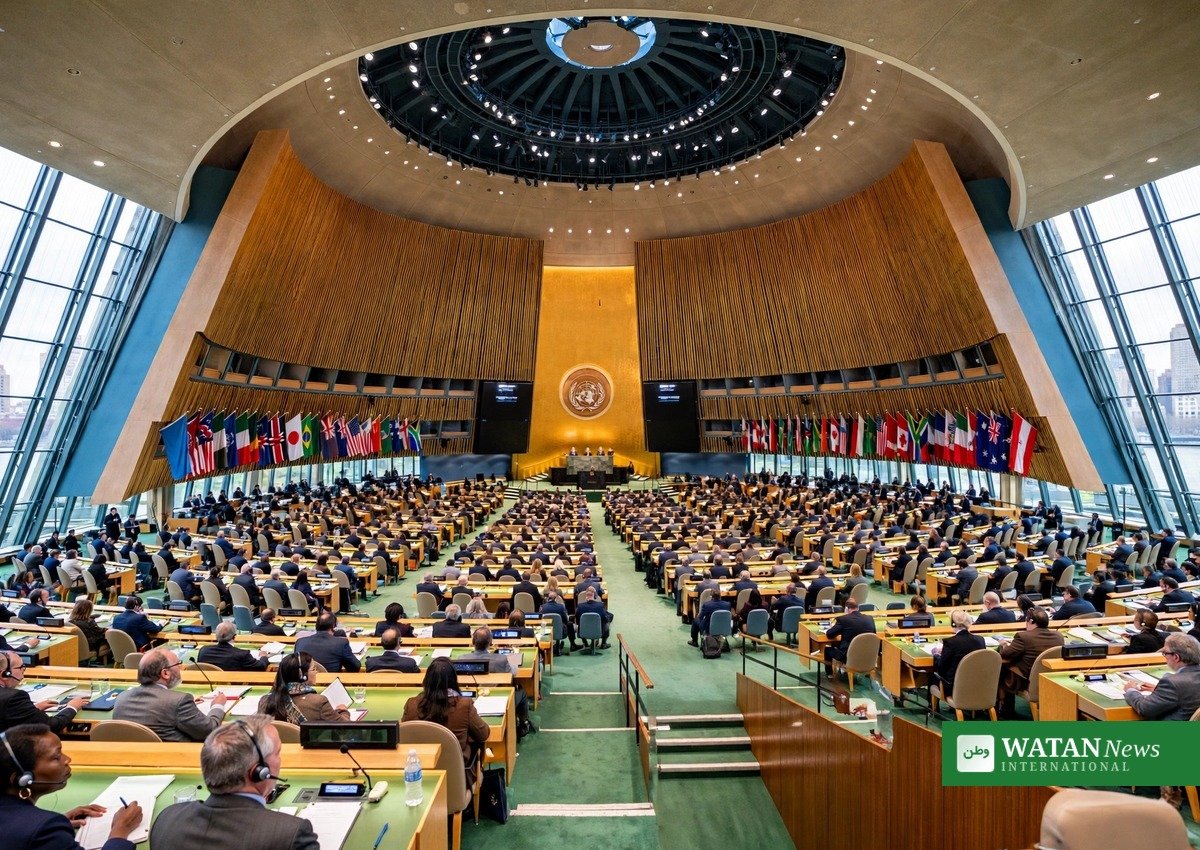
New York, 30 October 2026 — Carbon credit markets may not be aligned with countries’ international obligations on climate change and human rights, a new United Nations report warns, calling for an urgent reassessment of a tool used by the vast majority of countries.
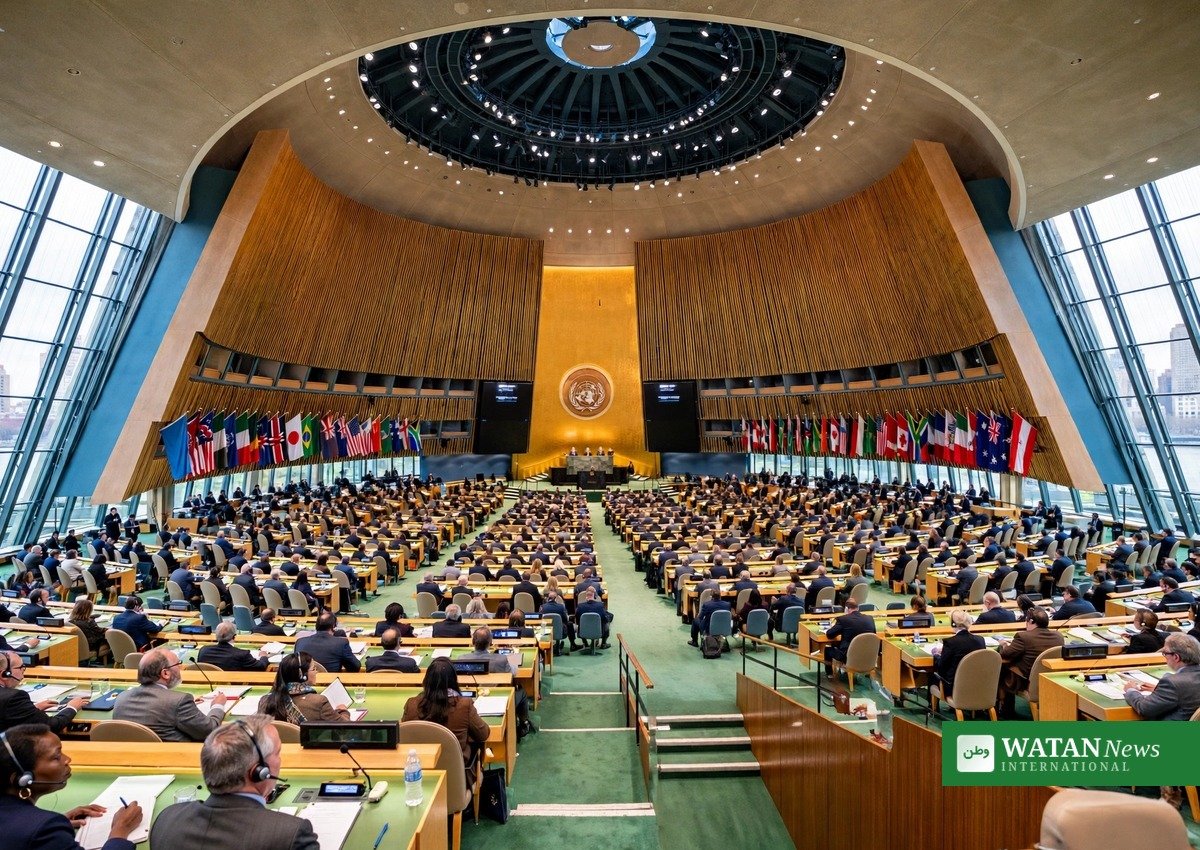
The report, “Rethinking carbon credits according to international climate and human rights obligations” (A/81/217), was written by Elisa Morgera, the UN Special Rapporteur on the promotion and protection of human rights in the context of climate change, for the 81st session of the UN General Assembly. The UN human rights office published its findings on 29 October 2026.
What the report found
According to the report, research, court decisions and the lived experiences of communities show that carbon credit mechanisms incentivise low-quality credits, over-crediting and greenwashing, resulting in delayed emissions reductions. Each carbon credit is meant to represent one tonne of carbon dioxide equivalent reduced or removed — but the report argues that the equivalence between different kinds of emissions is often flawed.
“As the vast majority of countries rely on carbon credits, we cannot ignore the evidence casting serious doubt about the effective contribution of international carbon credit markets to climate mitigation,” Morgera said.
“As far as carbon markets contribute to increased greenhouse gas emissions, they harm everyone’s human right to a healthy environment, including for children and future generations,” she added.
Harm described as systemic, not isolated
The report states that the widely documented negative impacts of carbon credit projects on the human rights of Indigenous Peoples, peasants and rural women are not isolated implementation failures, but systemic issues rooted in the design of the markets and the incentives they create.
It further warns that the economic actors benefiting most from international carbon credit markets are those with a vested interest in the continuation of a fossil fuel-based economy, including big technology companies. “Any form of international cooperation, including carbon credits, cannot assist or benefit climate-harming economic actors, particularly when these same actors engage in climate disinformation and obstruction,” Morgera said.
The report also cites concern about the unchecked growth of data centres and artificial intelligence, and the UN Secretary-General’s call for polluters to pay for climate harm rather than continue making large profits from it.
What happens next
Morgera calls for an urgent reassessment of carbon credits — internationally and domestically — in line with the International Court of Justice’s advisory opinion on states’ climate obligations. Technical reforms currently discussed under the Paris Agreement, she argues, may be insufficient to address the structural problems identified.
The warning lands just ahead of COP31 in Antalya in November 2026, where carbon market rules under Article 6 of the Paris Agreement remain part of the negotiation agenda. The report does not call for abandoning international cooperation on climate; it argues that cooperation must not benefit actors that harm the climate.
Key facts
- Report: “Rethinking carbon credits according to international climate and human rights obligations” (A/81/217), by UN Special Rapporteur Elisa Morgera.
- Published: UN human rights office press release, 29 October 2026, New York.
- Core finding: evidence casts serious doubt on carbon credit markets’ effective contribution to climate mitigation.
- Problems cited: low-quality credits, over-crediting, greenwashing, delayed emissions reductions.
- Groups affected: Indigenous Peoples, peasants and rural women — harm described as systemic.
- Recommendation: urgent international and domestic reassessment, in line with the International Court of Justice advisory opinion.
Read more climate action stories on Watan News.
Frequently asked questions
What is a carbon credit?
Under the system examined in the report, a carbon credit is a tradable unit meant to account for one tonne of carbon dioxide equivalent in emissions reduced or removed, certified by a crediting mechanism run by a government agency, international organisation or private entity.
Who wrote the report?
Elisa Morgera, the UN Special Rapporteur on the promotion and protection of human rights in the context of climate change, wrote it for the 81st session of the UN General Assembly.
Why does the report say the problems are systemic?
Because, according to the report, the negative impacts on Indigenous Peoples, peasants and rural women recur across projects and follow from how the markets are designed and incentivised — not from one-off implementation failures.
Does the report oppose all international climate cooperation?
No. It argues that international cooperation, including carbon credits, must not assist or benefit climate-harming economic actors, and calls for reassessment rather than an end to cooperation.
Why does this matter before COP31?
Carbon market rules under Article 6 of the Paris Agreement are part of the COP31 negotiation agenda in Antalya in November 2026, so the report’s call for reassessment feeds directly into those talks.
Author

usmanch0013@gmail.com
Related Posts

Skotland hører om genbrugskodeks, der skal gøre genbrug i hjemmet lettere
- 0
- 708 words
Skotland har sendt et nyt kodeks for genbrug i hjemmet i høring for at gøre genbrug lettere og mere ensartet.
Read out all
سکاٹ لینڈ نے گھریلو ری سائیکلنگ آسان بنانے کے لیے نئے ضابطے پر مشاورت شروع کر دی
سکاٹ لینڈ میں گھریلو ری سائیکلنگ کے نئے ضابطہ عمل پر مشاورت شروع ہو گئی ہے۔
Read out all
Scotland Consults on Recycling Code to Make Household Recycling Easier and Cut Emissions
- 0
- 682 words
Scotland is consulting on a new Household Recycling Code of Practice to make household recycling easier and more consistent.
Read out all
Egypten godkender 1,8 GW vindkraft med gyldne licenser til to projekter ved Suezbugten
- 0
- 634 words
Egyptens regering har godkendt gyldne licenser til to vindkraftprojekter på hver 900 MW i Rødehavsprovinsen og Suezbugten.
Read out all
مصر نے خلیج سویز میں دو ونڈ منصوبوں کے لیے 1.8 گیگا واٹ کی منظوری دے دی
مصر کی کابینہ نے بحیرہ احمر اور خلیج سویز میں دو 900 میگا واٹ ونڈ منصوبوں کے لیے گولڈن لائسنس منظور کر...
Read out all
Egypt Clears 1.8 GW of Wind Power with Golden Licences for Two Gulf of Suez Projects
- 0
- 641 words
Egypt's Cabinet has approved golden licences for two 900 MW wind projects in the Red Sea Governorate and the Gulf of Suez,...
Read out all