- 0
- 812 words
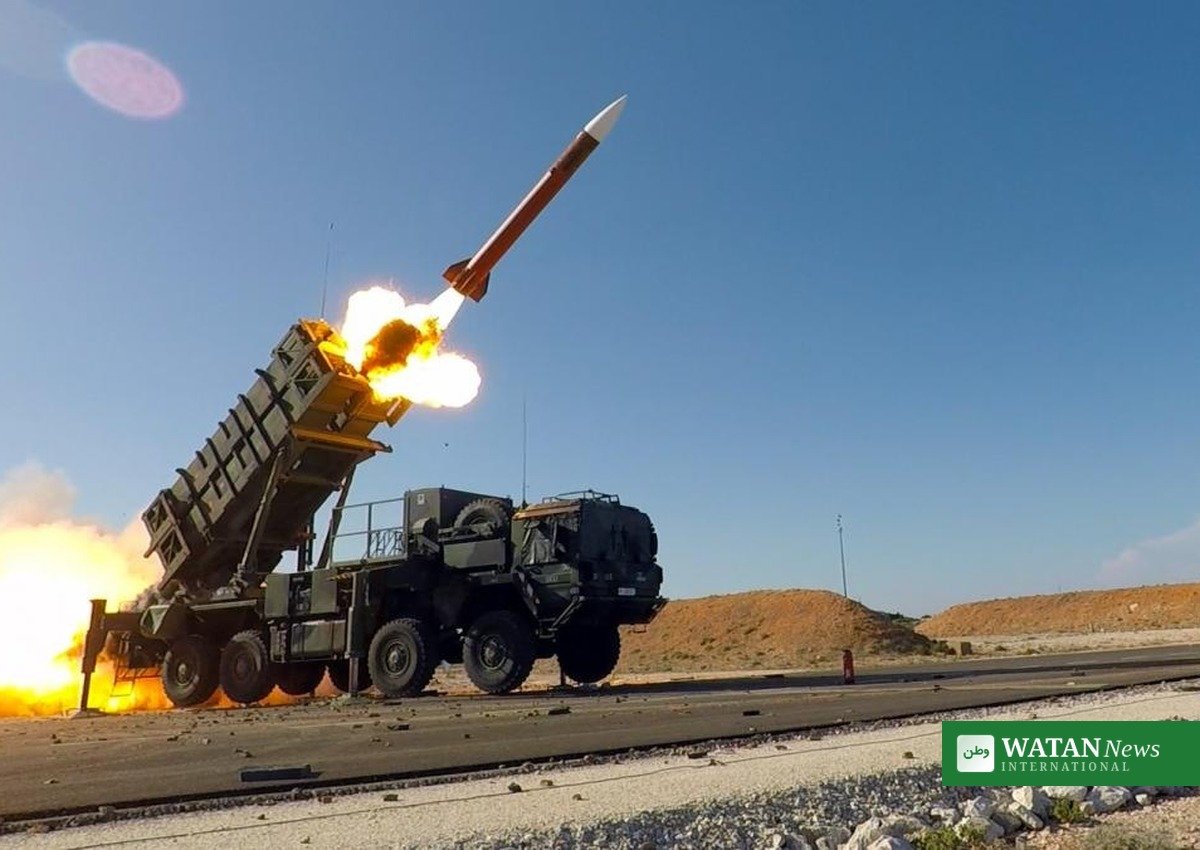
The United States has approved the potential sale of 500 Patriot air defence interceptor missiles to Ukraine for an estimated $2.1 billion, the US State Department said on Friday, in what Reuters described as one of the most significant steps to supply defensive weapons to Kyiv since the start of the second Trump administration. The Patriot missile sale to Ukraine covers the PAC-3 MSE variant, the most advanced version of the Patriot currently in service and one of the few weapons capable of shooting down incoming ballistic missiles.
FAKTA
- The US State Department approved the potential sale of 500 Patriot PAC-3 MSE interceptor missiles to Ukraine on Friday, 30 October 2026.
- The estimated cost is $2.1 billion, with Lockheed Martin named as the principal contractor.
- Ukraine will pay with contributions from Canada, Germany and Norway routed through the US JUMPSTART programme, plus national funds financed by the European Union’s Ukraine Support Loan. No US funds are involved, the State Department said.
- No delivery date was given in the approval, and people briefed on the decision told Reuters the missiles have yet to be manufactured and are not expected to be delivered until a couple of years into the 2030s.
- President Volodymyr Zelenskyy welcomed the approval but urged that the interceptors be delivered soon, not years in the future, asking for a winter support package of 100 interceptors per month.
What the Patriot missile sale covers
The deal is for 500 PAC-3 MSE (Missile Segment Enhancement) interceptors, the version of the Patriot system designed to intercept ballistic missiles. Kyiv uses the defensive weapons to blunt Russia’s continuous ballistic missile strikes on its territory, and CNN previously reported that Ukraine’s supply of the interceptors ran dry earlier this month.
Reuters reported that Zelenskyy had said earlier this week that Ukraine had been waiting for almost a month for the US to sign off on critical missile supplies, as Russia stepped up attacks on energy and civilian infrastructure. The Ukrainian leader has repeatedly called on the US to speed up deliveries ahead of winter.
How the Patriot missile sale is funded
Notably, the purchase is not subsidised or financed by the US, according to the State Department release. Instead, Ukraine is covering the estimated $2.1 billion cost with funds from Canada, Germany and Norway, in addition to a loan from the European Union.
Reuters reported that the Canadian, German and Norwegian contributions are routed through a programme called US JUMPSTART, which uses donations from allies to buy weapons, services and training for Ukraine, along with national funds financed by the European Union’s Ukraine Support Loan. The State Department said it was “not aware” of any arrangement under which components of the missiles would be produced in Ukraine as part of an offset agreement, but noted that the matter could be negotiated directly between Kyiv and Lockheed Martin.
Zelenskyy urges faster delivery of Patriot missiles
Zelenskyy praised the authorisation of the potential sale in a social media post on Friday, but stressed that the interceptors must be delivered soon, not years in the future, in order to protect against ongoing Russian attacks.
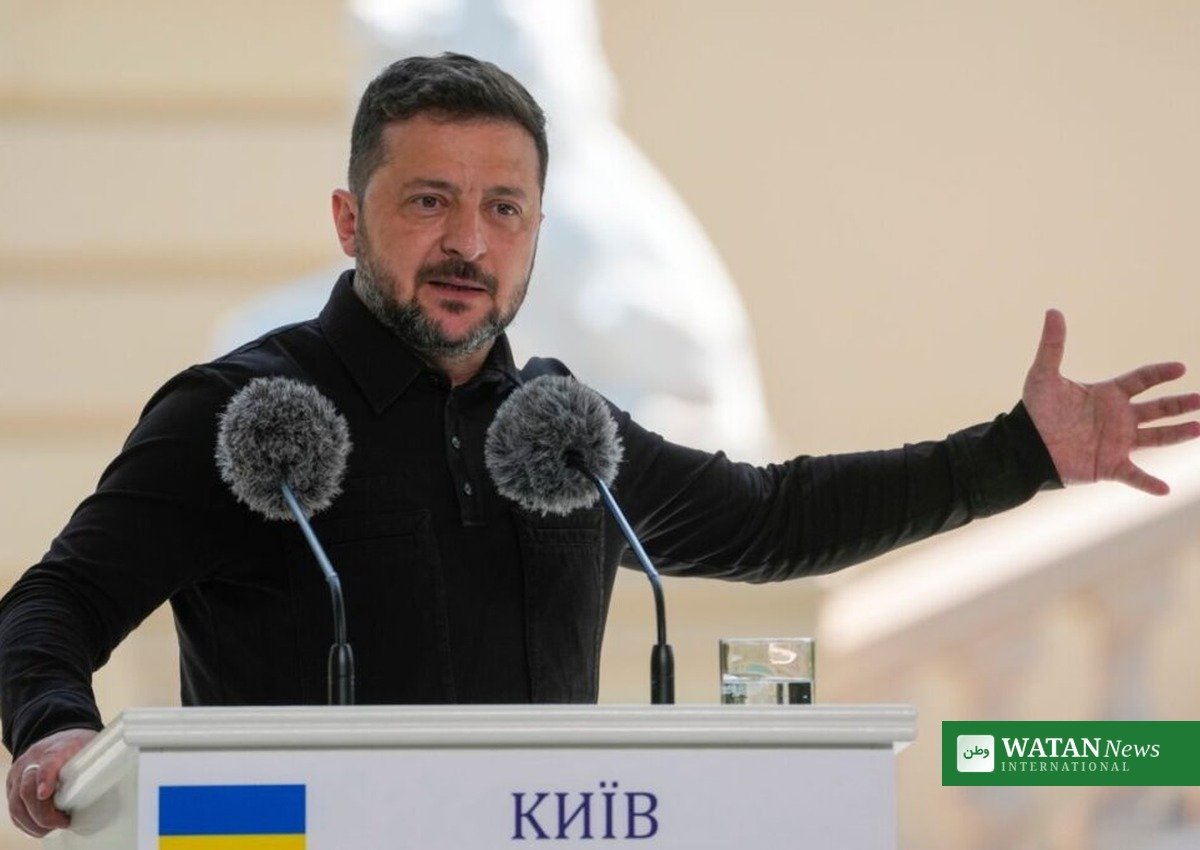
Ukrainian President Volodymyr Zelenskyy speaking in Kyiv. Zelenskyy has asked Washington to deliver the approved Patriot interceptors this winter rather than in a few years. (File photo)
“It has been stipulated that deliveries may begin ONLY IN A FEW YEARS. We are asking our American partners to find a solution for the time when there is a real danger and a real need to use PAC-3 interceptors,” he wrote on X.
“We did ask our American partners to provide Ukraine with a winter support package – at a rate of 100 Patriot interceptors per month,” Zelenskyy said. “Five hundred missiles would be enough to protect our skies over the coming months – precisely when it is so important for Ukraine to be in a strong position in negotiations.”
He added that the US and its partners “have sufficient stocks of PAC-3 interceptors in their warehouses” and argued that providing them to Ukraine now, in the winter of 2026–2027, and replenishing partners’ arsenals later through production already contracted and paid for, would be the right approach.
Why Kyiv says timing matters
The timing question is central to the deal. The Friday release did not specify when the interceptors would be delivered, and CNN has asked the State Department about the expected delivery timeline. In a social media video earlier on Friday, Zelenskyy mentioned the Patriot shortage and said Russia had attacked with 17 ballistic missiles overnight, including some that hit oil refining infrastructure in central Ukraine.
For now, the approval stands as a major commitment of allied-funded air defence for Ukraine, with the delivery schedule – and whether any interceptors can be drawn from existing stocks for this winter – still to be resolved. More coverage of the war and its wider consequences can be found on Watan News International’s World news page.
Sources: Reuters, CNN.
Author

usmanch0013@gmail.com
Related Posts

Saudi Coalition Says It Downed Houthi Drones Over Medina and Eastern Region as Aden Palace Hit
- 0
- 715 words
The Saudi-led coalition said it downed a drone over the oil-rich Eastern Region early on Saturday after reporting a Houthi drone over...
Read out all
BASF Kids’ Lab Brings Hands-On Climate Lessons to 1,150 Hyderabad Schoolchildren
- 0
- 716 words
1,150 Hyderabad schoolchildren aged 8 to 12 are learning climate action hands-on at the BASF Kids' Lab, held 26-31 October 2026 with...
Read out all
East Africa’s Children Hand Leaders a Climate Declaration in Kampala — and Plant 5,000 Trees
- 0
- 1,629 word
Children from Uganda, Kenya and Tanzania handed the Kampala Children's EAC Declaration on Climate to the East African Community at Uganda's Parliament...
Read out all
More Than 160,000 Expected as Gen Z Protests Reach Germany on Halloween
- 0
- 953 words
More than 160,000 people are expected to join youth-led demonstrations in 34 German cities on Saturday, as the Gen Z protest wave...
Read out all
Thailand Wins Big at Green Destinations Conference 2026: Three Awards and 16 Top 100 Stories
- 0
- 834 words
Thailand earned three Green Destinations Awards and 16 places in the Top 100 Stories 2026 at the Green Destinations Global Conference in...
Read out all
New York Awards $45 Million in Forest Grants to Grow 25 Million Trees
- 0
- 1,031 word
New York State awards $45 million to 44 projects for nurseries, seeds and forest businesses behind its goal of planting 25 million...
Read out all