- 0
- 1,031 word
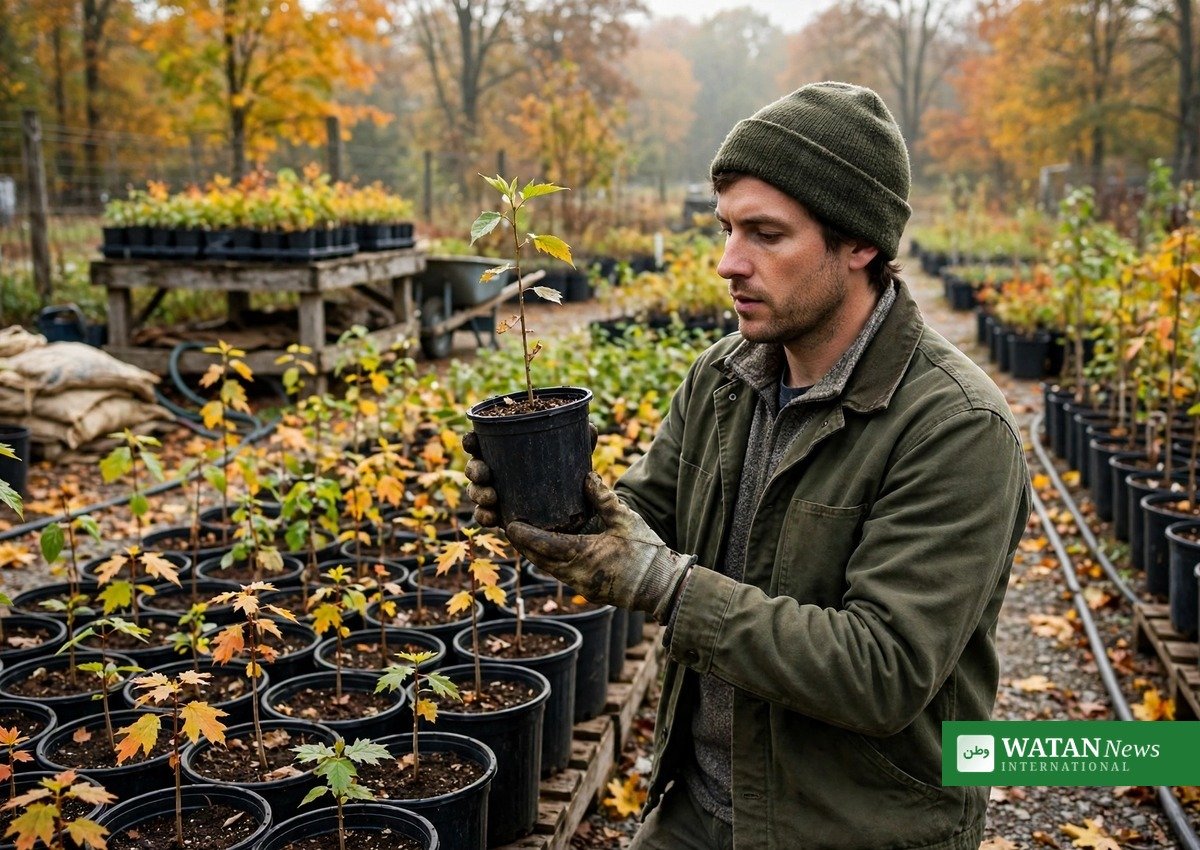
New York State has awarded $45 million in grants to 44 projects that will strengthen the nurseries, seed supply and forest businesses behind its goal of planting 25 million trees. The announcement, made by the State Department of Environmental Conservation (DEC) on 29 October 2026, targets a part of reforestation that rarely makes headlines: the supply chain that must produce the trees before any planting can happen.
Through the Advancing Forest Markets grant initiative, the funding will help businesses expand tree seedling and forest product capacity, production and markets, increase access to affordable native trees, and grow the State’s forest products economy. The projects span all ten regions of the State, from New York City nurseries to Adirondack timber operations.
What the New York forest grants will fund
According to the DEC, completed projects will give the reforestation supply chain an unprecedented level of support over the next year. The headline commitments include:
- Harvesting more than 5 million native tree seeds through expanded seed collection;
- Growing more than 1 million locally adapted tree seedlings to increase regional availability;
- Distributing nearly 500,000 tree seeds and 310,000 tree seedlings for use in reforestation projects;
- Building partnerships between more than 250 seed collectors, nurseries and forestry practitioners to cut seedling waste and improve survival;
- Creating more than 56 full-time green jobs and more than 30 paid internships and apprenticeships in the reforestation sector;
- Training more than 400 students, landowners and professionals in the phases of reforestation.
The programme also standardises seed collection protocols to prevent overharvesting and increase seed viability, with special consideration for native species that are culturally significant to the Saint Regis Mohawk Tribe. New technology and tools will improve inventory and tracking of tree seeds and seedlings.
Where the money goes
The largest single award, $7,678,661, goes to B&B RE LLC in Oneida County to expand pallet wood production and the processing of low-grade wood. Lyme Adirondack Forest Company LLC in Warren County receives $5,080,250 to increase lumber production and timber harvesting capacity, while Landscaping by Country Garden Inc. in Suffolk County receives $3,828,450 to expand production and affordability of New York-grown native trees, including a 75% tree discount programme for consumers.
Nursery and seed projects feature across the list. The Ausable Freshwater Center in Essex County receives $2,000,036 to expand seedling production and seed procurement. New York City Parks receives $1,605,304 for native tree seed and nursery capacity at its Plant Ecology Center and Nursery. Syracuse University receives $692,668 for seed collection and seedling production of locally and culturally relevant species, working with the Center for Native Peoples and the Environment. The Saint Regis Mohawk Tribe Native Plant Nursery receives $382,737 to expand production of locally and culturally relevant native seedlings for restoration in Akwesasne.
Why nurseries matter for climate
Planting targets are easy to announce and hard to deliver without seedlings. A state that wants 25 million trees by 2033 must first have the seeds, the nursery beds, the trained workers and the markets that keep forestry businesses alive between planting seasons. The DEC announcement frames the grants in exactly those terms: forest resilience and climate mitigation through sustainable forest management and reforestation.
DEC Commissioner Amanda Lefton said the funding would strengthen markets for low-grade and locally sourced wood, expand processing capacity, and improve the competitiveness of forest product businesses. “By helping businesses put more of the wood harvested in our forests to productive use, these investments will create jobs, support rural economies, and keep working forests economically viable,” she said.
The forest product side of the programme is expected to create 24 further green jobs, process an additional 1,000 truckloads of low-grade timber, salvage more than 24 truckloads of wood from street tree removals and building reclamations that would otherwise go to landfill, create more than 50 new sustainable forest management plans, and support forest inventory and planning on more than 80,000 additional acres of private forestland.
The Empire State Forest Products Association said the State’s forest products industry contributes $15.1 billion in economic output through the manufacturing sector. The Nature Conservancy’s New York director of natural climate solutions, Dr Michelle Brown, said the awards would strengthen the nursery and seedling supply chain and build the capacity needed to produce the trees that support reforestation projects and healthy forests.
For readers of Watan News, the lesson travels well beyond New York: a tree-planting promise is only as strong as the nurseries behind it. Seeds collected, seedlings grown and workers trained are the unglamorous numbers that decide whether a headline target becomes a forest. Read more climate news on Watan News.
FAKTA
- Funding: $45 million to 44 projects across New York State.
- Announced: 29 October 2026 by the New York State Department of Environmental Conservation.
- Programme: Advancing Forest Markets grant initiative.
- Tree goal: 25 million trees planted in New York State by 2033.
- Supply chain targets: More than 5 million native seeds collected and more than 1 million seedlings grown.
- Jobs and training: More than 56 full-time green jobs, more than 30 paid internships, and training for more than 400 people in the reforestation sector.
Source: New York State Department of Environmental Conservation announcement, 29 October 2026, as reported by EIN Presswire, WNBF and Sun Community News.
Frequently asked questions
What is the 25 Million Trees Initiative?
It is New York State’s goal, launched by Governor Kathy Hochul, of planting 25 million trees by 2033. The State says its forests matter for climate mitigation, combating extreme heat and making communities more resilient.
What are the Advancing Forest Markets grants?
They are DEC grants that support the businesses behind reforestation: seed collectors, nurseries, forest managers and forest product companies. The first round, announced in October 2026, awarded $45 million to 44 projects.
Why fund nurseries instead of just planting trees?
Because planting at scale needs a supply chain. Without enough locally adapted seeds and seedlings, trained workers and viable markets, planting programmes stall. The grants fund that chain so planting projects have trees to plant.
How many seeds and seedlings will the projects produce?
According to the DEC, completed projects will harvest more than 5 million native tree seeds, grow more than 1 million locally adapted seedlings, and distribute nearly 500,000 seeds and 310,000 seedlings for reforestation projects.
Do the grants only help the timber industry?
No. The programme covers both reforestation and forest products: nurseries, seed collection, workforce training and management plans sit alongside timber processing, salvage of street trees and support for family forest landowners.
Author

usmanch0013@gmail.com
Related Posts
New York bevilger 45 millioner dollar i skovtilskud til 25 millioner træer
- 0
- 1,076 word
Delstaten New York bevilger 45 millioner dollar til 44 projekter for planteskoler, frø og skovvirksomheder bag målet om at plante 25 millioner...
Read out all
نیو یارک نے 25 ملین درختوں کے لیے 45 ملین ڈالر کی جنگلاتی گرانٹس کا اعلان کر دیا
نیو یارک ریاست نے 2033 تک 25 ملین درخت لگانے کے ہدف کے پیچھے نرسریوں، بیجوں اور جنگلاتی کاروبار کے لیے 44...
Read out all
Brazil Summons Argentina’s Top Diplomat Over Flávio Bolsonaro’s Flight to the US
- 0
- 918 words
Brazil called in Argentina's top diplomat in Brasília to explain Argentina's role in Flávio Bolsonaro's flight to the US after his election...
Read out all
Ayala Land og Crown Pipes lancerer PVC-tilbagetagning mod byggeaffald
- 0
- 718 words
Den filippinske udvikler Ayala Land og Crown Asia Chemicals har underskrevet en toårig aftale om at genbruge byggeriets PVC-affald gennem et tilbagetagningsprogram...
Read out all
ایالا لینڈ اور کراؤن پائپس کا پی وی سی واپسی پروگرام، تعمیراتی فضلہ کم ہوگا
فلپائن کی ایالا لینڈ اور کراؤن ایشیا کیمیکلز نے پائپوں کی کترنوں کی واپسی کے پروگرام کے ذریعے تعمیراتی پی وی سی...
Read out all
Ayala Land and Crown Pipes Launch PVC Take-Back to Cut Construction Waste
- 0
- 717 words
Philippine developer Ayala Land and Crown Asia Chemicals have signed a two-year deal to recycle construction PVC waste through a take-back program...
Read out all