- 0
- 664 words
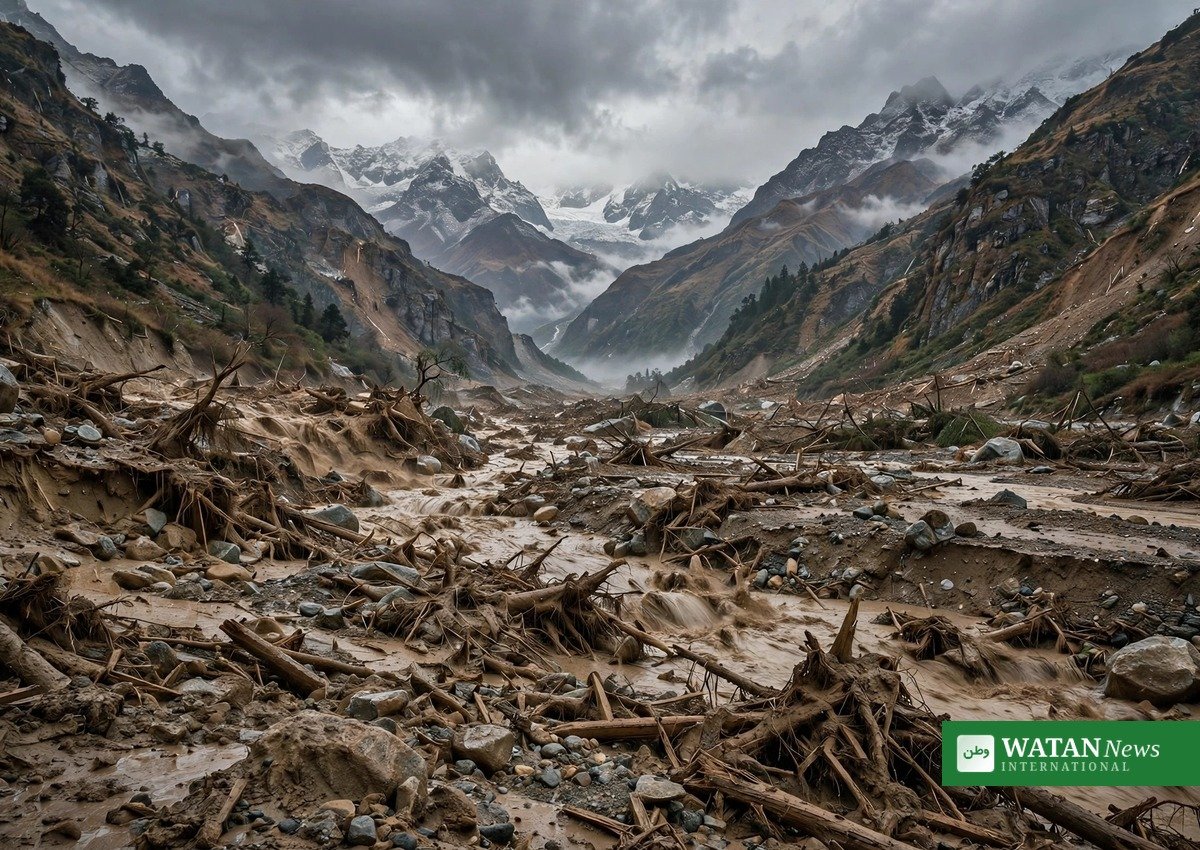
Nepal is facing one of the most daunting rebuilding tasks in its history after the Nepal floods 2026 devastated communities along the Nepal–Tibet border. The flash floods and debris flows of 26 August 2026 killed more than 1,400 people, left thousands missing, and caused financial losses estimated at about NPR 387.5 billion — roughly US$2.64 billion — leaving the country seeking billions in funding to rebuild.
FAKTA
- When: Morning of 26 August 2026; casualties and damage figures below are dated to early–mid September 2026
- What: Flash floods and debris flows from the Nepal–Tibet border down the Trishuli River corridor
- Death toll: At least 1,410 dead in Nepal as of 17 September 2026 (NDRRMA); at least 1,453 deaths and 5,285 missing in Nepal, plus 43 deaths and 519 missing in the Tibet Autonomous Region of China
- Damage: About NPR 387.5 billion in financial losses; around 20,000 homes requiring reconstruction
- Trigger: A large rock-ice avalanche from the Lirung massif, which became a long-runout debris flow; tremors were detected by seismometers worldwide
Nepal Floods 2026: One of the Deadliest Disasters in the Country’s History
On the morning of 26 August 2026, a series of flash floods and debris flows destroyed the Gyirong Port on the China–Nepal border and struck dozens of settlements along a roughly 72-kilometre stretch of the Trishuli River in Nepal. The flood carried the bodies of some victims 240 kilometres away into neighbouring India. Affected districts included Rasuwa, Nuwakot, Dhading, Gorkha and Tanahun.
The precipitating event was initially reported as a glacier collapse in the Langtang region of the Himalayas. According to experts at the National Society for Earthquake Technology–Nepal (NSET), the University of Reading and Newcastle University, the flood was triggered by a large rock-ice avalanche originating from the Lirung massif, involving glacier ice and rock, which transformed into a highly mobile, long-runout debris flow. The chain reaction produced tremors detected by seismometers worldwide, with magnitudes reaching Ms 5.2.
Rescue Efforts and a Government Probe
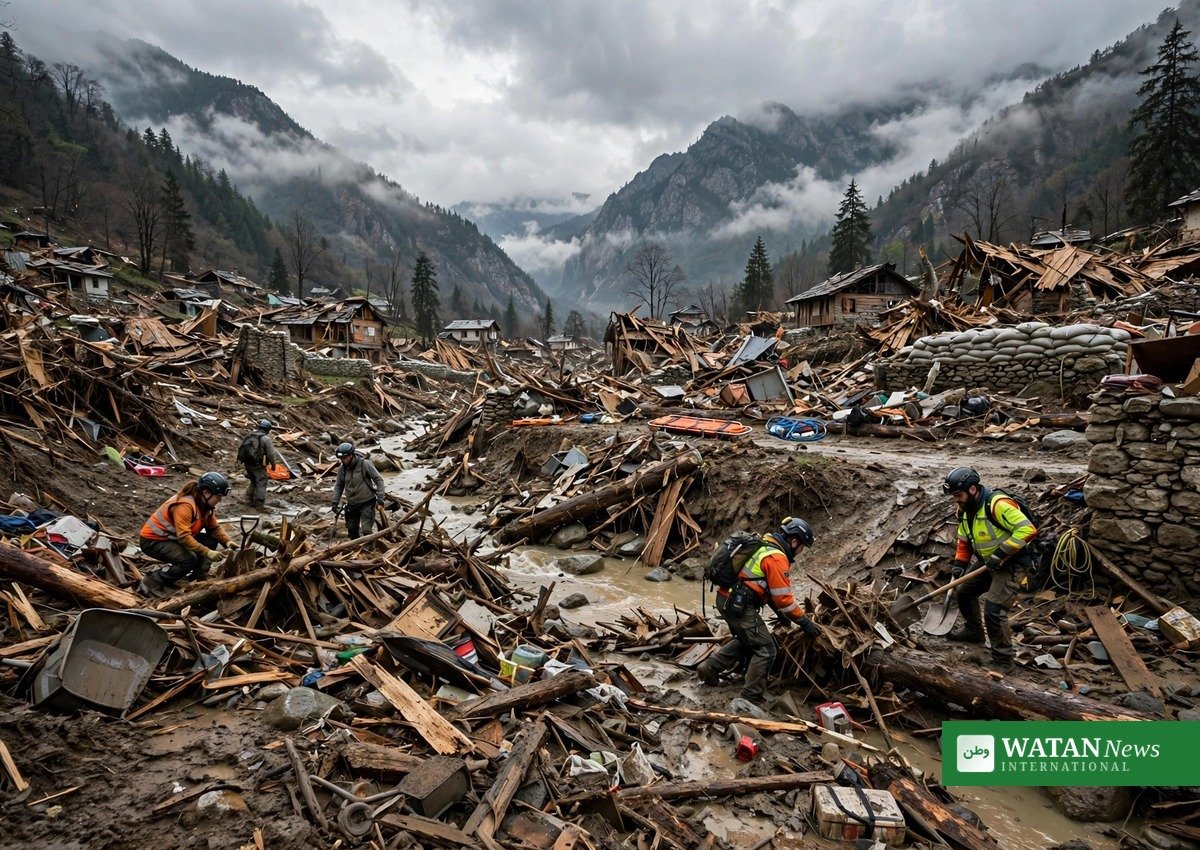
Search and rescue, relief and early recovery efforts ran for weeks. In one remarkable operation, two hydropower workers were rescued alive after being trapped for nine days inside tunnels buried by flood debris at the Trishuli 3A Hydropower Project.
To answer what exactly caused the devastating flood, how it happened, and whether climate change was the key factor, Nepal’s Ministry of Energy, Water Resources and Irrigation formed a seven-member committee of experts in hydrology, glaciology, remote sensing, hydropower infrastructure, geology and disaster-risk reduction. Analysts describe the disaster as one of the deadliest in Nepal’s recorded history, with governance experts warning that its scale became a litmus test for the country’s disaster-management system.
Billions Needed for Rebuilding
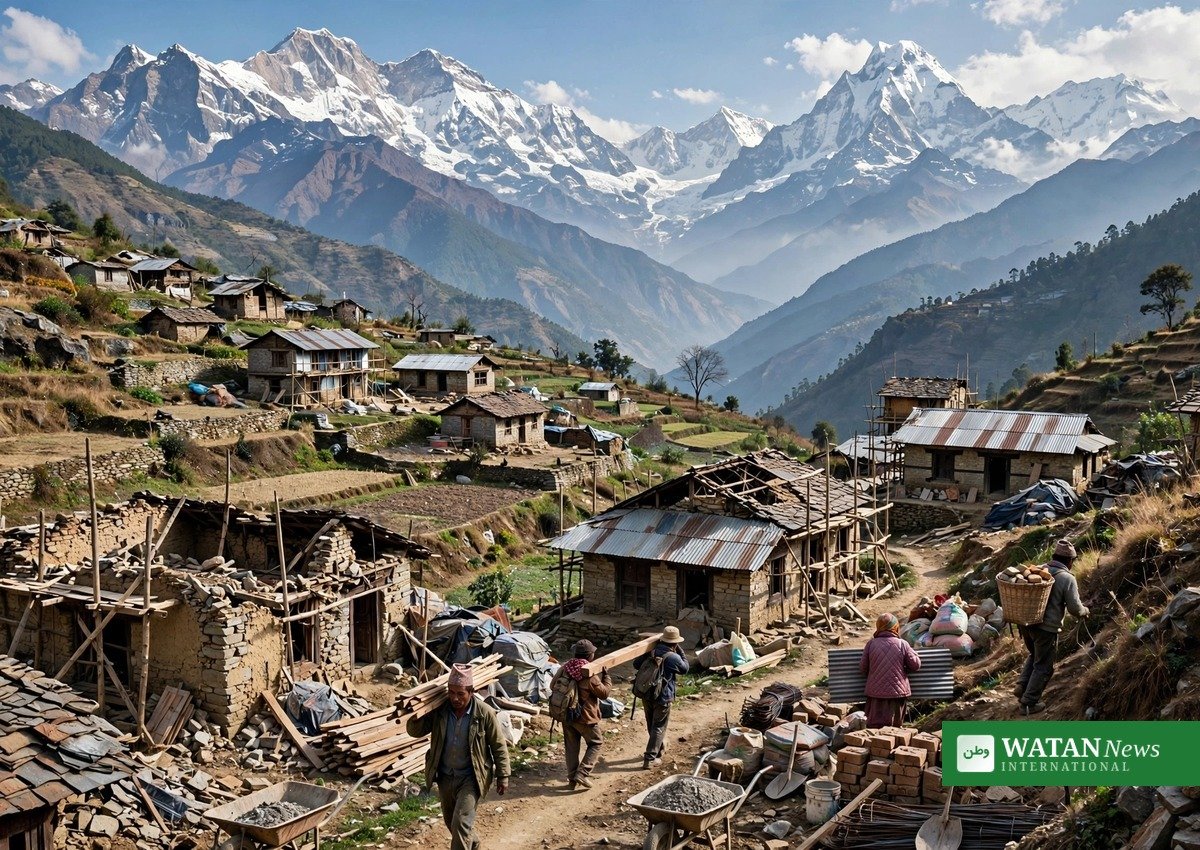
With about NPR 387.5 billion in estimated financial losses and around 20,000 homes requiring reconstruction — thousands completely destroyed — the financial burden is enormous for a country that is among the lowest emitters of global greenhouse emissions yet among the most vulnerable to climate-driven disasters. Its steep mountains and narrow valleys make it chronically prone to deadly flash flooding, and scientists warn that climate change is expected to make such extreme events more frequent and intense in the coming years.
Climate Crisis Hits Nepal Hardest
Nepal’s geography makes it one of the countries most vulnerable to the climate crisis, despite contributing almost nothing to global emissions. The 2026 floods have underscored how glacial and mountain hazards can unleash catastrophe hundreds of kilometres downstream, and how adaptation and early-warning systems remain underdeveloped across the Himalayan region.
Follow more climate disaster and recovery coverage on Watan News, and visit the Watan News homepage for the latest global updates.
Conclusion
The August 2026 Nepal–Tibet floods killed more than 1,400 people and left Nepal seeking billions in reconstruction funding. Behind the numbers is a stark climate-justice question: the countries least responsible for global warming are paying the highest price — and rebuilding will take years.
Sources: 2026 Nepal–Tibet floods (Wikipedia, with citations), GMC Nepal, The Nepal Weekly.
Author

usmanjaved13132@gmail.com
Related Posts
Vestaustralien passerer 5,73 milliarder returnerede beholdere på seks år
- 0
- 696 words
Vestaustraliens pantordning Containers for Change har passeret 5,73 milliarder returnerede beholdere siden oktober 2020 og har genereret mere end 22,26 millioner dollar...
Read out all
مغربی آسٹریلیا میں چھ سال میں 5.73 ارب کنٹینر واپس کیے گئے
مغربی آسٹریلیا کی کنٹینر ڈپازٹ اسکیم کنٹینرز فار چینج کے تحت اکتوبر 2020 سے اب تک 5.73 ارب سے زیادہ کنٹینر واپس...
Read out all
Western Australia Passes 5.73 Billion Containers Returned in Six Years
- 0
- 694 words
Western Australia's Containers for Change scheme has passed 5.73 billion containers returned since October 2020, generating more than $22.26 million in donations...
Read out all
Indien fremlægger COP31-prioriteter: Forudsigelig klimafinansiering, ingen nye topstyrede mål
- 0
- 743 words
Indien har fremlagt sine forhandlingsprioriteter for COP31 i Antalya med forudsigelig, offentlig og koncessionel klimafinansiering i centrum og krav om, at modvirkning...
Read out all
بھارت نے کاپ31 کے لیے ترجیحات پیش کر دیں: قابل پیش گوئی موسمیاتی مالیات، نئے اوپری اہداف نہیں
بھارت نے انطالیہ میں ہونے والی کاپ31 کے لیے اپنی مذاکراتی ترجیحات پیش کر دی ہیں، جن میں قابل پیش گوئی، عوامی...
Read out all
India Sets Out COP31 Priorities: Predictable Climate Finance, Not New Top-Down Targets
- 0
- 757 words
India has set out its negotiating priorities for COP31 in Antalya, putting predictable, public and concessional climate finance first and insisting that...
Read out all