- 0
- 757 words
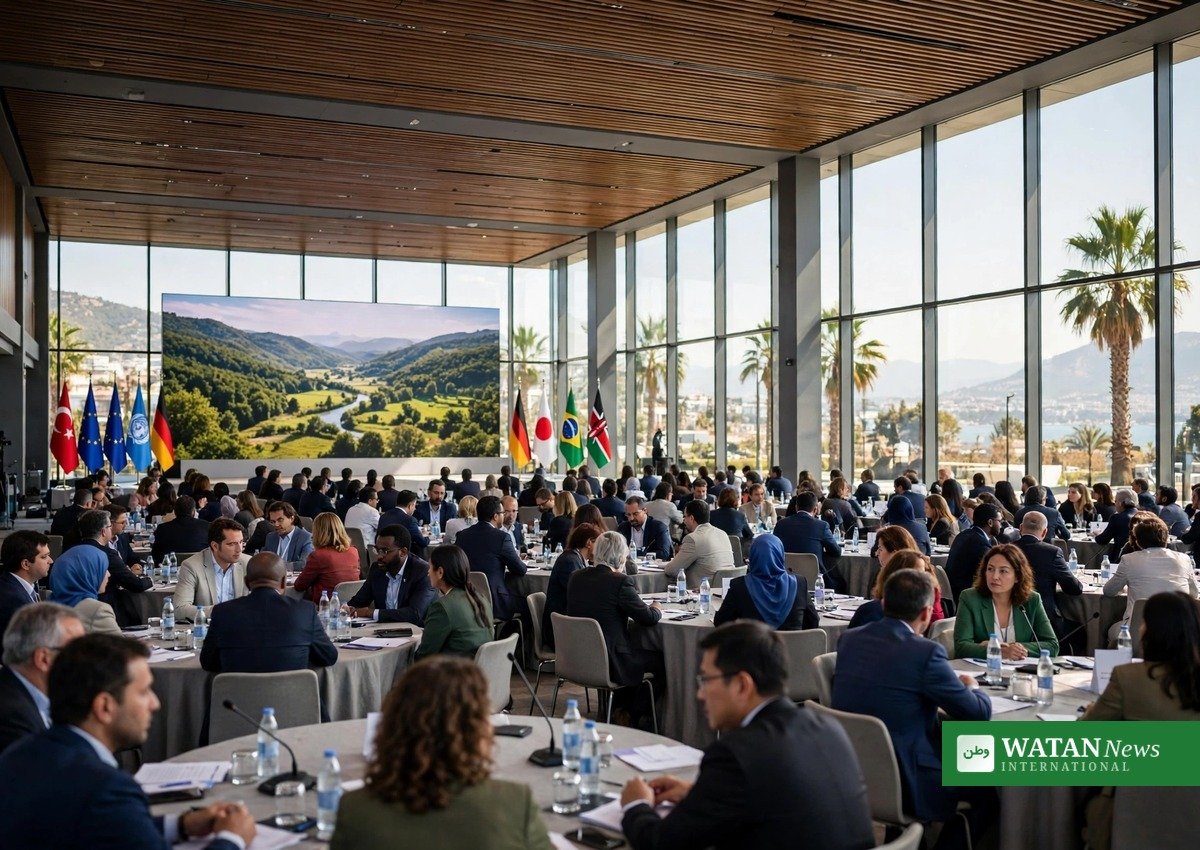
New Delhi, 4 November 2026: India has set out its negotiating priorities for the COP31 climate summit in Antalya, Türkiye, placing predictable climate finance at the centre of its position and ruling out new top-down mitigation targets. Union Minister for Environment, Forest and Climate Change Bhupender Yadav outlined the position at a media briefing in New Delhi on 3 November 2026, six days before the summit opens on 9 November.
India will approach COP31 with what the minister described as a solution-oriented vision, bringing practical solutions for the Global South, with capacity building, knowledge sharing and geography-specific solutions at the core. It will work closely with the G-77 and China, the Like-Minded Developing Countries and BASIC groups of developing countries.
Climate finance first
Climate finance will be a key priority, according to the briefing. India will seek a COP31 decision to commence the Climate Finance Work Programme. The minister emphasised that finance is an obligation of developed countries under Article 9.1 of the Paris Agreement and must be predictable, largely public and concessional, and should not add to the debt burden of developing countries.
The point matters because the COP31 agenda includes the 2035 climate finance goal of at least 300 billion US dollars a year to developing countries, alongside the Global Goal on Adaptation and resources for the fund for responding to loss and damage. India’s position is that higher ambition must be matched by finance, technology transfer and capacity building.
Mitigation and the Global Stocktake must stay party-driven
India will also press for mitigation and the Global Stocktake to remain party-driven, facilitative and non-punitive, respecting the nationally determined nature of nationally determined contributions (NDCs) and ruling out new top-down targets. The Global Stocktake is the Paris Agreement process for reviewing collective progress; COP31 is set to launch its second round.
On adaptation, India will highlight the link between adaptation in agriculture, food security and the livelihoods of small and marginal farmers. Its engagements at COP31 will include LeadIT 3.0 with Sweden, alongside high-level side events on coastal resilience and panels on forests.
What this is — and what it is not
The 3 November briefing sets out a negotiating position, not decisions already adopted by the conference. COP31 will run from 9 to 20 November 2026 in Antalya, with Türkiye holding the presidency and Australia leading the formal negotiations. Outcomes will depend on negotiations among nearly 200 parties.
India said it will play a constructive, bridge-building role in Antalya, seeking an outcome that moves from commitments to implementation and support. The minister also used the briefing to report outcomes from India’s participation in the biodiversity and desertification conferences, CBD COP17 in Yerevan and UNCCD COP17, and reiterated India’s commitment to restore 26 million hectares of degraded land by 2030.
FAKTA
- Summit: COP31, Antalya, Türkiye, 9–20 November 2026.
- Announced: India’s priorities, New Delhi briefing, 3 November 2026, by Minister Bhupender Yadav.
- Finance ask: A COP31 decision to commence the Climate Finance Work Programme; finance predictable, largely public and concessional, not debt-creating.
- Mitigation line: Party-driven, facilitative and non-punitive; no new top-down targets.
- Partners: Working closely with G-77 and China, LMDC and BASIC.
Conclusion
India’s message ahead of Antalya is implementation with support: finance that is predictable and does not create debt, adaptation that protects farmers and food security, and a stocktake that helps countries rather than punishing them. Whether other parties accept that framing will be tested in the negotiations from 9 November.
Frequently Asked Questions
When and where is COP31?
COP31 takes place in Antalya, Türkiye, from 9 to 20 November 2026. Türkiye holds the presidency and Australia leads the formal negotiations.
What is the Climate Finance Work Programme India wants to start?
It is the work programme India is seeking a COP31 decision to commence, to organise how climate finance is discussed and delivered. India says finance under Article 9.1 of the Paris Agreement must be predictable, largely public and concessional.
What does Article 9.1 of the Paris Agreement cover?
Article 9.1 places the provision of financial resources on developed-country parties, to assist developing-country parties with mitigation and adaptation. India cites this article as the basis for its finance position.
What is the Global Stocktake?
The Global Stocktake is the Paris Agreement’s collective review of progress towards its goals. COP31 is set to launch the second stocktake, and India wants it to remain party-driven, facilitative and non-punitive.
Why does India oppose new top-down targets?
India argues that nationally determined contributions are, by design, nationally determined. It says new top-down targets would override national circumstances and development needs, so mitigation must respect each country’s own pathway.
Author

usmanch0013@gmail.com
Related Posts
Vestaustralien passerer 5,73 milliarder returnerede beholdere på seks år
- 0
- 696 words
Vestaustraliens pantordning Containers for Change har passeret 5,73 milliarder returnerede beholdere siden oktober 2020 og har genereret mere end 22,26 millioner dollar...
Read out all
مغربی آسٹریلیا میں چھ سال میں 5.73 ارب کنٹینر واپس کیے گئے
مغربی آسٹریلیا کی کنٹینر ڈپازٹ اسکیم کنٹینرز فار چینج کے تحت اکتوبر 2020 سے اب تک 5.73 ارب سے زیادہ کنٹینر واپس...
Read out all
Western Australia Passes 5.73 Billion Containers Returned in Six Years
- 0
- 694 words
Western Australia's Containers for Change scheme has passed 5.73 billion containers returned since October 2020, generating more than $22.26 million in donations...
Read out all
Indien fremlægger COP31-prioriteter: Forudsigelig klimafinansiering, ingen nye topstyrede mål
- 0
- 743 words
Indien har fremlagt sine forhandlingsprioriteter for COP31 i Antalya med forudsigelig, offentlig og koncessionel klimafinansiering i centrum og krav om, at modvirkning...
Read out all
بھارت نے کاپ31 کے لیے ترجیحات پیش کر دیں: قابل پیش گوئی موسمیاتی مالیات، نئے اوپری اہداف نہیں
بھارت نے انطالیہ میں ہونے والی کاپ31 کے لیے اپنی مذاکراتی ترجیحات پیش کر دی ہیں، جن میں قابل پیش گوئی، عوامی...
Read out all
World Court to Rule in Rohingya Genocide Case on 19 November
- 0
- 621 words
The International Court of Justice will deliver its judgment on 19 November 2026 in Gambia's genocide case against Myanmar over the treatment...
Read out all