
- 0
- 621 words
The International Court of Justice will deliver its judgment on 19 November 2026 in the landmark case brought by Gambia against Myanmar over alleged genocide against the minority Muslim Rohingya, the court announced on Tuesday, 3 November. Judges will begin reading out the judgment at 08:00 GMT, in a ruling that will be final and without appeal.
FAKTA: ICJ Rohingya Genocide Ruling
- Judgment date: 19 November 2026; judges will start reading the ruling at 08:00 GMT.
- The case: Gambia v. Myanmar at the International Court of Justice (ICJ), the United Nations’ highest court, filed in November 2019.
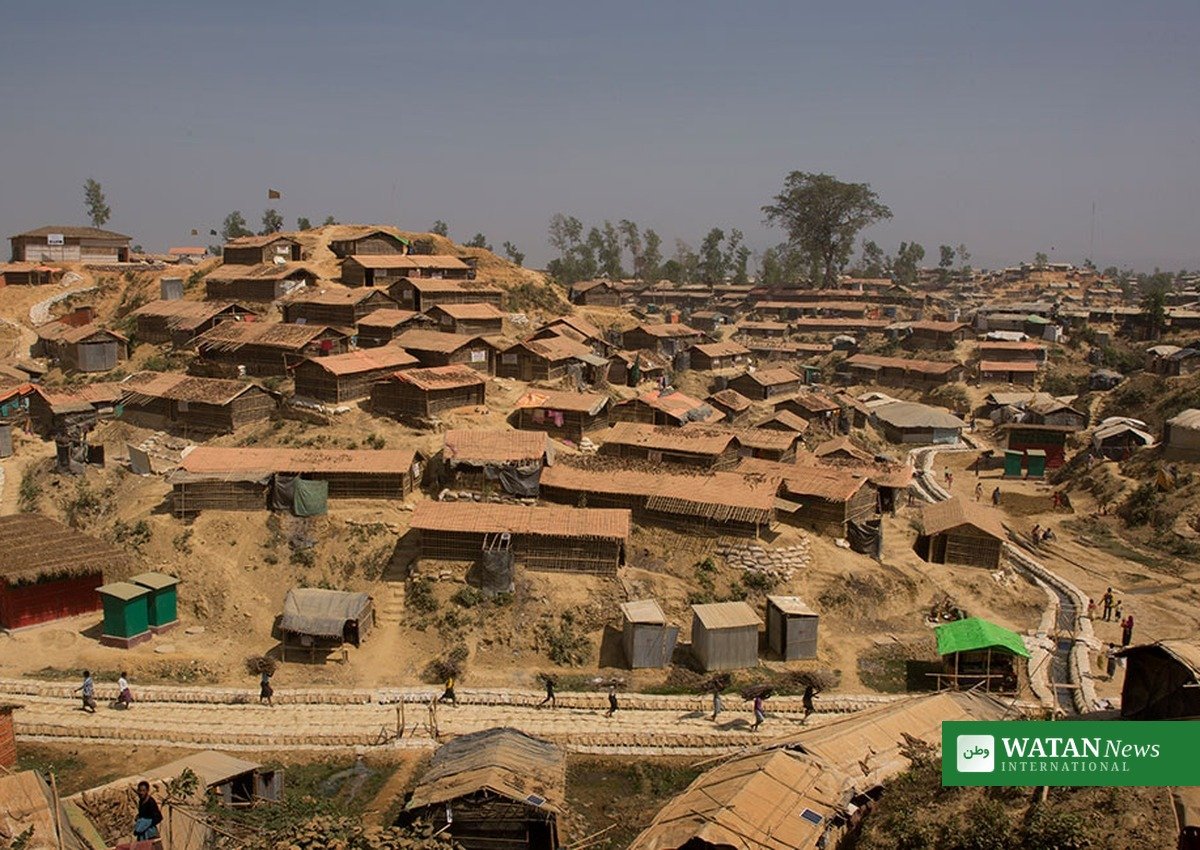
- The allegation: Gambia argues that a 2017 offensive by Myanmar government forces, which forced at least 730,000 Rohingya into neighbouring Bangladesh, constituted genocide.
- Myanmar’s position: Myanmar denies genocide and says the offensive was a legitimate counter-terrorism campaign.
- Why it matters: This will be the first time in over a decade, and only the third time ever, that the ICJ hands down a judgment in a genocide case.
- Effect: ICJ rulings are final and without appeal; the judgment will conclude the proceedings in this case.
What the Court Announced
The ICJ, also known as the World Court, said on Tuesday that it will rule on 19 November in the case against the government of Myanmar. The announcement sets the date for the end of proceedings that began when Gambia filed its case in 2019, alleging violations of the Convention on the Prevention and Punishment of the Crime of Genocide.
Human Rights Watch, releasing a question-and-answer document on the case, confirmed the date and stressed that the case is not a criminal trial of individuals. It is a request for a legal determination of Myanmar’s state responsibility for genocide.
The Case Behind the Judgment
In August 2017, Myanmar’s security forces began a sweeping campaign against ethnic Rohingya in northern Rakhine State, Human Rights Watch said, involving massacres, rape and arson that forced more than 700,000 people to flee to neighbouring Bangladesh. Gambia argued that the offensive, which it says forced at least 730,000 Rohingya across the border, constituted genocide.
Rohingya refugees have recounted killings, mass rape and arson, and a United Nations fact-finding commission concluded that the offensive included “genocidal acts”, Reuters reported. Myanmar denies the accusations of genocide and has said the offensive was a legitimate counter-terrorism campaign.
ICJ Rohingya Genocide Ruling: Why It Matters
Genocide has rarely been proven in international courts, Reuters noted, because judges must find that crimes were committed with the specific intent “to destroy, in whole or in part, a national, ethnical, racial or religious group”. That high bar is one reason the 19 November judgment is being watched far beyond Myanmar.
“The International Court of Justice’s Myanmar judgment will mark a crucial moment in the Rohingya’s quest for justice,” said Maria Elena Vignoli, senior international justice counsel at Human Rights Watch. She added that the ruling will also be “a stark reminder that the oppression of the Rohingya is ongoing, and that rights-respecting countries need to act decisively to support them, promote justice for atrocities, and ensure their safe and voluntary return.”
Reuters also noted that the outcome is likely to shape future genocide cases at the ICJ, including South Africa’s 2023 case concerning Gaza, a charge Israel denies.
What Happens Next
When the judges begin reading the judgment at 08:00 GMT on 19 November, the world will learn whether the court finds Myanmar responsible for genocide under the 1948 Genocide Convention. Because ICJ rulings are final and without appeal, the judgment will close this case, even as questions over accountability and the safe return of Rohingya refugees continue.
For more coverage from the region, see Asia news on Watan News.
Author

usmanch0013@gmail.com
Related Posts
US Midterm Elections 2026: Americans Vote as Control of Congress Hangs in the Balance
- 0
- 676 words
Americans voted on 3 November 2026 in midterm elections for all 435 House seats, 35 Senate seats and governors in 36 states,...
Read out all
At Least 33 Killed as Strike Hits Ukraine Aid Centre in Komyshuvakha, UN Monitors Say Attack Likely Broke International Law
- 0
- 629 words
At least 33 people were killed in a strike on a Ukrainian aid centre in Komyshuvakha on 2 November 2026, with UN...
Read out all
Marvell Agrees $115 Billion Deal to Buy Lumentum in Major Bet on AI Data Centres
- 0
- 556 words
Marvell agreed on 2 November 2026 to buy Lumentum in a $115 billion all-stock deal, betting on continued AI data-centre spending.
Read out all
Marathon Sells Two Refineries to CVR Energy in $4.2 Billion Deal as Refining Margins Strengthen
- 0
- 503 words
Marathon Petroleum agreed on 3 November 2026 to sell two refineries to CVR Energy for $4.2 billion, nearly doubling CVR's refining capacity.
Read out all
Bomb Threats Disrupt Flights Across Europe as Aircraft Are Searched and Diverted
- 0
- 569 words
A string of bomb threats disrupted flights across Europe on 2-3 November 2026, forcing diversions and security sweeps, though no explosives were...
Read out all
Australia Raises Interest Rate to 4.85% in Fifth Hike of 2026 as Inflation Stays High
- 0
- 483 words
Australia's central bank raised its cash rate to 4.85% on 3 November 2026, its fifth hike of the year, as inflation stays...
Read out all