- 0
- 820 words
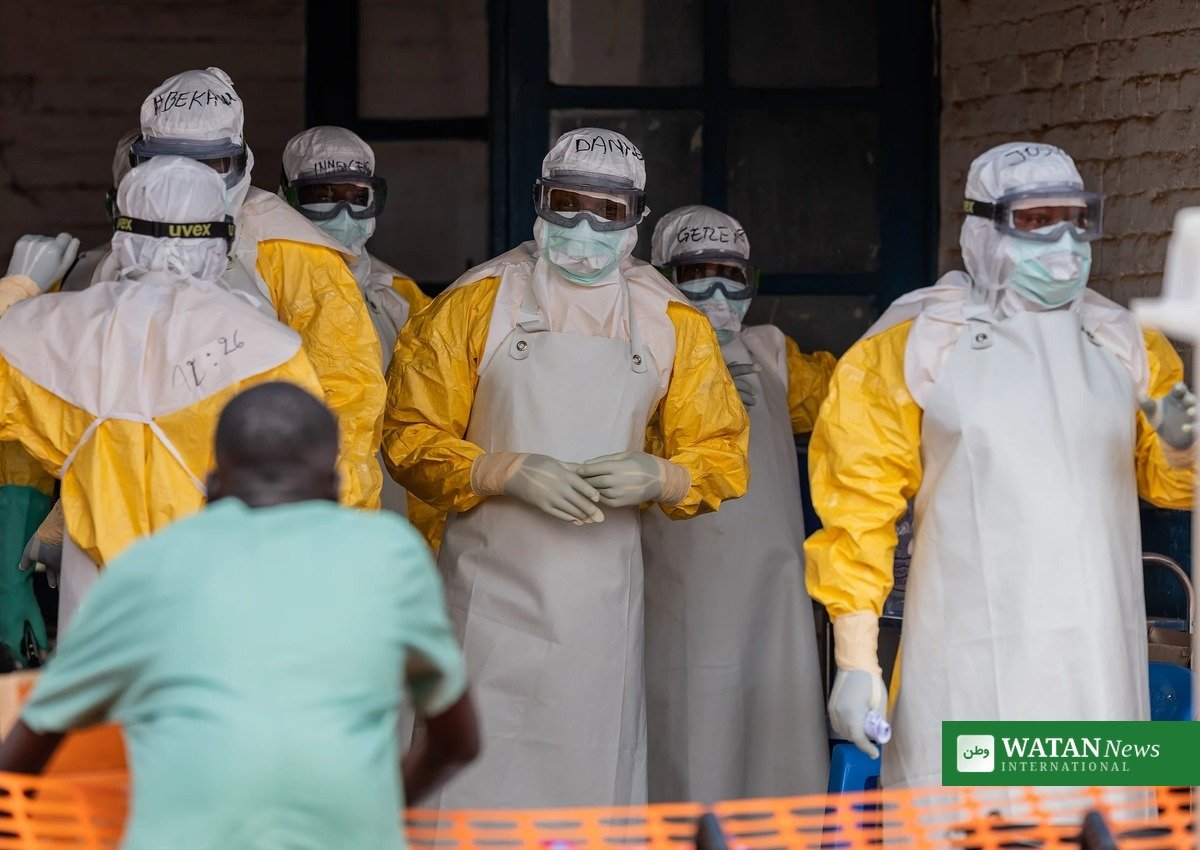
Deaths in the Democratic Republic of Congo’s Ebola outbreak have passed 5,000, according to the latest figures from the Congolese Ministry of Health, making it the second deadliest Ebola outbreak ever recorded and raising fresh fears about the virus spreading further across Africa.
The ministry’s data, reported on Saturday, shows the disease has killed 5,026 people out of 10,351 infected since the outbreak was declared in mid-May — a lethality rate of nearly 50 per cent. A total of 2,788 people have recovered so far.
The outbreak, caused by the rare Bundibugyo virus, is already the deadliest Ebola epidemic in Congo’s history and the world’s second largest, behind only the 2014–2016 West Africa epidemic that infected more than 28,600 people and killed over 11,000 across Guinea, Liberia and Sierra Leone.
FAKTA: Congo Ebola outbreak at a glance
- Deaths: 5,026 out of 10,351 infected — a lethality rate of nearly 50 per cent
- Recovered: 2,788 people so far
- Virus: Bundibugyo species — no approved vaccine or targeted treatment exists
- Spread: 67 of Congo’s 178 health zones, across eight of its 26 provinces
- Epicentres: Ituri and North Kivu in eastern Congo — 9,782 cases and 4,792 deaths
- Ranking: Second deadliest Ebola outbreak in history, after West Africa 2014–2016
One-third of victims died without care
Health officials say one of the most alarming features of the outbreak is that about one-third of recorded deaths were people who died outside treatment centres, before ever being tested for Ebola.
“It is a very tragic milestone because it is just not a number,” said Dr Patrick Otim, a programme area manager with the World Health Organization. “It is families and communities that have been devastated by this outbreak. The number also shows the severity of this outbreak.”
“These are people we never had opportunity to try to save them and it is one of the biggest concerns for us in this outbreak. How do we try to reach people early to get them to come to health facilities to get a fighting chance to survive?” Otim said.
According to the Africa Centres for Disease Control and Prevention, about 80 per cent of new cases are coming from outside the chain of monitored contacts — meaning the overwhelming share of infections arise from transmission chains unknown to health authorities.
Conflict, strikes and disbelief hamper the response
The outbreak is concentrated in eastern Congo, a region gripped by conflict between the government and an array of armed groups, most prominently the Rwanda-backed M23 rebel group, alongside an Islamist insurgency in the border areas with Uganda. The insecurity sharply limits the reach of health workers.
Widespread disbelief about the disease has also led to attacks on health workers and facilities. A nurse was killed last week while responding to an Ebola alert, and a politician from the ruling party was killed in September after advocating for health measures on the radio.
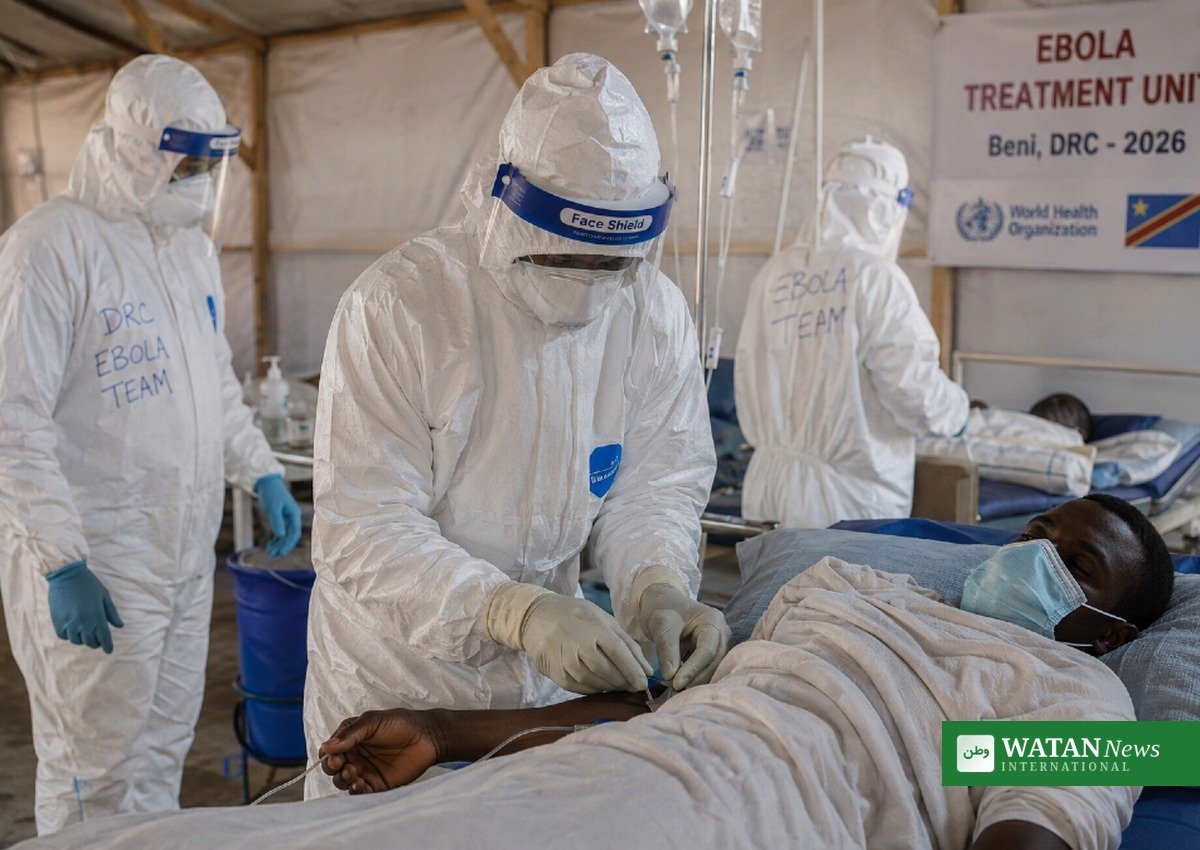
Health workers have gone on repeated strikes over long delays in pay. On Friday, workers at an Ebola treatment centre in Tchomia, in Ituri province, stopped work demanding four months of unpaid wages. Five confirmed Ebola patients and 10 suspected cases are currently under care at the centre.
“We are tired of requesting our salaries. If they want to pay us, they will. … Today, being able to feed our families has become a real problem,” Moise Mugenyi, one of the striking workers, said.
Similar disruption has hit other health zones, including Beni in North Kivu, where services in some treatment centres have ground to a halt. “Across Ituri and North Kivu, this outbreak is stretching everyone responding to it, including the communities themselves,” said Rose Tchwenko, country director for the DRC at Prosper Global.
Outbreak spreads beyond Congo’s borders
The outbreak is no longer confined to Congo. In October, both Kenya and Nigeria confirmed cases — Kenya has confirmed eight cases and two deaths, while Nigeria’s sole confirmed case was evacuated to Switzerland. Uganda reported cases earlier in the outbreak, and last week Nigeria became the fourth African country to report a case, extending the geographic spread to West Africa.
The confirmation of cases across three African regions has made this the continent’s most geographically widespread Ebola outbreak on record. On Friday, Saudi Arabia suspended travel to and entry from Kenya, according to the Saudi Press Agency.
Unlike previous outbreaks dominated by the better-known Zaire species, the present surge is driven by the Bundibugyo virus, for which there are currently no approved vaccines or targeted antiviral therapies. Health workers treat patients based on their symptoms.
With 50 of the 67 affected health zones still reporting active cases, and most new infections emerging outside known contact chains, health officials warn that containing the outbreak will depend on reaching patients earlier — and on restoring the pay, fuel and resources that treatment centres say they are still waiting for.
For more coverage of Africa, see Watan News’ world news section.
Author

usmanch0013@gmail.com
Related Posts

Lakers’ $12.5 Billion Sale Terms Agreed as Walter and Kushner Finalise Deal
- 0
- 646 words
Mark Walter and Josh Kushner have agreed all terms of a record $12.5 billion Los Angeles Lakers sale, with former Disney chief...
Read out all
Rooftop Solar Powers a New Era of Sustainable Homes in America
- 0
- 657 words
US small-scale solar generation has quadrupled in a decade to 92,979 gigawatt-hours, led by California — changing what a sustainable home looks...
Read out all
Masdar to Explore NZ$1 Billion Renewable Investment in New Zealand
- 0
- 629 words
Masdar has signed an agreement with Invest New Zealand to explore up to NZ$1 billion in solar, wind and battery storage projects,...
Read out all
Bangladesh Dengue Death Toll Reaches 418 as October Becomes Deadliest Month of 2026
- 0
- 439 words
Bangladesh has recorded 418 dengue deaths and more than 133,000 hospital admissions in 2026, with October the deadliest month so far and...
Read out all
EU Climate Finance Reaches €41.6 Billion in 2025 as Public Funding Rises Ahead of COP31
- 0
- 829 words
The EU and its 27 member states provided €32.3 billion in public climate finance in 2025, plus €9.3 billion in mobilised private...
Read out all
Iran Says US Forces Attacked Fishing Boats Near Qeshm Island
- 0
- 481 words
Iranian state media says US forces attacked two fishing boats near Qeshm Island, leaving two fishermen missing and one wounded. Washington has...
Read out all