- 0
- 829 words
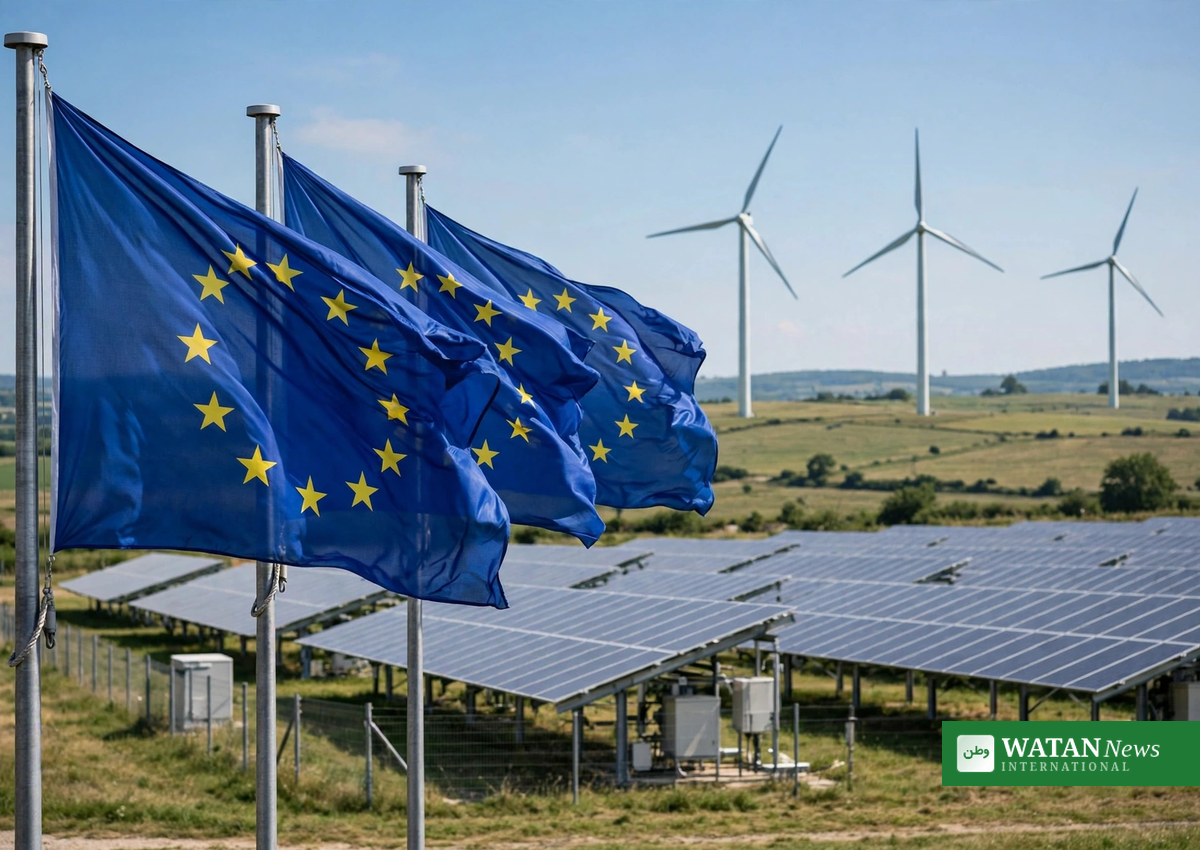
The European Union and its 27 member states provided €41.6 billion in international climate finance in 2025, according to figures published by the Council of the EU on 29 October 2026, just days before the COP31 climate conference opens in Antalya, Türkiye. Public finance rose to €32.3 billion, while private finance mobilised through public support fell to €9.3 billion.
EU climate finance in 2025: what the figures show
According to the Council, the €32.3 billion in public finance and the €9.3 billion in mobilised private finance together support developing countries in reducing greenhouse gas emissions and adapting to the impacts of climate change. The figures were published in preparation for COP31 and CMA8, which run from 9 to 20 November 2026 in Antalya.
Public finance rose by about €600 million compared with 2024, when it stood at €31.7 billion, according to figures reported alongside the release. Mobilised private finance, by contrast, fell from €11.0 billion in 2024 to €9.3 billion, so the combined total slipped from €42.7 billion to €41.6 billion.
Where the money is directed
Data compiled by the European Commission shows that 48 percent of public climate funding for developing countries went to climate adaptation or to cross-cutting action, meaning projects that combine both mitigation and adaptation. Grant-based finance made up 41 percent of the EU and member states’ public contribution, a significant share, according to the Council.
Within the €32.3 billion public total, €4.3 billion came from the EU budget, including the European Development Fund, and €2.7 billion came from the European Investment Bank. The private finance was mobilised through public interventions such as guarantees, syndicated loans, direct investment in companies and credit lines.
How the figures should be read
The Council notes an important measurement detail: the overall public figure is calculated on commitments for bilateral finance and disbursements of multilateral finance reported for calendar year 2025. The private figure does not include the public money used to mobilise that private finance. The combined €41.6 billion should therefore not be described simply as cash transferred to recipients during a single year.
Member states reported the data under the EU governance regulation, and the figures follow the EU climate finance reporting rules. The Council described the 2025 figures as a strong confirmation of the EU and its member states’ resolve to deliver on international climate finance commitments, particularly towards the developed countries’ collective goal of mobilising $100 billion per year.
What this means ahead of COP31
The release comes as climate finance is set to be a central issue at COP31. The Council said the EU will continue to support developing countries in implementing the 2015 Paris climate agreement, and pointed to the forward-looking approach in the decision on the new collective quantified goal adopted in 2024 by the parties to the Paris Agreement.
Separately, Bloomberg has reported that the EU does not plan new climate finance commitments at COP31, and that a group of African countries has written to UN climate chief Simon Stiell seeking a tripling of adaptation finance commitments at the conference. Those reported positions show the negotiation the new figures will land in: a rising public contribution, a falling private mobilisation, and competing demands over what comes next.
Read more on the road to COP31 in Watan News coverage: Lula to lead COP31 leaders’ summit in Antalya.
FAKTA
- The EU and its 27 member states provided €32.3 billion in public climate finance in 2025, plus €9.3 billion in mobilised private finance, a combined €41.6 billion.
- Public finance rose by about €600 million on 2024; mobilised private finance fell from €11.0 billion to €9.3 billion.
- 48 percent of public funding went to adaptation or cross-cutting action; grants made up 41 percent of the public contribution.
- €4.3 billion came from the EU budget, including the European Development Fund, and €2.7 billion from the European Investment Bank.
- The figures were published by the Council of the EU on 29 October 2026, ahead of COP31 in Antalya from 9 to 20 November 2026.
Frequently Asked Questions
How much climate finance did the EU provide in 2025?
€32.3 billion from public sources, plus €9.3 billion in private finance mobilised through public interventions, giving a combined €41.6 billion, according to the Council of the EU.
Did EU climate finance rise or fall compared with 2024?
Public finance rose by about €600 million, from €31.7 billion in 2024. Mobilised private finance fell from €11.0 billion to €9.3 billion, so the combined total fell from €42.7 billion to €41.6 billion.
What does the money support?
It supports developing countries in reducing greenhouse gas emissions and adapting to the impacts of climate change, with 48 percent of public funding directed to adaptation or cross-cutting action.
Is the €41.6 billion all cash transferred in 2025?
No. The public figure combines bilateral commitments and multilateral disbursements reported for 2025, and the private figure excludes the public money used to mobilise it, so the total should not be read as cash transferred in a single year.
Why were the figures published now?
The Council published them in preparation for COP31, the UN climate conference running from 9 to 20 November 2026 in Antalya, Türkiye, where climate finance is a central negotiating issue.
The figures show a European climate effort that is still growing from public budgets even as private mobilisation cools — and COP31 will test whether that public lead is enough.
Author

usmanch0013@gmail.com
Related Posts

Bangladesh Dengue Death Toll Reaches 418 as October Becomes Deadliest Month of 2026
- 0
- 439 words
Bangladesh has recorded 418 dengue deaths and more than 133,000 hospital admissions in 2026, with October the deadliest month so far and...
Read out all
EU’s klimafinansiering når 41,6 milliarder euro i 2025, mens offentlig finansiering stiger op til COP31
- 0
- 900 words
EU og dens 27 medlemsstater leverede 32,3 milliarder euro i offentlig klimafinansiering i 2025 plus 9,3 milliarder euro i mobiliseret privat finansiering,...
Read out all
یورپی یونین کی موسمیاتی مالیات 2025 میں 41.6 ارب یورو تک پہنچ گئیں، کاپ31 سے قبل سرکاری فنڈنگ میں اضافہ
یورپی یونین اور اس کے 27 رکن ممالک نے 2025 میں 32.3 ارب یورو سرکاری موسمیاتی مالیات اور 9.3 ارب یورو متحرک...
Read out all
Iran Says US Forces Attacked Fishing Boats Near Qeshm Island
- 0
- 481 words
Iranian state media says US forces attacked two fishing boats near Qeshm Island, leaving two fishermen missing and one wounded. Washington has...
Read out all
UN Western Sahara Mission Left Without a Mandate as MINURSO Term Expires
- 0
- 996 words
The UN mission in Western Sahara has entered Saturday without a renewed mandate after the US and Russia vetoed each other's Security...
Read out all
Jordan Border Guards Stop 14 Armed Men Crossing From Syria
- 0
- 490 words
Jordanian border guards stopped 14 armed men trying to cross into northern Jordan from Syria on Friday, the armed forces said on...
Read out all