- 0
- 1,012 word
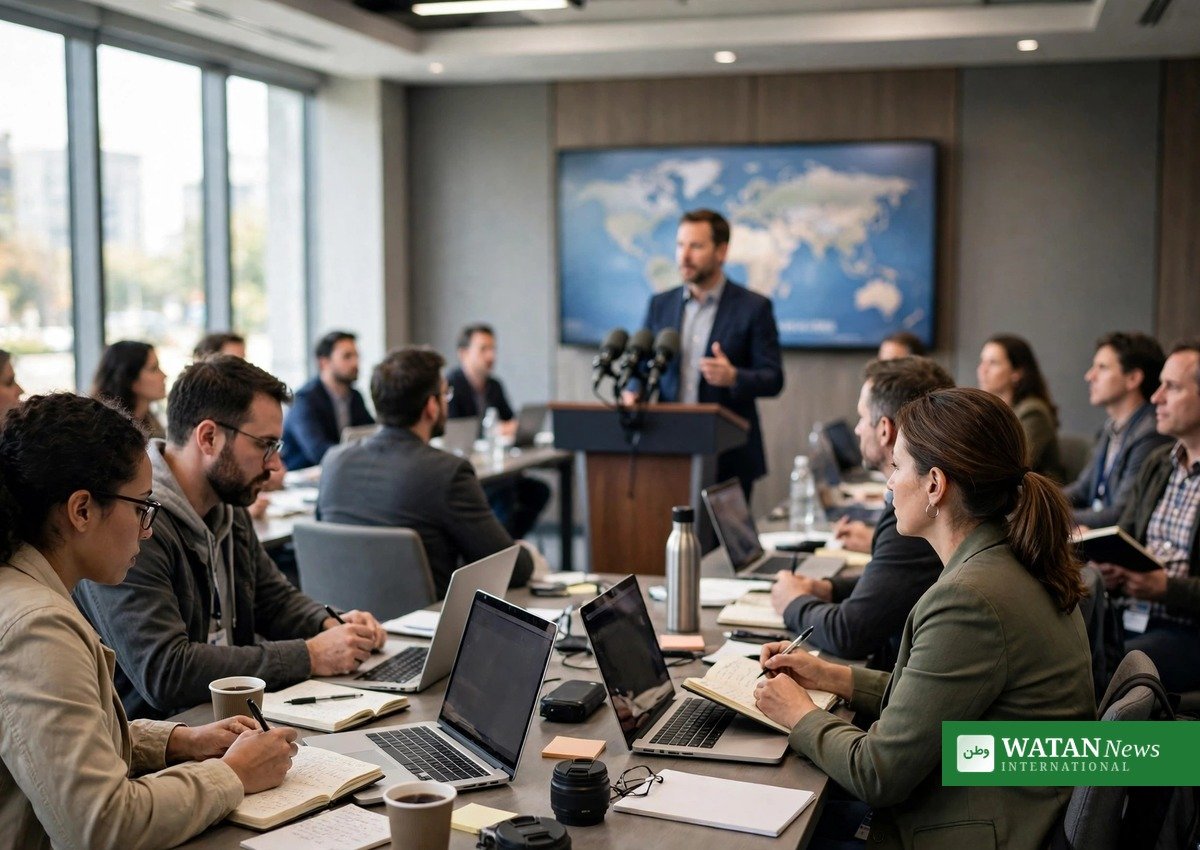
Journalists preparing to cover the COP31 climate conference in Antalya will get two dedicated briefings on Monday, 2 November 2026 — one from the Government of Canada and one from United Nations University experts — a week before the negotiations open.
Both sessions are aimed at helping reporters understand what to expect at the conference, which runs from 9 to 20 November 2026 in Antalya, Türkiye. Together, they show how much of the work before a climate summit now happens in the newsroom: officials and researchers briefing the press so that the negotiations themselves can be reported accurately.
Canada briefs the media first
Senior government officials from the Government of Canada will hold a bilingual technical briefing on Canada’s priorities, objectives and planned activities for COP31. The session is scheduled for Monday, 2 November 2026 at 11:00 a.m. Eastern Time — 9:00 p.m. Pakistan time — and will take place on Zoom, according to a media advisory published on 30 October 2026 by Environment and Climate Change Canada.
Media representatives are asked to register by contacting Environment and Climate Change Canada’s Media Relations, after which reporters receive the details to join the session.
The briefing will be held on background only and is not for attribution. In practice, that means journalists can use the information to guide their reporting and frame their questions, but they cannot quote the officials by name. Background briefings are a standard tool before major negotiations: they let governments explain their positions in detail without turning the session itself into a news story.
What Canada has already said it will push for
Canada has previously announced that its COP31 priorities include reducing methane emissions, accelerating electrification, strengthening adaptation measures for vulnerable communities and mobilising climate finance from public and private sources. The country will also host a national pavilion for the fifth consecutive year, giving Canadian climate technology and policy a platform at the conference.
Read more: Canada unveils delegations for COP17 and COP31 with focus on Indigenous leadership
United Nations University briefing: what to watch
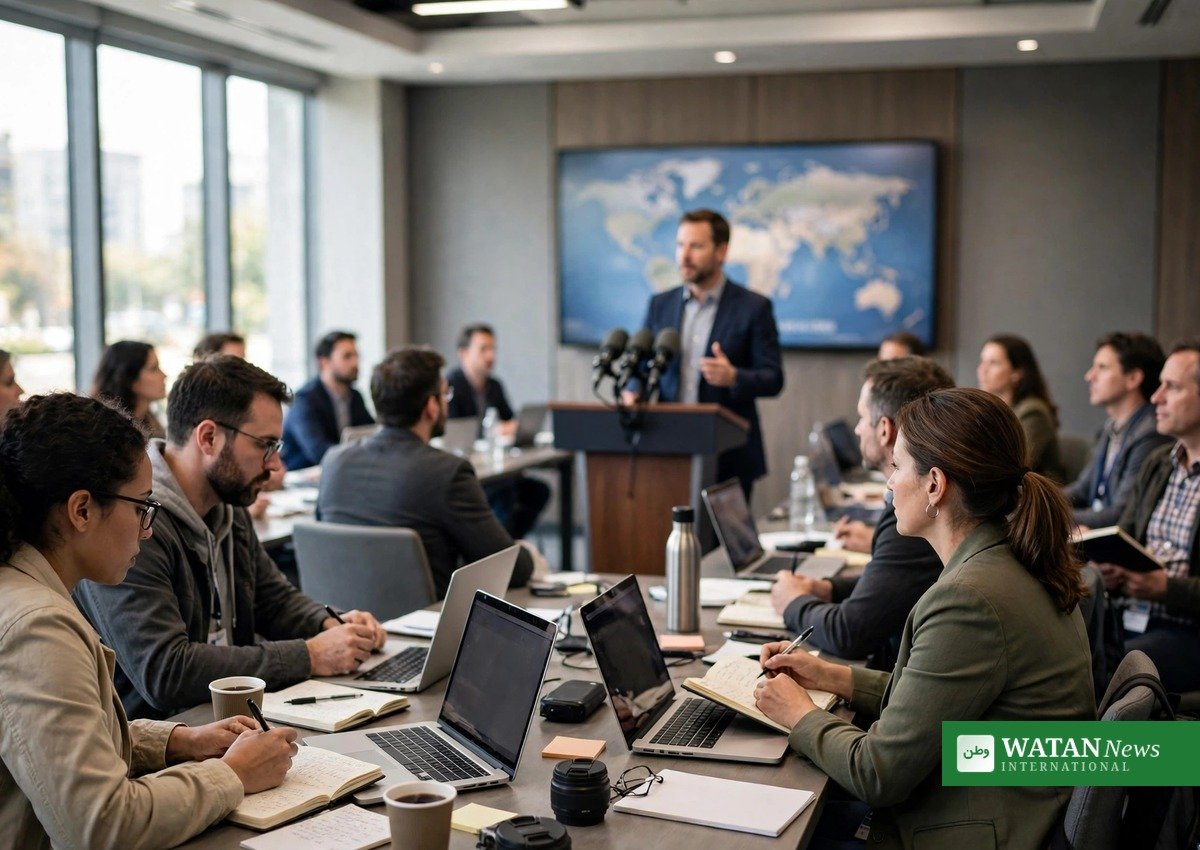
Later the same day, the United Nations University Institute for Environment and Human Security (UNU-EHS) will host its own press briefing, titled “Press Briefing ahead of COP 31 — what to watch, what to expect”. The virtual session runs from 3:00 p.m. to 4:00 p.m. Central European Time — 7:00 p.m. to 8:00 p.m. Pakistan time — on Monday, 2 November 2026.
UNU-EHS experts Dr. Soenke Kreft, Sinja Buri, Dr. Simone Sandholz, Dr. Irmak Karaslak, Lisa Hartmann, Dr. Jack O’Connor and Tarisai Kanyepi will unpack the key agenda items, discuss the challenges facing the negotiations and highlight the issues likely to shape the talks in Antalya.
According to UNU-EHS, the briefing will touch on the COP Presidency’s Action Agenda, COP and Pacific region priorities, energy transition and electrification, heat and climate-resilient cities, the linked crises of biodiversity loss, land degradation and climate change, oceans and seas, and food security. Support for frontline small island developing states and climate finance are also among the issues expected to shape the negotiations. The experts will take questions from the audience and will remain available for media engagement before and during the conference.
Why these briefings matter for coverage
COP31 is the 31st meeting of the Conference of the Parties to the United Nations Framework Convention on Climate Change (UNFCCC). It will be held at the Antalya Expo Center in Antalya, Türkiye, from 9 to 20 November 2026. Türkiye holds the COP31 Presidency, with Murat Kurum nominated as COP31 President, while Chris Bowen of Australia will serve as President of Negotiations. A World Leaders’ Summit will convene heads of state and government on 11 and 12 November 2026.
The conference is widely described as an implementation COP: the emphasis is on turning existing commitments under the Paris Agreement into measurable action, including on climate finance delivery, ocean-climate action and food security. For journalists, that makes the pre-conference briefings valuable — they set out which agenda items are likely to dominate, and where disagreements may emerge, before the talks begin.
The two briefings also reflect two different kinds of preparation. Canada’s session explains one country’s negotiating position. The UNU-EHS session offers independent, research-based context across the whole agenda. Reporters covering Antalya will need both: national positions to hold delegations to account, and independent analysis to judge whether the outcomes match the promises.
Key Facts
- Canada’s technical briefing: Monday, 2 November 2026, 11:00 a.m. Eastern Time (9:00 p.m. Pakistan time), on Zoom, bilingual, on background only.
- UNU-EHS press briefing: Monday, 2 November 2026, 3:00 p.m. to 4:00 p.m. Central European Time (7:00 p.m. to 8:00 p.m. Pakistan time), virtual.
- COP31: 9 to 20 November 2026, Antalya Expo Center, Antalya, Türkiye.
- COP31 President: Murat Kurum (Türkiye); President of Negotiations: Chris Bowen (Australia).
- World Leaders’ Summit: 11 and 12 November 2026.
- Canada’s stated COP31 priorities: methane reduction, electrification, adaptation for vulnerable communities, climate finance mobilisation and a fifth consecutive national pavilion.
Frequently Asked Questions
What is COP31?
COP31 is the 31st meeting of the Conference of the Parties to the United Nations Framework Convention on Climate Change. It is the annual United Nations climate conference where governments negotiate and advance global cooperation on climate change.
When and where is COP31 held?
COP31 will be held at the Antalya Expo Center in Antalya, Türkiye, from 9 to 20 November 2026.
What is Canada’s media briefing about?
Senior Canadian government officials will brief journalists on Canada’s priorities, objectives and planned activities for COP31. The bilingual session is on 2 November 2026 at 11:00 a.m. Eastern Time on Zoom, and is held on background only, meaning it is not for attribution.
What will the United Nations University briefing cover?
UNU-EHS experts will explain what to watch at COP31, including the Presidency’s Action Agenda, energy transition, climate finance, heat-resilient cities, oceans, food security and support for small island developing states. The virtual briefing runs from 3:00 p.m. to 4:00 p.m. Central European Time on 2 November 2026.
Why do journalists need briefings before COP31?
Climate negotiations involve complex agenda items and technical language. Pre-conference briefings help reporters understand the key issues, prepare informed questions and report the outcomes accurately for their audiences.
More climate coverage: Climate news from Watan News
Author

usmanch0013@gmail.com
Related Posts

To briefinger den 2. november forbereder journalister på COP31 i Antalya
- 0
- 967 words
Canada og eksperter fra FN's Universitet briefer journalister den 2. november 2026, en uge før COP31 åbner i Antalya, Tyrkiet.
Read out all
2 نومبر کی دو بریفنگز صحافیوں کو انطالیہ میں کاپ31 کی کوریج کے لیے تیار کریں گی
کینیڈا اور اقوام متحدہ یونیورسٹی کے ماہرین 2 نومبر 2026 کو صحافیوں کو بریف کریں گے، کاپ31 کے انطالیہ میں آغاز سے...
Read out all
325 Arrested at Palestine Action Protest Outside US Embassy in London as Total Passes 4,000
- 0
- 630 words
London police said 325 people were arrested at a Palestine Action protest outside the US Embassy on Saturday, 1 November, taking the...
Read out all
Fem byer vinder Shanghai-prisen 2026 for bæredygtig byudvikling
- 0
- 953 words
Fem byer — Addis Ababa, Santiago de Cali, Istanbul, Jingdezhen og Katowice — har vundet Shanghai-prisen 2026 for bæredygtig byudvikling, overrakt ved...
Read out all
پانچ شہروں نے پائیدار شہری ترقی کا 2026 شنگھائی ایوارڈ جیت لیا
پانچ شہروں — ادیس ابابا، سینٹیاگو دے کالی، استنبول، جنگ دے جن اور کٹووائس — نے چین کے شہر فوجو میں عالمی...
Read out all
Five Cities Win 2026 Shanghai Award for Sustainable Urban Development
- 0
- 911 words
Five cities — Addis Ababa, Santiago de Cali, Istanbul, Jingdezhen and Katowice — have won the 2026 Shanghai Award for sustainable urban...
Read out all