- 0
- 738 words
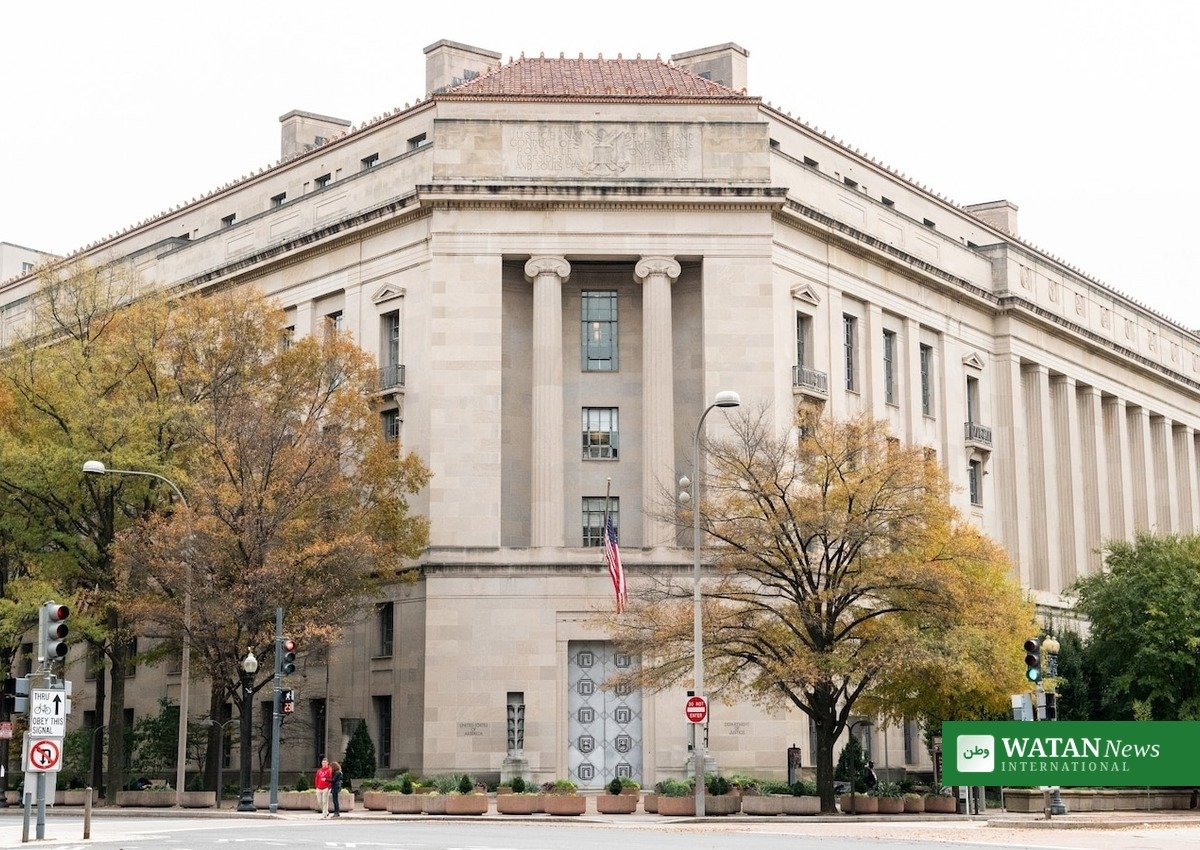
Courts in the United States have rejected Justice Department midterm election challenges in California and Alaska, a day before voters go to the polls in Tuesday’s midterm elections, according to Reuters. The department has appealed the Alaska ruling, while Attorney General Todd Blanche says its efforts are lawful and aimed at protecting the integrity of the vote.
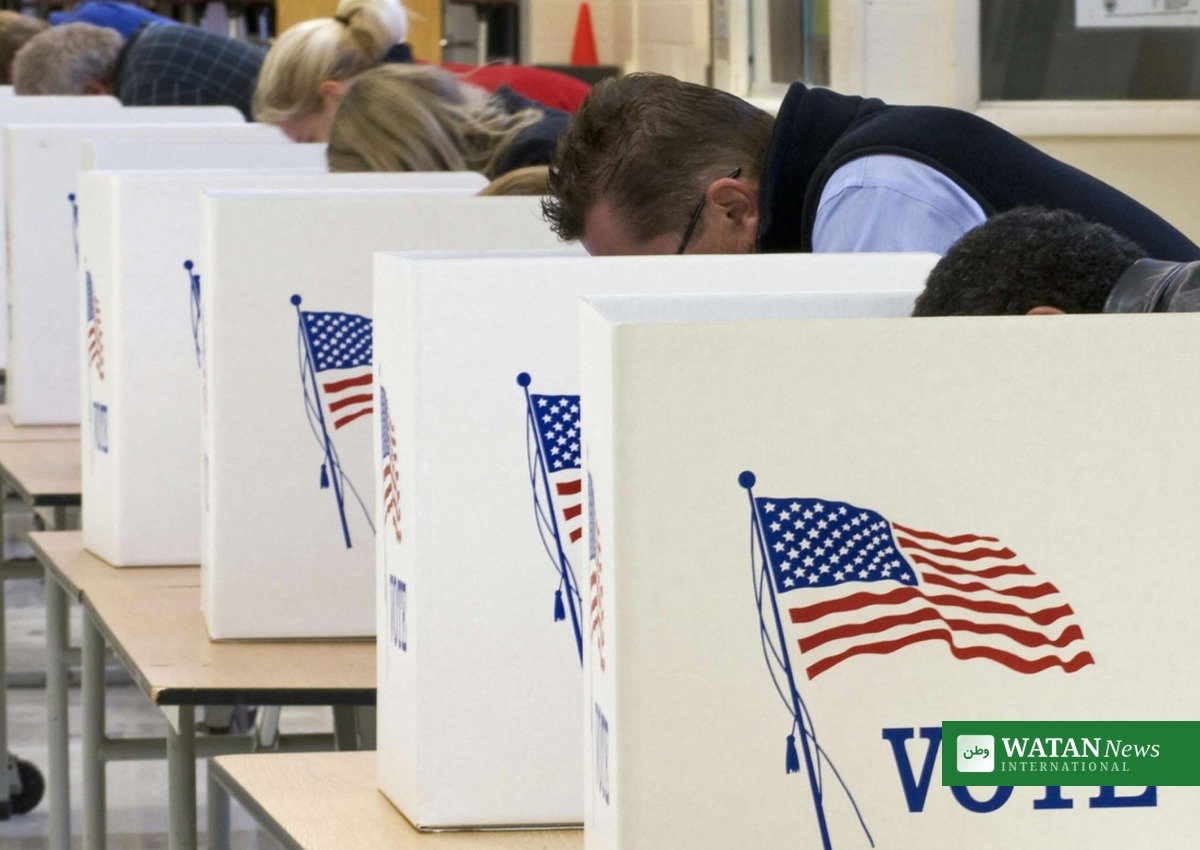
The midterm elections on 3 November will decide control of Congress and the winners of dozens of governors’ races. More than 52 million Americans had already voted in person or by mail, according to the University of Florida’s Election Lab, a record for a midterm election.
FAKTA
- The US midterm elections take place on Tuesday, 3 November 2026.
- In California, the Justice Department sought to set aside mail-in ballots from about 20,000 voters it alleges are likely non-US citizens.
- In Alaska, a federal judge dismissed the department’s lawsuit on Sunday, 1 November; the department has appealed that decision.
- Under US law, voting by non-US citizens is prohibited, and the Constitution assigns the administration of elections to the states.
- The department says it is enforcing the law and is not helping any campaign; critics say its pre-election intervention risks the appearance of taking sides.
Justice Department midterm election challenges in California
In California, the Justice Department sought to set aside mail-in ballots from about 20,000 voters it alleges are likely non-US citizens and therefore ineligible to vote. The department also demanded records as part of a related criminal investigation.
California officials have said the state has measures in place to prevent voting by non-US citizens and have argued that the Justice Department does not have the authority to block the votes. A federal judge earlier rejected the department’s request to block California from counting the ballots, and a federal appeals court also rejected an emergency request from the department.
The Alaska Senate race case
In Alaska, the department intensified a criminal investigation into whether a Senate candidate sharing the name of Republican incumbent Dan Sullivan entered the race to confuse voters. The race, between Senator Sullivan and Democratic challenger Mary Peltola, is among a small number of contests expected to help decide control of the Senate.
The department’s lawsuit asked a court to halt certification of the result and order an investigation if the margin suggested voter confusion could have affected the outcome. US District Judge Sharon Gleason in Anchorage dismissed the case on Sunday, finding that Alaska could not conduct such an investigation while preserving the secrecy of ballots.
The dispute followed a New York Times report that Peltola’s campaign was involved in recruiting retired teacher Daniel J. Sullivan to challenge the incumbent. Peltola’s campaign said it had no involvement with either Sullivan campaign, and Daniel J. Sullivan denies trying to mislead voters. President Donald Trump has said he directed the department to file the Alaska lawsuit.
What the department and its critics say
Attorney General Todd Blanche says the department’s efforts are lawful and aim to protect the integrity of the vote. Department spokesperson Kiersten Pels said: “The Department isn’t helping any campaign. It’s enforcing the law.” A department official told a press briefing on Thursday: “We bring lawsuits to enforce federal law.”
Critics of the intervention say a federal department acting in election disputes before votes are counted and certified departs from decades of cautious practice. Mark Blumberg, who previously led the department’s election response to civil rights threats, said: “It appears that the administration wants the department to have an impact that was previously prohibited.” Peter Keisler, who served as acting attorney general under Republican President George W. Bush, said the department must ensure people understand it does not take sides in political disputes.
Reuters also reports that the department has reduced the size of its Public Integrity Section, which has traditionally advised prosecutors to wait until results are certified before intervening, and suspended a requirement that federal prosecutors consult it on election-corruption investigations. Department officials say US Attorneys’ Offices are better positioned to decide whether charges are merited.
What happens next
With the elections on Tuesday, votes will now be counted and results certified under state procedures, while the department’s appeal in the Alaska case continues. The California criminal investigation and the department’s demand for records also remain open.
More US news is available on Watan News’ America pages.
Author

usmanch0013@gmail.com
Related Posts
Russia Leaves Europe’s Anti-Torture Convention, Ending Independent Prison Monitoring
- 0
- 479 words
Russia's withdrawal from the European anti-torture convention took effect on 1 November 2026, ending nearly 30 years of independent inspections of its...
Read out all
Antonelli Becomes Youngest Formula 1 World Champion With Mexico Podium
- 0
- 661 words
Kimi Antonelli, 20, finished third at the Mexico City Grand Prix to clinch the 2026 Formula 1 title, becoming the youngest world...
Read out all
Bharat Renewable Energy Summit 2026 Opens in New Delhi
- 0
- 737 words
The Bharat Renewable Energy Summit and Expo 2026 opens in New Delhi on 2 November, bringing participants from more than 130 countries...
Read out all
2026 State of the Climate Report: Seven Vital Signs at Record Extremes
- 0
- 847 words
The 2026 State of the Climate report finds seven of 16 planetary vital signs at record extremes, with carbon dioxide above 428...
Read out all
Fresh Violence in Manipur Leaves Five Dead as Tensions Flare Again
- 0
- 495 words
Five Kuki men were killed in two separate incidents in India's Manipur state over the weekend, police said, as fresh ethnic violence...
Read out all
Draft Proposal Circulates as Iranian Negotiators Leave Doha Talks
- 0
- 485 words
A draft proposal is circulating after Iranian negotiators left talks in Doha with Qatari mediators, with reopening the Strait of Hormuz and...
Read out all